Universal USB-C in India: How One Port Is Replacing Every Charger
Give your old laptop a second life through refurbishment, donation, trade-in, or responsible e-waste recycling. Learn why proper electronic disposal matters, how to protect your personal data, and the best ways to reduce e-waste while supporting a more sustainable future.


TL;DR Universal USB-C is becoming the standard charging and data port across smartphones, laptops, tablets, earbuds, and accessories in India. Thanks to global regulations and widespread industry adoption, a single USB-C charger can now power multiple devices, reducing electronic waste, lowering costs, and making travel more convenient. While charging speeds and capabilities still vary between devices, USB-C is quickly replacing proprietary charging ports as the universal standard.
Why Universal USB-C Is Becoming the New Standard
Universal USB-C is changing how people charge their devices in India. Instead of carrying different chargers for smartphones, laptops, tablets, wireless earbuds, and gaming accessories, many users can now rely on a single USB-C cable. This shift makes everyday charging simpler while reducing cable clutter at home, in the office, and while travelling.
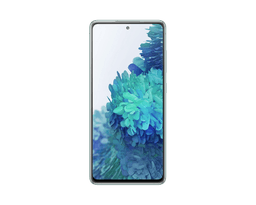
The adoption of USB-C has accelerated because major technology companies now support the standard across most of their product portfolios. Apple transitioned the iPhone to USB-C beginning with the iPhone 15 series, while Android manufacturers like Samsung, Google, OnePlus, Xiaomi, Oppo, Vivo, and Motorola have already standardized on USB-C for years. Laptop manufacturers including Dell, HP, Lenovo, ASUS, Acer, and Apple also use USB-C extensively.
For Indian consumers, this standardization means fewer chargers to purchase and carry. Whether charging a smartphone, connecting an external SSD, or powering a lightweight laptop, USB-C increasingly serves as the single connector for multiple tasks.
Why One Port Matters
USB-C is much more than a charging connector. It supports:
- Fast charging
- High-speed data transfer
- External display output
- Audio transmission
- Accessory connectivity
Instead of using separate connectors for different functions, one reversible cable can perform multiple roles.
How Universal USB-C Works
USB-C refers to the physical connector rather than the charging technology itself. Unlike older USB-A or Micro-USB connectors, USB-C is reversible, allowing users to plug it in either way.
Modern USB-C devices often support technologies like USB Power Delivery (USB PD), enabling intelligent power negotiation between the charger and the device. A phone may draw 25W, while a laptop connected to the same charger may safely request 65W or even 100W, depending on compatibility.
USB-C also supports multiple data standards, including USB 3.2, USB4, and Thunderbolt 3 or 4 on compatible devices. These standards determine transfer speeds, display support, and external hardware compatibility.
USB-C Is Not Always the Same
Although two cables may look identical, they can differ significantly.
| Feature | Basic USB-C | Premium USB-C |
|---|---|---|
| Charging | Yes | Yes |
| Fast Charging | Limited | Yes |
| High-Speed Data | Basic | Up to 40 Gbps |
| Display Output | Sometimes | Yes |
| Thunderbolt Support | No | Supported on compatible cables |
Always verify cable specifications before purchasing.
Benefits of Universal USB-C for Indian Consumers
One of the biggest advantages of Universal USB-C is convenience. A single charger can often power multiple devices, reducing the need to buy separate chargers for every gadget.
USB-C also helps reduce electronic waste. Millions of chargers become obsolete whenever manufacturers introduce proprietary connectors. By adopting a universal standard, consumers can continue using existing chargers across future devices.
The transition also benefits travellers. Carrying one charger instead of several saves luggage space and simplifies travel, especially for students and professionals who frequently move between home and work.
Everyday Benefits
Universal USB-C offers several practical advantages:
- One charger for multiple devices
- Faster charging on supported hardware
- Reduced cable clutter
- Lower long-term accessory costs
- Better compatibility across brands
Universal USB-C Compatibility Across Devices
USB-C is no longer limited to smartphones. Today it powers a wide range of electronics available in India.
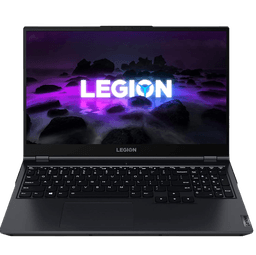
Many premium laptops now charge through USB-C, eliminating bulky proprietary charging bricks. Tablets, portable monitors, gaming handhelds, external SSDs, wireless headphones, cameras, and even some desktop accessories now use the same connector.
However, compatibility still depends on device specifications. While a USB-C charger may physically fit every device, charging speeds and supported features can vary.
Devices Using USB-C
| Device Category | USB-C Adoption |
| Smartphones | Almost universal |
| Tablets | Widespread |
| Laptops | Most modern models |
| Wireless Earbuds | Standard |
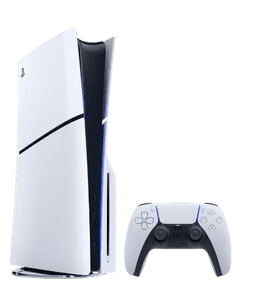
| Gaming Consoles | Many accessories |
| Portable SSDs | Standard |
| Cameras | Increasing adoption |
Charging Speeds and Power Delivery Explained
USB-C alone does not determine charging speed. The actual charging performance depends on three factors: the charger, the cable, and the device.
USB Power Delivery (USB PD) allows devices to negotiate safe charging levels automatically. Modern USB PD chargers can deliver anywhere from 5W to 240W under the latest USB PD 3.1 specification, although many consumer devices currently use between 20W and 140W.
Indian smartphone brands sometimes use proprietary fast-charging technologies alongside USB-C. For example, some manufacturers offer 80W, 100W, or 120W charging, which may require their own certified chargers to achieve maximum speeds.
Typical Charging Requirements
| Device | Typical Power |
| Earbuds | 5W |
| Smartphones | 20W–100W |
| Tablets | 20W–45W |
| Ultrabooks | 45W–65W |
| Performance Laptops | 100W–140W |
Common Myths About Universal USB-C
Many people assume every USB-C charger performs identically. This is incorrect because USB-C only defines the connector shape, not the supported features.
Another misconception is that every USB-C cable supports fast charging and high-speed data transfer. In reality, inexpensive cables may only support slow charging and USB 2.0 data speeds.
Some users also believe switching to USB-C damages batteries. Modern devices include sophisticated battery management systems that regulate charging safely when compatible chargers are used.
Buying Mistakes to Avoid
- Assuming every USB-C cable supports fast charging
- Buying uncertified chargers
- Ignoring power ratings
- Confusing connector type with charging speed
- Using damaged or low-quality cables
How to Choose the Right Universal USB-C Charger
Choosing a USB-C charger depends on the devices you own. Smartphone users may only need a compact 30W charger, while professionals carrying laptops should consider 65W or 100W USB PD chargers.
Multi-port GaN chargers have become increasingly popular because they can charge several devices simultaneously while remaining compact and energy efficient.
Always choose chargers from reputable manufacturers that comply with recognized safety standards.
Buying Checklist
Before purchasing a USB-C charger, check:
- Required wattage
- USB Power Delivery support
- Number of USB-C ports
- Cable certification
- Safety certifications
- Brand warranty
The Future of Universal USB-C in India
Universal USB-C adoption will continue expanding across consumer electronics over the next few years. More accessories, portable gaming devices, monitors, and wearable chargers are expected to standardize on USB-C.
As consumers increasingly own multiple connected devices, a single charging ecosystem offers greater convenience while helping reduce electronic waste. Combined with improvements in GaN charging technology and higher USB Power Delivery standards, USB-C is expected to remain the dominant wired charging standard for the foreseeable future.
The shift is less about replacing one connector with another and more about creating a consistent charging experience across brands and product categories.
Frequently Asked Questions
What is Universal USB-C?
Universal USB-C refers to the widespread adoption of the USB Type-C connector as a common charging and data transfer standard across electronic devices.
Is USB-C replacing all chargers?
USB-C is replacing many proprietary charging ports, although some older devices and specialized equipment still use different connectors.
Can one USB-C charger charge every device?
A compatible USB-C charger can charge many devices, but charging speed depends on the charger's power output and the device's requirements.
Does every USB-C cable support fast charging?
No. Some USB-C cables only support basic charging and slower data transfer speeds.
What is USB Power Delivery?
USB Power Delivery (USB PD) is a charging standard that allows devices to negotiate safe and efficient power levels.
Can USB-C charge laptops?
Yes. Most modern laptops support USB-C charging, especially those compatible with USB Power Delivery.
Why are GaN chargers becoming popular?
GaN chargers are smaller, more energy efficient, and capable of delivering higher power than traditional silicon chargers.
Is USB-C better than Micro-USB?
Yes. USB-C offers reversible connectors, higher charging speeds, faster data transfer, and broader compatibility.
Can USB-C transfer video?
Yes. Many USB-C ports support DisplayPort or Thunderbolt standards for external monitor connectivity.
Will USB-C remain the standard in the future?
Industry trends strongly indicate that USB-C will remain the dominant wired charging standard for smartphones, laptops, tablets, and accessories for the foreseeable future.
Final Recommendation
Universal USB-C is one of the most practical improvements in modern consumer electronics. Instead of managing multiple chargers for different devices, Indian consumers can increasingly rely on one connector for charging, data transfer, and display connectivity. When purchasing new devices or accessories, prioritize certified USB-C chargers and cables with USB Power Delivery support. Although charging speeds still vary between manufacturers, investing in quality USB-C accessories today will provide better compatibility, convenience, and long-term value as the ecosystem continues to expand.