

Buy Refurbished DSLR Cameras in India: Proven Interchangeable-Lens Photography for Stills
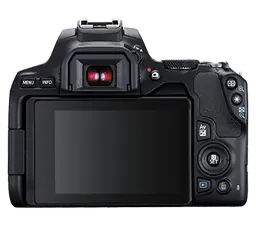
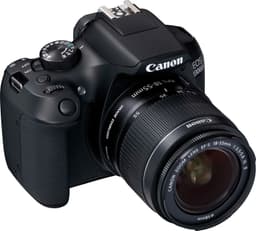
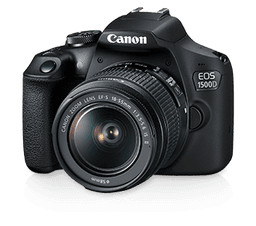
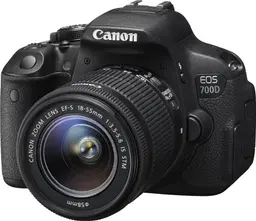
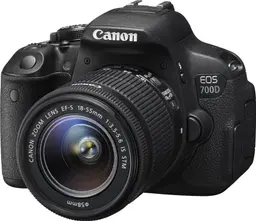
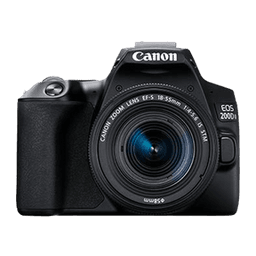
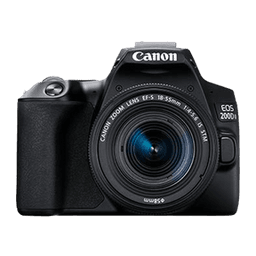
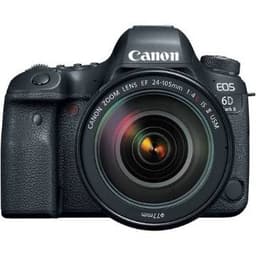
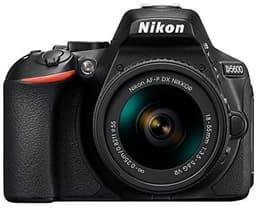
DSLR cameras remain a practical choice for photographers who want an optical viewfinder, interchangeable lenses, physical controls, and a familiar shooting experience. While mirrorless cameras have become increasingly prominent, the DSLR ecosystem continues to offer a large selection of bodies and lenses, particularly for photographers who value traditional handling or already own compatible glass.
A refurbished DSLR can also make the system more accessible. Instead of treating the camera body as the entire purchase, you can put more of your budget toward the lens, memory cards, batteries, and other equipment that actually shapes the way you shoot. Refurbo’s DSLR collection spans Canon and Nikon bodies, including cameras suited to everyday photography, portraits, events, wildlife, and more deliberate enthusiast workflows.
Why Choose a DSLR Camera in 2026?
The biggest difference between a DSLR and a mirrorless camera is the way you compose an image. A DSLR uses an optical viewfinder, allowing you to see the scene through the lens without an electronic display between your eye and the subject. Many photographers prefer this direct viewing experience, particularly when photographing moving subjects or working outdoors.
DSLRs also provide a familiar physical interface with dedicated dials, buttons, optical viewfinders, and interchangeable lenses. Once you become comfortable with the controls, changing shutter speed, aperture, ISO, autofocus settings, and exposure compensation can become a fast part of the shooting process rather than something buried inside menus.
The other major advantage is the established lens ecosystem. Canon EF and Nikon F lenses have been available across multiple generations, giving photographers a broad range of options when building a system around a refurbished body.
Refurbished DSLR Cameras Available at Refurbo
The current collection includes Canon and Nikon DSLR models across different generations and use cases. The following are verified DSLR products with direct product pages.
| CAMERA | BEST FOR | SHOP |
|---|---|---|
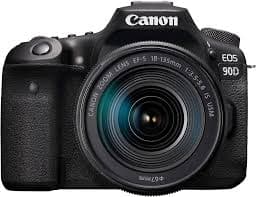
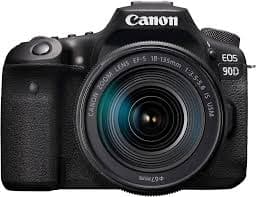
| Canon EOS 90D | Enthusiast photography, wildlife, action, portraits, and high-resolution APS-C shooting | View Camera |
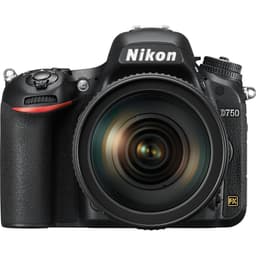
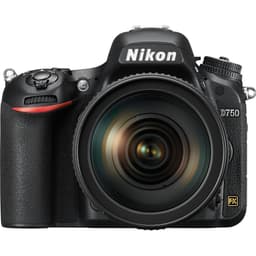
| Nikon D750 | Full-frame photography, portraits, landscapes, events, and low-light shooting | View Camera |
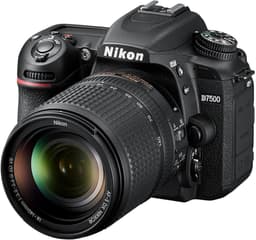
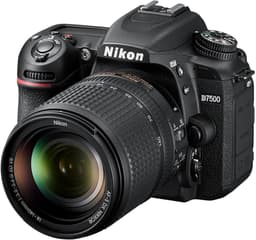
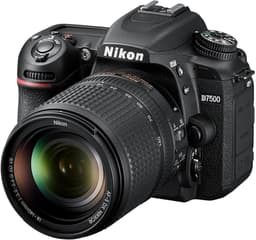
| Nikon D7500 | Action, wildlife, enthusiast photography, and versatile APS-C shooting | View Camera |
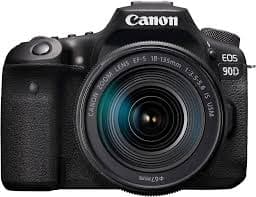
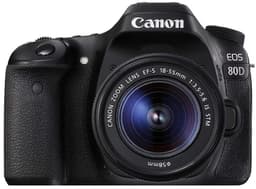
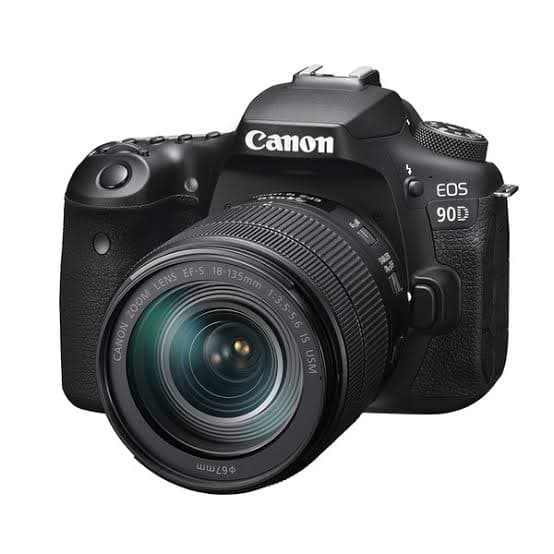
Canon EOS 90D: A Versatile APS-C DSLR
The Canon EOS 90D sits in Canon’s enthusiast-oriented DSLR range and uses an APS-C sensor. Its combination of resolution, autofocus capabilities, continuous shooting, and traditional DSLR controls makes it suitable for photographers who want one body that can handle several types of photography.
Its APS-C format also changes how lenses behave compared with full-frame cameras. The crop factor provides additional effective reach with telephoto lenses, which can be useful for wildlife, sports, and outdoor photography. At the same time, the interchangeable-lens system gives you the flexibility to use wider lenses for landscapes, standard zooms for everyday photography, or fast primes for portraits.
For someone moving beyond an entry-level DSLR, the EOS 90D represents a more advanced shooting platform without requiring a move away from the traditional optical-viewfinder experience.
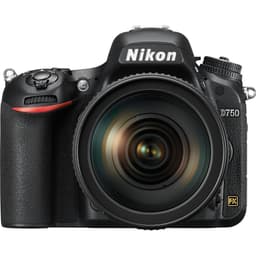
Nikon D750: Full-Frame DSLR Photography
The Nikon D750 takes a different approach from APS-C models by using a full-frame sensor. The larger sensor format gives photographers access to the characteristics associated with full-frame shooting, including greater flexibility with depth of field and a wider field of view for a given focal length.
This makes the D750 particularly relevant for portrait photographers, landscape shooters, event photographers, and users who frequently work in challenging lighting. Lens selection remains an important part of the system, since the body is only one component of a full-frame photography setup.
For photographers who already have Nikon F-mount lenses, the D750 can also be a way to build around existing equipment rather than replacing an entire kit.
Nikon D7500: APS-C Performance for Fast-Moving Subjects
The Nikon D7500 uses an APS-C sensor and is positioned toward photographers who need a versatile body with strong handling and responsiveness. The smaller sensor format can be useful when you want additional reach from telephoto lenses, making this type of DSLR relevant to wildlife and outdoor photography.
The D7500 also fits naturally into an enthusiast workflow where the photographer wants direct control over exposure and focusing rather than relying primarily on automatic modes. With interchangeable lenses, you can build the system around the subjects you photograph most frequently.
For photographers who regularly switch between portraits, travel, street photography, wildlife, and everyday shooting, the ability to change lenses can be more important than simply choosing a camera based on megapixel count.
DSLR vs Mirrorless: What Actually Changes?
The DSLR versus mirrorless decision is largely about shooting experience and system requirements rather than a simple distinction between old and new technology. DSLRs use optical viewfinders, while mirrorless cameras use electronic viewfinders or rear displays. That changes how you see exposure, color, focus, and the scene itself before taking the photograph.
Mirrorless cameras can provide an electronic preview of exposure and white balance, while DSLRs provide a direct optical view through the lens. Neither difference automatically determines which system fits every photographer. Your existing lenses, preferred handling, photography style, video requirements, and willingness to move into a different camera ecosystem all matter.
For still photographers who already own compatible Canon EF or Nikon F lenses, a DSLR body can also reduce the need to rebuild their equipment collection.
DSLR Cameras for Portrait Photography
Portrait photography benefits from more than just sensor size. Lens selection, aperture, autofocus behavior, working distance, and the photographer’s ability to control light all contribute to the final image.
A DSLR body gives you access to interchangeable lenses ranging from standard zooms to fast prime lenses. A wider aperture can provide stronger subject separation, while longer focal lengths can change the perspective and working distance between photographer and subject.
The Nikon D750’s full-frame sensor makes it particularly relevant to photographers exploring full-frame portrait setups, while APS-C models such as the Canon EOS 90D and Nikon D7500 can provide additional reach with compatible lenses.
DSLR Cameras for Wildlife and Action Photography
Wildlife photography places different demands on a camera system. Autofocus tracking, continuous shooting, lens reach, handling, and the ability to work with telephoto lenses all become important.
APS-C DSLRs can be especially interesting for wildlife photographers because the crop factor can provide additional framing reach compared with an equivalent full-frame field of view. The lens remains critical, however. A capable body paired with an unsuitable lens will still limit what you can photograph.
For action photography, shutter speed and autofocus settings should also be considered alongside the camera’s continuous shooting capabilities. The photographer’s technique, subject movement, available light, and lens all influence the final result.
What to Check Before Buying a Refurbished DSLR
A DSLR should be checked differently from a laptop or smartphone because the camera contains mechanical components that directly affect photography. The shutter mechanism, sensor, lens mount, buttons, dials, memory-card slot, display, battery compartment, and viewfinder all deserve attention.
Shutter count is particularly relevant for used and refurbished DSLRs because the shutter is a mechanical component that experiences repeated actuation. It should be considered alongside the overall condition rather than treated as the only indicator of camera quality.
The sensor should be checked for dust, scratches, or unusual artifacts. One useful test is photographing a plain, evenly lit surface at a narrow aperture and examining the resulting image for persistent spots. The lens mount should also be secure, while buttons and dials should respond consistently.
Battery behavior matters as well. Older DSLR batteries can lose capacity over time, so charging behavior and actual battery performance should be checked rather than relying solely on the camera’s age.
Your Lens Matters as Much as the Camera Body
A DSLR body determines many of the camera’s capabilities, but the lens determines how the camera sees the world. A 50mm prime, wide-angle lens, telephoto lens, and standard zoom can produce completely different photographic results even when used on the same body.
Before choosing a refurbished DSLR, consider the subjects you photograph most often. Portrait photographers may prioritize fast prime lenses, while travel photographers may prefer a versatile zoom. Wildlife photographers generally need longer focal lengths, while landscape photographers may benefit from wider lenses.
This is also where buying a refurbished body can make financial sense. If the body costs less than buying a comparable new system, the remaining budget can potentially be directed toward better glass or additional accessories.
DSLR Cameras for Beginners and Enthusiasts
A DSLR can be an excellent learning platform because it exposes photographers to the fundamental relationships between aperture, shutter speed, ISO, focal length, and depth of field. The physical controls make these concepts tangible, particularly when shooting in manual or semi-manual modes.
Beginners can start with automatic modes and gradually move toward aperture priority, shutter priority, and manual exposure as their understanding improves. Enthusiasts can go further by learning autofocus modes, metering patterns, RAW processing, flash photography, and lens-specific techniques.
The interchangeable-lens format also means that learning does not have to stop with the kit lens. As your photography develops, you can change lenses to explore different genres and shooting styles.
Why Buy a Refurbished DSLR Camera?
The biggest attraction of refurbished photography equipment is the ability to access established camera systems without necessarily buying the newest generation. DSLR technology has matured over many years, and older bodies can still provide the fundamental controls and image-making capabilities photographers need.
Refurbished also makes it possible to consider higher-tier bodies that may have originally occupied a more expensive segment. Instead of evaluating a camera solely by its age, look at the actual sensor format, autofocus system, controls, lens compatibility, condition, and intended use.
Refurbo’s refurbished cameras come with 6 Months warranty, giving buyers additional coverage after purchase.
How to Choose the Right Refurbished DSLR
Start by deciding what you photograph. Portraits, landscapes, wildlife, events, travel, and everyday photography can place different demands on a camera. Once you understand the primary use case, decide whether APS-C or full frame makes sense for your system.
Next, consider the lens ecosystem. If you already own Canon EF or Nikon F lenses, staying within the corresponding system can reduce the cost and complexity of changing bodies. If you are starting from scratch, compare the available lenses and accessories alongside the camera itself.
Finally, evaluate the individual refurbished unit. Condition, shutter count, sensor cleanliness, battery performance, mount integrity, and included accessories can all affect the practical value of the camera.
EMI and Easy Payment Options
Refurbo provides payment options during checkout, allowing buyers to review the available methods for the selected camera. Because DSLR configurations can differ by model and individual product, review the product page carefully before placing an order.
| CAMERA TYPE | Refurbished DSLR cameras |
| PRODUCT CONDITION | Refurbished and inspected before listing |
| WARRANTY | 6 Months |
| PAYMENT | Available payment options shown during checkout |
| SUPPORT | Customer support for product and order-related queries |
Frequently Asked Questions
Q. Are DSLR cameras still worth considering in 2026?
Yes. DSLRs remain relevant for photographers who prefer optical viewfinders, physical controls, interchangeable lenses, and established Canon or Nikon lens ecosystems.
Q. What is the difference between a DSLR and a mirrorless camera?
A DSLR uses an optical viewfinder with a mirror mechanism, while a mirrorless camera uses an electronic viewfinder or rear screen without the traditional DSLR mirror system.
Q. Is a full-frame DSLR better for portraits?
A full-frame camera can provide characteristics that many portrait photographers value, including greater control over depth of field with comparable framing. The lens, lighting, composition, and technique remain equally important.
Q. Are APS-C DSLRs good for wildlife photography?
Yes. APS-C cameras can provide additional effective reach with telephoto lenses, which can be useful when photographing distant subjects.
Q. What should I check when buying a refurbished DSLR?
Check the shutter, sensor, viewfinder, lens mount, buttons, dials, display, card slot, battery, autofocus, and overall physical condition. Shutter count is also useful information for evaluating a DSLR.
Q. Can I use different lenses with a DSLR?
Yes. Interchangeable lenses are one of the primary advantages of DSLR systems. The correct lens mount must be used for the camera body.
Q. Do refurbished DSLR cameras come with warranty at Refurbo?
Yes. Refurbo provides 6 Months warranty on the refurbished cameras in this collection.
