

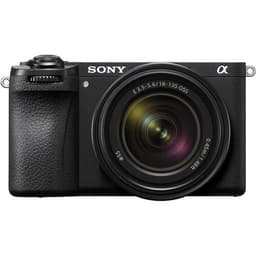
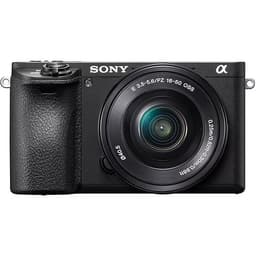
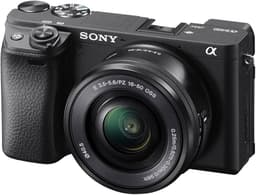
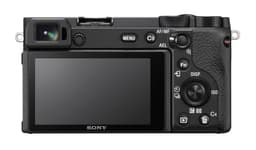
Buy Refurbished Sony Cameras in India: APS-C Mirrorless Cameras for Photography & Video
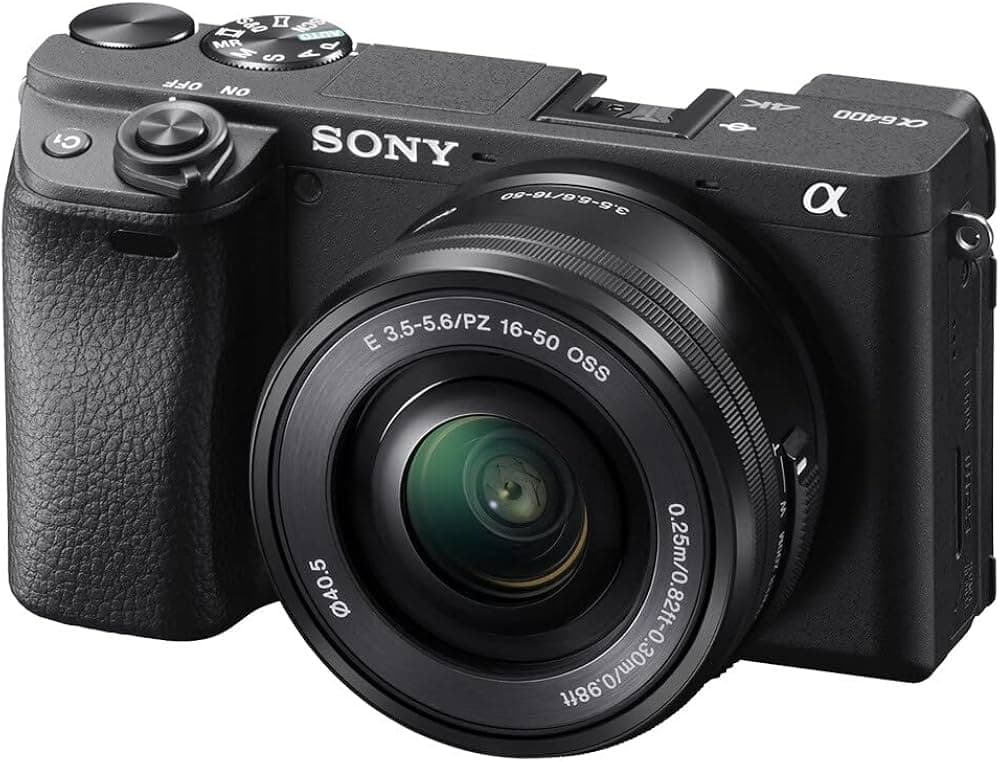
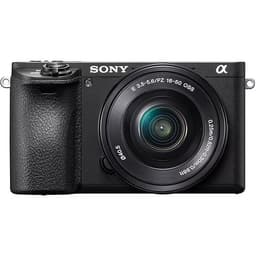
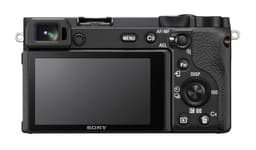
Sony’s APS-C mirrorless lineup covers a wide range of photographers, from people buying their first interchangeable-lens camera to experienced creators looking for a compact body with more advanced capabilities. Models such as the A6100, A6400, A6500, A6600, and A6700 represent different generations of Sony’s APS-C system, giving buyers several ways to approach photography and video.
A refurbished Sony camera can be an especially practical option when the goal is to get more capable camera hardware while keeping the overall purchase cost under control. The camera body is only the beginning, though. Lens compatibility, autofocus, stabilization, video requirements, handling, battery condition, and the specific condition of the refurbished unit all deserve attention before purchasing.
Sony Cameras Available at Refurbo
Refurbo’s Sony collection currently includes five APS-C camera models, spanning multiple generations of Sony’s mirrorless lineup. The collection includes the A6100, A6400, A6500, A6600, and A6700, with multiple configurations available for several models.
| CAMERA | BEST FOR | SHOP |
|---|---|---|
| Sony A6100 | Beginners, travel photography and everyday shooting | View Camera |
| Sony A6400 | Travel, street photography, portraits and video | View Camera |
| Sony A6500 | Enthusiast photography and handheld shooting | View Camera |
| Sony A6600 | Advanced photography, travel and hybrid shooting | View Camera |
| Sony A6700 | Advanced photography, video and demanding hybrid workflows | View Camera |
The Sony collection includes multiple price points, with the listed family configurations ranging from around ₹44,000 for selected A6400, A6500, and A6600 units to ₹95,000 for the A6700. The exact price and condition depend on the individual product configuration.
Sony A6100: An Accessible Entry into Sony’s Mirrorless System
The Sony A6100 is positioned as an accessible entry point into Sony’s APS-C mirrorless ecosystem. It gives users the ability to move beyond fixed smartphone cameras and begin working with interchangeable lenses, manual exposure controls, and a dedicated camera body.
For beginners, the advantage is the ability to start with a straightforward lens setup and gradually build a larger system. A travel photographer can begin with a compact zoom, while someone interested in portraits can later add a suitable prime lens without changing the camera body.
The A6100 can therefore make sense for buyers who want to learn photography while keeping the initial setup relatively compact.
Sony A6400: A Flexible All-Rounder
The Sony A6400 sits in a particularly useful part of the APS-C lineup for photographers who want one camera that can handle several different types of shooting. Its compact body makes it practical for travel and street photography, while its interchangeable-lens design allows the system to expand as the photographer’s needs change.
The camera can also be used for hybrid workflows. A photographer might use it for travel photographs during the day and switch to video creation or talking-head content later without needing a separate camera system.
This versatility makes the A6400 relevant to enthusiasts, travel photographers, creators, and buyers upgrading from smartphone photography.
Sony A6500: A More Enthusiast-Focused APS-C Option
The A6500 represents an earlier generation of Sony’s more advanced APS-C mirrorless cameras. It can appeal to photographers who want a compact body while still looking for features beyond a basic entry-level camera.
For users interested primarily in photography, the A6500 can serve as the center of a flexible interchangeable-lens setup. The camera can be paired with different focal lengths depending on whether the priority is portraits, landscapes, street photography, travel, or other subjects.
Because it is an older generation, the individual refurbished unit’s physical and functional condition becomes particularly important when evaluating an A6500.
Sony A6600: Built for More Demanding Hybrid Shooting
The Sony A6600 moves further into the enthusiast and advanced APS-C segment. It is suited to photographers and creators who want a more capable body for regular shooting rather than simply an entry point into interchangeable-lens photography.
It can be used across photography and video workflows, making it relevant to travel creators, portrait photographers, content creators, and enthusiasts who want to build a more comprehensive Sony setup.
For buyers comparing the A6400 and A6600, the decision should come down to the features that matter most to their workflow rather than simply choosing the newer-looking product.
Sony A6700: The Newer Generation of Sony APS-C
The A6700 represents the newer end of the Sony APS-C collection available at Refurbo. It is positioned for photographers and creators who want a more modern APS-C body and are willing to spend more for a newer-generation camera.
The A6700 is particularly relevant to hybrid shooters who want photography and video capabilities from the same system. It can also make sense for photographers who already understand their requirements and want a camera body that they can build a more advanced lens setup around.
At the higher end of the Sony collection, buyers should evaluate whether the additional capabilities are relevant to their actual workflow rather than paying for features they will rarely use.
Sony A6100 vs A6400 vs A6500 vs A6600 vs A6700
The five models in the collection should not be viewed simply as a linear progression where every newer model automatically makes the previous one irrelevant. They belong to different generations and were designed around different combinations of features, handling, and performance.
| MODEL | POSITIONING | SUITABLE FOR |
|---|---|---|
| Sony A6100 | Entry-level APS-C | Beginners and travel |
| Sony A6400 | Versatile APS-C | Photography and hybrid shooting |
| Sony A6500 | Advanced previous-generation APS-C | Enthusiast photography |
| Sony A6600 | Advanced APS-C | Photography, travel and video |
| Sony A6700 | Newer-generation APS-C | Advanced hybrid workflows |
The important point is that the model should be matched to the user’s shooting requirements. Someone learning photography does not necessarily need the highest-priced body, while a creator producing frequent video may benefit from features that are less important to a casual stills photographer.
Sony Cameras for Travel Photography
Travel photography benefits from equipment that is compact enough to carry throughout the day. Sony’s APS-C bodies are well suited to this because they can be combined with relatively small lenses while still retaining the flexibility of an interchangeable-lens system.
A compact zoom can cover everyday travel scenes, architecture, food, portraits, and landscapes without requiring constant lens changes. Photographers who prefer a smaller setup can instead pair the body with a compact prime lens.
The ability to change lenses later also means that the camera does not have to be replaced when the photographer’s interests expand.
Sony Cameras for Portrait Photography
Portrait photography is heavily influenced by lens selection. The camera body provides the platform, but focal length, aperture, subject distance, and lighting determine much of the visual character of the final photograph.
Sony APS-C cameras can be paired with lenses designed for portrait photography, allowing users to experiment with tighter framing and background separation. This gives photographers considerably more creative control than a typical smartphone camera.
For someone primarily interested in portraits, it is therefore worth allocating part of the budget to the lens rather than putting the entire budget into the camera body.
Sony Cameras for YouTube and Content Creation
Sony’s APS-C mirrorless cameras can also serve as creator cameras. The interchangeable-lens system allows the same body to be configured differently for desk-based videos, travel content, product demonstrations, interviews, and other types of content.
A wide lens can be useful when shooting in a small room, while a longer lens can create tighter framing when more camera-to-subject distance is available. External microphones and lighting can further improve the final production quality.
For creators, the best camera setup is therefore usually a combination of body, lens, audio, and lighting rather than the camera body alone.
Why Autofocus Matters
Autofocus can have a greater practical impact on everyday photography than simply comparing megapixel counts. When photographing people, pets, children, sports, or other moving subjects, reliable subject acquisition and tracking can make it easier to capture usable photographs consistently.
The same principle applies to video. When a subject moves toward or away from the camera, autofocus performance affects whether the important part of the frame remains sharp.
This makes autofocus an important consideration when comparing different Sony generations, particularly for buyers who plan to shoot both photographs and video.
Your Lens Determines What Your Sony Camera Can Do
An interchangeable-lens camera becomes much more flexible when the lens is chosen around the subject. A wide-angle lens can be useful for landscapes and interiors, a standard zoom can handle everyday photography, and a telephoto lens can bring distant subjects closer.
Portrait photographers may prioritize a lens with a wider aperture, while travel photographers may prefer a compact zoom that reduces the need to carry several lenses.
This is why the camera body should be selected together with the lens ecosystem. Spending the entire budget on a camera and then compromising on the lens can result in a less useful overall setup.
What to Check Before Buying a Refurbished Sony Camera
A refurbished camera should be checked for both physical and functional condition. Start with the body, screen, buttons, control dials, battery compartment, memory-card slot, ports, and lens mount. The mount should securely hold a compatible lens without unusual movement.
The sensor should also be tested by taking photographs at different settings and examining the resulting images for unusual spots, lines, or artifacts. Autofocus should be tested with both stationary and moving subjects where possible.
Battery and charging behavior should be checked as well. A camera can look excellent externally while still having issues with its battery, ports, card slot, or autofocus system, which is why functional testing is particularly important for refurbished camera equipment.
Refurbished Sony Camera vs Buying New
The decision should be based on the camera system rather than the body alone. A refurbished higher-tier Sony model may provide access to capabilities that would otherwise require a larger budget when buying new.
However, buyers should also account for the cost of lenses, memory cards, spare batteries, bags, tripods, microphones, and lighting depending on their intended use. The cheapest camera body is not necessarily the cheapest complete setup.
A refurbished camera becomes more compelling when its condition, warranty, configuration, and accessories are clearly understood before purchase.
Who Should Consider a Refurbished Sony Camera?
Sony’s APS-C cameras can suit beginners moving beyond smartphone photography, travel photographers who want a compact interchangeable-lens system, enthusiasts learning photography, creators producing video content, and experienced photographers who want an additional camera body.
They can also be useful for buyers who want to build their camera system gradually. Starting with one camera and one versatile lens provides a foundation that can later be expanded with specialized lenses.
How to Choose the Right Sony Camera
Start by defining what you will photograph most often. Travel, portraits, street photography, wildlife, sports, products, and video content all place different demands on a camera.
Then consider the lens you are likely to use, followed by autofocus, video capabilities, stabilization, body size, battery performance, controls, and connectivity. If you already own Sony-compatible lenses, compatibility should be one of the first considerations.
Finally, compare the individual refurbished unit rather than only comparing model names. Condition, accessories, price, and warranty can make a meaningful difference between two units of the same camera model.
Why Buy a Refurbished Sony Camera from Refurbo?
A refurbished Sony camera can give buyers access to an established mirrorless camera system while keeping the initial purchase cost lower than buying a comparable new camera. This can leave more room in the budget for lenses and accessories that directly affect the shooting experience.
Before placing an order, review the individual product listing carefully for its condition, configuration, included accessories, current price, and warranty. Refurbo provides 6 Months warranty coverage on refurbished products.
EMI and Easy Payment Options
Camera purchases can involve a significant upfront cost, particularly when the purchase includes both a camera body and additional equipment. Available payment options can help manage the purchase depending on the options shown during checkout.
| PRODUCT CONDITION | Refurbished and inspected before listing |
| WARRANTY | 6 Months |
| PAYMENT | Available payment options shown during checkout |
| SUPPORT | Customer support for product and order-related queries |
Frequently Asked Questions
Q. Which Sony camera is suitable for a beginner?
The Sony A6100 is positioned as an accessible entry into Sony’s APS-C mirrorless system. The A6400 can also be considered by beginners who expect to explore photography and video more seriously.
Q. Is the Sony A6400 good for travel photography?
Yes. Its APS-C mirrorless format and interchangeable-lens design make it suitable for travel photography, particularly when paired with a compact lens.
Q. Is the Sony A6600 suitable for video?
The A6600 can be used for hybrid photography and video workflows. The appropriate lens, audio equipment, and shooting setup should be selected based on the type of content being created.
Q. Is the Sony A6700 worth considering?
The A6700 is the newer-generation model among the Sony APS-C cameras currently represented in this collection. It is more relevant to buyers who specifically want newer-generation capabilities and have requirements that justify the higher price.
Q. What is the difference between the Sony A6100 and A6400?
Both belong to Sony’s APS-C mirrorless system, but they occupy different positions within the lineup. The A6400 is positioned as a more versatile option for users who want additional capabilities for photography and hybrid shooting.
Q. Is the Sony A6500 still useful in 2026?
The A6500 can still be relevant for photographers whose requirements match its capabilities. Because it is an older-generation camera, the condition of the individual refurbished unit should be carefully checked.
Q. Can Sony APS-C cameras use interchangeable lenses?
Yes. Interchangeable lenses are one of the major advantages of Sony’s APS-C mirrorless system. Different lenses can be selected for portraits, travel, landscapes, wildlife, video, and other subjects.
Q. What should I check when buying a refurbished Sony camera?
Check the body, sensor, screen, buttons, dials, lens mount, autofocus, memory-card slot, battery, charging, ports, and sample photographs. Also review the specific condition, accessories, and warranty of the unit you are purchasing.
Q. Are Sony cameras good for YouTube?
Sony APS-C mirrorless cameras can be used for YouTube, tutorials, interviews, travel videos, and product content. The lens, microphone, lighting, and camera placement are also important parts of the setup.
Q. Does the lens matter as much as the camera body?
The lens has a major influence on field of view, perspective, depth of field, and low-light performance. Buyers should therefore consider the camera body and lens as one complete photography system.
