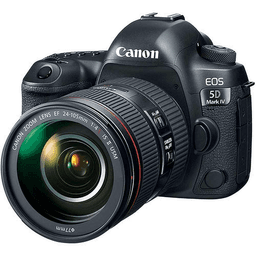
Mechanical vs Electronic Shutter: What's the Difference and Which Should You Use?
Mechanical and electronic shutters affect how your camera captures motion, handles flash, and performs in silent environments. Compare their advantages, limitations, and ideal uses before choosing the right shutter mode.

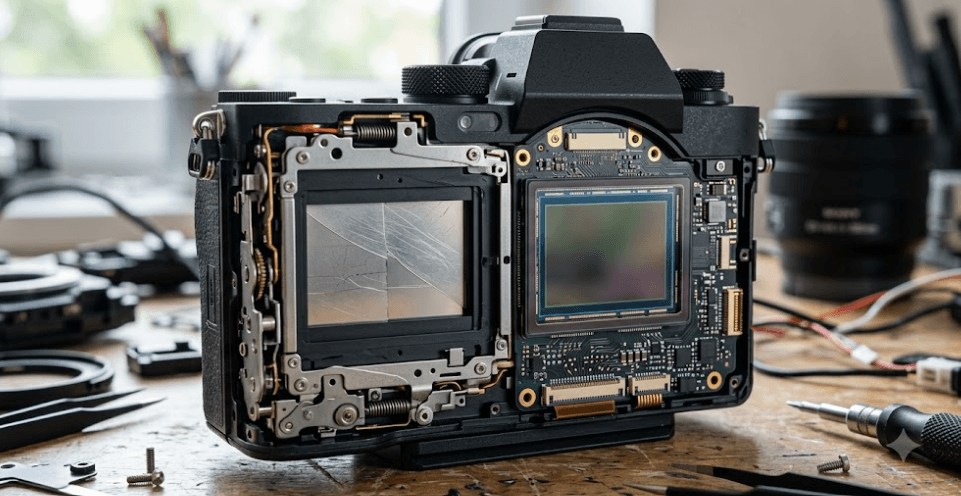
TL;DR Mechanical and electronic shutters control how a camera sensor captures light, but they work differently and suit different shooting situations. A mechanical shutter uses moving physical curtains, making it a reliable choice for flash photography, fast-moving subjects, and artificial lighting that can cause banding. An electronic shutter captures the exposure through the sensor without moving shutter curtains, allowing silent shooting, reduced mechanical vibration, and potentially faster shutter speeds and burst rates. However, it can produce rolling shutter distortion or uneven exposure under flickering lights, depending on the camera's sensor readout speed. For everyday photography, either option can work well. Choose the shutter mode based on your subject, lighting, and camera capabilities rather than assuming one is always better.
Understanding Mechanical And Electronic Shutters
A camera shutter controls how long light is captured to create an image. On many mirrorless cameras, you can choose between mechanical and electronic shutter modes, although the available options depend on the model. Understanding the difference helps you make better decisions when photographing moving subjects, shooting in quiet environments, or working with flash. The shutter type affects how the sensor records the scene, not simply how loud the camera sounds.
A mechanical shutter uses physical components to control exposure. In a typical mirrorless camera with a focal-plane shutter, two curtains move across the sensor to begin and end the exposure. This produces the familiar shutter sound and introduces moving parts into the process. Because the physical curtains control exposure timing, mechanical shutters are often useful when photographing action or working under artificial lighting.
An electronic shutter works by controlling the sensor's exposure and readout electronically rather than moving the mechanical shutter curtains. This allows the camera to take photographs silently and can enable faster shutter speeds or higher continuous shooting rates. However, the sensor may read image data progressively from one part of the frame to another. If the readout is not fast enough for the scene, moving subjects can appear distorted even when the selected shutter speed is very fast. Canon explains these differences in its overview of modern camera shutter modes.
Mechanical Shutter Vs Electronic Shutter At A Glance
| Feature | Mechanical Shutter | Electronic Shutter |
|---|---|---|
| Operation | Uses moving physical curtains | Uses electronic sensor control |
| Sound | Usually audible | Usually silent |
| Maximum shutter speed | Limited by the camera mechanism | Can be much faster |
| Moving subjects | Generally less prone to rolling-shutter distortion | Distortion depends on sensor readout speed |
| Flash compatibility | Generally supported within sync limits | Limited on many cameras |
| Mechanical vibration | Possible | No vibration from moving shutter curtains |
| Best use | Flash, action, and challenging artificial lighting | Quiet environments and fast bursts |
Advantages Of A Mechanical Shutter
Mechanical shutters remain valuable because they offer predictable results in situations where electronic shutters can struggle. For example, photographing a football match under stadium lights or capturing a speaker at an indoor event may involve fast movement, artificial lighting, and occasional flash use. A mechanical shutter is often the safer starting point in these conditions, particularly if your camera's electronic readout is relatively slow.
Another advantage is compatibility with conventional flash photography. Mechanical shutters generally support flash at or below the camera's specified flash synchronization speed. This is important for portraits, product photography, and studio work, where a flash helps control the lighting. The exact synchronization speed varies by camera, and high-speed sync or other specialized modes may allow different settings. Always check your camera and flash manuals before a shoot.
Mechanical shutters also reduce the risk of certain electronic-shutter artifacts. Since the physical shutter curtains control the exposure timing, they are generally more reliable for scenes containing rapidly moving subjects or flickering artificial lights. They are not completely free from motion distortion or vibration, however. Physical shutters have moving parts, can create some vibration, and experience mechanical wear over time. Their advantages are practical, but they do not make them universally superior.
When Mechanical Shutters Make Sense
A mechanical shutter is a sensible choice when you need dependable results under mixed lighting, when a flash is part of your setup, or when you are photographing subjects that move quickly across the frame. It is particularly useful for event photographers who cannot easily repeat a moment if banding or distortion appears in the final image.
Advantages Of An Electronic Shutter
The most obvious advantage of an electronic shutter is silence. Without the normal movement of shutter curtains, the camera can take pictures without the familiar mechanical click. This is useful during weddings, conferences, stage performances, wildlife photography, and other situations where camera noise could distract people or disturb animals. Check whether your camera produces other sounds, such as focus confirmation beeps, and disable them if necessary.
Electronic shutters can also provide very fast exposure times and high continuous shooting rates. Depending on the camera, these capabilities help you capture brief expressions, sporting moments, or a sequence of wildlife movements. A fast shutter speed is also useful in bright sunlight when you want to photograph with a wide aperture for a blurred background. Some cameras offer shutter speeds beyond the mechanical shutter's limit, although the available range varies by model.
Another benefit is the absence of vibration caused by moving shutter curtains. This can help when photographing stationary subjects at shutter speeds where mechanical shutter movement might affect sharpness. Electronic shutter operation also avoids wear on the mechanical shutter because the curtains are not used for those exposures. However, electronic shooting does not eliminate every source of blur, and it does not automatically produce sharper images. Camera movement, focus accuracy, lens performance, and subject movement still matter.
When Electronic Shutters Make Sense
Choose an electronic shutter for quiet environments, discreet photography, landscapes, and situations that benefit from fast burst shooting. It can also be useful for bright outdoor scenes when you need a very fast shutter speed. Before relying on it for an important shoot, test your camera under the lighting conditions and with the subjects you expect to photograph.
Rolling Shutter And Image Quality
Rolling shutter distortion is one of the most important limitations to understand before using an electronic shutter. On many cameras, the sensor does not capture the entire frame at exactly the same instant. Instead, it reads different rows over a short period. If a subject moves significantly during that interval, straight objects may appear tilted, rotating objects may look bent, or rapidly moving parts may take on an unnatural shape.
For example, a photographer capturing a rotating propeller or a fast-moving vehicle may notice distorted shapes even when using a shutter speed such as 1/2000 second. The shutter speed controls the exposure duration for each part of the image, but it does not necessarily mean the entire sensor records the scene simultaneously. Sensor readout speed is a separate factor, so faster exposure settings alone cannot always eliminate rolling shutter distortion.
Not every electronic shutter produces the same level of distortion. Cameras with faster sensor readout, stacked sensors, or global-shutter technology can reduce or avoid many of these problems, depending on their design. Mechanical shutters can also introduce distortion in some circumstances, but they generally reduce the rolling-shutter effect associated with slower electronic readout. If you regularly photograph sports, racing, or fast-moving wildlife, test the electronic shutter with your camera before using it for critical images.
What About Banding Under Artificial Light?
LED, fluorescent, and other artificial lights may flicker at frequencies that are difficult to notice with the naked eye. When a sensor reads the scene progressively, different rows can record different phases of the light cycle, creating dark bands or uneven exposure. Mechanical shutter mode often helps in these situations, although the result depends on the light source, shutter speed, and camera settings. Some cameras include anti-flicker features or high-frequency flicker controls that can help reduce the problem.
Mechanical Vs Electronic Shutter For Different Photography
The right shutter depends on the scene rather than a fixed rule that applies to every photographer. For portraits using flash, mechanical shutter mode is usually a practical starting point because it supports conventional flash synchronization. For indoor sports under LED lighting, it can also reduce the risk of banding and rolling-shutter distortion. If the scene is unpredictable, choosing a dependable mode before the action begins can save time in editing.
For landscapes, architecture, and still-life photography, an electronic shutter can work well because the subjects are usually stationary. Silent operation and the absence of shutter-curtain vibration can be helpful, particularly when using a tripod. Still, artificial lighting, moving foliage, water, or people entering the frame can introduce complications. The best setting depends on the actual scene, so review a test image when lighting conditions are unusual.
Wildlife and sports photography require a more careful choice. Electronic shutter mode may offer a higher burst rate and silent shooting, but a slow sensor readout can distort wings, legs, bats, or other fast-moving objects. Mechanical shutter mode is often the safer option if shape accuracy matters more than maximum burst speed. A fast-readout electronic shutter can be excellent for action, so compare your camera's capabilities rather than relying on the shutter label alone.
| Photography Situation | Recommended Starting Point | Reason |
|---|---|---|
| Flash portraits | Mechanical | Reliable conventional flash synchronization |
| Indoor sports | Mechanical | Helps reduce banding and motion distortion |
| Quiet ceremonies | Electronic | Silent shooting |
| Landscapes on a tripod | Electronic | No shutter-curtain vibration |
| Fast-moving wildlife | Mechanical or fast-readout electronic | Depends on readout speed and burst needs |
| Bright outdoor portraits | Electronic, if needed | Can allow faster shutter speeds with wide apertures |
| Product photography | Either | Depends on flash use, lighting, and subject movement |
Electronic Front-Curtain Shutter Explained
Some cameras also offer an electronic front-curtain shutter, which combines electronic and mechanical operation. The exposure begins electronically and ends with a physical shutter curtain. Because the camera does not need to move the first curtain in the usual way, this mode can reduce shutter-induced vibration in certain situations while retaining many of the practical benefits of a mechanical shutter.
Electronic front-curtain shutter is not the same as a fully electronic shutter. It may still produce some operating noise, and its maximum usable shutter speed or performance with wide-aperture lenses can vary by camera. Certain combinations of high shutter speeds and large apertures may produce unusual background blur or uneven exposure. Consult your camera manual if you notice unexpected results.
For photographers who want a balance between reduced vibration and dependable everyday performance, electronic front-curtain shutter is worth testing. It can be useful for portraits, landscapes, and general photography, but it is not automatically the best setting for every situation. Flash compatibility and available shutter speeds depend on the camera, so verify the supported features before using it for a paid assignment or important event.
Common Mistakes When Choosing A Shutter
One common mistake is assuming that electronic shutter always produces sharper images because it has no moving parts. It removes vibration from the mechanical shutter, but focus errors, camera shake, subject movement, and lens limitations can still reduce sharpness. Rolling shutter distortion can also affect the shape of moving objects. Sharpness depends on the entire shooting setup, not just the shutter mode.
Another mistake is choosing electronic shutter simply because it offers a higher maximum shutter speed or faster burst rate. Those features are useful, but they do not guarantee better action photographs. Under flickering lights, an electronic shutter may introduce banding, while a slow sensor readout may distort fast-moving subjects. Mechanical shutter mode may produce more consistent results even if its continuous shooting rate is lower.
Finally, photographers sometimes assume that every camera offers identical shutter capabilities. In reality, supported flash modes, maximum shutter speeds, burst rates, anti-flicker features, and electronic readout performance vary across models. Some newer cameras handle electronic shutter limitations much better than older designs. Before making a buying decision, compare the specifications and consult the manual for the exact camera you plan to use.
Frequently Asked Questions
Q. Is a mechanical shutter better than an electronic shutter?
A mechanical shutter is often better for flash photography, flickering artificial lighting, and fast-moving subjects when electronic readout is slow. An electronic shutter is better for silent shooting and can offer faster shutter speeds or burst rates. The best choice depends on your camera and shooting conditions.
Q. Does an electronic shutter reduce image quality?
Not necessarily. Electronic shutter mode can produce excellent images, but rolling shutter distortion or banding may appear under certain conditions. These issues depend on sensor readout speed, subject movement, and lighting rather than an automatic loss of image quality.
Q. Can I use flash with an electronic shutter?
Many cameras restrict conventional flash use with a fully electronic shutter. Some newer models support flash in specific electronic modes, so check the camera manual for compatibility and synchronization limits.
Q. What is rolling shutter distortion?
Rolling shutter distortion occurs when different parts of a sensor record the scene at slightly different times. Fast-moving objects may appear tilted, bent, or unnaturally shaped, even when the selected shutter speed is high.
Q. Is electronic shutter better for wildlife photography?
It can be useful when silence matters or when a camera offers a fast electronic readout and high burst rate. For fast wing movements or erratic action, mechanical shutter mode may be more reliable on cameras prone to rolling shutter distortion.
Q. Which shutter should I use for portraits?
Use a mechanical shutter as a starting point when shooting with flash. For natural-light portraits, electronic shutter can work well, particularly in quiet settings or bright sunlight, provided the lighting does not cause banding.
Q. Does a mechanical shutter cause camera shake?
Mechanical shutter movement can introduce small vibrations in some cameras and shooting situations. The effect is not always noticeable, but electronic or electronic front-curtain modes may help when vibration affects critical sharpness.
Q. Can an electronic shutter cause banding?
Yes. Flickering LED or fluorescent lights can produce horizontal bands or uneven exposure when the sensor reads different rows at different points in the lighting cycle. Mechanical shutter mode or a suitable anti-flicker feature may help.
Q. Does electronic shutter wear out?
Electronic shutter operation does not wear the mechanical shutter curtains because they are not used to make those exposures. However, the camera's other components still have a finite service life, and electronic shooting does not make the entire camera immune to wear or failure.
Q. Which shutter is best for beginners?
Beginners can start with mechanical shutter mode when learning flash photography, action, or indoor shooting under artificial lights. Electronic shutter is worth using for quiet scenes and still subjects. Experiment with both modes and check images for distortion or banding.
Final Recommendation
For most photographers, the smartest approach is to treat mechanical and electronic shutters as complementary tools. Choose mechanical shutter mode when using conventional flash, photographing fast action on a camera with slower sensor readout, or working under artificial lighting that causes banding. Choose electronic shutter mode when silence matters, when you need a faster burst rate, or when a very high shutter speed helps you shoot with a wide aperture in bright light.
If your camera offers electronic front-curtain shutter, test that option as well because it can provide a useful balance between reduced vibration and mechanical operation. Most importantly, learn the limitations of your specific camera rather than relying on general rules. Take test shots under the lighting you expect to encounter, inspect moving subjects for distortion, and confirm flash compatibility before an important shoot. The best shutter is the one that delivers reliable results for the photograph you are trying to make.
Ready to upgrade your tech?
Browse our collection of quality refurbished products at unbeatable prices.