Indian Wedding Photography: Gear, Settings and Shot List for Beginners
A beginner-friendly guide to Indian wedding photography covering essential gear, camera settings, lighting tips and a practical shot list for every major wedding moment.


TL;DR: Indian wedding photography is less about owning the most expensive camera and more about being prepared for changing light, fast-moving rituals, crowded venues, and emotional moments. Beginners should start with a reliable camera, a versatile zoom or fast prime lens, spare batteries and memory cards, and an external flash if permitted. Learn the exposure triangle, keep shutter speed fast enough to freeze movement, use wider apertures when light is limited, and raise ISO when necessary rather than accepting motion blur. Most importantly, prepare a flexible shot list covering getting ready, Haldi, Mehendi, Sangeet, Baraat, ceremony rituals, family portraits, couple portraits, reception and Vidaai.
Why Indian Weddings Are Challenging To Photograph
Indian weddings can move quickly between very different photographic situations. One moment you may be photographing a quiet bridal portrait in a hotel room, and minutes later you may be surrounded by a dancing Baraat, bright stage lighting, or a crowded Mandap. Several functions may also take place across multiple days, so a beginner needs to think about preparation as much as camera settings.
The biggest challenge is that many important moments happen only once. A Varmala exchange, a key ceremony ritual, a parent's reaction, or a Vidaai cannot simply be recreated because the photographer missed focus. That makes anticipation particularly important. Before each function, understand what is going to happen, where the important people will be, and where you can safely position yourself.
It is also important not to assume that every Indian wedding follows the same sequence. Rituals and names vary between communities and regions. A Hindu wedding in North India may have different traditions from a South Indian wedding, Sikh Anand Karaj, Muslim Nikah, or Bengali wedding. Confirm the actual ceremony sequence with the couple or family before creating your final shot list.
Beginner Gear For Indian Wedding Photography
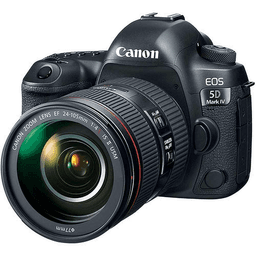
You do not need a professional flagship camera to begin photographing weddings. A modern interchangeable-lens camera with reliable autofocus, good low-light performance and a comfortable grip can be enough to learn. The camera body matters, but lenses, batteries, memory cards and your ability to anticipate moments can matter just as much during a real wedding.
A versatile zoom lens is particularly useful because wedding photographers often cannot constantly move closer or farther from the subject. A standard zoom can cover group photographs, portraits and documentary moments, while a telephoto zoom can help capture expressions from a distance without interrupting the ceremony. A fast prime lens can also be valuable in dim venues because its wider maximum aperture can allow more light to reach the sensor.
Do not forget the unglamorous equipment. Carry multiple charged batteries, spare memory cards, a comfortable camera strap, lens cloths and a backup storage solution. If you use flash, carry an external flash compatible with your camera and learn how it works before the wedding. Never make your first flash experiment during the main ceremony.
| Gear | Beginner-Friendly Purpose |
|---|---|
| Camera body | Reliable autofocus and good low-light performance |
| Standard zoom | Groups, portraits and general coverage |
| Telephoto zoom | Candid expressions and distant ceremony moments |
| Fast prime | Low-light portraits and subject separation |
| External flash | Additional light when permitted |
| Spare batteries | Prevents missed coverage |
| Spare memory cards | Essential backup capacity |
| Camera strap | Safer handling during long events |
| Lens cloth | Helps deal with dust and fingerprints |
Camera Settings For Wedding Beginners
Understanding the exposure triangle is the foundation of wedding photography. Aperture controls the lens opening and depth of field, shutter speed controls how long the exposure lasts and therefore affects motion blur, while ISO affects the camera's sensitivity setting and can brighten an image at the cost of increased noise. These settings work together rather than independently.
For a starting point, try a shutter speed around 1/250 second for ordinary candid movement and increase it toward 1/500 second or faster when people are dancing, walking quickly or performing energetic rituals. There is no universal shutter speed for every wedding. If the scene is static, you may be able to use a slower speed, while fast movement requires a faster one to reduce motion blur.
For aperture, something around f/2.8 to f/4 can work well for individual portraits or smaller groups, depending on the lens and how much depth of field you need. For larger family groups, consider stopping down further so everyone is more likely to remain in focus. In low light, raise ISO as needed rather than sacrificing a shutter speed that is necessary to freeze the subject. Higher ISO can introduce more visible noise, but a sharp, slightly noisy photograph is usually more useful than a clean but motion-blurred one.
Suggested Starting Settings
| Situation | Aperture | Shutter Speed | ISO |
|---|---|---|---|
| Outdoor daytime portraits | f/2–f/4 | 1/500s+ | 100–400 |
| Family groups | f/4–f/8 | 1/250s+ | 100–800 |
| Indoor candid moments | f/2–f/4 | 1/250s+ | 800–3200+ |
| Dance and Sangeet | f/2–f/4 | 1/500s+ | 800–3200+ |
| Dim ceremony | f/2–f/4 | 1/250s+ | 1600–6400+ |
| Couple portraits | f/1.8–f/2.8 | 1/250s+ | Adjust to light |
These are starting points, not fixed rules. Your camera, lens, venue lighting, subject movement and desired creative effect may require different settings. Modern cameras can handle relatively high ISO values, but the acceptable level of noise varies by camera and personal preference.
How To Handle Wedding Lighting
Wedding lighting can change dramatically within the same function. Outdoor daylight may be bright and directional, while a banquet hall may have dim ambient lighting mixed with LEDs, decorative lights and stage illumination. A camera's automatic exposure can sometimes struggle when the frame contains extremely bright decorations alongside darker faces, so check your images regularly.
Use the histogram and highlight warnings if your camera provides them. These tools can help you identify areas where highlights are being clipped. Be particularly careful with white bridal clothing, bright stage lights and decorative lighting because recovering detail from severely overexposed areas can be difficult. RAW files provide greater flexibility for exposure and colour corrections during post-processing than JPEG files.
If you use an external flash, learn the difference between pointing the flash directly at a subject and bouncing light from a suitable surface. Direct flash can produce harder-looking light, while bouncing can create softer illumination when the environment allows it. However, not every venue permits flash during ceremonies, and coloured ceilings or walls can affect the colour of bounced light. Always follow the venue's and ceremony's photography rules.
Indian Wedding Shot List For Beginners
A shot list gives you a safety net. It does not mean you need to photograph every moment mechanically. Instead, use it to remember important people, details and once-only rituals while leaving room for spontaneous photographs. A good list should combine details, portraits, documentary moments, family photographs and ceremony coverage.
Before the wedding, ask the couple which people absolutely must be photographed. Names are more useful than generic instructions such as "get family pictures." Ask for grandparents, parents, siblings, close friends and relatives who have travelled from far away. Assigning a family member to help gather people can also make group portraits much faster.
The list below is intentionally adaptable. Haldi, Mehendi, Sangeet, Baraat, Varmala, Pheras, Vidaai and other rituals may or may not form part of a particular wedding. Confirm the actual events and their order before the day.
Getting Ready
Capture the wedding outfits, jewellery, shoes, invitations and other meaningful details before the room becomes crowded. Photograph makeup and hair preparation, the final outfit adjustments and small interactions between the bride or groom and their family.
Do not focus only on the bride. The groom getting ready can provide equally important photographs, including outfit details, family interactions and final preparations. Look for parents, siblings and friends helping with last-minute details.
Try to photograph at least one clean portrait before everyone leaves the room. Also look for natural moments rather than directing every frame. A parent adjusting a dupatta, a sibling fixing a collar or friends laughing together can tell more of the preparation story than a heavily posed image.
Haldi And Mehendi
For Haldi, photograph the setup before the ceremony becomes messy. Capture the décor, flowers, bowls, outfits and family members gathering around the couple. During the ritual, focus on expressions, hands applying Haldi, laughter and interactions rather than photographing only the yellow paste.
For Mehendi, photograph the artist working, detailed henna patterns and the bride's reactions. Capture both close-ups and wider environmental photographs showing the people around her. If the couple has a particular Mehendi tradition or family activity, add it to your personalised list.
These functions are also excellent opportunities for candid photography. Children, grandparents, friends and cousins often provide some of the most spontaneous images. Do not spend the entire function looking only for the bride and groom.
Sangeet And Performances
Before the performances begin, photograph the stage, décor and audience area. During performances, vary your framing. Capture wide photographs showing the scale of the stage as well as tighter photographs showing expressions and movement.
Do not photograph only the people performing. Parents, grandparents, siblings and friends reacting to performances can become some of the most meaningful photographs from the evening. When possible, capture the interaction between performers and the audience.
Because dancing involves movement, a faster shutter speed is generally helpful. Around 1/500 second can be a useful starting point, but increase or decrease it according to the movement and available light. If the venue is dark, compensate with aperture and ISO rather than allowing the shutter speed to become so slow that subjects blur.
Baraat And Varmala
For the Baraat, start before the procession reaches the venue. Capture the groom preparing, the musicians or Dhol players, friends and family dancing, the groom's arrival and the overall procession. A wide establishing photograph can help tell the story of the entire scene.
The welcome should also be covered, including family interactions and any relevant welcoming ritual. Milni, where applicable, can involve important family members meeting and should be anticipated rather than discovered after it has already happened.
Varmala or Jaimala can happen very quickly. Position yourself before the exchange begins. Photograph both the garlands going on, the couple's expressions and the reactions of the surrounding family and friends. If the couple or friends are lifted during the exchange, be prepared for sudden movement and keep your shutter speed high.
Wedding Ceremony
Start with a wide photograph of the Mandap or ceremony space before the main rituals begin. Then photograph the officiant, décor, sacred elements and the people watching. These photographs provide context when viewed later as part of a wedding album.
During the key rituals, prioritise both the action and the emotion around it. Depending on the wedding tradition, this might include Kanyadaan, the exchange of garlands, the sacred fire, Pheras or Saptapadi, Sindoor, Mangalsutra or other culturally specific rituals. Do not assume every ceremony includes all of these.
Use a combination of wide and close photographs. A wide image establishes where the couple is, while a tighter image can show hands, expressions or a specific ritual detail. For once-only moments, avoid experimenting with complicated settings at the exact moment they happen. Test your exposure and focus position beforehand.
Family And Couple Portraits
Family photographs are among the images that can become especially valuable over time, so plan them rather than treating them as an afterthought. Begin with immediate family, then move through larger groups. Keep a written list and have a designated person help bring relatives together.
For couple portraits, look for clean backgrounds and flattering light. You can use a wider aperture for separation when appropriate, but make sure both people are within your depth of field if they are positioned at noticeably different distances from the camera.
Mix posed photographs with natural interactions. Ask the couple to walk, talk or look at each other instead of making every photograph feel like a formal pose. If the schedule allows, a short portrait session around softer evening light can produce a different visual style from the busy ceremony photographs.
Reception And Vidaai
At the reception, photograph the venue before it fills up, the couple's entrance, speeches, reactions, family portraits, dancing and other planned activities. If there is a cake cutting, first dance or another event, photograph it according to the actual schedule rather than assuming every reception follows the same format.
During speeches, photograph both the person speaking and the couple's reactions. Guests listening, laughing or becoming emotional can add context to the story. Continue looking for photographs beyond the stage because wedding photography is also about the people experiencing the event.
For Vidaai, remain respectful and avoid directing genuine emotion unnecessarily. Capture the farewell, family embraces, the couple leaving and the people watching them go. Customs differ, so confirm whether there are specific farewell rituals the family wants photographed.
Common Beginner Mistakes To Avoid
One common mistake is trying to keep ISO extremely low at all costs. A low ISO can help minimise noise, but it is not worth using a dangerously slow shutter speed during a moving event. Exposure is a balance between aperture, shutter speed and ISO, so choose the setting that protects the most important aspect of the photograph.
Another mistake is shooting every photograph at the widest possible aperture. An f/1.4 or f/1.8 lens can create beautiful background separation, but extremely shallow depth of field can make it harder to keep multiple people sharp. For groups and important ceremony moments, a slightly narrower aperture may be the safer choice.
Finally, do not spend the entire wedding looking through the viewfinder without checking your surroundings. Watch where the next important moment is happening, monitor your remaining battery and card capacity, and regularly review focus and exposure. Your job is not just to press the shutter. It is to anticipate what happens next.
Final Recommendation
For beginners, the best approach to Indian wedding photography is to prioritise reliable preparation over expensive gear. Start with a capable camera, one versatile lens, a fast lens for low light, spare batteries and memory cards, and an external flash if it is permitted. Learn the exposure triangle thoroughly before attempting a real wedding, and use practical starting settings rather than memorising one "perfect" configuration.
Build a shot list around the actual wedding rather than copying a generic checklist. Confirm the ceremonies, timings, family members and cultural requirements beforehand. During the event, protect the once-only moments first: ceremony rituals, emotional reactions, family photographs and the couple's key interactions. Then use your remaining time to look for creative details and candid moments.
Most importantly, remember that wedding photography is storytelling. A technically perfect photograph of a ritual is valuable, but a photograph showing a parent's reaction, friends laughing during the Baraat, grandparents watching the ceremony or the couple sharing a quiet moment can become the image the family remembers years later. Good gear helps, but preparation, anticipation, respect for the ceremony and consistent practice are what make a beginner's wedding coverage stronger.
Frequently Asked Questions
Q. What camera settings should a beginner use for Indian wedding photography?
A practical starting point is around 1/250s for general candid photography, faster for active movement, an aperture around f/2.8–f/4 for many individual subjects, and ISO adjusted according to available light. These are starting points, not fixed rules.
Q. What lens is best for Indian wedding photography?
A versatile standard zoom is a strong starting choice because it can cover portraits, groups and general documentary photographs. A fast prime and telephoto lens can be useful additions.
Q. What shutter speed should I use for wedding photography?
Around 1/250s can work for ordinary movement, while 1/500s or faster is often more suitable for dancing and fast action. The correct speed depends on the subject and lighting.
Q. Should I shoot RAW or JPEG at weddings?
RAW is generally preferable when you plan to edit the photographs because it provides greater flexibility for correcting exposure and colour compared with JPEG.
Q. What ISO should I use for an indoor wedding?
There is no universal ISO. Start as low as practical while maintaining a shutter speed fast enough for the subject. In dim venues, a higher ISO may be necessary to avoid motion blur.
Q. Is flash necessary for Indian wedding photography?
Flash is not mandatory, but an external flash can be useful in dark venues. Always check whether flash is permitted and practise with your equipment before the wedding.
Q. What should I photograph during a Baraat?
Capture the groom, procession, dancing friends and family, musicians, venue arrival, welcome and relevant family interactions. Also include wide photographs that show the scale of the procession.
Q. What are the most important wedding ceremony photographs?
Photograph the major rituals specific to that wedding, along with the couple's expressions, parents, grandparents, officiant and important details. Rituals vary by community, so confirm the sequence beforehand.
Q. How can a beginner avoid missing important wedding moments?
Ask for the event timeline, learn the ceremony sequence, create a personalised shot list and arrive early enough to scout positions. For once-only rituals, anticipate the moment instead of reacting after it starts.
Q. Do all Indian weddings follow the same photography shot list?
No. Indian weddings vary widely by religion, region, community and family. A generic shot list should be treated as a starting framework and customised after speaking with the couple and family.
Ready to upgrade your tech?
Browse our collection of quality refurbished products at unbeatable prices.