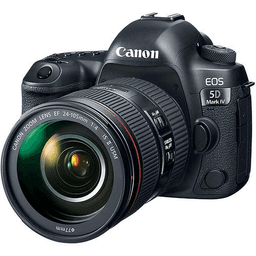
Camera Maintenance Tips: Clean, Store, Protect
Camera maintenance tips for cleaning, storage, weather protection, and kit prices from ₹200 to ₹1,999.


TL;DR Camera maintenance tips work best when you start with a blower, move to microfiber and optical fluid, and store gear dry with caps on. The cheapest option here is the ZEISS Lens Cleaning Solution Kit at ₹200, while the Full Frame Sensor Cleaning Kit sits at the premium end.
Camera Maintenance Tips Overview
Camera maintenance tips only work if you clean in the right order. Start with a blower, because abrasive particles are what scratch a lens, not the cloth itself. That first step matters every time you come back from outdoor shooting, especially after dust, sand, or rain.
Use an air blower to remove dust particles and debris from lens surfaces and camera bodies before anything else touches the glass. Microfiber cloths are the next step for camera bodies and lens barrels, because they clean without creating scratches. For the front lens element, use a cleaning solution made for optical equipment, not a household spray that can leave residue or damage coatings.
The real value of camera maintenance tips is that they prevent problems before they spread. If you shoot with a DSLR or mirrorless body in Lightroom, Capture One, or even a simple JPEG workflow, one speck of dust can ruin a frame and waste time in editing. Regular maintenance also extends the lifespan of your equipment, which is valuable when a body and lens set costs far more than a cleaning kit.
What to use first
- Use a blower before any cloth touches the lens, because dry dust is the real threat.
- Use microfiber cloths for the body and lens barrel, where light surface grime is common.
- Avoid benzene, acetone, and other household cleaners, because they can damage coatings.
Cleaning Methods That Actually Protect the Lens
The safest camera cleaning tips are boring, and that is a good thing. A blower removes loose particles, a microfiber cloth or lens paper handles the rest, and you stop before you overdo it. If the lens only has a few spots, a slightly damp cloth is enough, but never rub moisture into seams or around electrical contacts.
Lens changes deserve the same discipline. Swap lenses in a sheltered place instead of on a windy street or a sandy beach, because dust and salt spray create different problems. Salt water can corrode metal and electrical contacts, while sand can leave blurry spots or refract light in the frame.
Keep the lens cap on when you are not shooting, and check the front of the lens for debris before you load it back into your bag. If you need to refresh your gear after a shoot, do it with care rather than rushing through a full clean. In a few minutes, careful habits can save you from repeating the same mistakes later.
Outdoor and weather exposure
If you shoot outdoors often, camera maintenance tips should include weather control, not just cleaning. Rain covers and protective housings are useful for extended wet-weather photography, and a plastic bag can help when you are near the ocean. If a camera gets excessively wet, remove the battery and memory card immediately to prevent electrical damage.
Dab away excess water instead of rubbing it deeper into seams. That small choice matters because rubbing pushes moisture where it can sit inside the body. If the camera is still damp, let it dry naturally in a ventilated place before you power it back on.
Common mistakes to avoid
- Do not use cheap memory cards, because slow cards create problems during burst shooting and video recording.
- Do not clean a lens before blowing off dust, because particles can scratch the coating.
- Do not ignore lens maintenance just because the body looks clean.
- Do not use the same cloth on a wet body and a dry lens without checking it first.
A lot of photographers focus on image quality and forget that maintenance affects it directly. In a long session, especially with outdoor photography, dirty glass can soften contrast and make post-processing harder in Photoshop or Capture One. Good camera maintenance tips prevent that mess before it starts.
Storage And Protection Best Practices
Storage is where most gear problems begin, because clean equipment can still degrade in the wrong environment. Keep front and rear lens caps on whenever the lens is not mounted, and store camera gear in a well-ventilated location to prevent dust accumulation. Silica gel or similar desiccants help control humidity, which matters when condensation and moisture are the real enemies.
Avoid direct sunlight exposure, because heat and UV can slowly damage components. If you leave gear in a bag after a shoot, the trapped temperature can climb fast and create moisture issues inside the case. That can lead to problems later, especially if the camera has been stored in a sealed bag for too long.
That is especially important for anyone who keeps a camera ready for travel, street work, or outdoor use, where quick access and security both matter. A dry storage routine helps prevent the kind of frustration that can happen when moisture or dust affects sensitive parts.
Storage habits that pay off
- Keep caps on, even for short breaks between shoots.
- Use silica gel in your bag or storage cabinet to control humidity.
- Store gear in a dry, ventilated place instead of a sealed drawer.
- Let wet accessories dry fully before packing them away.
These habits reduce the need for emergency cleaning later. If you work with a camera every week, the difference between dry storage and careless storage shows up in fewer fogged lenses and fewer contact issues over time. A maintenance routine is really just a habit of preventing avoidable wear in a few extra minutes.
Pricing, Value, And What Each Kit Covers
Camera cleaning tips are easier to follow when the kit matches the job. The ZEISS Lens Cleaning Solution Kit costs ₹200, the 7-in-1 Lens Cleaning Kit costs ₹399, and the 6-in-1 Cleaning Kit covers a lower-cost middle ground for basic upkeep. If you want more pieces, the Digitek DCK-003 7-in-1 Professional Cleaning Kit costs ₹850, and the Digitek Professional 8-in-1 Camera Cleaning Travel Kit adds more coverage for regular use.
At the premium end, the 9-in-1 Lens Cleaning Kit costs ₹999, the Camera Sensor Cleaning Kit for Full Frame costs ₹1,830, and the Full Frame Sensor Cleaning Kit costs ₹1,999. That spread tells you something useful: basic lens care is cheap, broader bundles cost more, and sensor-level cleaning is the part that requires the most care. If a page takes time to load, wait a moment, because the prices may appear properly after a refresh.
Which price tier makes sense
- Choose the ZEISS kit if you mainly need light surface cleaning and a clean lens.
- Choose the 7-in-1 kit if you want a broader kit for regular maintenance and travel.
- Choose the 6-in-1 kit if you want a practical middle ground for everyday care.
- Choose the Digitek 8-in-1 kit if you want extra coverage without moving to sensor-only pricing.
A bigger bundle is not automatically more valuable. If you only wipe the body, barrel, and front element, paying for sensor-focused tools can be unnecessary. If you shoot often and move between indoor and outdoor setups, the mid-range kits usually make more sense because they cover more real-world problems without pushing you into premium pricing.
Which Camera Maintenance Kit Fits Your Routine
The best choice depends on how often you clean, where you shoot, and whether you deal with sensor dust. A ZEISS Lens Cleaning Solution Kit is enough for light upkeep, while the 7-in-1 Lens Cleaning Kit and 6-in-1 Cleaning Kit cover the basics without much cost. The Digitek DCK-003 and Digitek Professional 8-in-1 kit are better if you want a more complete bag for regular use.
If you shoot weddings, sports, or outdoor travel, the broader kits are more valuable because they handle dust, moisture, and quick touch-ups between sessions. If you mostly shoot in a controlled environment, a smaller kit is usually enough. The right choice is not about owning the most gear; it is about having the right tools when problems show up.
Choose this if the job is simple
- Choose the ZEISS kit if you need the cheapest way to clean a lens.
- Choose the 7-in-1 kit if you want a low-cost step up for routine use.
- Choose the 6-in-1 kit if you want a practical middle ground for everyday care.
- Choose the Digitek 8-in-1 kit if you want extra coverage without moving to sensor-only pricing.
Choose this if the job is more demanding
- Choose the 9-in-1 kit if you want more pieces for regular maintenance.
- Choose the Camera Sensor Cleaning Kit for Full Frame if sensor dust is your main issue.
- Choose the Full Frame Sensor Cleaning Kit if you need the most specialized option here.
- Choose the Digitek DCK-003 if you want a stronger all-rounder for frequent cleaning.
- Skip the cheapest kit if you regularly deal with sensor dust.
- Skip the premium sensor kits if you only need to clean the lens and body.
- Skip the larger bundles if you never travel with your gear and only need light upkeep at home.
Frequently Asked Questions
Q. What should you do first when cleaning a camera?
Always start with a blower before any cloth touches the lens. That keeps abrasive particles from being dragged across the glass. After that, use microfiber cloths and optical cleaning fluid only when needed.
Q. Can you use household cleaners on camera lenses?
No, household cleaners are the wrong choice for camera lenses. Use a fluid made for optical equipment instead, because benzene, acetone, and similar solvents can damage coatings and plastics. The article recommends cleaning the front lens element with optical-grade solution, not a household spray.
Q. Why are microfiber cloths recommended for camera care?
Microfiber cloths clean camera bodies and lens barrels without creating scratches. They are useful for light surface cleaning, especially when you want to remove fingerprints or dust without grinding particles into the finish. They work best after a blower has already removed loose debris.
Q. How should you store camera gear to reduce damage?
Store camera gear in a ventilated place with silica gel or similar desiccants nearby. Keep front and rear lens caps on, avoid direct sunlight, and let wet gear dry fully before packing it away. That routine helps prevent dust buildup, moisture, and heat damage.
Q. What should you do if a camera gets excessively wet?
Remove the battery and memory card immediately to prevent electrical damage. Then dab away excess water and let the body dry naturally instead of rubbing moisture into seams. The article also recommends waiting until the camera is fully dry before powering it back on.
Q. When is a sensor cleaning kit worth buying?
A sensor cleaning kit is worth buying when dust on the sensor becomes a recurring problem. The article places sensor-focused kits at ₹1,830 and ₹1,999, which makes them better for photographers who need more delicate cleaning. If you only need regular body and lens care, a basic or mid-range kit is usually enough.
How To Keep Your Camera Ready
For The Next Shoot
These camera maintenance tips work best when they become part of your routine, not a rescue plan after damage appears. Start with the basics: clean in the right order, store gear dry, and protect it from dust, moisture, and extreme weather. For most photographers, the smartest setup is a blower, a microfiber cloth, and a small optical cleaning kit.
That simple routine keeps maintenance manageable instead of turning it into a bigger job later. If your gear starts to look dull or dusty, use the tools you already have rather than waiting until buildup becomes harder to remove. If something does not come clean right away, repeat the same careful process instead of rushing through it.
Keep the process consistent, because regular care is what makes the difference. A steady routine helps you stay ahead of small issues before they become harder to handle. If you shoot outdoors, travel often, or change lenses frequently, the habits you build now will save time later and reduce avoidable wear.
Is Camera Maintenance Worth The Effort For Regular Shooters?
Camera maintenance tips are worth following because they protect gear that costs far more than the cleaning tools. The article shows that a basic kit can start at ₹200, while more specialized sensor cleaning options reach ₹1,999. That range makes it easier to match the kit to your routine instead of overbuying or skipping care altogether.
If you mainly shoot indoors or in controlled settings, a blower, microfiber cloth, and a low-cost kit are usually enough. If you shoot weddings, sports, travel, or outdoor scenes, the broader kits and weather protection habits matter more. Those users face dust, moisture, and frequent lens changes, so they benefit most from a more complete routine.
The best next step is to build a simple habit and stick to it. Clean in the right order, store gear dry, and choose the kit that matches how you actually shoot. If you do that consistently, your camera will stay ready longer and need less corrective work later.