
HP ZBook Firefly G10 vs Dell Precision 3480 In 2026: Best Mobile Workstation?
A complete comparison of HP ZBook Firefly G10 and Dell Precision 3480 covering mobility, durability, thermals, display accuracy, upgradeability, and refurbished workstation value for professionals in 2026.

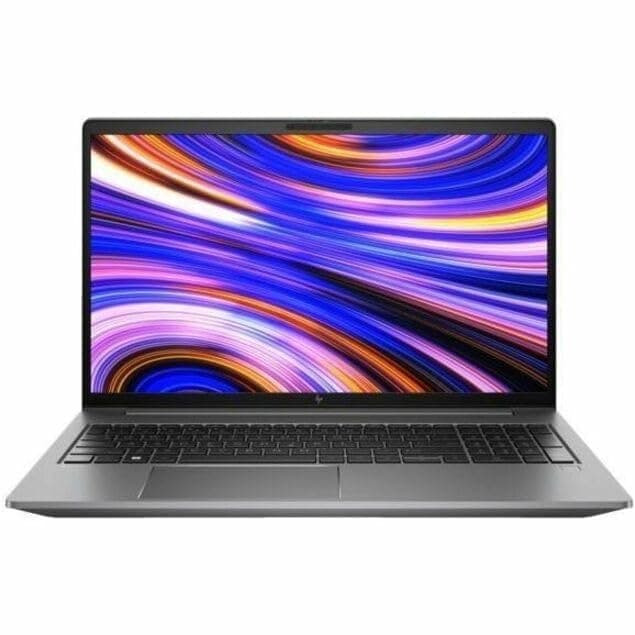
TL;DR The HP ZBook Firefly G10 and Dell Precision 3480 represent two of the most balanced thin mobile workstations available in 2026. Both systems target professionals who require ISV-certified stability, professional GPUs, and enterprise durability in lightweight designs. The Firefly G10 focuses on mobility, color-accurate display options, and refined thermals, while the Precision 3480 emphasizes corporate deployment flexibility and Dell’s large enterprise ecosystem. In India, the decision often depends on pricing, refurbished availability, and workflow type. For buyers prioritizing display consistency and slim portability, HP stands strong. For those invested in Dell enterprise infrastructure, Precision remains competitive.
HP ZBook vs Dell Precision: Quick Decision Guide (2026)
When choosing between HP and Dell in the thin workstation category, professionals should focus on workload demands rather than brand loyalty. The Firefly G10 is built around Intel 13th Gen Core processors with optional NVIDIA RTX A500 or T500 GPUs depending on configuration. It integrates a 16:10 WUXGA panel and Thunderbolt 4 connectivity, prioritizing modern productivity ergonomics. The Dell Precision 3480 also runs on Intel 13th Gen processors with optional NVIDIA RTX A500 graphics, maintaining similar core hardware capabilities.
Where differences begin to appear is in refinement and mobility optimization. HP’s Firefly G10 typically weighs slightly less depending on configuration and emphasizes battery efficiency tuning. Dell’s Precision chassis leans slightly more conservative in styling but integrates enterprise deployment features such as Dell Optimizer software for corporate fleet management. Both systems maintain ISV certifications, meaning applications like AutoCAD, SolidWorks, and Adobe Creative Cloud are tested for compatibility.
For Indian buyers evaluating pricing through refurbished channels such as Refurbo The HP model often becomes financially attractive due to workstation lifecycle depreciation advantages. Dell, however, sometimes commands marginally higher resale stability due to large enterprise presence.
Quick Specification Snapshot (2026)
For quick decision-making, both systems are evenly matched in raw specification, making refinement and pricing decisive factors.
Design Philosophy: Enterprise Engineering vs Corporate Mobility Approach
HP and Dell approach thin workstation design from slightly different philosophies. The Firefly G10 reflects HP’s push toward mobility-centric enterprise engineering, blending workstation certification with ultrabook-like aesthetics. Its magnesium-aluminum chassis, slim profile, and 16:10 display ratio show deliberate focus on professionals who travel frequently between offices, campuses, and client meetings.
Dell Precision 3480, by contrast, emphasizes conservative enterprise continuity. Its design language follows traditional corporate styling with subtle branding and structured port layout. Dell’s long-standing enterprise deployment model prioritizes consistency across generations, allowing IT departments to standardize device fleets efficiently. While aesthetically understated, this approach appeals strongly to large organizations that value infrastructure compatibility over design innovation.
In real-world professional environments, these philosophical differences influence daily usage. HP’s slimmer bezel design and taller display ratio feel more modern and optimized for productivity dashboards. Dell’s approach integrates deeper IT control tools and firmware stability enhancements for managed environments. Both systems undergo MIL-STD durability testing, reinforcing enterprise reliability.
Ultimately, the Firefly G10 appeals more to independent consultants, creative professionals, and hybrid workers seeking balance between performance and portability. The Precision 3480 often aligns with corporate IT departments deploying standardized hardware fleets at scale. Neither philosophy is superior; instead, they reflect different priorities within the same professional ecosystem.
Build Quality and Chassis Durability Comparison
Both the HP ZBook Firefly G10 and Dell Precision 3480 are engineered for enterprise durability, but their construction approaches reflect slightly different priorities. The Firefly G10 uses a magnesium-aluminum chassis that keeps overall weight around the 1.4 kg mark while maintaining structural rigidity. HP subjects its ZBook lineup to MIL-STD-810H testing, which includes vibration, temperature variation, and drop simulations. This ensures the device can handle frequent travel, office relocation, and moderate field use without structural flex or premature hinge wear.
Dell’s Precision 3480 also meets MIL-STD durability standards and uses a reinforced aluminum frame with tightly controlled hinge resistance. Dell traditionally emphasizes chassis stiffness and keyboard deck reinforcement, which results in minimal flex during typing or when lifting the device from one corner. While marginally heavier in certain configurations, the Precision often feels slightly denser in hand, appealing to corporate users who equate weight with robustness.
Over long-term deployment cycles, both systems demonstrate excellent durability compared to consumer ultrabooks. Ports are reinforced, hinges are tension-balanced for repeated opening cycles, and thermal exhaust areas are structurally supported to prevent cracking. For Indian professionals moving between client meetings, co-working spaces, and home offices, both workstations provide reliable physical longevity. The difference ultimately lies in aesthetic refinement versus conservative industrial solidity rather than durability itself.
Thermal Performance and Sustained Load Stability
Thermal management is a defining factor separating true workstations from premium business laptops. The HP ZBook Firefly G10 integrates dual-fan cooling with heat pipe distribution designed specifically to handle Intel 13th Gen Core processors and optional NVIDIA RTX A500 graphics. HP’s thermal tuning aims to balance sustained performance with acoustic comfort, preventing aggressive fan spikes during moderate productivity workloads. Under continuous CPU loads such as compilation or rendering previews, clock speeds remain stable without severe throttling.
The Dell Precision 3480 also employs a dual-fan cooling system, but Dell often tunes its thermal curves more conservatively. This results in slightly earlier fan engagement under medium workloads, maintaining stable internal temperatures. In extended stress testing environments documented by professional reviewers, both systems maintain safe thermal envelopes; however, the Firefly G10 tends to deliver slightly quieter operation during light creative workloads, whereas Dell maintains marginally cooler sustained CPU temperatures during long render sessions.
For real-world Indian professional scenarios involving Excel modeling, light CAD review, Adobe workflows, and browser-based dashboards, neither system exhibits performance instability. During heavy GPU-accelerated tasks, both may reduce peak boost clocks modestly to preserve thermal balance, which is expected in thin 14-inch chassis designs. Overall, both systems provide sustained workstation stability, but the Firefly G10 often feels more acoustically refined, while Dell prioritizes slightly firmer thermal ceiling control.
Display Quality and Color Accuracy for Professional Users
Display precision remains a decisive factor for creators, analysts, and engineers. The HP ZBook Firefly G10 offers 14-inch WUXGA 16:10 IPS panels, with optional DreamColor configurations providing higher color accuracy and calibration consistency. The 16:10 aspect ratio improves vertical workspace by approximately eleven percent over traditional 16:9 displays, enhancing productivity in spreadsheet analysis, CAD toolbars, and timeline-based editing. Factory calibration ensures consistent white balance and gamma response across units, reducing the need for external tuning.
The Dell Precision 3480 typically offers FHD+ or QHD IPS display options depending on configuration. While Dell panels deliver strong brightness and clarity, factory color calibration is generally tuned for business neutrality rather than creative-grade precision unless upgraded panels are selected. Both systems provide anti-glare coatings suitable for extended office usage under bright lighting conditions common in Indian workplaces.
In professional color workflows such as marketing asset review or light photo editing, the Firefly G10 with DreamColor provides a noticeable edge in gamut stability and tonal consistency. However, for finance professionals or backend developers where color precision is secondary to readability, both systems perform equivalently well. Ultimately, the choice depends on whether the user requires enhanced color calibration or primarily office-centric visual clarity.
Battery Life and Real-World Mobility Performance
Battery efficiency in thin workstations has improved significantly by 2026, but it remains secondary to performance stability. The HP ZBook Firefly G10 integrates a high-capacity battery paired with Intel 13th Gen efficiency cores and optional low-power display panels. In real-world office workloads such as Excel modeling, browser dashboards, documentation, and video meetings, users typically experience between 6 to 9 hours depending on brightness levels and GPU usage. HP’s BIOS-level power optimization and panel efficiency tuning contribute to consistent runtime during productivity-heavy sessions.
The Dell Precision 3480 offers comparable battery capacity and similar processor architecture, resulting in nearly identical runtime under controlled workloads. However, Dell’s enterprise tuning sometimes prioritizes background optimization tools like Dell Optimizer, which may marginally influence idle drain depending on configuration. Under sustained GPU workloads, both systems see noticeable battery drop, which is expected given RTX-class graphics draw higher power.
For Indian professionals dealing with unstable electricity or hybrid work environments, both laptops provide reliable half-day mobility without constant charging anxiety. USB-C and Thunderbolt charging compatibility further enhance flexibility when traveling between offices or working from shared spaces. Neither device is designed for ultra-long unplugged rendering sessions, but for corporate mobility and consulting workflows, both deliver dependable battery endurance aligned with thin workstation expectations.
Upgradeability, Serviceability, and Long-Term Maintenance
Enterprise workstations are expected to survive longer lifecycle deployments than consumer laptops, and both HP and Dell engineer these systems accordingly. The Firefly G10 provides accessible internal components including upgradable RAM and SSD storage depending on configuration. HP’s service manuals document step-by-step procedures for maintenance, enabling IT departments or certified technicians to perform upgrades without compromising structural integrity.
Dell Precision 3480 similarly offers upgradeable memory and storage modules, maintaining Dell’s strong enterprise support ecosystem. Dell’s global parts availability often appeals to large organizations operating standardized fleets. However, both systems now integrate certain soldered components in thinner configurations, particularly memory in select variants, which may limit future expansion compared to larger workstation classes like 15-inch models.
From a long-term maintenance standpoint, refurbished availability significantly impacts total ownership cost in India. Refurbished HP ZBook Firefly G10 units often enter secondary markets at competitive pricing due to corporate refresh cycles. Buyers evaluating workstation investments via curated platforms frequently find strong value propositions in refurbished configurations compared to purchasing brand-new enterprise devices. Overall, both brands maintain excellent service documentation and spare part ecosystems, but HP often becomes more price-accessible in the refurbished segment.
Driver Stability, ISV Certifications, and Software Compatibility
Professional reliability is defined not just by hardware but by validated software compatibility. Both the Firefly G10 and Precision 3480 carry ISV certifications, meaning applications such as AutoCAD, SolidWorks, Revit, Adobe Creative Cloud, and other professional tools are officially tested for performance and stability. These certifications ensure predictable driver behavior during rendering, simulation, and design workflows.
HP provides dedicated workstation GPU drivers optimized for NVIDIA RTX A-series graphics. These drivers are tuned specifically for stability rather than gaming performance, reducing unexpected crashes during CAD or 3D modeling tasks. Dell follows a similar certification pathway, delivering validated driver packages through its enterprise support platform. In large IT-managed environments, Dell Command Update tools integrate seamlessly into centralized deployment systems.
For independent professionals and small business users in India, both brands offer reliable driver ecosystems accessible via official support portals. However, HP’s workstation documentation and BIOS-level tuning often emphasize performance predictability for hybrid professionals rather than centralized IT fleet optimization. Dell, conversely, appeals slightly more to structured enterprise deployments. In practice, both systems perform excellently under certified workloads, and driver stability should not be a differentiating concern for most professional buyers in 2026.
Port Selection, Connectivity, and Docking Ecosystem
Connectivity flexibility remains a critical factor when choosing a thin workstation in 2026. The HP ZBook Firefly G10 integrates Thunderbolt 4 ports, USB-A, HDMI 2.0/2.1 (depending on configuration), a headphone/microphone combo jack, and optional smart card support in enterprise variants. Thunderbolt 4 enables high-speed external storage, multi-display output, and docking through a single cable. This allows professionals to convert the laptop into a full desktop workstation setup instantly at office desks.
The Dell Precision 3480 also includes Thunderbolt 4, USB-A ports, HDMI, and optional RJ-45 Ethernet depending on configuration. Dell’s port layout is slightly more conservative, sometimes retaining direct Ethernet access in certain enterprise SKUs, which may appeal to corporate IT teams operating wired infrastructures. HP often relies on dock-based Ethernet for slimmer chassis optimization.
Docking ecosystems are strong on both sides. HP’s Thunderbolt docking stations support dual 4K displays with power delivery and peripheral expansion, making them ideal for hybrid professionals working between home and office environments. Dell’s WD-series docks offer similar functionality with enterprise management integration. For Indian buyers operating multi-monitor workflows in finance, design review, coding, or analytics, both ecosystems deliver excellent flexibility. The choice often depends on whether the user already operates within HP or Dell’s accessory ecosystem.
Price Comparison in India: New vs Refurbished Workstation Value
Pricing significantly influences workstation decisions in India. New configurations of the HP ZBook Firefly G10 typically position themselves in the premium enterprise bracket depending on CPU, RAM, GPU, and display selection. Similarly, Dell Precision 3480 pricing aligns within comparable enterprise tiers when purchased through authorized corporate channels.
However, the value equation changes considerably in the refurbished market. Corporate refresh cycles frequently release lightly used workstation units into secondary channels. Refurbished HP ZBook Firefly G10 configurations often become available at substantially reduced pricing while maintaining professional-grade hardware integrity. Dell Precision refurbished units also retain strong resale value but may occasionally carry slightly higher price tags due to brand enterprise penetration.
For professionals and startups evaluating cost efficiency, platforms offer access to curated refurbished ZBook inventory, making HP particularly attractive from a value perspective.
Indicative Price Comparison (India 2026)
For independent professionals and MBA graduates entering consulting roles, refurbished options often provide the most practical return on investment.
Final Recommendation And Decision Framework
Choosing between the HP ZBook Firefly G10 and Dell Precision 3480 ultimately depends on professional priorities rather than raw specifications. Both systems deliver certified workstation reliability, modern Intel processors, professional NVIDIA GPUs, and enterprise-grade durability. In controlled benchmarks and real-world office usage, performance differences remain marginal.
The Firefly G10 stands out in display ergonomics, mobility refinement, and refurbished market value. Its 16:10 panel improves workspace usability, and its slightly lighter tuning benefits traveling consultants, analysts, and hybrid professionals. Dell Precision 3480 appeals more strongly to large organizations prioritizing corporate infrastructure continuity and centralized fleet management tools.
For Indian professionals evaluating long-term investment, the decision framework should consider workflow type, budget flexibility, and ecosystem compatibility. Independent consultants, creative reviewers, MBA professionals, and startups often find HP’s refurbished offerings financially compelling without compromising professional performance. Large corporate IT environments deeply integrated with Dell management tools may prefer the Precision platform. Both are excellent mobile workstations in 2026, but value-conscious buyers frequently lean toward HP for balanced mobility and cost efficiency.
Frequently Asked Questions
Q. Which is better in 2026, HP ZBook Firefly G10 or Dell Precision 3480?
A. Both are strong thin mobile workstations, but the Firefly G10 offers slightly better display ergonomics and often stronger refurbished value in India.
Q. Are both laptops ISV certified?
A. Yes. Both carry official ISV certifications for professional software such as AutoCAD, SolidWorks, and Adobe Creative Cloud.
Q. Which workstation is lighter?
A. The Firefly G10 is marginally lighter in most configurations, making it slightly better for frequent travel.
Q. Which has better battery life?
A. Battery performance is very similar under standard office workloads, typically lasting a half working day depending on usage.
Q. Is refurbished HP ZBook Firefly G10 worth buying?
A. Yes. Refurbished units often provide excellent cost efficiency while maintaining enterprise-grade hardware reliability.
Q. Does Dell Precision 3480 offer better thermals?
A. Dell applies slightly more conservative thermal tuning, but both systems maintain stable performance under sustained workloads.
Q. Which has a better display ratio?
A. The Firefly G10 features a 16:10 panel that offers more vertical workspace compared to traditional 16:9 variants.
Q. Are both suitable for creators?
A. Yes. Configurations with RTX A-series GPUs and high-quality IPS panels are suitable for light creative and design workflows.
Q. Which is better for large corporate IT deployment?
A. Dell Precision may integrate more seamlessly into organizations already using Dell enterprise management tools and docking ecosystems.
Q. Which offers better value in India?
A. Refurbished HP ZBook Firefly G10 configurations typically provide stronger price-to-performance advantages for independent professionals.
Ready to upgrade your tech?
Browse our collection of quality refurbished products at unbeatable prices.






