UEFI vs Legacy BIOS
Confused about UEFI vs BIOS? Learn how they differ, why modern laptops use UEFI, and whether Legacy BIOS still matters when buying or upgrading a laptop in 2026.

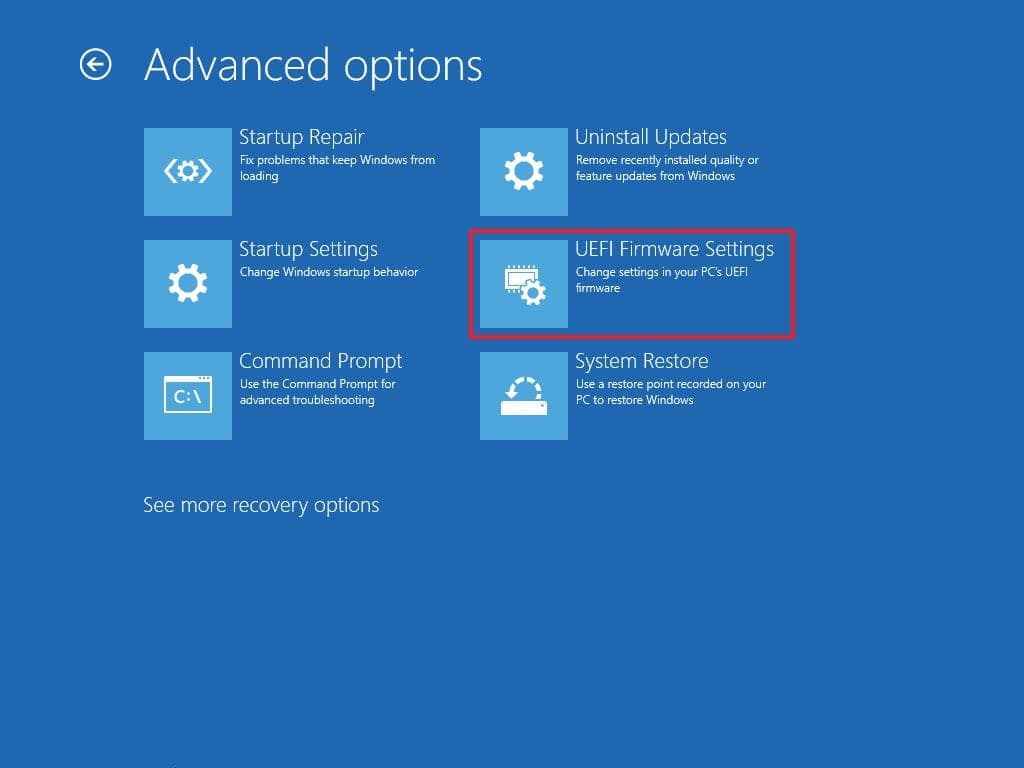
TL;DR When comparing UEFI vs BIOS, UEFI is the modern firmware standard used in almost every new laptop and desktop sold today. It offers faster boot times, better security through Secure Boot, support for drives larger than 2TB, and compatibility with GPT partitioning. Legacy BIOS, while still available on some older systems, lacks many of these capabilities and is mainly relevant for running older operating systems or legacy hardware. Unless you're maintaining an older PC, UEFI is the recommended option for better performance, security, and future compatibility.
What Is the Difference Between UEFI vs BIOS?
Before comparing features, it's important to understand what BIOS and UEFI actually do. Both are firmware interfaces that initialize your computer's hardware when you press the power button. They perform a Power-On Self-Test (POST), detect connected components such as storage drives and memory, and hand control over to the operating system. Without either firmware, your computer would not know how to start Windows or Linux.
Although they perform the same basic function, UEFI vs BIOS represents two different generations of firmware technology. BIOS (Basic Input/Output System) was introduced in the early 1980s and remained the standard for decades. As computers became more powerful and storage devices grew larger, BIOS started showing its limitations. Intel began developing the Extensible Firmware Interface (EFI), which later evolved into the Unified Extensible Firmware Interface (UEFI). Today, virtually every modern Windows laptop ships with UEFI enabled by default.
For most laptop buyers in 2026, the discussion isn't about choosing BIOS or UEFI because almost all new systems already use UEFI. Instead, understanding UEFI vs BIOS helps explain why modern laptops boot faster, support larger SSDs, include stronger security features, and provide better compatibility with Windows 11 and newer hardware.
BIOS vs UEFI at a Glance
| Feature | Legacy BIOS | UEFI |
|---|---|---|
| Release Era | Early 1980s | Modern standard |
| Boot Mode | Legacy | Native UEFI |
| Partition Style | MBR | GPT |
| Maximum Drive Size | Up to 2TB | More than 2TB |
| Secure Boot | No | Yes |
| Graphical Interface | Usually No | Often Yes |
| Mouse Support | Rare | Common |
| Boot Speed | Slower | Faster |
What Is Legacy BIOS?
Legacy BIOS, or Basic Input/Output System, served as the standard firmware for personal computers for nearly three decades. It is stored on a motherboard chip and begins running as soon as the computer powers on. During start-up, BIOS checks whether the processor, RAM, keyboard, storage devices, and other essential hardware are functioning correctly before loading the operating system.
The biggest limitation of Legacy BIOS is its age. It was designed when computers used relatively small hard drives and much simpler hardware. As SSDs, NVMe storage, larger capacities, and modern security requirements became common, BIOS struggled to keep up. It relies on the Master Boot Record (MBR) partitioning scheme, which supports a maximum disk size of approximately 2TB and only four primary partitions.
Despite these limitations, Legacy BIOS still has a place in certain situations. Older desktops, industrial computers, and machines running legacy operating systems may still depend on BIOS compatibility. Some users also enable Legacy Mode temporarily when installing older software or operating systems that don't support UEFI. However, for everyday users purchasing a new laptop, Legacy BIOS is largely a legacy technology rather than a feature to seek out.
When Is Legacy BIOS Still Used?
Legacy BIOS is mostly encountered on older systems manufactured before widespread UEFI adoption. Businesses running specialized industrial software or organizations maintaining legacy hardware may continue using BIOS because upgrading firmware or operating systems could break compatibility with existing applications.
Some enthusiasts also enable Compatibility Support Module (CSM), sometimes called Legacy Mode, within UEFI firmware when installing older operating systems. This allows newer hardware to emulate BIOS behaviour for software that was never designed for UEFI.
For modern consumer laptops such as the Dell XPS 13, HP Spectre x360 14, Lenovo Yoga 9i, ASUS Zenbook S 14, or Apple MacBook Air, Legacy BIOS is no longer part of the normal user experience. These systems are built around UEFI firmware and are optimized for modern operating systems.
| Legacy BIOS Pros | Legacy BIOS Limitations |
|---|---|
| Compatible with older operating systems | Limited to MBR partitioning |
| Works with legacy hardware | Maximum boot drive size of about 2TB |
| Familiar for older PCs | No Secure Boot support |
| Simple firmware | Slower startup process |
| Useful for older software | Limited hardware scalability |
How UEFI and Legacy BIOS Boot Your Laptop Differently
When you press the power button on your laptop, the first software that runs is the firmware. Its job is to initialize the hardware, perform essential system checks, and locate the operating system so Windows or Linux can start. For decades, this role was handled by the Basic Input/Output System (BIOS). Today, almost every modern laptop uses the Unified Extensible Firmware Interface (UEFI), which offers faster start-up times, better security, and support for modern hardware.
Although many people use the terms interchangeably, UEFI vs BIOS is not simply a matter of old versus new. They differ in how they boot the operating system, manage storage drives, handle security, and support modern processors. Understanding these differences is useful whether you're buying a laptop, installing Windows, upgrading an SSD, or troubleshooting boot-related issues.
The shift toward UEFI became necessary as storage capacities increased and operating systems evolved. Legacy BIOS was originally designed decades ago when hardware was far simpler. Today's laptops with NVMe SSDs, GPT-partitioned drives, Secure Boot, and Windows 11 rely on UEFI to unlock their full capabilities. While Legacy BIOS still exists for compatibility with older operating systems and hardware, it is no longer the default option on new consumer laptops.
UEFI vs Legacy BIOS at a Glance
| Feature | UEFI | Legacy BIOS |
|---|---|---|
| Release Era | Modern firmware standard | Traditional firmware |
| Boot Speed | Faster | Slower |
| Partition Style | GPT | MBR |
| Maximum Boot Drive Size | Over 2TB | Up to 2TB |
| Secure Boot | Supported | Not supported |
| Mouse Support | Yes | Usually No |
| Windows 11 Compatibility | Required | Not supported |
Why Modern Laptops Use UEFI Instead of Legacy BIOS
The move from Legacy BIOS to UEFI wasn't simply a software update. It addressed limitations that became increasingly apparent as laptop hardware advanced. Modern processors, larger SSDs, improved security features, and faster boot requirements demanded a more capable firmware platform. This is why virtually every laptop released in recent years ships with UEFI enabled by default.
For everyday users, the biggest advantage is convenience. UEFI significantly reduces boot times by initializing hardware more efficiently than Legacy BIOS. Combined with NVMe SSDs and modern operating systems like Windows 11, laptops can often reach the desktop within seconds. This creates a noticeably smoother experience compared to older systems that relied on Legacy BIOS.
Security is another major reason manufacturers have adopted UEFI. Features such as Secure Boot help verify that trusted software loads during start-up, reducing the risk of certain types of boot-level malware. Since Windows 11 officially requires Secure Boot support for standard installations, UEFI has become essential rather than optional for new PCs.
Modern Laptops That Use UEFI
Nearly every laptop introduced over the last several years ships with UEFI firmware. Examples include:
| Laptop Model | Firmware |
|---|---|
| Apple MacBook Air M4 | UEFI-based firmware |
| Dell XPS 13 (9350) | UEFI |
| HP Spectre x360 14 | UEFI |
| Lenovo Yoga Slim 7i Aura Edition | UEFI |
| ASUS Zenbook 14 OLED (UX3405) | UEFI |
| Acer Swift Go 14 | UEFI |
| MSI Prestige 16 AI Studio | UEFI |
These systems are designed around GPT storage, NVMe SSDs, Secure Boot, and modern operating systems, making Legacy BIOS unnecessary for normal use.
How UEFI and Legacy BIOS Differ During Start-up
Although both firmware systems perform similar tasks, they follow different start-up processes.
Legacy BIOS checks hardware, searches the Master Boot Record (MBR) on the boot drive, and transfers control to the operating system. Since MBR has technical limitations, boot drives are restricted to 2TB and only four primary partitions.
UEFI follows a more flexible approach. Instead of relying on the MBR, it loads boot files stored inside the EFI System Partition on GPT-formatted drives. This makes booting faster and allows support for significantly larger storage devices and many more partitions.
Another practical difference is the interface. Legacy BIOS usually offers a keyboard-only menu with basic configuration options. UEFI typically includes a graphical interface with mouse support, improved diagnostics, firmware updates, and advanced boot management.
Boot Process Comparison
| Step | UEFI | Legacy BIOS |
|---|---|---|
| Hardware Initialization | Yes | Yes |
| Uses EFI System Partition | Yes | No |
| Uses Master Boot Record | No | Yes |
| Supports GPT | Yes | No |
| Supports MBR | Yes (Compatibility Mode) | Yes |
| Graphical Interface | Usually Yes | Rarely |
GPT vs MBR: Why Storage Format Matters
One of the biggest differences in UEFI vs BIOS is the storage partition style they use.
UEFI is designed to work with GUID Partition Table (GPT), while Legacy BIOS primarily boots from Master Boot Record (MBR). GPT removes several limitations found in MBR and is better suited to modern storage devices.
With GPT, users can create many more partitions without relying on extended partitions. More importantly, GPT supports storage capacities far beyond 2TB, making it ideal for today's large SSDs and HDDs. It also stores multiple copies of partition information, improving reliability if corruption occurs.
MBR still functions well on older systems but has become increasingly outdated. Because Windows 11 requires GPT for standard installations, most users installing a modern operating system will naturally use GPT alongside UEFI.
GPT vs MBR Comparison
| Feature | GPT | MBR |
|---|---|---|
| Maximum Drive Size | More than 2TB | Up to 2TB |
| Primary Partitions | Up to 128 (Windows) | Four |
| Error Recovery | Better | Limited |
| Required for Windows 11 | Yes | No |
| Designed For | UEFI | Legacy BIOS |
Security Features Available Only with UEFI
One of the strongest advantages of UEFI is improved security.
Secure Boot verifies digital signatures during start-up to ensure trusted operating system components load before Windows starts. This helps defend against boot-kits and certain malware that attempt to compromise the boot process before antivirus software loads.
UEFI also works closely with TPM (Trusted Platform Module), which stores cryptographic keys used for device encryption and Windows security features. Together, TPM 2.0 and Secure Boot form core requirements for Windows 11.
Legacy BIOS lacks these native security capabilities. While third-party security solutions still protect Windows after start-up, BIOS itself cannot verify software integrity during boot.
Security Comparison
| Security Feature | UEFI | Legacy BIOS |
|---|---|---|
| Secure Boot | Yes | No |
| TPM Integration | Yes | Limited |
| Measured Boot | Supported | No |
| Windows 11 Ready | Yes | No |
Should You Still Use Legacy BIOS?
For most users, the answer is no.
Legacy BIOS remains useful only when running older operating systems or specialized enterprise software that depends on MBR booting. Certain industrial systems and older Linux distributions may also require Legacy BIOS compatibility.
However, if you're buying a laptop in 2026, there's virtually no reason to switch from UEFI to Legacy mode. Doing so may disable Secure Boot, prevent Windows 11 installation, and reduce compatibility with modern storage devices.
Even users upgrading older laptops should consider migrating to GPT and UEFI whenever possible rather than continuing to rely on Legacy BIOS.
Who Should Use Which?
| User | Recommended Firmware |
|---|---|
| Windows 11 Users | UEFI |
| Students | UEFI |
| Office Professionals | UEFI |
| Content Creators | UEFI |
| Gamers | UEFI |
| Legacy Windows 7 Systems | Legacy BIOS (if required) |
Frequently Asked Questions
Q. What is the difference between UEFI and BIOS?
A. BIOS is the traditional firmware standard, while UEFI is its modern replacement that supports faster boot times, GPT storage, Secure Boot, and improved hardware compatibility.
Q. Is UEFI better than Legacy BIOS?
A. Yes. UEFI offers better security, faster start-up, support for larger drives, and compatibility with Windows 11.
Q. Does Windows 11 require UEFI?
A. Yes. Windows 11 requires UEFI firmware with Secure Boot enabled for standard installations.
Q. Can UEFI boot MBR drives?
A. Some systems support Compatibility Support Module (CSM), but UEFI works best with GPT drives.
Q. Can I convert BIOS to UEFI without reinstalling Windows?
A. Yes. Windows includes the MBR2GPT tool that can convert supported installations from MBR to GPT without reinstalling the operating system.
Q. Is GPT required for UEFI?
A. For Windows installations, GPT is the recommended and typically required partition style when using UEFI.
Q. How do I check if my laptop uses UEFI or BIOS?
A. In Windows, open System Information and check the BIOS Mode field. It will display either UEFI or Legacy.
Q. Does UEFI improve gaming performance?
A. No. UEFI doesn't directly increase FPS, but it improves boot speed, storage compatibility, and system security.
Q. Can I disable Secure Boot?
A. Yes, but doing so may reduce system security and can prevent Windows 11 from meeting its recommended security requirements.
Q. Should I buy a laptop with UEFI in 2026?
A. Absolutely. Nearly every modern laptop uses UEFI, and it's essential for Windows 11, NVMe SSDs, GPT storage, and current security standards.
Final Recommendation
When comparing UEFI vs BIOS, UEFI is the clear choice for modern laptops. It delivers faster startup times, stronger security through Secure Boot, support for GPT-partitioned drives larger than 2TB, and full compatibility with Windows 11. These advantages make it the standard firmware across current consumer and business laptops.
Legacy BIOS still has a place when maintaining older systems or running legacy operating systems, but its technical limitations make it unsuitable for most new hardware. If you're buying a laptop in 2026 or upgrading an existing one, choose a system running UEFI with GPT storage enabled. It provides better performance, improved reliability, and ensures your laptop is ready for modern software and future hardware upgrades.
Ready to upgrade your tech?
Browse our collection of quality refurbished products at unbeatable prices.