Smart Glasses vs Smartwatches: Which Wearable Is More Useful?
Smart glasses and smartwatches solve different problems. Smart glasses focus on hands-free AI, audio, cameras and information, while smartwatches are stronger for health, fitness, notifications and everyday connectivity.

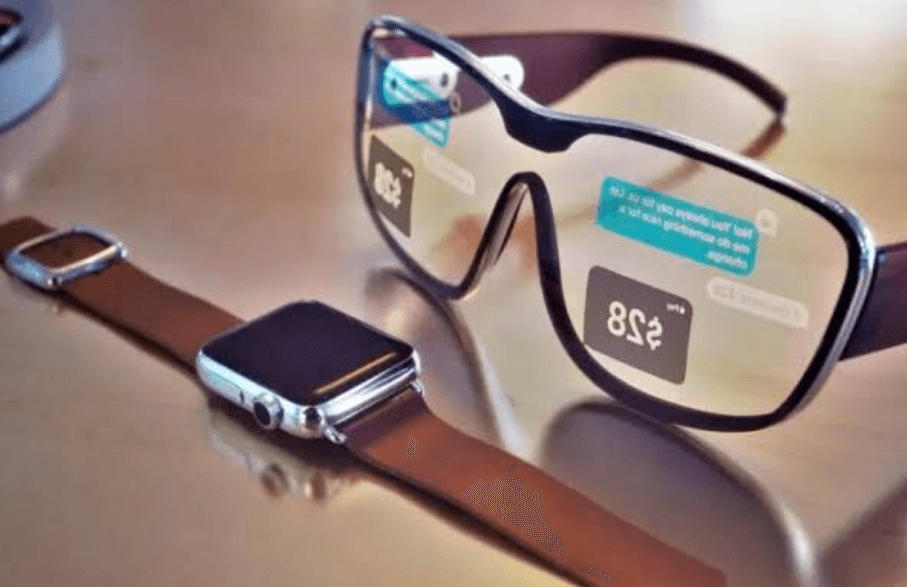
TL;DR Smart glasses and smartwatches are becoming more useful in 2026, but they are designed around very different ideas. Smart glasses put technology closer to your eyes and ears, making hands-free AI, calls, audio, photography, and real-time assistance possible without reaching for your phone. Smartwatches, meanwhile, keep a small computer on your wrist, where notifications, fitness tracking, health measurements, GPS and quick controls are easier to access throughout the day. The choice therefore depends less on which wearable is more advanced and more on what you actually want the device to do. For most people, a smartwatch remains the more practical everyday wearable, while smart glasses become more compelling if hands-free interaction, AI and first-person content capture are priorities.
What Are Smart Glasses And Smartwatches?
Smart glasses are essentially wearable computers built into an eyeglass frame. The category now includes several different types, from AI glasses with cameras and speakers to display-equipped glasses designed to put digital information in your field of view. The Ray-Ban Meta Gen 2 is a useful example of the AI-glasses approach. It combines a 12MP ultra-wide camera, open-ear speakers, microphones, touch controls and Meta AI, allowing users to take photos, record video, make calls, listen to audio and ask questions without taking out a phone. Ray-Ban lists up to eight hours of battery life for Gen 2, although actual endurance depends on usage.
Smartwatches take a different approach by placing a small touchscreen and a collection of sensors on your wrist. Modern watches can handle notifications, calls, music controls, navigation, workouts and health tracking while remaining connected to a smartphone or, on some cellular models, operating more independently. The Apple Watch Series 11, for example, includes ECG, heart-rate monitoring, sleep tracking, temperature sensing, GPS-related features and hypertension notifications, while offering up to 24 hours of normal use according to Apple.
The difference becomes clearer when you use both devices. Glasses are designed to reduce the need to look down at a screen, whereas watches give you a small screen that you can deliberately check. That makes glasses particularly interesting for hands-free situations such as walking, traveling, taking photos or asking an AI assistant about something you can see. A smartwatch is generally more useful when you need to read a notification, check a workout metric, view a timer, control music or interact with an app quickly.
Smart Glasses Vs Smartwatches At A Glance
| Feature | Smart Glasses | Smartwatches |
|---|---|---|
| Primary interaction | Voice, touch, audio, camera | Touch, voice, buttons, gestures |
| AI assistance | Strong on newer AI glasses | Increasingly common |
| Health tracking | Limited on most models | Major strength |
| Fitness tracking | Limited | Strong |
| Photography | Available on camera models | Usually limited |
| Notifications | Mostly audio or companion-phone based | Strong |
| GPS | Usually phone-dependent | Available on many models |
| Display | Depends on model | Standard feature |
| Privacy concerns | Higher for camera-equipped models | Generally lower |
| Battery | Often several hours to multiple days depending on type | Usually around one to several days |
| Best use | Hands-free assistance and capture | Health, fitness and everyday connectivity |
Smart Glasses Are Better For Hands-Free AI And Audio
The biggest advantage of smart glasses is that they can make technology feel less intrusive. Instead of pulling out your phone to ask a question, take a picture or start a call, you can use voice commands while continuing what you are doing. Ray-Ban Meta Gen 2 supports Meta AI, hands-free photography, calls, messages, media controls, and live translation features in supported markets. Its open-ear speakers also allow you to listen while remaining aware of surrounding sounds.
That hands-free design becomes particularly useful while traveling. Imagine walking through a new city and wanting information about a landmark. With compatible AI glasses, you can ask the assistant to identify what you are looking at rather than stopping, unlocking your phone, and taking a photograph manually. The glasses can also be useful for capturing short videos from your own perspective, which is different from holding a smartphone at arm's length. These capabilities make smart glasses feel more natural in situations where using a phone would interrupt what you are doing.
There is also an accessibility angle that should not be ignored. Hands-free audio prompts, camera-based visual assistance and voice interaction can make some everyday tasks easier for people who have difficulty using conventional screens. However, the technology is still developing, and availability varies by country, phone compatibility and software version. Smart glasses should therefore be viewed as a useful companion device rather than a complete replacement for a smartphone.
Where Smart Glasses Still Fall Short
The biggest limitation is that not every smart-glasses product actually has a display. Ray-Ban Meta Gen 2, for example, is primarily an AI, camera and audio product rather than a conventional augmented-reality display. It can provide voice responses and capture information, but it does not put a full smartphone-style interface in front of your eyes. Buyers should therefore check whether they are purchasing AI glasses, display glasses or a more advanced AR product before comparing features.
Battery life is another consideration. Ray-Ban Meta Gen 2 is rated for up to eight hours of battery life, but camera recording, calls, audio and AI use can affect real-world endurance. The charging case helps extend usage, but you still need to remember to charge both the glasses and case.
Privacy is perhaps the most important difference. Camera-equipped glasses can record people and surroundings from a first-person perspective, which can make people uncomfortable even when the wearer is using the device legitimately. Ray-Ban Meta includes a capture LED to indicate when photos or videos are being recorded, but privacy concerns surrounding camera-equipped smart glasses remain a major part of the wider conversation. Recent reporting has highlighted growing public and regulatory concerns about recording in public spaces.
Smartwatches Are Better For Health And Fitness Tracking
If health and fitness are your main priorities, a smartwatch is usually the stronger choice. Watches sit directly against the wrist and can continuously collect data from optical heart-rate sensors, accelerometers, gyroscopes, temperature sensors and, on some models, electrical heart sensors. The Apple Watch Series 11, for example, supports ECG, heart-rate notifications, sleep tracking, sleep-apnea notifications and hypertension notifications.
Google's Pixel Watch 4 shows how the smartwatch category is also becoming increasingly AI-driven. It offers sleep and fitness tracking, dual-frequency GPS, heart-rate monitoring, SpO2 and other health metrics, while Google also integrates Gemini into the watch experience. Google says the Pixel Watch 4 can provide up to 30 hours of battery life in the 41mm model and up to 40 hours in the 45mm model.
The advantage is not simply the number of sensors. A smartwatch can turn those measurements into trends and notifications that you can check throughout the day. You can see workout information during exercise, review sleep information in the morning, receive heart-rate alerts and use GPS while running or walking. For someone trying to become more active or monitor everyday fitness habits, this makes a smartwatch substantially more useful than most smart glasses.
Notifications And Everyday Convenience
Smartwatches also have an advantage when it comes to notifications. A quick glance at your wrist can tell you whether a message requires an immediate response without forcing you to pick up your phone. You can often dismiss notifications, control music, check a calendar appointment, set a timer or respond to supported messages directly from the watch.
That small-screen interaction is particularly useful because it is deliberate. You can quickly check information without unlocking a large smartphone screen and getting distracted by other apps. For office workers, students and commuters, that can make a smartwatch a surprisingly practical everyday accessory. The watch essentially becomes a filter between you and your phone.
Smart glasses can handle some of these tasks through voice and audio, but they are not as good when you need to visually scan information. Reading a long message, checking a detailed calendar entry or navigating a list is generally easier on a watch or phone. This is one reason the smartwatch remains the more versatile general-purpose wearable for most users.
Smart Glasses Vs Smartwatches For Battery And Comfort
Battery life is complicated because the two categories are used differently. A smartwatch is expected to monitor activity, sleep, notifications and other functions continuously, so charging every day or every few days is normal depending on the model. Apple rates the Series 11 for up to 24 hours of normal use and up to 38 hours in Low Power Mode. Google rates the Pixel Watch 4 for up to 40 hours on its larger 45mm model.
Smart glasses can sometimes last longer when they are used mainly for occasional audio and AI tasks, but camera recording and continuous audio can consume power quickly. Ray-Ban Meta Gen 2 is rated for up to eight hours, while its charging case extends total usage substantially. This means smart glasses may be easier to use casually throughout a day, but heavy camera and AI use can make battery management important.
Comfort also depends heavily on the individual. A smartwatch adds weight and pressure to your wrist, while smart glasses add electronics to something you may already wear. Prescription users may find smart glasses particularly attractive because some models are designed around conventional eyewear styles. However, glasses can feel heavier than normal frames, and users who do not normally wear glasses may take time to adjust to wearing them throughout the day.
Which Wearable Is Easier To Live With?
| Factor | Smart Glasses | Smartwatches |
| Daily comfort | Depends on frame and weight | Depends on case size and strap |
| Charging frequency | Several hours to multiple days depending on model | Usually daily or every few days |
| Phone dependency | Often significant | Varies by model |
| Sleep tracking | Rare | Common |
| Workout tracking | Limited | Strong |
| Hands-free use | Excellent | Moderate |
| Screen interaction | Limited or model-dependent | Excellent for quick tasks |
| Social acceptance | Still developing | Widely established |
Smart Glasses Vs Smartwatches For Privacy And Social Use
Privacy is one area where smart glasses deserve more careful consideration. A smartwatch is visible on your wrist, and most people understand what it is doing. Camera-equipped glasses are different because the camera is integrated into an ordinary-looking frame. Even when an indicator light is used, people around the wearer may not immediately know whether recording is happening or how the footage will be used.
This concern is not theoretical. Recent coverage has documented increasing debate around camera-equipped AI glasses, including concerns about covert recording and public consent. At the same time, the technology can provide genuine benefits, including accessibility features, hands-free documentation and AI assistance. The challenge is finding a balance between useful functionality and reasonable expectations of privacy.
Smartwatches generally create fewer of these social concerns because their sensors are primarily focused on the wearer. They can still collect sensitive health and location information, so privacy settings and account security matter, but the device is less likely to record people around you. If you frequently attend classrooms, offices, meetings or other environments where recording may be restricted, a smartwatch is usually the less controversial wearable.
The Social Factor Matters
A wearable can be technically impressive and still be inconvenient if people around you are uncomfortable with it. Smart glasses are still relatively new, and camera-equipped designs can attract more attention than a conventional watch. Some venues may also restrict cameras or recording devices, making it important to check local rules and venue policies.
This is particularly relevant for travellers. Recording laws and expectations differ across countries and locations, and consent requirements can vary. The safest approach is to treat smart glasses with a camera like any other recording device and avoid recording people or private spaces without appropriate permission.
For users who want technology that largely stays personal, a smartwatch is the easier choice. It provides extensive functionality without putting a camera at eye level, which makes it less noticeable in everyday social situations.
Which Wearable Is More Useful For Different Users?
The answer changes significantly depending on your routine. A fitness-focused user who runs, cycles or goes to the gym will get much more value from a smartwatch because GPS, heart-rate tracking, workout recording and health trends are central to the experience. The same applies to someone who wants notifications, alarms, timers and quick phone controls without constantly reaching for a smartphone.
A traveller, content creator or accessibility-focused user may find smart glasses more interesting. Hands-free photography, open-ear audio, voice assistance and camera-based AI can make them genuinely useful while moving through unfamiliar places. Ray-Ban Meta Gen 2, for example, can use its camera with Meta AI to identify things and translate signs, while also allowing hands-free calls, messages and media controls.
There is also a third group that may benefit from owning both. The devices do not necessarily compete directly because they sit in different places on your body and solve different problems. A smartwatch can handle health, notifications and fitness, while smart glasses can handle audio, AI and hands-free capture. If your budget allows it and you genuinely use those functions, the combination can be more useful than choosing one device to do everything.
Best Wearable By Use Case
| User Type | Better Choice | Why |
| Fitness enthusiast | Smartwatch | GPS, workouts and health sensors |
| Runner or cyclist | Smartwatch | Workout and route tracking |
| Frequent traveler | Smart Glasses | Hands-free AI, translation and capture |
| Content creator | Smart Glasses | First-person photo and video capture |
| Health-conscious user | Smartwatch | Health and sleep tracking |
| Office worker | Smartwatch | Notifications, calendar and quick controls |
| Accessibility-focused user | Smart Glasses | Hands-free audio and visual assistance |
| Privacy-conscious user | Smartwatch | Fewer camera-related concerns |
| Audio listener | Smart Glasses | Open-ear audio without earbuds |
| General everyday user | Smartwatch | Broader practical functionality |
Smart Glasses Vs Smartwatches: Which Should You Buy?
For most people, a smartwatch is still the more useful wearable in 2026. It covers more everyday situations, from fitness tracking and sleep monitoring to notifications, timers, calls and navigation. Current models such as the Apple Watch Series 11 and Google Pixel Watch 4 show how mature the category has become, with extensive health sensors, GPS, fitness tools and increasingly capable AI features.
Smart glasses are more specialised, but that does not mean they are less interesting. Their biggest strength is reducing friction between you and technology. Instead of looking down at a phone, you can ask an AI assistant a question, listen to a response, capture a first-person video or make a call while keeping your hands free. Ray-Ban Meta Gen 2 demonstrates how quickly this category is moving, particularly with its 12MP camera, 3K video capability, Meta AI and open-ear audio.
The key is to avoid buying smart glasses simply because they look futuristic. If your priority is health, fitness, notifications and reliable everyday utility, buy a smartwatch. If your priority is hands-free AI, photography, audio and first-person interaction, smart glasses are the more interesting choice. If you want both types of functionality and can justify the cost, they can complement each other rather than replace one another.
Frequently Asked Questions
Q. Are smart glasses better than smartwatches?
No single wearable is better for everyone. Smart glasses are better for hands-free AI, audio, photography and first-person interaction, while smartwatches are better for health tracking, fitness, notifications and quick everyday controls. For most users, a smartwatch remains the more practical first wearable.
Q. Can smart glasses replace a smartwatch?
Usually not. Most smart glasses do not offer the same depth of health, fitness, sleep and workout tracking available on modern smartwatches. They are better viewed as a companion device that handles hands-free tasks rather than a complete replacement for a watch.
Q. Can smart glasses track health and fitness?
Some smart glasses can support fitness-related experiences through software or connected services, but health tracking is not their primary strength. Smartwatches have dedicated sensors and features for heart rate, workouts, sleep and other health metrics, making them the better choice for health-focused users.
Q. Do smart glasses need a smartphone?
Many smart glasses rely heavily on a connected smartphone for setup, connectivity, apps and some features. Ray-Ban Meta Gen 2, for example, requires a compatible smartphone, the Meta AI app and an internet connection for its broader experience.
Q. Are smart glasses useful for travel?
Yes. Travel is one of the more compelling use cases because compatible AI glasses can provide hands-free assistance, audio, photography and translation. Ray-Ban Meta Gen 2 supports features such as asking about landmarks and live translation in supported languages and markets.
Q. Which wearable has better battery life?
It depends on the model and how you use it. Ray-Ban Meta Gen 2 is rated for up to eight hours, while Apple Watch Series 11 is rated for up to 24 hours of normal use and Pixel Watch 4 can reach up to 40 hours on the 45mm model. These figures are manufacturer ratings and should not be treated as identical real-world tests.
Q. Are smart glasses safe to use in public?
They can be used responsibly, but camera-equipped models require more awareness of privacy and consent. Always respect local laws, venue rules and the privacy of people around you. The presence of a recording indicator does not remove the need to use the camera responsibly.
Q. Are smart glasses good for listening to music?
Yes. AI glasses such as Ray-Ban Meta Gen 2 include open-ear speakers, allowing you to listen to music, podcasts and calls while remaining aware of your surroundings. They are particularly useful for people who want audio without wearing conventional earbuds.
Q. Which wearable is better for workouts?
A smartwatch is the better choice for workouts. Dedicated GPS, heart-rate sensors, workout modes and fitness analysis make watches substantially more capable for running, cycling, gym sessions and other structured activities. The Pixel Watch 4 and Apple Watch Series 11 are examples of current watches built around these capabilities.
Q. Should I buy both a smartwatch and smart glasses?
You can, if you have clear uses for both. A smartwatch can handle health tracking, workouts and notifications, while smart glasses can handle hands-free AI, audio and camera functions. For most buyers, however, it makes more sense to buy a smartwatch first and add smart glasses later if their specific features would genuinely improve your routine.
Final Recommendation
If you are buying only one wearable in 2026, a smartwatch is the safer recommendation for most people because it offers a broader mix of health, fitness, notifications and everyday functionality. Smart glasses are the more exciting choice if you specifically want hands-free AI, open-ear audio, photography and visual assistance. The two categories are therefore less about replacing each other and more about solving different problems.
For a first-time wearable buyer, start with a smartwatch if you want practical value every day. Choose smart glasses if you already have a smartwatch or do not care much about health tracking and instead want a more natural way to interact with AI and capture the world around you. The best wearable is ultimately the one that removes a repeated annoyance from your daily routine rather than the one with the most futuristic feature list.