Sigma fp2: The Pocket-Sized Full-Frame Camera Explained
The Sigma fp2 packs a 24.5MP full-frame sensor, improved autofocus, 6K OpenGate video, 20fps shooting and 70GB internal storage into an ultra-compact body.

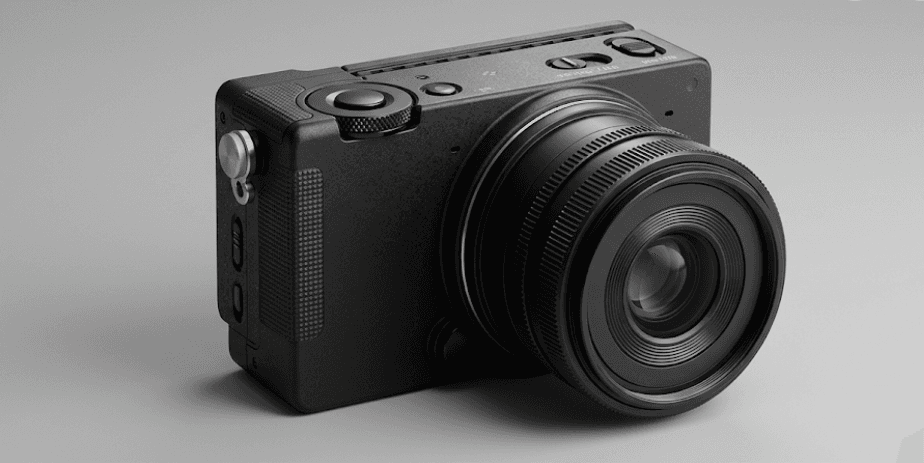
TL;DR: The Sigma fp2 is a new ultra-compact full-frame mirrorless camera that packs a 24.5MP partially stacked sensor, improved autofocus, 6K OpenGate video, internal 70GB storage, and up to 20fps continuous shooting into a remarkably small body. It keeps the modular philosophy of the original Sigma fp but addresses several of its biggest weaknesses with a tilting display, a larger battery, faster sensor readout, and more advanced subject detection. The catch is that it remains a specialist camera: there is no mechanical shutter or in-body image stabilization, and its compact body makes the camera most appealing to photographers and filmmakers who value portability and modularity over an all-in-one shooting experience.
What Is The Sigma fp2?
The Sigma fp2 is the second-generation model in Sigma's fp series, built around the same unusual idea that made the original fp stand out: put a full-frame sensor and serious video capabilities into an exceptionally small interchangeable-lens camera. Sigma describes it as "Small, Powerful, Adaptable," and that is a fairly accurate summary of what the camera is trying to achieve. It is designed to work as both a stills camera and a compact cinema camera rather than fitting neatly into one category.
The fp2 uses a 35mm full-frame, 24.5MP partially stacked CMOS sensor and an L-Mount. That means buyers can use compatible Sigma, Panasonic, Leica and other L-Mount lenses rather than being locked into a single manufacturer's lens range. The camera also supports 14-bit DNG RAW for still photography, while video options include Apple ProRes RAW, H.264, H.265 and L-Log.
What makes the fp2 unusual is how much functionality Sigma has squeezed into the body. It measures approximately 112.8 × 69.9 × 41.8 mm and weighs about 460g with its battery and SD card. Sigma calls it the world's smallest full-frame interchangeable-lens camera as of October 2026. That does not mean a complete camera-and-lens kit will literally fit into every pocket, but the body itself is remarkably compact for a full-frame interchangeable-lens model.
Sigma fp2 Specifications At A Glance
The fp2's specification sheet makes it clear that this is not simply a cosmetic update to the original fp. Sigma has changed the sensor architecture, autofocus system, display, battery, storage and video capabilities while retaining the compact body that defines the series.
| Specification | Sigma fp2 |
|---|---|
| Camera type | Full-frame mirrorless |
| Sensor | 35mm partially stacked CMOS |
| Effective resolution | Approx. 24.5MP |
| Lens mount | L-Mount |
| Internal storage | Approx. 70GB |
| External storage | SDXC UHS-II, portable SSD |
| Maximum still burst | Approx. 20fps |
| Maximum video resolution | 6K |
| Video highlight | 6K OpenGate |
| Display | 3.15-inch, 2.1M-dot tilting touchscreen |
| Display movement | Up 90°, down 45° |
| Stabilization | Electronic image stabilization for video only |
| Shutter | Electronic |
| Battery rating | Approx. 370 still images |
| Body weight | Approx. 376g |
| Weight with battery/card | Approx. 460g |
| Dimensions | Approx. 112.8 × 69.9 × 41.8mm |
The important thing here is that the fp2 is small without being stripped down. It has an SD card slot, internal storage, USB-C connectivity, HDMI, external microphone support and headphone monitoring through USB. It can also record directly to a portable SSD, which is particularly useful for video workflows involving large files.
There is one important distinction to remember when looking at the weight. Sigma lists the camera body itself at approximately 376g, while the approximately 460g figure includes the battery and SD card. Once you attach a full-frame lens, grip, viewfinder or other accessories, the complete setup will obviously be heavier. That is why "pocket-sized" is best understood as a description of the camera body rather than a promise that every possible configuration is pocket-friendly.
A Full-Frame Sensor In A Tiny Body
The biggest attraction of the fp2 is arguably the combination of a full-frame sensor and such a compact body. A full-frame sensor is physically larger than the APS-C and Micro Four Thirds sensors found in many smaller interchangeable-lens cameras. Combined with an appropriate lens, that larger sensor can provide the shallow depth of field and low-light flexibility that many photographers associate with full-frame cameras.
Sigma has equipped the fp2 with a 24.5MP partially stacked CMOS sensor. The "partially stacked" design is important because it is intended to increase readout speed without requiring the more complex construction of a fully stacked sensor. Faster readout matters for both still photography and video because it can reduce the distortion associated with rolling shutter. Sigma specifically says the faster sensor readout improves rolling-shutter performance and enables faster continuous shooting and high-frame-rate video.
The camera offers a maximum continuous shooting speed of approximately 20fps, with up to 200 JPEG frames or 180 DNG frames at that speed according to Sigma's specifications. That is a substantial jump from what you might expect from a minimalist camera of this size. It also makes the fp2 more credible for action, street and event photography, although lens choice and the electronic-only shutter still need to be considered.
Autofocus Gets A Major Upgrade
Autofocus was one of the areas where the original fp was less competitive with newer mirrorless cameras. The fp2 addresses that with an image-plane phase-detection and contrast-detection AF system. It supports single AF, continuous AF, tracking AF and manual focus, along with subject tracking and eye-detection functions.
The camera can recognize people, dogs, cats and birds, with Sigma specifically highlighting bird detection as a new addition. Sigma also states that the system improves focusing accuracy, speed and low-light performance compared with the previous generation. This should make the fp2 considerably easier to use for moving subjects than the original fp.
That said, improved autofocus does not suddenly turn the fp2 into a traditional sports-focused camera. The body is still designed around a modular approach, and its electronic-only shutter remains relevant when photographing fast movement. The faster sensor readout should help reduce rolling-shutter effects, but photographers shooting very fast action should still understand the limitations of electronic shutter systems.
The Tilting Screen Finally Adds Flexibility
The original fp's fixed rear screen was one of the clearest compromises of its minimalist design. The fp2 changes that with a 3.15-inch, approximately 2.1-million-dot tilting LCD touchscreen. It can tilt upward by approximately 90 degrees and downward by 45 degrees.
That small change makes the camera much more flexible in everyday use. Low-angle photography becomes easier because you can tilt the display upward instead of crouching down to see it. Similarly, shooting from above becomes more comfortable because the screen can tilt downward. For filmmakers working with a rig or tripod, the flexibility can also make monitoring from different positions more practical.
The fp2 still does not have a built-in electronic viewfinder. Instead, Sigma offers the optional EVF-21, which attaches through USB-C and features a tilting mechanism. This follows the fp series' modular philosophy: buy the viewfinder when you need one and leave it behind when portability matters more.
Built For Video As Much As Photography
The fp2 becomes especially interesting when you switch from stills to video. Sigma has included a dedicated physical switch that lets users move between STILL and CINE modes, with each mode having its own interface and workflow. That makes the camera feel less like a still camera with video added as an afterthought.
The headline feature is 6K OpenGate recording. OpenGate uses the sensor area more extensively than conventional widescreen recording, giving creators greater flexibility when producing content for different aspect ratios. A single source recording can be reframed for different platforms and delivery formats during editing, which can be useful for filmmakers and creators producing both horizontal and vertical content.
The fp2 also supports Apple ProRes RAW, H.264, H.265 and L-Log. Sigma specifies up to 6K recording at frame rates including 23.98, 24, 25, 29.97, 47.95, 48, 50 and 59.94fps depending on the recording format, with certain high-frame-rate modes available at lower resolutions or in crop mode. It also supports 32-bit float audio when used with the required optional accessories, including the HU-21 hot shoe unit and compatible Panasonic audio equipment.
70GB Of Internal Storage Is A Big Deal
One of the fp2's more practical additions is approximately 70GB of internal storage. In addition to the internal memory, the camera accepts SDXC cards supporting UHS-II and can record to a portable SSD through USB.
Internal storage is particularly useful when you run out of card space unexpectedly. Sigma says the camera can continue recording to its internal memory when the memory card is full, providing an additional safety net. For photographers, this can be a convenient backup capacity; for filmmakers, however, high-resolution video can consume storage extremely quickly, so an SD card or external SSD will still be important for longer shoots.
The SSD support also fits the camera's cinema-oriented design. Instead of forcing creators to work with only removable cards, the fp2 can become part of a more flexible external-recording setup. This is one reason the camera makes more sense as a modular filmmaking tool than as a conventional point-and-shoot replacement.
Battery Life Is Better, But Size Still Matters
The fp2 uses a larger battery than the original fp and is rated for approximately 370 still images or about 130 minutes of video recording under Sigma's stated conditions. Sigma says this represents roughly a 30% improvement in battery life compared with the original fp.
That is a welcome improvement because the original fp's compact design came with compromises, including relatively limited battery endurance. A larger battery makes the fp2 more practical for travel, documentary work and longer shooting sessions without fundamentally changing the camera's compact philosophy.
Still, battery ratings should not be interpreted as a guarantee of real-world recording time. High-resolution video, continuous autofocus, an external SSD, a viewfinder and other accessories can increase power consumption. Anyone using the fp2 for a full day of video production should carry spare batteries or plan for USB power.
What The Sigma fp2 Does Not Have
The fp2's small size comes with some clear compromises. The camera uses an electronic shutter rather than a mechanical shutter, and it does not have sensor-based in-body image stabilization. Sigma provides electronic image stabilization for video, but that is not the same thing as having physical sensor-shift stabilization for still photography.
This matters if you regularly shoot handheld in low light or want a stabilized camera-and-lens combination without relying on stabilized lenses. DPReview also identifies the lack of in-body stabilization as one of the limitations that can make the fp2 less suitable as an everyday all-purpose camera. Small stabilized primes or lenses with optical stabilization can therefore make a more sensible pairing depending on how you plan to use the camera.
The other consideration is ergonomics. The bare fp2 is intentionally minimalist, but a serious setup can quickly become more complicated once you add a grip, external viewfinder, SSD, microphone, monitor or other accessories. That is not necessarily a flaw. It is simply the price of the camera's modular concept. The fp2 works best when you build it around your specific shooting style instead of expecting it to behave like a conventional DSLR-style camera.
Who Should Buy The Sigma fp2?
The fp2 makes the most sense for photographers and filmmakers who value small size, full-frame image quality and modularity. Street photographers can pair it with a compact prime and keep the setup relatively discreet. Travel photographers can remove accessories when they want to keep the kit light. Filmmakers can build it into a rig with an SSD, monitor, audio equipment and a suitable lens.
It is also an interesting option for creators who shoot multiple types of content. The dedicated STILL and CINE modes, 6K OpenGate recording, ProRes RAW support, external recording and professional monitoring tools give the fp2 considerably more video potential than its tiny body suggests.
However, someone looking for a simple everyday camera with built-in stabilization, a built-in viewfinder and conventional ergonomics may find the fp2 unnecessarily specialized. A larger mirrorless camera may actually be easier to use, particularly with larger lenses. The fp2 is not trying to win that battle. Its appeal comes from doing a lot while taking up very little space.
| Best For | Why It Makes Sense |
|---|---|
| Travel photographers | Full-frame capability in a very compact body |
| Street photographers | Small, minimalist camera design |
| Filmmakers | 6K OpenGate, ProRes RAW and Cine mode |
| Content creators | Flexible video formats and external recording |
| Documentary shooters | Compact modular setup |
| Studio users | Small body can integrate into a larger rig |
| Casual users | Less compelling due to its specialized design |
Sigma fp2 Vs The Original Sigma fp
The fp2 is not merely a refreshed version of the original fp. The original model used a 24.6MP full-frame back-illuminated CMOS sensor, weighed about 422g with battery and SD card, and had a fixed rear display. It became known for its exceptionally compact body and video capabilities but required users to accept several compromises.
The fp2 keeps the same broad philosophy while making several practical improvements. It moves to a 24.5MP partially stacked sensor, adds phase-detection autofocus, introduces bird subject detection, gains a tilting display, increases internal storage to 70GB and offers a larger battery. Continuous shooting also rises to approximately 20fps.
The result is a camera that feels much more usable for still photography while remaining heavily focused on video. If the original fp was a fascinating specialist tool, the fp2 is a more mature version of the same idea. It still asks photographers to accept certain compromises, but fewer of those compromises feel like they are simply there because the technology was not ready.
Final Recommendation
The Sigma fp2 is one of those cameras where the headline specification only tells half the story. Yes, it has a 24.5MP full-frame sensor, 20fps shooting, improved autofocus, 6K OpenGate video and 70GB of internal storage. But its real appeal is the way those capabilities are packed into a body that remains exceptionally small.
For photographers who want maximum image-making capability in minimum physical space, the fp2 is a genuinely compelling option. It is especially attractive to travellers, street photographers, filmmakers and hybrid shooters who are comfortable building a camera around their own workflow. The optional viewfinder, grip, SSD and other accessories allow the same core body to move from lightweight stills kit to a more serious cinema setup.
The biggest caveat is that "pocket-sized full-frame camera" should not be interpreted as "pocket-sized complete camera system." Add a fast full-frame lens, viewfinder, grip and video accessories, and the setup becomes substantially larger. The fp2 also lacks in-body stabilization and a mechanical shutter, which means it is not the universal choice for every photographer. But if your priority is full-frame capability, serious video features and modular portability, the Sigma fp2 is one of the most distinctive cameras to watch in 2026. Sigma has announced availability from November 11, 2026, so at the time of publication it should be treated as an upcoming launch rather than an already widely available camera.
Frequently Asked Questions
Q. What is the Sigma fp2?
The Sigma fp2 is a compact full-frame interchangeable-lens mirrorless camera designed for both still photography and professional-oriented video production.
Q. How many megapixels does the Sigma fp2 have?
It has an approximately 24.5MP full-frame partially stacked CMOS sensor.
Q. Is the Sigma fp2 a full-frame camera?
Yes. It uses a 35mm full-frame sensor measuring approximately 35.9 × 23.9mm.
Q. Does the Sigma fp2 have image stabilization?
It does not have in-body image stabilization. Sigma provides electronic image stabilization for video, while stabilization for still photography depends on the lens or shooting technique.
Q. Does the Sigma fp2 have a viewfinder?
The camera does not have a built-in electronic viewfinder. Sigma offers the optional EVF-21, which attaches externally and can tilt upward.
Q. Can the Sigma fp2 record 6K video?
Yes. It supports 6K recording and 6K OpenGate, with available frame rates depending on the selected recording format.
Q. How much internal storage does the Sigma fp2 have?
The fp2 has approximately 70GB of internal storage. It also supports UHS-II SDXC cards and recording to a portable SSD.
Q. How fast can the Sigma fp2 shoot continuously?
It can shoot at up to approximately 20 frames per second, with Sigma specifying up to 200 JPEG frames or 180 DNG frames at that speed.
Q. Is the Sigma fp2 good for filmmaking?
Yes. Its 6K OpenGate recording, ProRes RAW support, Cine mode, external SSD recording, professional monitoring tools and optional advanced audio setup make it particularly well suited to video production.
Q. When will the Sigma fp2 be available?
Sigma has announced a launch date of November 11, 2026. Availability and regional pricing can vary, so buyers should check local Sigma-authorized sellers around launch.
Ready to upgrade your tech?
Browse our collection of quality refurbished products at unbeatable prices.