
Samsung Galaxy S26 Ultra: Upgrade or Downgrade?
Samsung Galaxy S26 Ultra brings improved cameras, AI features, battery efficiency, and a new privacy display technology. Explore its specifications, display tradeoffs, design changes, and how it improves over the S25 Ultra.

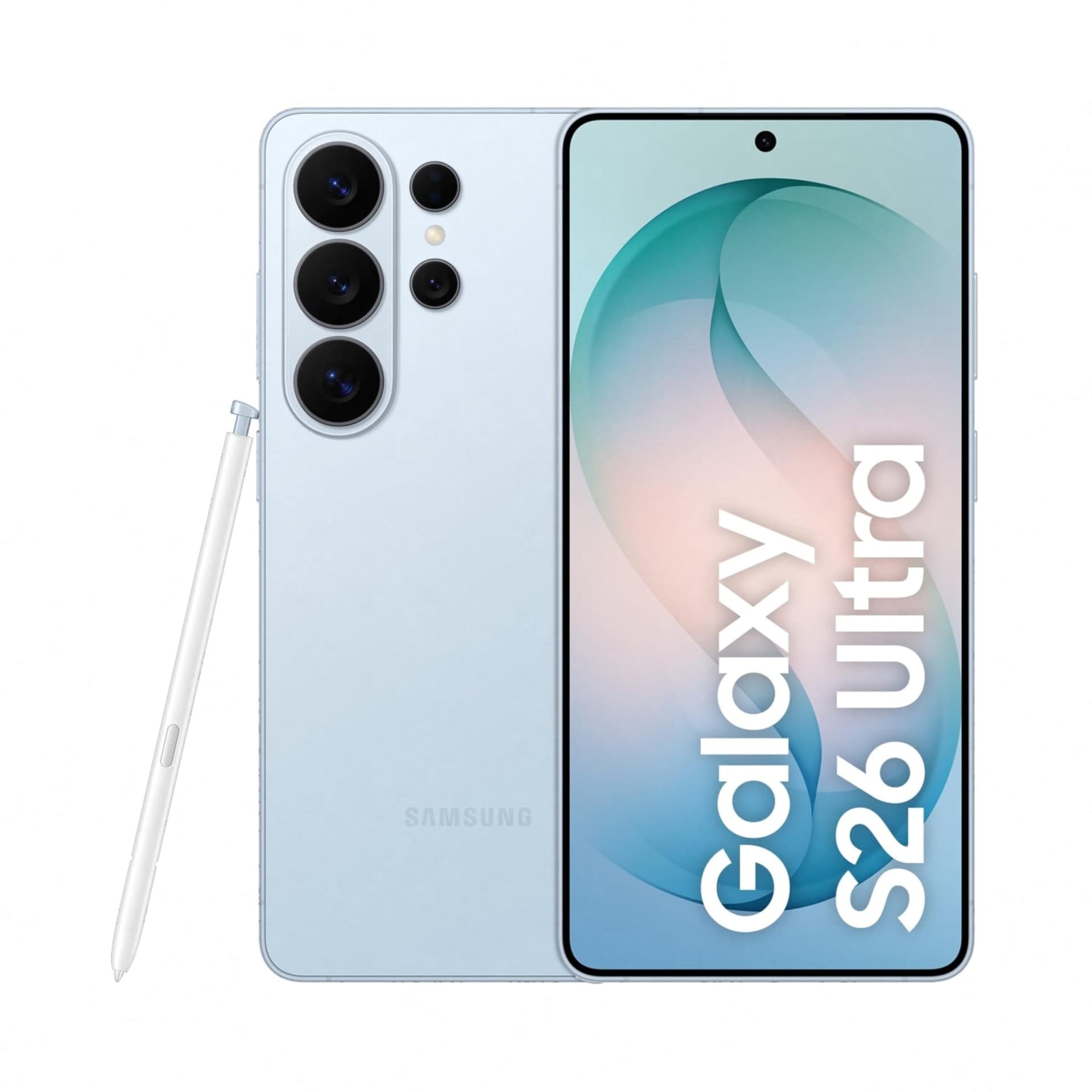
TL;DR The Samsung Galaxy S26 Ultra is Samsung’s flagship smartphone for 2026 and improves nearly every aspect of the S25 Ultra. It features a 6.9 inch Dynamic AMOLED display, Snapdragon 8 Elite Gen 5 processor, up to 16GB RAM, and a powerful camera system led by a 200MP main sensor. The biggest innovation is Samsung’s built in Privacy Display, which limits viewing angles to protect sensitive content and can be configured for specific apps. Users can even adjust how much of the display participates in privacy filtering, though this slightly affects brightness and resolution. Overall, the S26 Ultra refines cameras, battery life, AI features, and user experience compared with the previous generation.
Samsung Galaxy S26 Ultra Overview
The Samsung Galaxy S26 Ultra represents the company’s flagship smartphone for 2026 and continues the long standing philosophy of the Ultra series. Rather than reinventing the entire device every year, Samsung usually focuses on refining the strengths of the previous generation. The Galaxy S25 Ultra already delivered one of the best smartphone experiences in the Android ecosystem, so the S26 Ultra builds on that strong foundation with improvements in performance, camera processing, artificial intelligence features, and display technology. These upgrades make the device feel more polished and capable while maintaining the familiar design language that users already recognize from recent Ultra models.
Samsung positions the Galaxy S26 Ultra as a premium device designed for users who want the most advanced smartphone features available. The device focuses heavily on three core areas: display quality, camera performance, and AI powered software features. The Ultra lineup has always been Samsung’s showcase for its most ambitious hardware innovations, and the S26 Ultra continues that tradition. The phone introduces a new built in privacy display technology while also refining areas such as battery efficiency, processor performance, and photography capabilities.
Although the overall design remains familiar, the improvements become noticeable when you examine the details of the device. The processor is faster, the camera system captures better images in challenging lighting conditions, and the user interface introduces smarter AI powered tools. Samsung also continues to improve long term software support, promising many years of updates that keep the phone secure and relevant. The Galaxy S26 Ultra may not look dramatically different from the outside, but internally it represents a significant refinement of Samsung’s flagship smartphone experience.
Samsung Galaxy S26 Ultra Full Specifications
The Galaxy S26 Ultra includes flagship level hardware across nearly every component of the device. Samsung has focused on combining a powerful processor, a large high quality display, advanced camera systems, and long battery life. These elements work together to deliver a smartphone that is capable of handling demanding workloads while still maintaining efficiency. The phone uses premium materials, high performance silicon, and optimized software to create a balanced device suitable for productivity, photography, gaming, and everyday use.
One of the most important aspects of the Galaxy S26 Ultra is its display technology. Samsung continues to lead the smartphone display market with its Dynamic LTPO AMOLED 2X panels. The S26 Ultra includes a large display that offers high brightness levels, accurate colors, and smooth motion thanks to adaptive refresh rate technology. The panel automatically adjusts its refresh rate depending on the content displayed on the screen. When scrolling through apps or playing games, the display can operate at high refresh rates for smooth visuals. When reading static content, it can reduce refresh rates to conserve battery power.
The phone is powered by the Snapdragon 8 Elite Gen 5 processor, which delivers improvements in both performance and efficiency compared with previous generations. This chipset includes powerful CPU cores for demanding tasks and advanced GPU capabilities for gaming and graphics intensive workloads. Samsung pairs this processor with generous RAM configurations that allow the device to handle heavy multitasking without slowing down. The combination of strong hardware and optimized software ensures that the Galaxy S26 Ultra performs smoothly even during demanding workloads.
Core Hardware Specifications
| Specification | Samsung Galaxy S26 Ultra |
|---|---|
| Display | 6.9 inch Dynamic LTPO AMOLED 2X |
| Resolution | 3120 × 1440 (QHD+) |
| Refresh Rate | 1–120Hz adaptive |
| Peak Brightness | Around 2600 nits |
| Processor | Snapdragon 8 Elite Gen 5 |
| RAM | 12GB or 16GB |
| Storage | 256GB, 512GB, 1TB |
| Operating System | Android 16 with One UI 8.5 |
| Battery | 5000 mAh |
| Charging | Fast wired and wireless charging |
| Frame | Titanium |
| Water Resistance | IP68 |
These specifications highlight the premium nature of the device. Samsung combines powerful internal components with durable materials and advanced display technology to deliver a flagship smartphone experience.
Camera System and Imaging Capabilities
The Galaxy S26 Ultra continues Samsung’s tradition of delivering one of the most versatile smartphone camera systems available. The phone includes multiple camera sensors that allow users to capture a wide range of photographic scenarios. From ultra wide landscape shots to long distance zoom photography, the camera system is designed to handle almost every type of image capture situation. Samsung has also improved its computational photography algorithms, which process images using artificial intelligence to enhance details, reduce noise, and improve color accuracy.
The main camera of the S26 Ultra uses a 200 megapixel sensor. This high resolution sensor captures extremely detailed images and allows the phone to retain clarity even when cropping or zooming into photographs. Samsung combines the sensor with improved image processing software that enhances dynamic range and low light performance. As a result, photos taken in darker environments appear brighter and more detailed compared with earlier models.
The phone also includes two telephoto cameras that provide different zoom capabilities. One telephoto lens offers three times optical zoom, which is ideal for portrait photography and mid range subjects. The second telephoto lens uses a periscope design that enables five times optical zoom. This allows users to capture distant subjects without losing image quality. Samsung’s software then combines optical zoom with AI processing to improve digital zoom results.
Camera Specifications
| Camera | Specification |
|---|---|
| Main Camera | 200MP wide sensor |
| Periscope Telephoto | 50MP with 5x optical zoom |
| Telephoto | 10MP with 3x optical zoom |
| Ultrawide | 12MP |
| Front Camera | 12MP |
The camera system also supports advanced video recording capabilities. Users can capture high resolution video with stabilization systems that reduce motion blur and camera shake. These features make the Galaxy S26 Ultra suitable not only for casual photography but also for content creation.
Samsung’s First Built In Privacy Display
One of the most interesting innovations introduced with the Galaxy S26 Ultra is the new Privacy Display feature. This technology is integrated directly into the OLED panel and is designed to protect sensitive information from people who might be looking at the screen from the side. In crowded public spaces such as trains, airplanes, or cafes, it is common for others to glance at someone’s phone screen. Privacy Display aims to reduce this problem by limiting how visible the screen is from different viewing angles.
Traditionally, users relied on external privacy screen protectors to achieve this effect. These accessories attach to the screen and restrict the viewing angle so that only the person directly in front of the phone can see the display clearly. However, these external solutions often reduce brightness, distort colors, and make the display less enjoyable to use. Samsung’s integrated solution addresses these issues by building the privacy technology directly into the display panel itself.
When Privacy Display is activated, the phone adjusts the way light is emitted from the OLED pixels. The display becomes easier to see when viewed directly from the front but appears dim or distorted when viewed from extreme angles. This means the user can still see the screen normally while people nearby cannot easily read the content. Samsung also allows users to enable the feature manually or configure it to activate automatically for specific apps.
Adjustable Pixel Privacy and Display Tradeoffs
Samsung has taken the privacy concept even further by allowing users to adjust the strength of the privacy effect. The phone provides settings that let users control how many pixels participate in the privacy filtering process. This adjustable system allows users to customize the balance between privacy and display quality. For example, someone working with sensitive financial data may want stronger privacy protection, while someone watching videos may prefer maximum brightness and clarity.
The privacy feature works by modifying how certain pixels behave within the OLED panel. As more pixels contribute to privacy filtering, the viewing angles become narrower and it becomes harder for others to see the screen from the side. However, this approach introduces a small tradeoff. When a larger percentage of pixels are used for privacy filtering, the display’s effective brightness and resolution may decrease slightly.
Samsung smartphones have historically been known for having some of the best displays in the industry. The Galaxy S26 Ultra still offers excellent color accuracy, deep contrast, and high brightness levels. However, the privacy feature slightly reduces the peak brightness compared with previous models. In everyday usage the difference is small, but it demonstrates how adding advanced display features can introduce subtle compromises in display performance.
Design Changes and the Camera Plateau
The design of the Galaxy S26 Ultra also introduces some changes that reflect the growing complexity of smartphone camera systems. Previous Ultra models used individual camera rings that protruded from the back of the device. While visually distinctive, this design created a common annoyance for users who placed their phones on flat surfaces. The phone would often wobble when tapping on the screen because the camera rings prevented it from sitting completely flat.
The Galaxy S26 Ultra moves toward a slightly different approach sometimes described as a camera plateau design. Instead of multiple isolated camera rings, the cameras sit within a raised section that spreads across part of the back panel. This design change helps distribute the height of the camera system more evenly across the surface of the phone.
Despite this adjustment, the phone can still rock slightly when used without a case on a flat surface. The reason is simple. Large camera sensors require additional physical space inside the device. As smartphone cameras continue to improve, manufacturers must accommodate larger lenses and sensors, which inevitably creates some level of camera protrusion.
Improvements Over the Galaxy S25 Ultra
The Galaxy S26 Ultra represents an evolutionary improvement over the S25 Ultra rather than a completely new design. Samsung has improved several aspects of the phone including camera processing, battery efficiency, AI features, and overall performance. Each individual improvement may appear modest, but together they create a noticeably better user experience.
The updated Snapdragon processor provides faster CPU and GPU performance while also improving energy efficiency. This means the phone can handle demanding tasks such as gaming, video editing, and multitasking more smoothly while still maintaining strong battery life. The camera system also benefits from improved computational photography algorithms that produce clearer images with better dynamic range.
Comparison Table
| Feature | Galaxy S25 Ultra | Galaxy S26 Ultra |
|---|---|---|
| Processor | Snapdragon 8 Elite | Snapdragon 8 Elite Gen 5 |
| Display | Industry leading OLED | Adds Privacy Display |
| Camera Processing | Excellent | Improved AI processing |
| Battery Efficiency | Strong | Slightly improved |
| Software | One UI 8 | One UI 8.5 with more AI |
These improvements demonstrate Samsung’s focus on refinement. Instead of introducing unnecessary changes, the company has concentrated on improving the areas that users interact with every day.
Final Thoughts on the Samsung Galaxy S26 Ultra
The Galaxy S26 Ultra represents Samsung’s vision of what a flagship smartphone should be in 2026. The device combines powerful hardware, advanced camera systems, high quality display technology, and intelligent software features. While the phone may not introduce dramatic design changes compared with the previous generation, it refines nearly every aspect of the smartphone experience.
The most notable innovation is the Privacy Display feature, which introduces a new way to protect sensitive information on a smartphone screen. This feature reflects the growing importance of privacy in modern digital life. At the same time, Samsung continues to improve traditional areas such as camera quality, processor performance, and battery efficiency.
For users upgrading from older Galaxy devices, the Galaxy S26 Ultra offers one of the most complete smartphone experiences available. It may not dramatically reinvent the Ultra lineup, but it successfully improves nearly everything that made the previous generation successful.
Ready to upgrade your tech?
Browse our collection of quality refurbished products at unbeatable prices.






