
Redmi Pad 2 Review: Affordable Android Tablet for Students and Everyday Use
Redmi Pad 2 is a budget tablet with 11" 2.5K display and Helio G100-Ultra chip, ideal for media, multitasking, and light gaming.

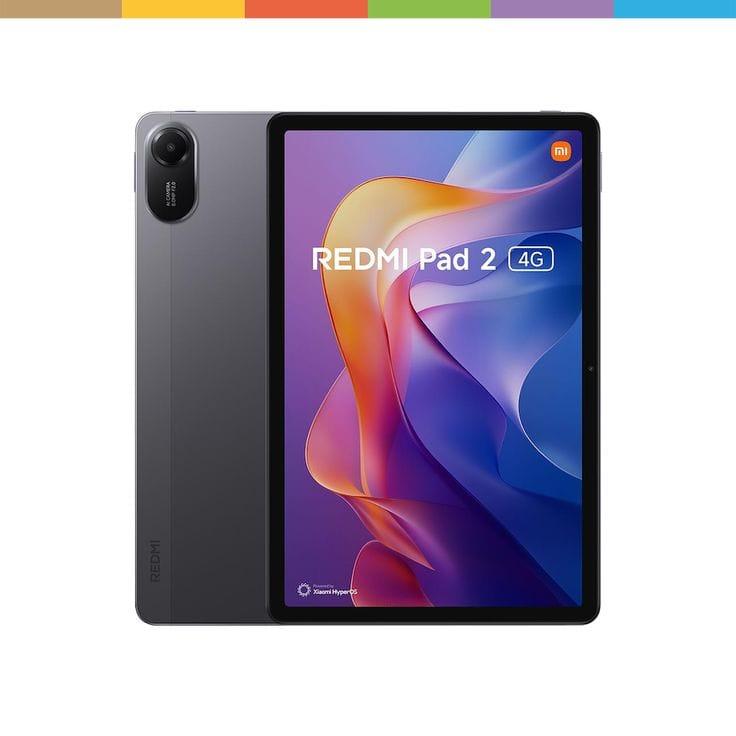
TL;DR The Redmi Pad 2 continues to remain one of the strongest budget Android tablets because it combines a large 11-inch 2.5K display, dependable everyday performance, Dolby Atmos quad speakers, strong battery life, and practical multitasking capability into a highly affordable package. The MediaTek Helio G100-Ultra processor comfortably handles online classes, streaming, note-taking, reading, and casual gaming without major slowdowns during normal usage. Combined with stylus support, split-screen multitasking, and long battery endurance, the Redmi Pad 2 delivers excellent value for students, casual users, and first-time tablet buyers seeking a practical multimedia-focused Android tablet under ₹20,000.
Why Budget Android Tablets Are Becoming More Popular
Budget Android tablets are becoming increasingly popular because many users no longer need expensive flagship tablets for everyday media consumption, online classes, note-taking, and casual multitasking. Smartphones continue getting larger, but tablets still provide a significantly better experience for studying, watching videos, attending meetings, and reading educational material comfortably. This creates strong demand for affordable large-screen devices.
Another important factor is hybrid learning and entertainment because students increasingly rely on tablets for assignments, PDFs, video lectures, digital notes, and streaming platforms simultaneously. A properly balanced budget tablet therefore becomes much more useful than simply relying on a smartphone alone. The Redmi Pad 2 performs especially well for these everyday workloads.
The growing ecosystem around Android tablets also improves long-term usability because modern Android software now supports split-screen multitasking, stylus apps, cloud syncing, and productivity-focused features much more effectively than older budget tablets. This makes affordable tablets far more practical than they were several years ago. Budget tablets now offer significantly better everyday usability.
Redmi Pad 2 Specifications
| Specification | Details |
|---|---|
| Processor | MediaTek Helio G100-Ultra |
| RAM | 6GB |
| Storage | 128GB UFS 2.2 |
| Display | 11-inch 2.5K LCD |
| Stylus Support | Yes, sold separately |
| Battery | 9000mAh |
| Audio | Dolby Atmos Quad Speakers |
| Operating System | HyperOS |
| Connectivity | Wi-Fi, Bluetooth |
| Expandable Storage | Yes |
| Price | Around ₹15,999 |
The specifications clearly show why the Redmi Pad 2 competes strongly in the affordable tablet category because it balances display quality, battery life, storage speed, and multimedia features effectively instead of focusing only on one area. Many cheaper tablets still use slower eMMC storage and weaker displays, but the Redmi Pad 2 benefits from UFS 2.2 storage and a sharper 2.5K panel. This improves overall responsiveness significantly.
Another important factor is practical hardware balance because the tablet focuses heavily on real-world usability instead of chasing unrealistic benchmark performance. The combination of large battery capacity, decent RAM, and multimedia-focused hardware makes the tablet much more comfortable during prolonged everyday usage. Balanced hardware therefore improves long-term usability substantially.
Design and Everyday Portability
The Redmi Pad 2 follows a clean and modern Android tablet design language with slim bezels, a large display area, and lightweight construction suitable for everyday portability. The tablet feels comfortable enough for holding during online classes, streaming sessions, reading, and casual browsing without becoming excessively heavy during prolonged usage. This significantly improves day-to-day practicality.
The larger 11-inch form factor especially benefits students and multimedia users because the additional screen space improves document readability, split-screen multitasking, and video viewing comfort compared to smaller tablets. Watching YouTube, attending Zoom calls, and reading PDFs all feel substantially more comfortable on the larger display. The screen size therefore becomes one of the tablet’s biggest advantages.
Another important factor is durability because budget tablets are often used by students, children, and casual users during travel, study sessions, and everyday entertainment. The Redmi Pad 2 maintains a sturdy enough build quality for regular handling while still remaining reasonably portable for backpacks and desk setups. Everyday usability remains highly practical overall.
11-Inch 2.5K Display Experience
The 11-inch 2.5K LCD display remains one of the strongest features of the Redmi Pad 2 because the larger panel significantly improves content consumption, online classes, and reading experience compared to smaller budget tablets. Videos, documents, PDFs, and educational material appear much sharper and more comfortable during prolonged viewing sessions. This improves both entertainment and productivity usage.
The higher resolution especially benefits students because smaller text remains easier to read during online classes, digital assignments, and browser-based research. Split-screen multitasking also becomes more practical because apps receive more usable display space simultaneously. This dramatically improves everyday usability compared to compact smartphones.
Another important factor is streaming quality because the larger 2.5K panel combined with Dolby Atmos speakers creates a noticeably better media experience during Netflix, YouTube, and Prime Video streaming. The tablet therefore works extremely well as a casual entertainment device in addition to educational usage. Display quality becomes a major long-term advantage here.
Why Display Quality Matters More on Tablets
Display quality affects tablets much more heavily than smartphones because users spend longer continuous sessions reading, watching videos, attending meetings, or multitasking on larger screens. A weaker low-resolution display can quickly become uncomfortable during educational or entertainment usage. This is exactly why sharper displays matter heavily in tablets.
The Redmi Pad 2 especially benefits from its larger panel because educational apps, note-taking applications, and productivity tools feel much more usable compared to smaller displays. Students handling research, PDFs, and digital notes benefit heavily from the improved readability. Larger displays therefore improve workflow efficiency significantly.
Another important factor is media immersion because the combination of quad speakers and a larger display makes the tablet feel far more enjoyable during movies, casual gaming, and streaming sessions. Tablets increasingly act as entertainment-first devices for many users. The Redmi Pad 2 performs strongly in this area.
MediaTek Helio G100-Ultra Performance
The MediaTek Helio G100-Ultra processor focuses primarily on efficient everyday Android performance instead of flagship-level gaming power. The chipset handles app navigation, multitasking, online classes, YouTube streaming, note-taking, and casual gaming smoothly during daily usage. This makes the Redmi Pad 2 highly practical for students and casual users.
The processor especially performs well during lighter multitasking workloads involving Chrome, Google Docs, Zoom, YouTube, and educational apps running simultaneously. Combined with 6GB RAM, the tablet remains reasonably responsive during normal productivity and entertainment workflows. Everyday stability therefore remains one of its strongest qualities.
Another important factor is thermal efficiency because the Helio G100-Ultra is optimized better than many older entry-level MediaTek processors. The tablet therefore maintains stable temperatures during longer study sessions and streaming workloads without aggressive slowdowns. Better thermal management improves overall long-term usability substantially.
Multitasking and Student Usage
The Redmi Pad 2 is especially practical for students because the tablet comfortably handles common educational workflows involving video classes, PDFs, note-taking, browsers, Google Docs, and research applications simultaneously. Android split-screen multitasking also improves usability significantly during studying and assignment work. This makes the tablet much more flexible than a smartphone for academic usage.
The 6GB RAM configuration remains sufficient for most educational workloads because casual multitasking and browser usage do not require flagship-level memory capacities. Students switching between educational apps, messaging, video calls, and browser tabs generally experience stable everyday performance. The hardware balance therefore feels appropriate for the target audience.
Another important factor is note-taking flexibility because stylus support allows users to write digital notes, sketch diagrams, annotate PDFs, and organize study material more effectively. Although the stylus must be purchased separately, the feature still improves long-term versatility substantially. This makes the Redmi Pad 2 more useful for education-focused buyers.
Storage Speed and Expandability
The Redmi Pad 2 benefits heavily from UFS 2.2 storage because app loading, file transfers, and system responsiveness feel noticeably faster compared to cheaper tablets still relying on slower eMMC storage solutions. Faster storage therefore improves the overall smoothness of the Android experience significantly.
The 128GB storage capacity also remains practical for most users because educational files, downloaded videos, applications, PDFs, and casual games consume substantial storage space over time. Many students increasingly store offline lectures, notes, and media directly on tablets for convenience. Larger storage therefore improves long-term usability.
Another important factor is expandable storage support because users can increase available space later through microSD cards instead of immediately replacing the device. This becomes highly useful for media-heavy users storing movies, recordings, educational material, or offline content. Expandability significantly improves flexibility overall.
Dolby Atmos Speakers and Multimedia Experience
The Dolby Atmos quad-speaker setup dramatically improves the entertainment experience because budget tablets often compromise heavily on speaker quality. The Redmi Pad 2 produces louder and fuller sound compared to typical entry-level tablets, which improves YouTube streaming, movies, gaming, and online classes substantially. This makes the tablet feel much more immersive during media consumption.
The quad-speaker configuration especially benefits students attending online classes because dialogue clarity remains stronger during video lectures and meetings. Better audio quality also improves comfort during extended streaming sessions without constantly needing headphones. This significantly improves everyday convenience.
Another important factor is entertainment versatility because many users primarily buy tablets for casual multimedia usage rather than heavy productivity. The Redmi Pad 2 therefore focuses strongly on creating a balanced media experience through display quality and audio performance together. Multimedia usability becomes one of its biggest strengths.
Battery Life and Charging
Battery life remains one of the biggest strengths of the Redmi Pad 2 because the large 9000mAh battery comfortably supports prolonged online classes, streaming, browsing, and reading sessions without frequent charging anxiety. Students and casual users especially benefit from longer endurance during travel, classrooms, and remote learning sessions. This significantly improves practical usability.
The efficient Helio G100-Ultra processor and HyperOS battery optimization also help improve standby efficiency during lighter workloads. Instead of draining aggressively during idle usage, the tablet maintains battery more effectively throughout the day. Better power management therefore contributes heavily to overall user experience.
Another important factor is charging flexibility because larger batteries become far more useful when combined with efficient charging behavior and better thermal management. Users relying heavily on streaming, educational apps, and multitasking therefore benefit from more predictable daily battery performance. Long endurance remains one of the tablet’s strongest long-term advantages.
Xiaomi Ecosystem and Connectivity Benefits
The Redmi Pad 2 also benefits from Xiaomi ecosystem integration because users with Xiaomi smartphones, earbuds, and accessories gain smoother wireless syncing, nearby sharing, and connected-device workflows. Ecosystem integration improves convenience significantly during daily usage. This creates a more seamless multi-device experience overall.
Wireless file transfers, shared notifications, and synchronized workflows especially help students and casual users moving frequently between phones and tablets. Instead of relying constantly on cables or third-party services, ecosystem features simplify common workflows naturally. This improves everyday practicality considerably.
Another important factor is cloud integration because tablets increasingly depend on synchronized storage, educational material access, and productivity applications across multiple devices. Better ecosystem compatibility therefore improves long-term flexibility. Users already inside Xiaomi ecosystems benefit the most here.
Why the Redmi Pad 2 Delivers Strong Value for Students and Casual Users
The most important takeaway is simple, the Redmi Pad 2 succeeds because it focuses heavily on balanced everyday usability instead of chasing unrealistic flagship tablet expectations. The combination of a large 11-inch 2.5K display, Dolby Atmos quad speakers, strong battery life, decent multitasking capability, and affordable pricing creates one of the strongest beginner Android tablet experiences available today. This dramatically improves overall value for mainstream buyers.
The MediaTek Helio G100-Ultra processor especially helps maintain dependable everyday responsiveness during online classes, streaming, browsing, reading, and casual multitasking without excessive heat or instability. Combined with UFS 2.2 storage and HyperOS optimizations, the tablet feels much smoother than many competing entry-level devices. Long-term usability therefore remains highly practical.
At the same time, buyers should understand that the Redmi Pad 2 primarily targets students, media consumers, and casual users instead of professional creators or advanced productivity workflows. Users expecting laptop-level multitasking, professional editing, or high-end gaming performance may still require more powerful tablets. However, for users seeking one of the strongest affordable Android tablets for entertainment, education, note-taking, and everyday media consumption, the Redmi Pad 2 remains an excellent value-focused purchase.
Frequently Asked Questions
Q. Does the Redmi Pad 2 support keyboard accessories?
Yes, the Redmi Pad 2 supports external Bluetooth keyboards, which makes the tablet useful for typing assignments, browsing, casual productivity work, and document editing. Students especially benefit from adding a keyboard during online classes and educational workflows. This improves versatility significantly.
Q. Is the Redmi Pad 2 good for online classes?
Yes, the Redmi Pad 2 performs very well for online classes because it combines a large 11-inch display, Dolby Atmos speakers, strong battery life, and dependable multitasking capability into an affordable package. Video lectures, Zoom calls, PDFs, and note-taking workflows feel much more comfortable compared to smaller smartphones.
Q. Does the Redmi Pad 2 support split-screen multitasking?
Yes, HyperOS supports split-screen multitasking, allowing users to run two applications simultaneously. This especially helps students handling research, note-taking, YouTube lectures, and browser-based assignments together. Larger screen space improves multitasking usability significantly.
Q. Can the Redmi Pad 2 replace a laptop?
The Redmi Pad 2 can comfortably handle basic productivity tasks such as browsing, document editing, streaming, online classes, and video conferencing. However, it is not a complete replacement for professional workloads involving advanced software, coding environments, or heavy multitasking. The tablet works best for casual and educational usage.
Q. Is the Redmi Pad 2 good for note-taking?
Yes, the Redmi Pad 2 supports stylus input, which makes it useful for handwritten notes, PDF annotations, sketching, and digital studying. Students especially benefit from digital note-taking workflows during online learning and classroom usage. The stylus, however, must be purchased separately.
Q. Is the Redmi Pad 2 worth buying?
Yes, the Redmi Pad 2 remains one of the strongest affordable Android tablets because it combines a sharp 2.5K display, Dolby Atmos speakers, strong battery life, decent multitasking capability, and practical everyday usability into a balanced package. It especially suits students, casual users, and first-time tablet buyers seeking strong value under ₹20,000.
Ready to upgrade your tech?
Browse our collection of quality refurbished products at unbeatable prices.






