
Pixel 10a vs Pixel 9a: Which Pixel Makes More Sense?
The Pixel 10a improves charging, brightness, wireless charging, and safety features, while the Pixel 9a focuses on affordability and core Pixel usability, making both phones practical for different everyday priorities.

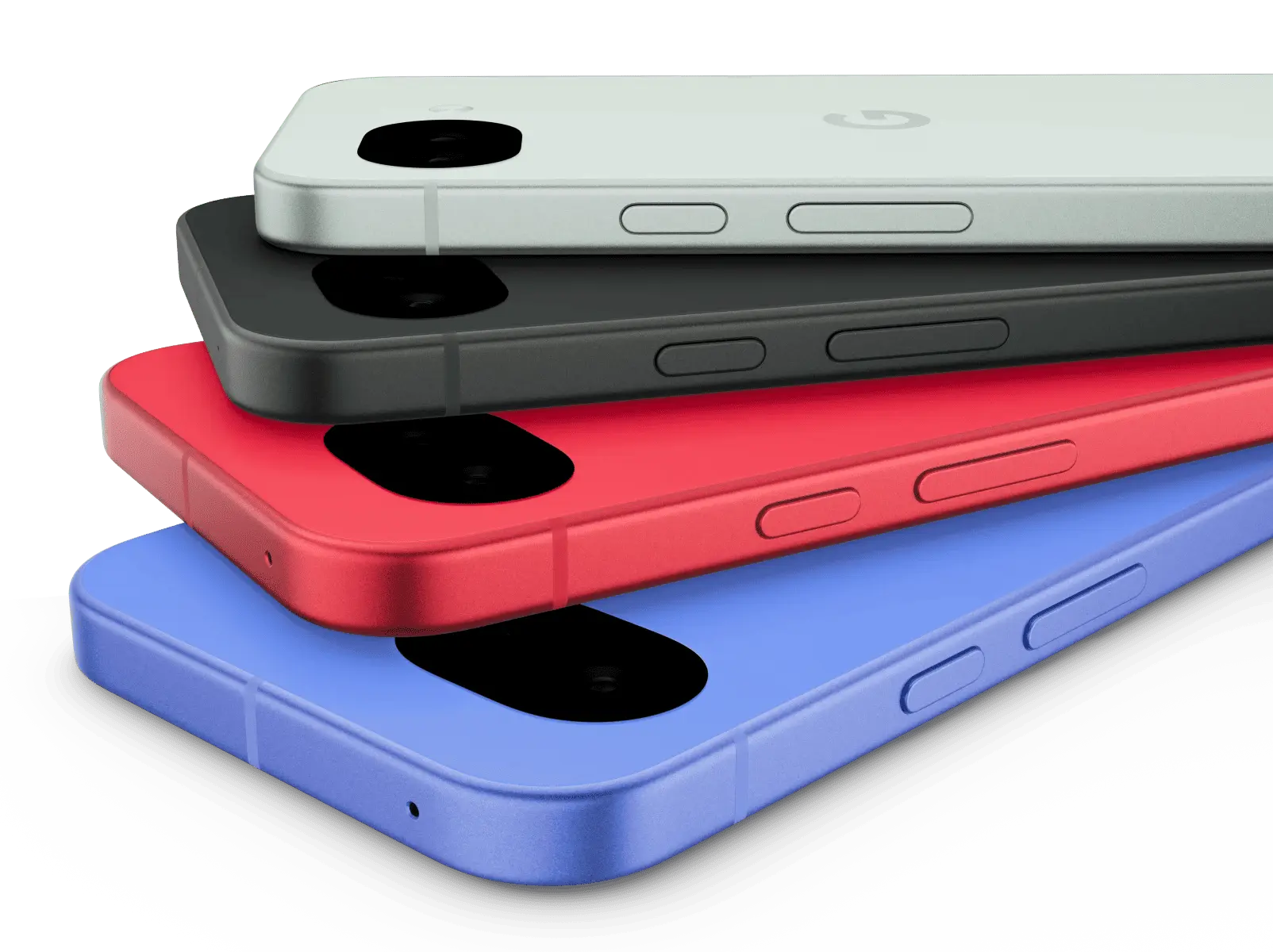
TL;DR The Pixel 10a is the more premium and feature-complete option because it improves charging speed, outdoor display visibility, wireless charging convenience, and safety functionality without changing the familiar Pixel experience drastically. The Pixel 9a, however, remains the stronger value-focused choice because it retains the same compact 6.3-inch form factor, strong battery capacity, and core Pixel software experience at a noticeably lower price. Buyers who prioritise convenience, charging speed, and brighter everyday usability should choose the Pixel 10a, while budget-conscious users who mainly want the Pixel experience at lower cost will still find the Pixel 9a highly practical.
Why the Pixel 10a vs Pixel 9a Comparison Matters
The Pixel 10a vs Pixel 9a comparison matters because Google’s A-series smartphones have become some of the most balanced Android devices for users who prioritise software experience, camera consistency, and everyday usability over flashy flagship specifications. These devices focus heavily on practical real-world usage instead of extreme hardware experimentation. This makes the comparison far more relevant for mainstream buyers.
Another important factor is pricing pressure in the Indian smartphone market because premium smartphone pricing continues rising across almost every category. Buyers are therefore becoming increasingly selective about which upgrades genuinely improve daily experience and which ones exist mainly for marketing. The gap between the Pixel 10a and Pixel 9a reflects this exact decision.
The comparison is also important because both devices remain extremely close in their core philosophy. Google retained the same overall size, battery capacity, and software direction across both models. This means the buying decision depends less on dramatic redesigns and more on whether the practical refinements of the Pixel 10a justify its higher pricing.
Design and Everyday Handling Experience
Both smartphones maintain a very similar overall design language because Google chose refinement over major visual reinvention. The phones continue using compact dimensions relative to modern smartphone standards, which makes them easier to use one-handed compared to many large-screen devices. This consistency helps preserve the familiar Pixel experience.
The Pixel 10a feels slightly more refined during prolonged usage because it is marginally lighter and slightly easier to handle during extended scrolling, messaging, and reading sessions. While the difference is not dramatic, subtle ergonomic improvements become noticeable over time. This contributes to better everyday comfort.
Another important factor is long-session usability because smartphone ergonomics affect fatigue much more than many users initially realise. Compact phones remain easier to manage while commuting, walking, reading, or using navigation outdoors. This continues to be one of the strongest advantages of the Pixel A-series lineup.
Pixel 10a vs Pixel 9a Display Comparison
The display comparison between the Pixel 10a and Pixel 9a initially appears very similar because both phones use a 6.3-inch panel with the same 1080 x 2424 resolution. In terms of raw sharpness, both devices remain highly comfortable for reading, browsing, video streaming, and general productivity. Text clarity and media consumption remain strong on both phones.
However, the practical difference appears through brightness and outdoor usability because the Pixel 10a significantly improves peak brightness levels. Higher brightness dramatically improves readability under direct sunlight, especially during navigation, messaging, photography, and outdoor media usage. This becomes increasingly valuable in bright Indian weather conditions.
The Pixel 10a also benefits from stronger contrast handling and deeper dark-mode presentation, which improves HDR viewing and nighttime readability. Dark UI elements feel cleaner and more defined during prolonged usage. These refinements collectively make the Pixel 10a feel more polished despite the similar display size and resolution.
Why Display Brightness Matters More Than Resolution
Modern smartphones already provide sufficiently sharp displays for mainstream usage, which means brightness and visibility now influence usability more than resolution alone. Users spending time outdoors frequently notice brightness limitations much faster than pixel density limitations. This changes how display quality should be evaluated practically.
The Pixel 10a’s brighter display improves usability during maps navigation, camera previewing, video playback, and reading under strong daylight. Users no longer need to shade the screen constantly while outdoors. This creates a noticeably smoother everyday experience.
Another important factor is visual comfort because brighter and more balanced displays reduce eye strain during long reading sessions and mixed lighting conditions. Better contrast handling also improves dark mode usage during nighttime browsing. These improvements feel subtle individually but significant collectively.
Battery Life and Charging Experience
Battery endurance between the Pixel 10a and Pixel 9a remains extremely close because both devices use the same 5100mAh battery capacity. Most users should therefore expect similar overall screen-on time during standard workloads such as messaging, streaming, browsing, navigation, and social media usage. Battery longevity itself is not the primary differentiator.
The real difference appears in charging convenience because the Pixel 10a introduces significantly faster wired charging alongside wireless charging support. Faster charging changes how comfortably the device fits into modern daily routines, especially for users who top up batteries during short breaks or travel preparation. Convenience becomes the biggest advantage here.
Wireless charging further improves long-term usability because it simplifies desk usage and overnight charging routines considerably. Users who frequently move between desks, meetings, and workspaces often appreciate cable-free charging more than expected. This gives the Pixel 10a a noticeably more premium daily experience.
Why Charging Speed Changes Real-World Convenience
Charging speed matters more today because smartphones increasingly function as constant productivity and communication devices rather than occasional-use gadgets. A phone that charges quickly between meetings or during short breaks reduces battery anxiety significantly. This improves workflow flexibility throughout the day.
The Pixel 10a benefits strongly from this because faster charging allows users to recover meaningful battery percentages within short charging windows. Even limited charging time becomes useful. This is particularly important for commuters and heavy smartphone users.
Another important factor is charging behaviour because faster charging reduces dependence on overnight charging routines. Users can maintain healthier battery habits more comfortably by topping up strategically during the day. This indirectly improves long-term usability and convenience.
Camera Experience and Everyday Photography
The Pixel lineup has always focused heavily on consistent computational photography rather than extreme camera hardware specifications, and both the Pixel 10a and Pixel 9a continue following this philosophy. Everyday photography remains highly dependable on both devices. Image processing consistency continues to be one of the strongest reasons people choose Pixel devices.
However, the Pixel 10a benefits indirectly from its brighter display because outdoor framing and photo previewing become significantly easier under harsh lighting conditions. Users can judge composition and exposure more comfortably before capturing images. This creates a smoother photography experience.
Another important factor is software refinement because Pixel devices continue prioritising intelligent image processing and reliable camera behaviour over excessive hardware complexity. The overall photography experience therefore feels stable and predictable in daily use. This remains a major advantage for casual users.
Safety Features and Practical Improvements
The Pixel 10a introduces additional safety functionality such as Satellite SOS support, which strengthens its positioning as the more premium and feature-complete option. Safety tools increasingly matter because smartphones now function as navigation devices, emergency communication tools, and travel companions simultaneously. These features improve peace of mind.
Satellite-based emergency support becomes especially relevant during travel, remote usage, or areas with inconsistent network coverage. While many users may rarely need it, emergency functionality provides reassurance during uncertain situations. This adds meaningful practical value.
Another important factor is long-term device positioning because features like Satellite SOS reflect broader industry movement toward integrated safety ecosystems in smartphones. Buyers increasingly evaluate phones not only for entertainment and productivity but also for reliability during emergencies. This expands the role of smartphones significantly.
Software Experience and Daily Usability
Both devices continue delivering the clean Pixel software experience that many Android users specifically prefer. The interface remains straightforward, responsive, and focused on Google ecosystem integration without excessive visual clutter or unnecessary pre-installed applications. This improves long-term usability considerably.
The consistency of Google’s software ecosystem also benefits users heavily invested in applications such as Gmail, Maps, Photos, Drive, and YouTube. Integration between services feels seamless and efficient during everyday workflows. This strengthens overall user experience stability.
Another important factor is software longevity because Pixel devices are often chosen for reliable updates and predictable Android experiences. Buyers prioritising stability and simplicity frequently prefer Pixel software over heavily modified Android interfaces. This remains one of the strongest reasons to choose the Pixel lineup.
Pixel 10a vs Pixel 9a Price Perspective
Pricing is ultimately where the Pixel 10a vs Pixel 9a comparison becomes most important because both devices remain extremely similar in their foundational experience. The Pixel 9a retains stronger affordability, while the Pixel 10a focuses on convenience-focused upgrades and polish. This creates two very different value propositions.
The Pixel 9a makes more sense for users who primarily want the Pixel software experience, reliable photography, and balanced everyday usability without paying extra for refinements they may rarely use. It remains highly practical for mainstream Android users. This keeps it relevant despite the newer model.
The Pixel 10a justifies its higher pricing mainly through cumulative quality-of-life improvements such as brighter display performance, faster charging, wireless charging, and additional safety functionality. Individually, these upgrades may appear small, but together they noticeably improve long-term ownership experience. This is what defines the premium gap.
Why the Pixel 10a Feels More Premium While the Pixel 9a Still Delivers Better Value for Many Buyers
The most important takeaway is simple, the Pixel 10a and Pixel 9a are far closer than many buyers initially expect because Google intentionally preserved the same core Pixel experience across both models. Battery capacity, compact sizing, software philosophy, and everyday usability remain highly consistent between the two devices. This means the decision ultimately depends on how much users value refinement-focused upgrades.
Another important factor is that the Pixel 10a improves the ownership experience primarily through convenience rather than dramatic performance differences. Faster charging, wireless charging, brighter outdoor visibility, and additional safety features collectively make the device feel more polished and easier to live with daily. These upgrades become especially valuable for users who rely heavily on their phones throughout long workdays and travel routines.
At the same time, the Pixel 9a continues to remain the stronger value-focused option because it still delivers the essential Pixel strengths at noticeably lower pricing. Users who mainly prioritise software experience, dependable cameras, balanced battery life, and practical everyday Android usage may not feel compelled to spend extra for the refinements of the 10a. For most buyers, the smartest choice comes down to whether premium convenience features justify the additional investment over an already highly capable Pixel experience.
Frequently Asked Questions
Q. What is the biggest practical difference between the Pixel 10a and Pixel 9a?
The biggest practical difference is convenience because the Pixel 10a improves charging speed, outdoor display visibility, wireless charging support, and safety functionality. The overall software and core Pixel experience remain very similar between both devices. Most differences are refinement-focused rather than dramatic redesigns.
Q. Is the Pixel 10a display significantly better than the Pixel 9a?
Both phones use similarly sharp 6.3-inch displays, but the Pixel 10a becomes noticeably easier to use outdoors because of its higher brightness levels and improved contrast handling. Bright sunlight visibility improves substantially during navigation, reading, and photography usage. This creates a more premium daily experience.
Q. Do both phones have the same battery life?
Battery endurance should remain very similar because both devices use the same 5100mAh battery capacity. The major difference comes from charging speed and charging convenience rather than overall battery runtime. The Pixel 10a charges significantly faster.
Q. Why does wireless charging matter for everyday users?
Wireless charging improves convenience because users can place the phone on charging pads at desks or bedside tables without constantly connecting cables. This becomes especially useful during workdays and overnight charging routines. Small convenience improvements often matter more over long-term ownership.
Q. Is the Pixel 9a still worth buying despite the Pixel 10a launch?
Yes, the Pixel 9a still remains highly worthwhile for users who prioritise affordability and the core Pixel software experience over premium refinements. It retains strong battery capacity, compact size, and dependable everyday usability. The value proposition remains very strong.
Q. Who should choose the Pixel 10a over the Pixel 9a?
Users who spend more time outdoors, rely heavily on fast charging, prefer wireless charging convenience, or value additional safety features will benefit more from the Pixel 10a. The refinements improve long-term usability noticeably. Heavy daily smartphone users generally appreciate these upgrades more.






