One UI 9: Expected Features
One UI 9 is Samsung's next major software update based on Android 17. Here's everything we know so far about its expected features, Galaxy AI improvements, supported devices, and rollout timeline.

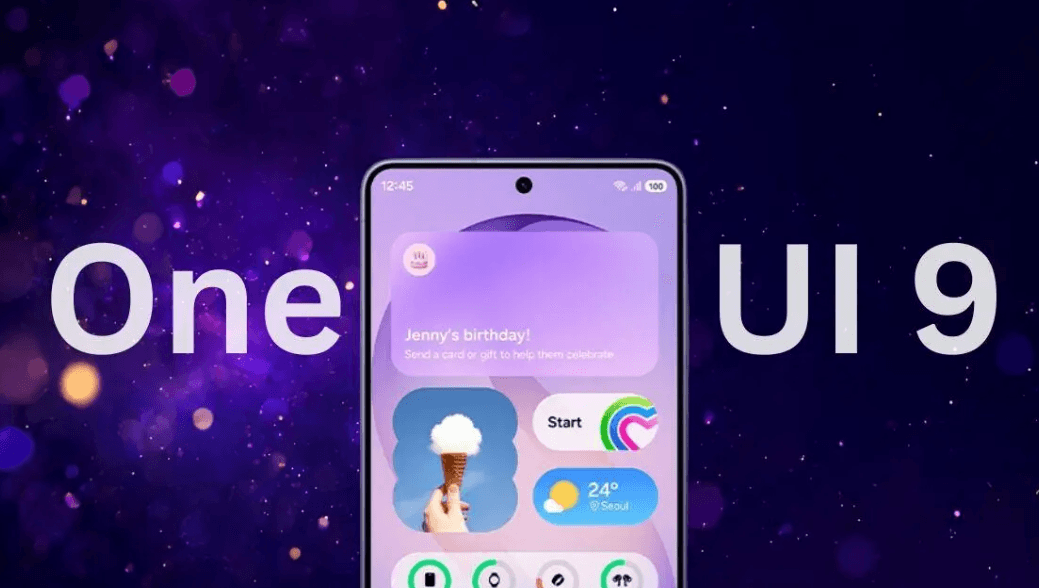
TL;DR One UI 9 is expected to be Samsung's next major Android skin, likely built on Android 17, bringing smarter Galaxy AI experiences, smoother animations, stronger privacy controls, and improved battery optimization. While Samsung has not officially announced the complete feature list or rollout schedule, early reports suggest the update will focus on refining everyday usability rather than introducing a complete visual redesign. If the current expectations hold true, One UI 9 could make Galaxy smartphones feel faster, more intelligent, and easier to use across productivity, communication, photography, and multitasking. For most users, the biggest improvements will likely come from enhanced AI-powered features, tighter ecosystem integration, and longer software support rather than dramatic interface changes.
Why One UI 9 Matters for Samsung Users?
Samsung has consistently evolved One UI by focusing on practical improvements instead of making unnecessary design changes every year. Rather than completely redesigning the interface with each release, Samsung usually builds on the strengths of the previous version by improving performance, security, battery efficiency, and user experience. If One UI 9 follows this approach, Galaxy users can expect an update that feels more polished and responsive while taking advantage of Android 17's underlying improvements. This strategy has helped Samsung maintain one of the most mature Android experiences, especially for users who rely on their phones for work, entertainment, and everyday productivity.
Another reason One UI 9 is attracting attention is Samsung's growing investment in artificial intelligence. Since the introduction of Galaxy AI, Samsung has gradually integrated AI-powered tools across communication, image editing, note-taking, translations, and search. Industry expectations suggest that One UI 9 will expand these capabilities instead of treating AI as a separate feature. Users may see smarter writing assistance, more capable voice interactions, better photo editing tools, and improved contextual suggestions that work naturally throughout the operating system rather than inside individual applications.
The update is also important because Samsung now promises several years of Android OS upgrades and security updates for many flagship and premium mid-range devices. That means millions of Galaxy users could receive One UI 9 without buying a new smartphone. Instead of being a feature reserved for the latest flagship models, many recent Galaxy S, Galaxy Z, and selected Galaxy A devices are expected to benefit from the new software, making the update relevant across multiple price segments.
A Focus on Everyday Experience
Unlike hardware upgrades that require purchasing a new device, software updates improve the phone you already own. Better memory management can make applications open faster, smoother animations can improve navigation, and smarter battery optimization can extend usage throughout the day. Even relatively small refinements become noticeable because they affect how frequently you interact with your smartphone.
Samsung has increasingly focused on reducing friction during daily use. Features like split-screen multitasking, Samsung DeX, cross-device continuity, and Galaxy AI already help users work more efficiently. One UI 9 is expected to refine these existing strengths instead of replacing them, making the overall software experience feel more intelligent and consistent across Samsung's ecosystem.
| Why One UI 9 Matters | Expected Benefit |
|---|---|
| Android 17 foundation | Better system efficiency |
| Galaxy AI improvements | Smarter everyday tasks |
| Performance optimization | Faster and smoother navigation |
| Long software support | More devices receive the update |
| Better ecosystem features | Improved connectivity between Galaxy devices |
Expected One UI 9 Features
Although Samsung has not officially confirmed the complete feature list, several improvements are widely expected based on Samsung's software roadmap, Android development trends, and the direction Galaxy AI has taken over the past few generations. Rather than introducing entirely new concepts, One UI 9 is expected to refine existing features while expanding artificial intelligence into more parts of the operating system. This approach aligns with Samsung's recent strategy of delivering meaningful quality-of-life improvements that users notice throughout the day.
Artificial intelligence is likely to become the biggest highlight of the update. Galaxy AI already powers live translation, writing assistance, transcript generation, and intelligent photo editing. One UI 9 could expand these capabilities with more contextual awareness, allowing AI to better understand user habits and provide smarter suggestions throughout the interface. Instead of launching separate AI applications, Samsung is expected to integrate intelligence directly into messaging, productivity tools, camera features, and system navigation.
Performance improvements are another area likely to receive attention. Samsung has steadily improved animation smoothness, memory optimization, and app responsiveness over recent One UI releases. One UI 9 is expected to continue this trend by reducing background resource usage, improving multitasking efficiency, and helping Galaxy devices maintain consistent performance even after extended periods of use.
AI Could Become More Intelligent
Samsung has positioned Galaxy AI as one of its biggest competitive advantages, and One UI 9 is expected to build on that momentum. Future enhancements may include smarter writing suggestions, improved voice interactions, more capable image editing tools, better document summarization, and stronger integration with productivity applications. These upgrades could make AI feel less like a novelty and more like a practical assistant that saves time throughout the day.
Users may also see improved personalization, where the system learns daily routines to recommend shortcuts, automate repetitive actions, and optimize battery usage based on individual behaviour. If implemented effectively, these refinements could make Galaxy smartphones feel more responsive to each user's unique usage patterns.
| Expected Feature | Potential Benefit |
|---|---|
| Improved Galaxy AI | Smarter daily assistance |
| Better multitasking | Faster app switching |
| Battery optimization | Longer daily usage |
| Enhanced privacy tools | Greater data protection |
| Smoother animations | Improved user experience |
Privacy, Security, and Performance Improvements Expected in One UI 9
Privacy and security are expected to become even more important in One UI 9 as Samsung continues to strengthen Galaxy devices against evolving cyber threats. Over the past few One UI releases, Samsung has introduced features such as Samsung Knox, Auto Blocker, enhanced app permissions, Secure Folder improvements, and better control over background app activity. Instead of replacing these features, One UI 9 is widely expected to refine them with additional controls that help users understand how apps access sensitive information such as location, microphone, camera, and files. For everyday users, these improvements may not always be visible, but they play a significant role in protecting personal data and reducing security risks.
Performance optimization is another area where Samsung typically focuses its software development efforts. While flagship Galaxy devices already offer excellent speed, software optimization determines whether that experience remains smooth after months or even years of use. One UI 9 is expected to improve memory management, reduce unnecessary background processes, and optimize application launching times. These enhancements could make older compatible devices feel more responsive while also helping newer smartphones deliver more consistent performance during multitasking, gaming, and content creation.
Battery optimization is likely to receive further refinement as well. Samsung has gradually improved adaptive battery management using machine learning to understand user behaviour. One UI 9 could expand these capabilities by intelligently limiting background activity, optimizing charging patterns, and allocating system resources more efficiently. These improvements would benefit users who spend long hours away from a charger and rely on their smartphones throughout the day for communication, navigation, entertainment, and productivity.
Better Protection Without Affecting Daily Use
One of Samsung's strengths has been making security features work quietly in the background instead of interrupting users with constant warnings. One UI 9 is expected to continue this philosophy by expanding Samsung Knox protections while keeping the interface simple and easy to understand. Features like Secure Folder, Private Sharing, password management, and biometric authentication are all expected to receive refinements that improve convenience without compromising security.
Performance improvements may also extend to gaming and demanding workloads. Better thermal management, smarter resource allocation, and reduced background processing could help maintain stable frame rates while reducing unnecessary battery drain. Although these changes may appear incremental individually, together they contribute to a noticeably smoother user experience over extended periods of use.
| Area | Expected Improvements |
|---|---|
| Privacy | More granular permission controls |
| Security | Enhanced Samsung Knox protection |
| Performance | Faster app launches and smoother multitasking |
| Battery | Improved adaptive battery optimization |
| Gaming | Better resource and thermal management |
Eligible Samsung Galaxy Devices for One UI 9
Samsung has not officially released the complete list of devices that will receive One UI 9. However, based on the company's current software update policy, most recent flagship smartphones, foldables, premium tablets, and several Galaxy A series devices are expected to become eligible once the update begins rolling out. Samsung now offers some of the longest Android software support periods in the industry, making software longevity one of the company's biggest competitive advantages.
The Galaxy S series will almost certainly remain Samsung's highest priority. Recent flagship models typically receive beta updates first before stable versions become available. Galaxy Z Fold and Galaxy Z Flip devices are also expected to receive the update early because Samsung uses these premium foldables to showcase many of its newest software capabilities. Owners of newer Galaxy tablets should also expect One UI 9 if their devices remain within Samsung's supported software lifecycle.
The Galaxy A series has become increasingly important to Samsung's software strategy. Premium mid-range devices released over the past few years now receive multiple Android OS upgrades, allowing a much larger audience to benefit from flagship-inspired software features. While lower-end models may receive fewer AI capabilities due to hardware limitations, they are still expected to benefit from Android 17 improvements, security enhancements, and interface refinements.
Devices Most Likely to Receive the Update
Although Samsung has yet to confirm the final compatibility list, buyers of recent Galaxy smartphones should have strong confidence in receiving future software updates. Devices launched with Samsung's latest update commitment are expected to remain supported for several years, reducing the need for frequent hardware upgrades and improving long-term value.
Users considering a new Samsung phone in 2026 should also factor software support into their buying decision. A device receiving One UI 9 and multiple future Android updates will generally offer better long-term usability than an older flagship nearing the end of its support period.
| Device Family | Expected One UI 9 Eligibility* |
|---|---|
| Galaxy S Series | Recent flagship generations |
| Galaxy Z Fold | Recent models |
| Galaxy Z Flip | Recent models |
| Galaxy Tab Series | Selected premium tablets |
| Galaxy A Series | Supported mid-range devices |
*Final eligibility will depend on Samsung's official rollout announcement.
One UI 9 vs One UI 8: What Could Change?
For many Galaxy users, the biggest question is whether One UI 9 will introduce a dramatic redesign or focus on refinement. Based on Samsung's recent software direction, the latter appears more likely. Instead of rebuilding the interface from scratch, Samsung generally improves animations, expands AI capabilities, enhances security, and makes everyday interactions smoother. This gradual evolution helps users become familiar with new features without forcing them to relearn the operating system after every major update.
Artificial intelligence is expected to represent the most noticeable difference between the two versions. Galaxy AI has already become deeply integrated into Samsung's ecosystem, and One UI 9 is expected to make these tools more capable, more accurate, and easier to access throughout the operating system. Productivity features, voice assistance, communication tools, and image editing could all benefit from smarter AI integration, making the software feel more proactive without becoming intrusive.
Performance improvements may also separate One UI 9 from its predecessor. Samsung continually works to reduce unnecessary animations, improve memory management, and shorten application loading times. While benchmark numbers may not increase dramatically, users could notice a smoother experience during everyday tasks such as switching between applications, opening the camera, browsing social media, and multitasking with split-screen apps.
Expected Improvements at a Glance
Many software improvements are difficult to appreciate until they become part of daily use. Faster fingerprint recognition, quicker app launching, more responsive notifications, and improved battery optimization rarely generate headlines, yet they often have a greater impact on user satisfaction than visual redesigns. If One UI 9 delivers meaningful refinements across these areas, it could become one of Samsung's most polished software updates.
| Feature | One UI 8 | One UI 9 (Expected) |
|---|---|---|
| Galaxy AI | Current AI tools | Expanded AI integration |
| Performance | Optimized | Further refinement |
| Privacy | Strong controls | More granular permissions |
| Battery | Adaptive optimization | Smarter AI optimization |
| Interface | Modern design | Improved animations and usability |
Should You Wait for One UI 9?
Whether you should wait for One UI 9 depends largely on the Galaxy device you currently own and how satisfied you are with its performance. If your smartphone already runs One UI 8 smoothly and meets your daily requirements, there is little reason to upgrade your hardware solely for the next software version. Samsung's major updates are designed to improve the experience on existing devices, meaning many users will receive new AI features, performance enhancements, and security improvements without purchasing a new phone. For most people, waiting for the official rollout is the smarter and more cost-effective decision.
On the other hand, buyers planning to purchase a new Samsung smartphone in 2026 should consider software longevity before making their decision. Choosing a recently launched Galaxy S, Galaxy Z, or supported Galaxy A device increases the likelihood of receiving One UI 9 and several future Android updates. Samsung's extended software support policy has become one of the company's biggest strengths, giving buyers greater confidence that their investment will remain relevant for years rather than becoming outdated after only a couple of software generations.
It is also worth remembering that software updates are released in phases. Flagship models usually receive beta builds first, followed by stable updates, while mid-range devices often receive the rollout weeks or months later. If One UI 9 includes significant Galaxy AI enhancements, Samsung may also reserve some advanced features for newer devices with more powerful processors or dedicated AI hardware. That does not necessarily mean older phones will miss the update, but certain AI functions could vary depending on the device's hardware capabilities.
Beta Program vs Stable Release
Samsung's beta program is useful for enthusiasts who want to try new features before everyone else, but it is not the best option for every user. Beta software can include bugs, reduced battery life, application compatibility issues, and occasional stability problems that may interfere with daily use. If your Galaxy phone is your primary work or personal device, waiting for the stable public release is generally the safer approach.
For users who enjoy testing new software and providing feedback, the beta program offers an early look at upcoming features and performance improvements. However, Samsung usually resolves most known issues before releasing the final version, making the stable build the better choice for the majority of users who prioritize reliability over early access.
| User Type | Recommendation |
|---|---|
| Existing Galaxy flagship users | Wait for the official One UI 9 update |
| Buyers purchasing a new phone | Choose a model with long software support |
| Beta enthusiasts | Join the beta program if available |
| Everyday users | Install the stable release when available |
| Business users | Avoid beta builds on primary devices |
Common Expectations and Misconceptions About One UI 9
As excitement builds around every major Samsung software release, it is common for rumours and unofficial information to spread long before Samsung makes formal announcements. One of the biggest misconceptions is that every leaked feature automatically becomes part of the final update. In reality, Samsung regularly tests experimental features internally, and many of them never appear in the public release. That is why users should distinguish between credible reports based on developer builds or trusted industry sources and speculative rumors shared on social media.
Another misconception is that every Galaxy device receives exactly the same feature set. While Samsung aims to provide a consistent user experience, hardware differences often determine which capabilities are available. Advanced Galaxy AI functions, for example, may require newer chipsets with stronger on-device AI processing. Similarly, camera-related software features may depend on the physical camera hardware rather than the One UI version alone. Receiving One UI 9 does not necessarily mean every supported phone will include every announced feature.
Many users also assume that installing the latest software version will instantly improve battery life or dramatically increase performance. While Samsung continually optimizes system efficiency, battery endurance depends on multiple factors, including battery health, installed applications, display settings, and network usage. One UI 9 is expected to refine these areas, but users should view it as an incremental improvement rather than a complete transformation of their device.
Separate Expectations From Confirmed Features
Until Samsung officially announces One UI 9, many reported features should be treated as expectations rather than confirmed additions. Trusted technology publications, Samsung's official announcements, and developer documentation remain the most reliable sources for accurate information. Waiting for Samsung's official release notes helps avoid disappointment caused by unrealistic expectations created by early leaks.
Software development continues throughout the beta period, so Samsung may add, remove, or modify features before the final rollout. For that reason, users should focus on confirmed announcements instead of assuming every rumored feature will reach their devices.
| Myth | Reality |
|---|---|
| Every leak is confirmed | Many rumored features never launch |
| All Galaxy phones get identical features | Hardware may limit some capabilities |
| One UI 9 will completely redesign Android | Refinements are more likely than a full redesign |
| Battery life will dramatically increase | Improvements are usually gradual |
| Beta software is suitable for everyone | Stable releases are better for most users |
Frequently Asked Questions
Q. What is One UI 9 expected to be based on?
A. One UI 9 is widely expected to be based on Android 17, although Samsung has not officially confirmed the final software version or complete feature list.
Q. Will One UI 9 include more Galaxy AI features?
A. Yes. Based on Samsung's recent software direction, One UI 9 is expected to expand Galaxy AI with smarter writing tools, productivity enhancements, image editing improvements, and more contextual assistance throughout the operating system.
Q. Which Samsung phones are expected to receive One UI 9?
A. Recent Galaxy S series, Galaxy Z Fold, Galaxy Z Flip, selected Galaxy A series smartphones, and supported Galaxy tablets are expected to receive the update, subject to Samsung's official eligibility list.
Q. Will One UI 9 improve battery life?
A. Battery optimization is expected to improve through better background resource management and adaptive power optimization, although actual battery life will vary depending on the device and usage patterns.
Q. Is One UI 9 expected to improve gaming performance?
A. Samsung is expected to continue optimizing memory management, thermal efficiency, and background processing, which could contribute to smoother gaming on supported Galaxy devices.
Q. Should I install the One UI 9 beta?
A. Beta software is best suited for enthusiasts who are comfortable with occasional bugs. Most users should wait for the stable public release.
Q. Will One UI 9 completely redesign Samsung's interface?
A. Current expectations suggest Samsung will focus on refining the existing interface with smoother animations, better AI integration, and usability improvements rather than introducing a complete visual redesign.
Q. Will older Samsung phones receive all One UI 9 features?
A. Not necessarily. Some advanced Galaxy AI and camera-related features may depend on hardware capabilities, meaning newer devices could receive additional functionality.
Q. When is One UI 9 expected to roll out?
A. Samsung has not officially announced the rollout timeline. Flagship devices are generally expected to receive the update before foldables, tablets, and mid-range Galaxy models.
Q. Is One UI 9 worth waiting for?
A. Yes. If your current Galaxy device is eligible, waiting for the official update is likely worthwhile, as it is expected to deliver better AI capabilities, improved performance, stronger security, and refined daily usability without requiring new hardware.
Final Recommendation
One UI 9 is shaping up to be another meaningful evolution of Samsung's software rather than a dramatic redesign. Based on current expectations, the update will likely focus on deeper Galaxy AI integration, smoother performance, stronger privacy controls, improved battery optimization, and a more refined user experience built on Android 17. While many reported features remain unofficial until Samsung makes a formal announcement, the company's recent software strategy suggests One UI 9 will prioritize practical improvements that users notice every day instead of introducing unnecessary interface changes.
If you already own a supported Galaxy smartphone, waiting for the official rollout is the most sensible approach. There is little reason to replace capable hardware simply to access the next software version, especially since Samsung now offers one of the longest software support commitments in the Android ecosystem. Buyers planning to purchase a new Samsung device in 2026 should prioritize models with extended software support to maximize long-term value. Ultimately, One UI 9 is expected to make Galaxy devices smarter, more secure, and more efficient, reinforcing Samsung's position as one of the leading Android software experiences available today.