
Microsoft Xbox Series X 1TB Lifespan Guide in 2026 India
The Microsoft Xbox Series X 1TB is built for long term gaming performance. This lifespan guide explains how long the console lasts, factors affecting durability, and how to extend its life in 2026.

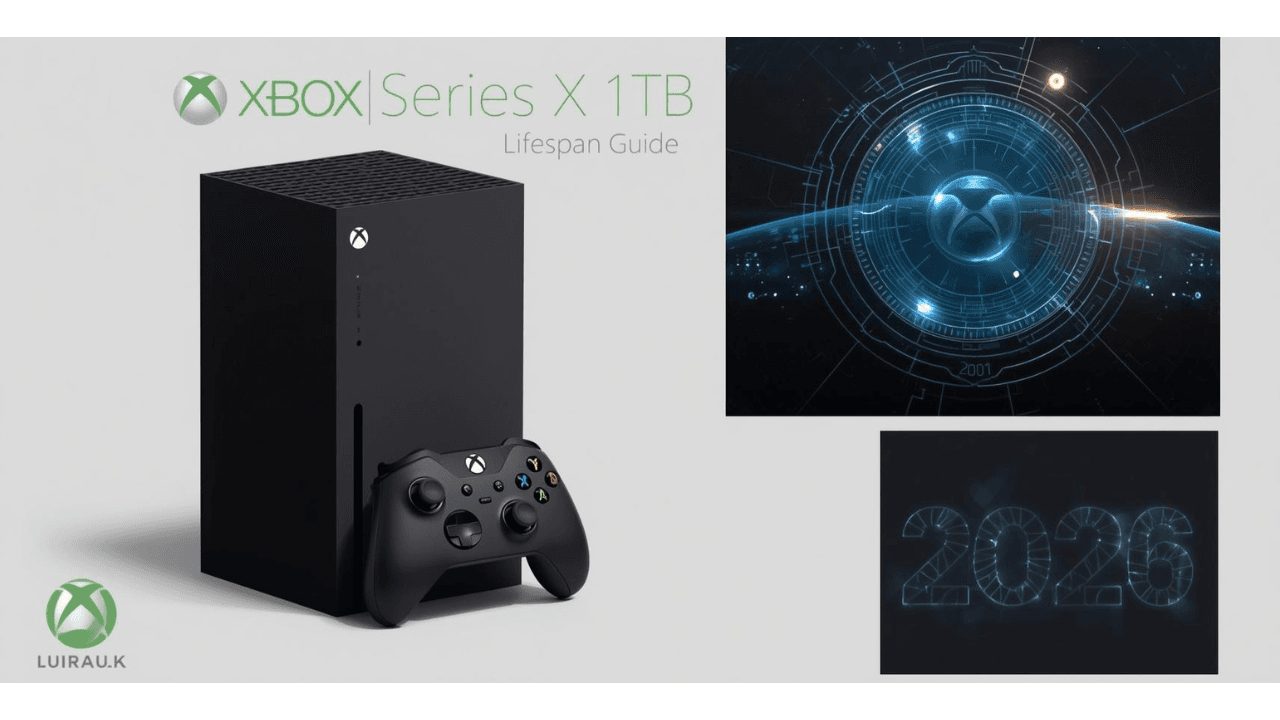
TL;DR The Microsoft Xbox Series X 1TB remains one of the most durable modern gaming consoles, with a realistic lifespan of 6 to 8 years and many well-maintained units comfortably extending beyond that into 2028 and even later. In 2026 India, where power stability, dust exposure, ambient heat, and long gaming sessions directly affect hardware longevity, the real lifespan depends less on the silicon’s capability and more on ventilation discipline, SSD health, cooling maintenance, and safe power practices.
Why Xbox Series X Lifespan Still Matters More in 2026
In 2026, console buyers are no longer thinking only about launch excitement or current-generation performance. The smarter question has shifted toward lifecycle value, how long the console will remain relevant, how long the hardware can survive India’s real-world conditions, and whether it can still comfortably support future titles through the end of this generation. This is exactly why the Xbox Series X lifespan discussion has become even more important now than it was in 2025.
The biggest reason the Series X still inspires confidence is generational timing. Launched in 2020, it remains firmly inside the standard 6 to 8 year premium console lifecycle window. That means in 2026, the hardware is still comfortably within its expected prime. The custom AMD Zen 2 CPU, RDNA 2 GPU architecture, 16GB GDDR6 memory, and fast NVMe SSD are all still modern enough to sustain demanding AAA gaming, backward compatibility, and Game Pass-heavy usage without feeling outdated. This is why most buyers should still realistically expect several more years of strong usability before lifecycle concerns become serious.
For Indian users, the lifespan conversation becomes even more practical because replacement costs are high and console upgrades are rarely impulse purchases. A Series X that can safely last until 2027–2028 with good maintenance dramatically improves the overall value of the purchase, especially when paired with long-term Game Pass subscriptions and digital game libraries.
Hardware Durability: What Actually Ages Over Time
The internal hardware of the Xbox Series X is built for sustained gaming workloads, but like all electronics, different components age at different rates. The CPU and GPU themselves are rarely the first points of failure because they are engineered for high thermal endurance and long continuous use. Under normal gaming conditions, these core components can remain stable for many years as long as the cooling path remains unobstructed.
The SSD is often misunderstood in lifespan discussions. Yes, SSDs technically have finite write cycles, but in real-world console use this rarely becomes a meaningful concern. Most gamers are far more likely to replace the console generation before reaching the NVMe drive’s endurance limit. The real storage-related risk is instead keeping the SSD nearly full for extended periods, which can gradually affect load responsiveness and update headroom.
| Hardware Component | Real Lifespan Outlook |
|---|---|
| CPU / GPU | 6–8+ years with proper cooling |
| NVMe SSD | 7+ years in normal gaming use |
| Cooling fan | May need cleaning over time |
| Internal PSU | Sensitive to power surges |
| HDMI / USB ports | Depends on handling discipline |
The fan and airflow path are the components most directly affected by Indian dust conditions. Over time, vent blockage and fan wear can raise internal temperatures, which creates the highest long-term risk to overall console health.
Performance Lifespan: Will It Still Feel Fast Through 2028?
The Xbox Series X remains comfortably inside its performance prime in 2026. Most modern AAA titles still run smoothly at high resolutions with stable frame rates, and the fast SSD continues to preserve the near-instant load behavior that defined the console’s launch advantage. This means buyers should not confuse “age” with meaningful real-world slowdown.
What changes over time is not raw console speed, but how developers optimize future games. As titles become more demanding toward the late 2020s, some compromises may appear in the form of lower dynamic resolutions, variable frame targets, or reduced ray tracing layers. However, this is a normal part of late-generation optimization and does not indicate the hardware is failing.
Another major 2026 factor extending performance lifespan is cloud gaming integration. Xbox Cloud Gaming and hybrid streaming workflows now reduce the pressure on local hardware for certain titles. This means even as native requirements rise, the console’s useful gaming life can be extended through Microsoft’s ecosystem strategy.
For most users, the real performance headroom should remain highly comfortable through at least 2027, with acceptable relevance even beyond that depending on gaming expectations.
The Biggest Indian Lifespan Risks: Dust, Heat, and Power
The three biggest real-world risks to Xbox Series X lifespan in India are dust, heat, and unstable electricity. These factors matter far more than normal gaming usage.
Dust is the most common long-term killer because it slowly blocks vents and reduces the cooling system’s ability to exhaust heat efficiently. This is especially important in cities with higher particulate environments or homes near roads and construction zones. Once airflow efficiency drops, internal thermal stress rises significantly.
Heat is the second major factor. Many Indian homes experience high ambient temperatures for several months of the year. When the console is placed inside enclosed TV units, near walls, or next to routers and set-top boxes, trapped heat compounds the problem and accelerates wear on the fan and power circuitry.
Power fluctuations are the third major concern. Sudden outages, voltage dips, and unstable wiring can gradually stress the internal power supply. In India, using a high-quality surge protector, voltage stabilizer, or UPS dramatically improves long-term safety.
These are the factors that usually decide whether a console lasts 6 years or pushes safely toward 8 years and beyond.
How to Extend Xbox Series X Lifespan Beyond the Standard Cycle
The smartest way to extend the Series X lifespan is through disciplined environmental maintenance rather than overthinking software wear.
The first rule is placement. Always keep the console in an open, well-ventilated space with enough clearance above the exhaust path. Avoid enclosed TV cabinets and tightly packed media shelves. The second rule is cleaning discipline. Light vent cleaning every 2 to 3 months can materially improve long-term thermal behavior, especially in dusty Indian environments.
The third major protection layer is power safety. A good surge protector or UPS is one of the most underrated console investments in India because it protects the internal PSU from voltage instability. This is especially important for users in areas with frequent outages or inverter switching.
The final best practice is storage hygiene. Keeping 15–20 percent SSD space free helps preserve smooth update installs, cache behavior, and overall system responsiveness. Combined with regular firmware updates, these habits can meaningfully extend both hardware and performance lifespan.
Why the Xbox Series X Still Remains a Safe Long-Term Console Investment
The strongest final takeaway is simple: the Xbox Series X remains one of the safest long-term console investments because its lifecycle is still far from over in 2026.
Its biggest advantage is generational relevance. The hardware is still modern, the Game Pass ecosystem keeps extending content value, backward compatibility preserves older purchases, and Microsoft’s cloud integration further stretches useful life beyond pure local silicon limitations. This means buyers are not just investing in a console, but in a gaming platform that remains highly resilient across multiple years.
For Indian gamers, the smarter mindset is to treat lifespan as an ownership discipline problem rather than a hardware fear. With proper ventilation, periodic dust cleaning, stable power protection, and realistic storage management, the Xbox Series X can comfortably remain reliable into 2028 and potentially beyond. For players who want one premium console that can survive the full generation cycle, it still remains one of the safest buys available today.
Frequently Asked Questions
Q. How many years can the Xbox Series X last with daily gaming?
With proper ventilation, regular vent cleaning, and stable power conditions, the Series X can comfortably last 6 to 8 years and many units may continue functioning well beyond that.
Q. Can dust really reduce Xbox Series X lifespan?
Yes, dust is one of the biggest risks because it blocks airflow, raises internal temperatures, and increases long-term fan and component stress.
Q. Is it safe to use the Xbox Series X for long gaming sessions?
Yes, the console is built for long sessions, but ensuring open ventilation and occasional cooldown breaks during marathon gaming can help reduce long-term thermal stress.
Q. Does the SSD wear out over time?
Technically yes, but in real-world gaming usage the NVMe SSD is extremely unlikely to reach its endurance limit before the console’s normal lifecycle ends.
Q. Will the Xbox Series X still remain relevant after 2027?
Yes, thanks to Microsoft’s backward compatibility, Game Pass ecosystem, and cloud gaming support, the Series X should remain useful even after the formal end of this generation cycle.
Ready to upgrade your tech?
Browse our collection of quality refurbished products at unbeatable prices.






