Is HP ZBook 15 G3 Still Worth Buying In 2026 For Students?
HP ZBook 15 G3 remains a powerful refurbished workstation laptop in 2026, ideal for engineering, CAD, coding, and technical students on budget.

TL;DR In 2026, the HP ZBook 15 G3 continues to hold relevance for students who need dependable workstation-level performance at a constrained budget. Originally designed as a full-size mobile workstation, it prioritizes stability, upgrade flexibility, and professional software compatibility over modern thin-and-light trends. While it cannot match newer laptops in battery efficiency or portability, its support for high-core-count Intel Xeon and Core processors, dedicated NVIDIA Quadro graphics, and extensive upgradability makes it suitable for engineering, design, and technical coursework. In India, refurbished and used HP ZBook 15 G3 units offer strong value for students who need raw performance and durability without paying for new-generation hardware.
Introduction To HP ZBook 15 G3 For Students In 2026
In 2026, many students evaluating older workstation laptops find themselves balancing affordability against capability, and the HP ZBook 15 G3 sits squarely in this conversation. Originally launched as part of HP’s professional workstation lineup, the ZBook 15 G3 was built for engineers, designers, and enterprise users who required consistent performance under heavy workloads. Unlike consumer laptops that focus on slim profiles and visual appeal, this model was engineered with longevity, modularity, and sustained computing power as core priorities. For students today, particularly in India where budget constraints often shape purchasing decisions, these priorities still matter.
Students exploring professional laptops frequently browse curated collections such as to understand how older workstation models fit into modern academic needs. The ZBook 15 G3 remains visible in refurbished and used markets because its foundational hardware capabilities still meet the demands of many academic applications. Software used in engineering, architecture, data analysis, and media production has not fundamentally abandoned older x86 workstation architectures, especially when sufficient RAM and dedicated graphics are available.
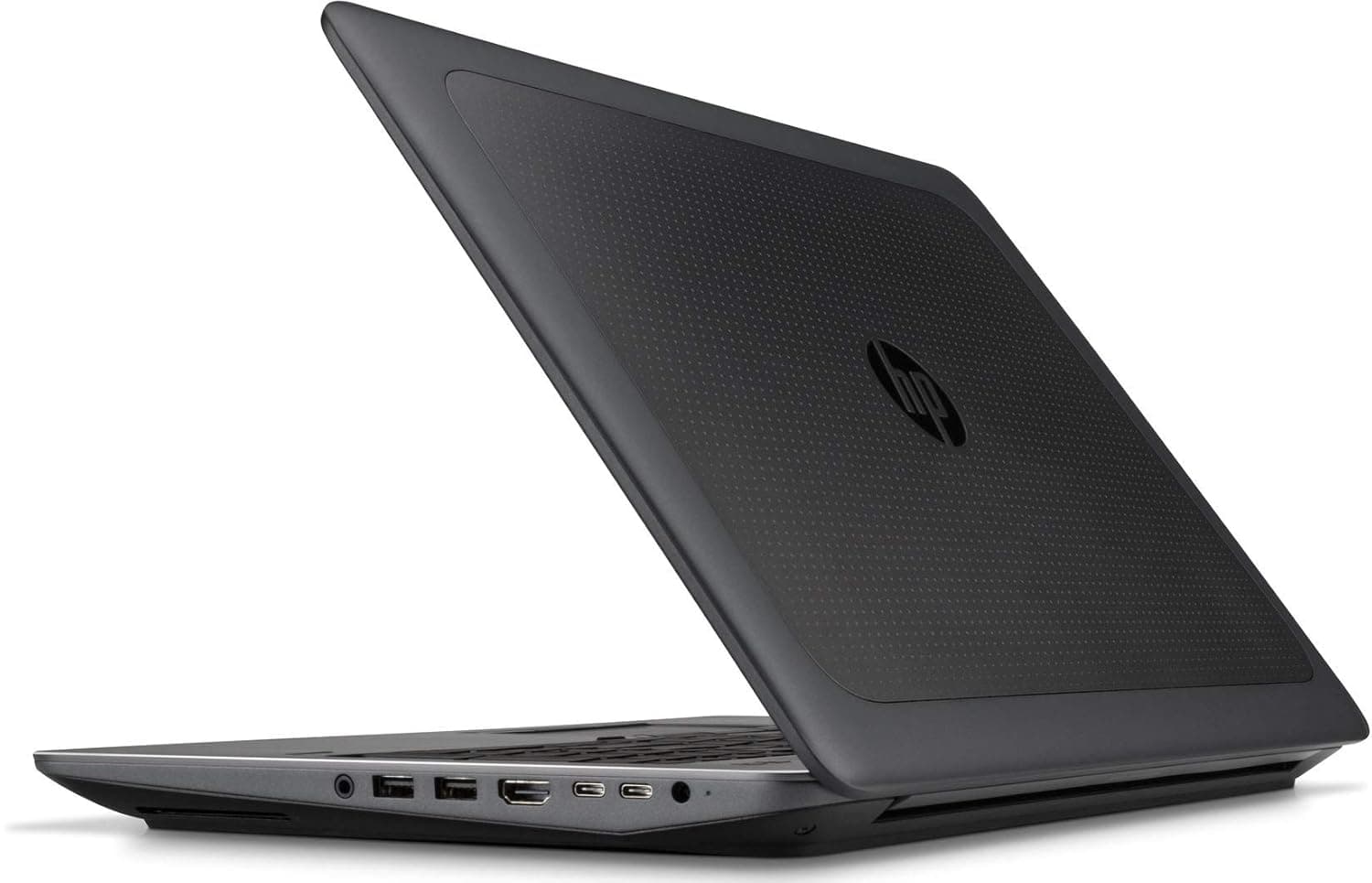
It is important to recognize that the ZBook 15 G3 represents a different era of laptop design. Its larger chassis, higher weight, and traditional port selection contrast sharply with newer ultrabooks. However, this design also enables better thermals, more upgrade options, and broader compatibility with professional peripherals. For students who prioritize dependable performance over portability or aesthetics, the HP ZBook 15 G3 remains a serious contender even in 2026.
HP ZBook 15 G3 Specs
The HP ZBook 15 G3 specifications clearly reflect its heritage as a robust mobile workstation rather than a lightweight student notebook. This model was released as part of HP’s ZBook lineup focused on sustained performance for professional workloads such as CAD, 3D modeling, engineering simulations, data analysis, and content creation. Its design priorities differ from those of modern thin laptops, and its internal architecture reflects the computing needs of professionals from the mid‑2010s onward.
At its core, the ZBook 15 G3 supports a range of Intel 6th Generation CPUs, including high‑performance quad‑core Intel Core i7 processors such as the i7‑6700HQ and i7‑6820HQ, as well as select Intel Xeon E3 processors which offer workstation‑oriented features and reliability enhancements. These CPUs, although dated by 2026 benchmarks, still deliver strong multi‑core throughput, making them suitable for parallelizable tasks, large‑scale data processing, and applications that demand consistent performance under load rather than peak single‑threaded speed. This performance profile remains relevant for students handling complex software.
One of the ZBook 15 G3’s enduring strengths is its memory support and expandability. The platform supports up to 64 GB of DDR4 RAM across multiple SO‑DIMM slots, a capacity that is still uncommon among many modern laptops and especially useful when working with virtual machines, large simulation projects, or extensive data sets. Most refurbished units in the market also come with dual‑channel memory configurations that enhance real‑world responsiveness.
Storage options on the ZBook 15 G3 are equally flexible. Unlike many consumer laptops with fixed storage, this model supports a combination of NVMe PCIe SSDs, SATA SSDs, and even traditional HDDs depending on configuration and user upgrades. Multiple storage bays and M.2 slots mean students can configure the system for both fast boot/application performance and large local data storage.
Graphics performance is handled by professional‑oriented GPUs rather than mainstream gaming chips. Common options include NVIDIA Quadro M1000M and M2000M with dedicated GDDR5 memory, designed for sustained performance and accurate OpenGL support in technical applications rather than peak gaming throughput. These professional GPUs are suited for design, visualization, and simulation workloads which are common in engineering and creative coursework.
The display options on many configurations include 15.6‑inch Full HD IPS panels, offering comfortable clarity for long study sessions and design reviews. Some higher‑spec units even offered 4K panels with DreamColor support, enhancing color accuracy for creative workflows.
Overall, the HP ZBook 15 G3 Specs show a well‑rounded workstation designed to balance performance, expandability, and reliability making it a durable choice for students with demanding academic workloads even years after its initial release.
The table below summarizes commonly found specifications in refurbished units:
These specs demonstrate that while the ZBook 15 G3 is not modern in design, it remains technically capable for demanding academic workloads when properly configured.
HP ZBook 15 G3 Review
A realistic HP ZBook 15 G3 Review for students must focus on day-to-day academic usage rather than synthetic benchmarks. In real-world scenarios, this workstation excels in environments where sustained performance matters more than instant responsiveness. Students running engineering simulations, compiling large codebases, or working with complex 3D models benefit from the ZBook’s robust thermal design, which allows the CPU and GPU to maintain performance without aggressive throttling.
Keyboard comfort and typing experience are often highlighted positively by users. Long hours of report writing, coding, or documentation are made easier by the full-sized keyboard and solid key travel. The large chassis also allows for effective cooling, which reduces fan noise spikes during extended workloads. However, the trade-off is portability. Carrying a 2.6 kg workstation across campus daily can be tiring, particularly for students accustomed to lightweight laptops.
Battery life is one of the weaker aspects of the ZBook 15 G3. Designed in an era where plug-in usage was assumed, it typically delivers moderate battery life under light workloads and significantly less under heavy use. Students should expect to rely on access to power outlets during long study sessions. Display quality, while adequate for technical work, does not match modern high-brightness or high-refresh panels, though it remains comfortable for extended viewing.
Overall, the HP ZBook 15 G3 Review paints a picture of a reliable, performance-focused machine. It rewards students who value stability, upgrade potential, and professional-grade hardware, while requiring acceptance of its bulk and aging battery efficiency.
HP ZBook 15 G3 Price In India
In 2026, the HP ZBook 15 G3 Price in India is influenced almost entirely by the refurbished and used laptop market, since new units have long exited official retail channels. This model was originally sold as a high-end enterprise workstation, and HP no longer lists it as a current new product on its India store. That means students and buyers looking in 2026 will find HP ZBook 15 G3 laptops mostly through online refurbished retailers, authorized refurbs, or second-hand marketplaces. Across India’s major refurbished laptop platforms and reseller listings, pricing has stabilized into recognizable tiers based on configuration, condition, warranty inclusion, and component quality.
The core drivers of price remain the same components that define performance: the CPU (Intel Core i7 or Intel Xeon E3), amount of RAM, storage type, and GPU. A base configuration with an Intel Core i7-6820HQ or similar 6th-generation i7 paired with 16 GB of RAM and a 256 GB or 512 GB SSD is among the most common options available refurbished in India. Such units are typically priced in the ₹40,000 to ₹55,000 range, making them competitive with mainstream mid-range consumer laptops while offering superior workstation build quality and better support for sustained workloads.
Higher-spec configurations that include Xeon E3 processors, 32 GB or more RAM, and dedicated NVIDIA Quadro M2000M or M3000M graphics command a premium within the refurbished segment. These configurations are often priced between ₹55,000 and ₹70,000, depending on the quality of supplier refurbishment, warranty coverage, and whether the SSD has been upgraded to faster NVMe units. Even at the higher end, these prices remain significantly lower than new professional mobile workstations with similar performance, which in 2026 typically start well above ₹1,00,000 in India.
The used market (non-refurbished) presents even lower price points, frequently beginning around ₹30,000 to ₹40,000 for units sold as-is without warranty or professional testing. While this may be attractive to budget-constrained students, such purchases carry notable risks, including unknown battery health, potential component wear, and no assurance of functional stability. Many students report encountering issues such as degraded thermal paste, worn keyboards, or battery capacity below 60 percent in truly “used” units without refurbishment.
Even with these variations, the overall HP ZBook 15 G3 price spectrum in India remains clear: refurbished units with verified testing and warranty offer the best balance of cost and reliability, while used units provide the lowest upfront price if the buyer is willing to accept the added risk and potential maintenance costs. For many students in 2026, the refurbished pricing tier offers the most practical path to acquiring genuine workstation performance without the premium of newer models.
The following table outlines typical pricing tiers:
These prices highlight why the ZBook 15 G3 remains attractive to students in India. It offers workstation-class hardware at a cost comparable to mid-range consumer laptops, making it a practical option for those who prioritize performance over modern design.
Refurbished HP ZBook 15 G3
The refurbished HP ZBook 15 G3 market is where this workstation truly finds its place among students. Refurbished units are typically sourced from corporate lease returns, where systems were used in controlled environments and maintained according to enterprise standards. This means the structural integrity and internal components often remain in good condition even after years of use. For students, this translates into access to high-quality hardware at significantly reduced prices.
A well-refurbished ZBook 15 G3 undergoes component testing, storage replacement, thermal servicing, and operating system reinstallation. Reputable refurbishers also provide limited warranty coverage, which reduces the risk associated with purchasing older hardware. Battery health is an important consideration, as original batteries may show wear. Many refurbishers address this by replacing or recalibrating batteries, though students should verify expected battery performance before purchase.
From a longevity perspective, refurbished ZBook 15 G3 units still have strong potential. The ability to upgrade RAM and storage allows students to extend the usable life of the laptop as academic demands increase. Unlike many modern laptops with soldered components, this modularity is a significant advantage. For students entering multi-year degree programs, a refurbished ZBook can remain functional throughout their studies and into early professional roles.
Used HP ZBook 15 G3 Laptop
A used HP ZBook 15 G3 Laptop differs from a refurbished unit primarily in the level of inspection and assurance provided. Used laptops are often sold as-is, with minimal testing and no warranty. While this can result in lower upfront cost, it introduces uncertainty regarding component health, thermal performance, and battery condition. Students considering used units must carefully weigh savings against potential repair expenses.
In academic contexts, reliability is crucial. Unexpected hardware failures during exams or project deadlines can be disruptive. Used ZBook 15 G3 units may still perform well, especially if sourced from individual professionals, but they require thorough inspection. Checking SMART data for storage drives, verifying RAM integrity, and assessing thermal performance are essential steps.
For technically inclined students who are comfortable upgrading components and troubleshooting issues, a used ZBook 15 G3 can represent a low-cost entry into workstation computing. However, for most students, refurbished units offer a better balance between affordability and peace of mind, particularly when academic timelines leave little room for hardware downtime.
HP ZBook 15 G3 Workstation Laptop
As a workstation laptop, the HP ZBook 15 G3 was designed around professional reliability standards that continue to matter in academic and technical environments even years after its release. When it launched, HP positioned the ZBook 15 G3 as a mobile workstation certified for professional software ecosystems rather than a general-purpose notebook. This certification covered widely used engineering and creative applications such as AutoCAD, SolidWorks, CATIA, MATLAB, and Adobe Creative Cloud. These certifications were not marketing claims but the result of coordinated testing between HP, GPU vendors like NVIDIA, and software developers to ensure driver stability, rendering accuracy, and predictable behavior. For students working on graded projects or research deliverables, this stability reduces the risk of crashes, file corruption, or inconsistent output, which are issues more commonly encountered on consumer laptops under heavy workloads.
The workstation classification also directly influences the internal design of the HP ZBook 15 G3. Its larger chassis allows for a more generous thermal solution compared to slim laptops, including multiple heat pipes, larger exhaust vents, and higher-capacity fans. This thermal headroom enables the CPU and NVIDIA Quadro GPU to sustain performance over long sessions without aggressive throttling. In practice, this means students running simulations, compiling large codebases, or rendering 3D models can expect consistent performance across hours rather than short bursts. The reinforced aluminum and magnesium chassis, combined with enterprise-grade hinges and keyboard assembly, further supports long-term use in demanding academic settings where laptops are frequently transported and used for extended periods.
Although the HP ZBook 15 G3 lacks modern features such as ultra-fast charging, OLED displays, or high-refresh-rate panels, this omission reflects its original purpose rather than a deficiency. Instead, it offers reliability, expandability, and predictable behavior. Features like a full enterprise BIOS, ECC memory support on Xeon configurations, and extensive port selection align with professional workflows rather than lifestyle usage. For students who see their laptop as a foundational productivity tool that bridges academic work, internships, and early professional projects, the HP ZBook 15 G3 continues to function as a capable and trustworthy workstation laptop in 2026.
Why the HP ZBook 15 G3 Still Remains a Smart Workstation Buy for Students in 2026
The strongest closing takeaway is simple: the HP ZBook 15 G3 still makes sense in 2026 not because it competes with modern ultrabooks on portability, but because it continues to deliver genuine workstation-grade reliability at a student-friendly refurbished price. For engineering, architecture, data science, coding, and design students, the real value lies in its sustained performance, Quadro graphics stability, and exceptional upgrade flexibility. When academic workloads involve CAD models, simulations, virtual machines, rendering pipelines, or large codebases, the ZBook 15 G3’s larger thermal headroom and up to 64GB RAM support still give it a meaningful advantage over many thinner consumer laptops in the same budget range.
What makes it especially practical for India’s student market is cost-efficient workstation access. A new laptop with similar workstation-oriented durability, certified GPU stability, and enterprise-grade build quality would require a far higher budget in 2026. The ZBook 15 G3 compresses that performance class into a far more accessible refurbished price band, making it ideal for students who need technical software compatibility without stretching into premium workstation pricing. This becomes even more valuable over a 3–4 year degree cycle, where the laptop’s modular RAM and storage expansion allow it to grow alongside heavier academic workloads.
The only real trade-off remains portability and battery expectations. At around 2.6 kg, it is clearly designed as a desk-first workstation rather than an all-day carry laptop. But for students who primarily work in labs, studios, hostels, or fixed study setups, that compromise is often worth accepting in exchange for stability, reliability, and raw technical performance. If your workflow prioritizes sustained workstation capability over thin-and-light aesthetics, the HP ZBook 15 G3 still remains one of the safest refurbished technical laptop investments for students in 2026.
Frequently Asked Questions
Q. Is the HP ZBook 15 G3 suitable for engineering students in 2026?
Yes. It remains an excellent fit for engineering students because its Quadro graphics, strong multi-core CPUs, and stable thermal design comfortably support CAD, simulation, MATLAB, and other technical workloads.
Q. Can the HP ZBook 15 G3 still handle coding and data science workflows?
Absolutely. Its support for high RAM capacities, multi-core Intel Core i7 or Xeon processors, and upgradeable NVMe SSD storage makes it highly effective for Python, Jupyter notebooks, SQL tools, virtual machines, and analytics projects.
Q. Is the HP ZBook 15 G3 too heavy for daily campus use?
For frequent commuters, yes, it can feel heavy at approximately 2.6 kg. However, for students working mostly from labs, hostels, studios, or fixed desks, the trade-off is usually worth it because of the stronger cooling and sustained performance.
Q. How much RAM should students choose in a refurbished ZBook 15 G3?
The 16GB configuration is the safest starting point for most students, but those working with virtual machines, heavy CAD files, simulations, or data science projects should strongly consider 32GB or higher because the laptop supports up to 64GB.
Q. Should students buy used or refurbished HP ZBook 15 G3 units?
Refurbished units are almost always the better choice because they include thermal servicing, SSD health checks, OS reinstallation, and limited warranty coverage. This dramatically reduces risk compared to as-is used marketplace listings.