
HP ZBook Firefly G9 For Architects In 2026: AutoCAD, Revit, And SketchUp Use
This detailed guide examines how the Firefly G9 performs for architecture workflows in 2026 and which architects benefit most from this portable workstation.

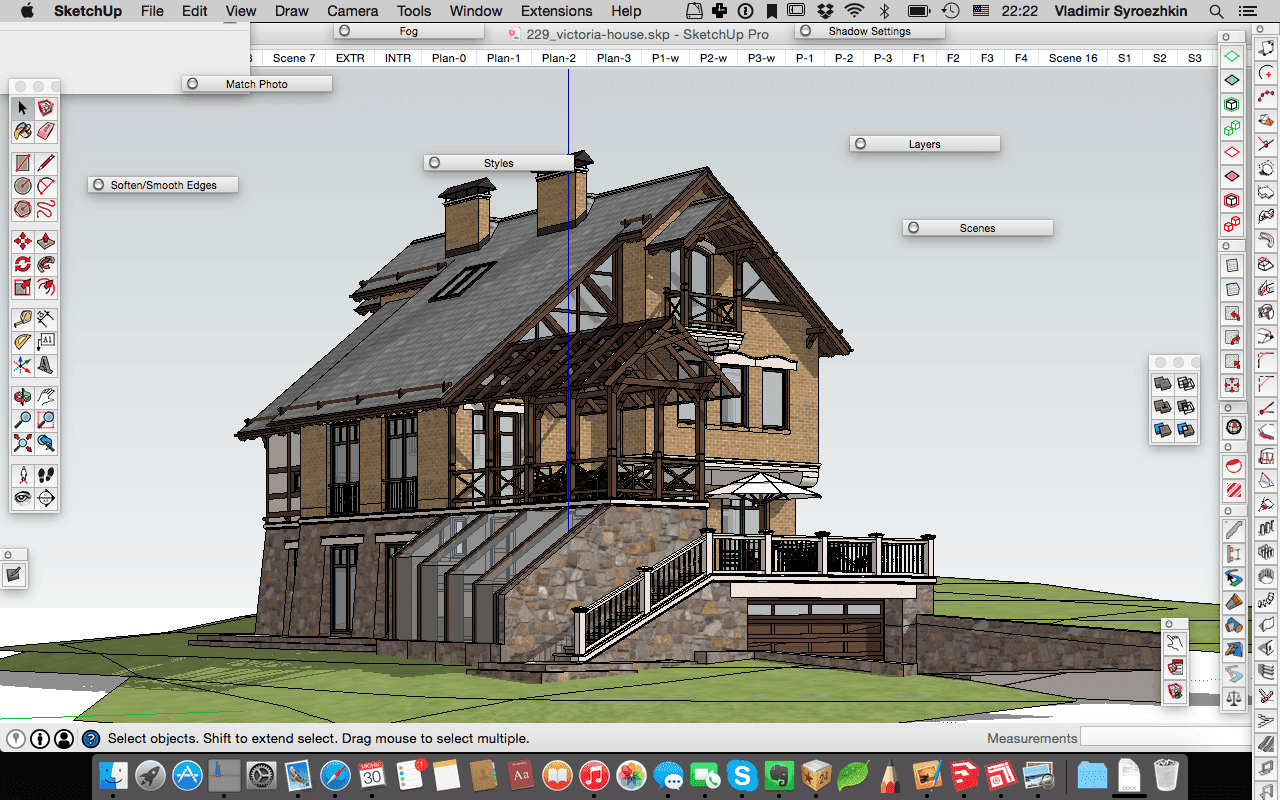
Architecture workflows in 2026 are increasingly mobile. Architects work across design studios, construction sites, collaborative offices, and remote environments. This shift has created strong demand for lightweight mobile workstations that can run professional design software without the bulk of traditional workstation laptops.
The HP ZBook Firefly 14 G9 is designed specifically for professionals who need portability along with workstation-grade stability. With 12th generation Intel processors, optional professional NVIDIA graphics, fast NVMe storage, and enterprise durability, the Firefly G9 aims to support architectural software such as AutoCAD, Revit, and SketchUp while remaining easy to carry between locations.
This detailed guide examines how the Firefly G9 performs for architecture workflows in 2026 and which architects benefit most from this portable workstation.
Architecture Laptop Requirements In 2026
Architecture software combines several types of computing workloads. Drafting applications rely on strong single core CPU performance, BIM platforms require large memory capacity, and 3D modelling tools benefit from GPU acceleration.
A capable architecture laptop in 2026 generally requires:
- Strong single core CPU performance for drafting
- Efficient multi core processing for BIM modelling
- Professional GPU or capable integrated graphics
- Minimum 16GB RAM, preferably 32GB
- Fast NVMe SSD storage for large project files
The Firefly G9 aligns well with these requirements thanks to its hybrid Intel processor architecture and workstation-class configuration options.
Processor Architecture And Architectural Workflows
The Firefly G9 is powered by Intel 12th generation processors based on Alder Lake hybrid architecture, combining performance cores and efficiency cores to improve multitasking and responsiveness.
For architectural software, this architecture provides several benefits:
- Faster regeneration of CAD drawings
- Responsive editing of BIM components
- Efficient multitasking between design tools and documentation software
- Better stability during long design sessions
Performance cores handle active modelling tasks such as sketch editing or object manipulation, while efficiency cores manage background processes such as browser tabs, rendering previews, and project exports.
This balance allows architects to work smoothly even when multiple design applications are open simultaneously.
AutoCAD Performance On Firefly G9
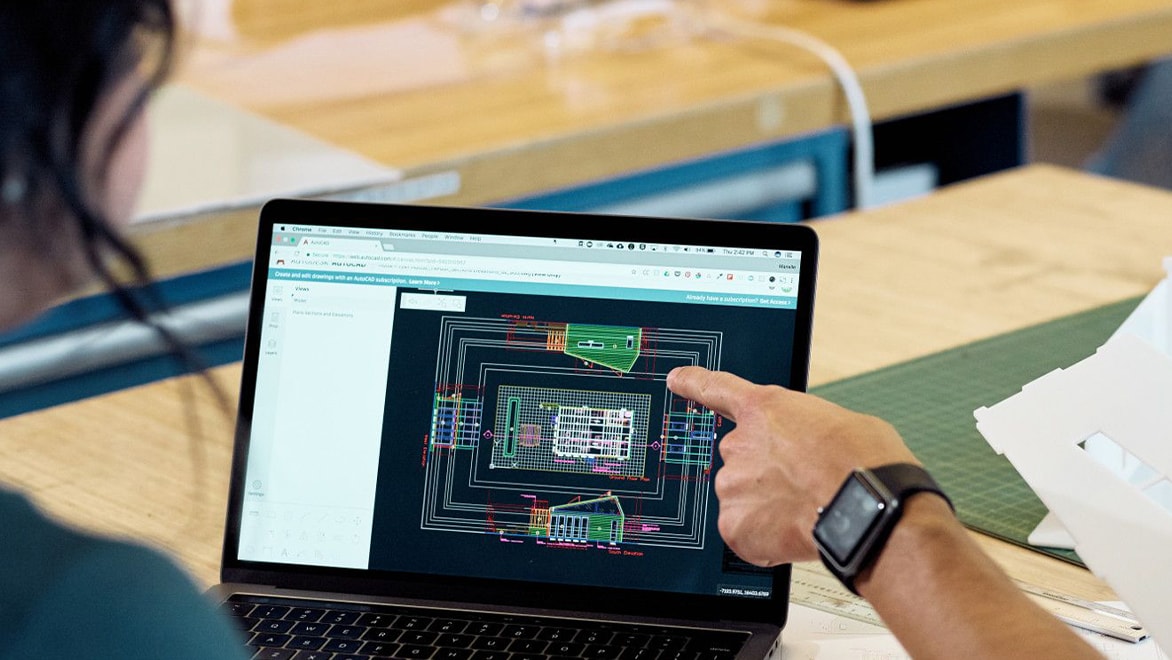
AutoCAD remains one of the most widely used tools for architectural drafting.
AutoCAD performance depends primarily on:
- CPU clock speed
- Viewport rendering stability
- Storage speed for large drawings
The Firefly G9 performs well in AutoCAD workflows such as:
- 2D drafting of floor plans and elevations
- Architectural construction documentation
- Annotation and layer management
- Moderate 3D modelling within CAD environments
Integrated Intel Iris Xe graphics can handle most 2D drafting workloads. However, Firefly G9 configurations equipped with professional GPUs such as NVIDIA T500 provide smoother viewport performance when working with complex 3D views.
For architects primarily working with technical drawings and moderate 3D visualisation, the Firefly G9 delivers responsive performance.
Revit Performance And BIM Workflows
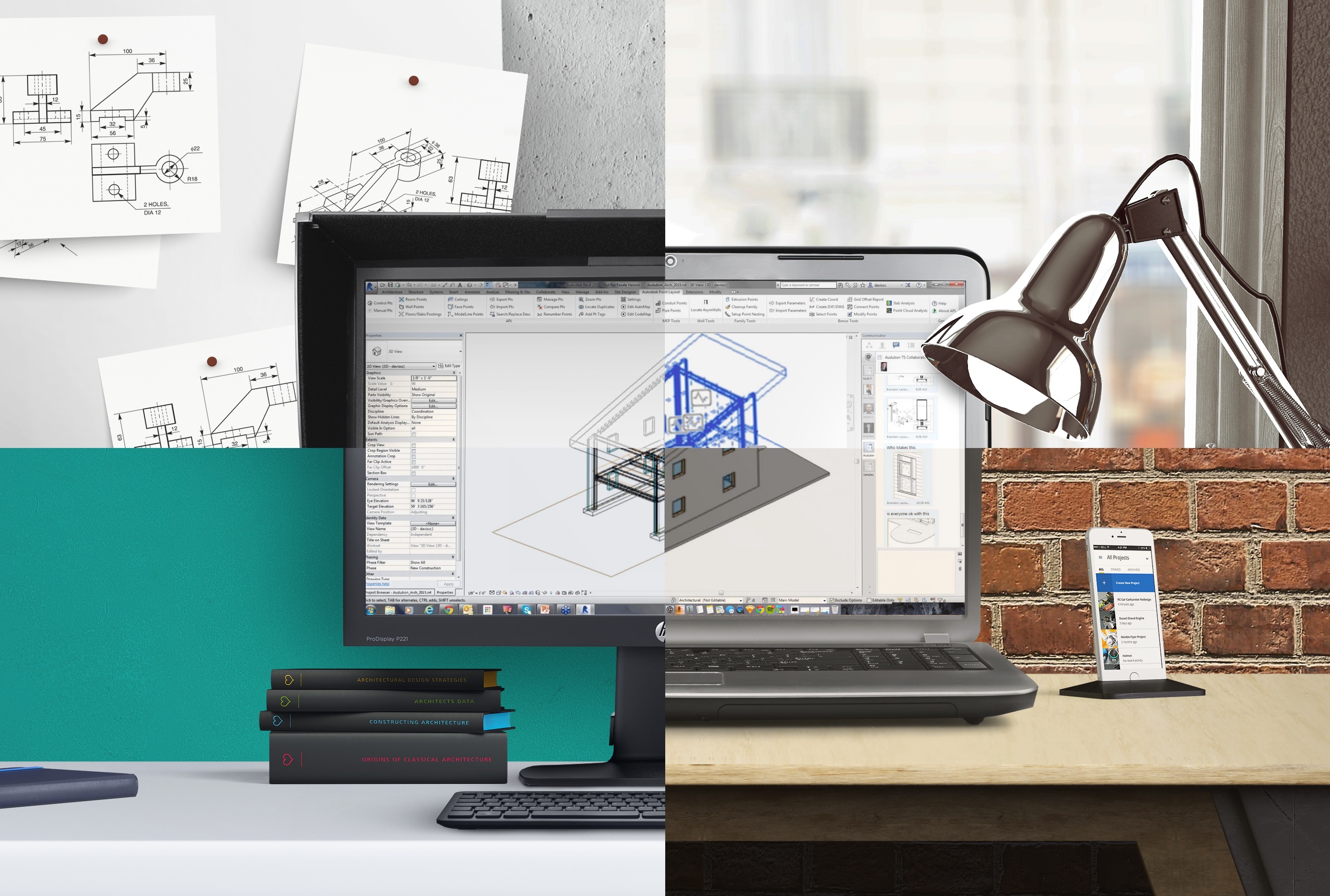
Autodesk Revit is significantly more demanding than drafting software because it manages complete building information models with interconnected parameters.
Revit performance depends on:
- CPU responsiveness
- RAM capacity
- SSD speed
- GPU performance for 3D navigation
The Firefly G9 handles several BIM workflows effectively:
- Residential building design
- Small commercial BIM models
- Architectural documentation and detailing
- Collaborative model editing for moderate projects
However, extremely large BIM models containing thousands of elements may benefit from higher-power workstation systems with stronger multi core CPUs and GPUs.
For architecture students and small design studios, the Firefly G9 offers a balanced platform for Revit projects.
SketchUp For Conceptual Design

SketchUp is widely used for conceptual modelling and quick architectural visualisation.
SketchUp workloads rely on:
- CPU speed for geometry operations
- GPU power for viewport rendering
- RAM for large scenes
The Firefly G9 supports SketchUp tasks such as:
- Concept building models
- Interior space planning
- Urban layout visualisation
- Early stage design presentations
Configurations with dedicated NVIDIA graphics provide smoother model orbiting and better performance when working with complex textures or lighting effects.
For conceptual architecture workflows, the Firefly G9 offers strong performance within a portable design workstation.
GPU Role In Architectural Software
Graphics processing plays an important role in 3D modelling and visualisation.
The Firefly G9 may include:
- Integrated Intel Iris Xe graphics
- NVIDIA T500 professional GPU in select configurations
Professional GPUs offer advantages such as:
- Stable drivers for CAD and BIM applications
- Smooth 3D model navigation
- Better viewport rendering performance
- Improved compatibility with rendering tools
Architects who frequently work with 3D models or visualisation tasks benefit from choosing GPU equipped configurations.
RAM And Storage For Architecture Projects
Architectural projects often involve large datasets including:
- CAD drawing libraries
- BIM models
- texture files and rendering assets
- exported drawings and presentation materials
The Firefly G9 supports large memory capacities and fast NVMe SSD storage, which improve productivity when working with complex projects.
Recommended configurations for architecture use:
- 16GB RAM for basic drafting tasks
- 32GB RAM for BIM modelling and multitasking
- 1TB NVMe SSD for large project storage
Fast SSD storage significantly reduces file loading and saving times for large BIM projects.
Portability For Architectural Workflows
One of the biggest advantages of the Firefly G9 is mobility.
The lightweight design allows architects to:
- review drawings during site visits
- present models during client meetings
- work across multiple office environments
- collaborate remotely while travelling
Compared to heavier workstation models, the Firefly G9 is much easier to carry while still offering professional design capabilities.
Display Quality For Design Precision
Architectural work requires clear and detailed displays for reviewing drawings and models.
Firefly G9 display options include:
- high resolution IPS panels
- anti glare screens for long working sessions
- accurate colour reproduction for presentations
These display features help architects examine technical drawings and design details with clarity.
Limitations Architects Should Consider
Despite strong capability, the Firefly G9 is still a thin mobile workstation.
Potential limitations include:
- less GPU power compared to larger workstation laptops
- limited thermal headroom for long rendering tasks
- smaller display compared to 16 inch design workstations
Architects working with heavy rendering engines or extremely complex BIM models may prefer larger workstation systems.
Ideal Architecture Users For Firefly G9
The Firefly G9 is well suited for:
- architecture students
- junior architects
- freelance designers
- architects prioritising mobility
It works particularly well for drafting, conceptual modelling, and moderate BIM workflows.
Conclusion
In 2026, the HP ZBook Firefly 14 G9 offers a balanced combination of portability and professional capability for architectural workflows.
Its 12th generation Intel processors, professional GPU options, fast NVMe storage, and workstation-grade reliability allow architects to run AutoCAD, SketchUp, and moderate Revit BIM projects efficiently.
While it may not replace high performance workstation laptops used for heavy rendering or massive BIM models, it remains an excellent mobile workstation for architects who need flexibility, mobility, and dependable design software performance.
Frequently Asked Questions
1. Is the HP ZBook Firefly G9 good for AutoCAD in 2026?
Yes. The Firefly G9 performs very well for 2D drafting and moderate architectural drawings due to strong single core CPU performance.
2. Can the Firefly G9 run Revit smoothly?
Yes for small to medium BIM projects. Larger collaborative models may benefit from more powerful workstation systems.
3. Does the Firefly G9 support professional graphics?
Yes. Some configurations include NVIDIA T500 professional GPUs for improved 3D modelling performance.
4. How much RAM should architects choose?
16GB is the minimum for drafting tasks, but 32GB is recommended for BIM workflows and multitasking.
5. Is the Firefly G9 suitable for architecture students?
Yes. Its portability, professional reliability, and strong CPU performance make it ideal for architecture students and freelancers.
Ready to upgrade your tech?
Browse our collection of quality refurbished products at unbeatable prices.






