
Dell Latitude 5511 Review: Enterprise Workstation Laptop With Quadro RTX Power
Explore the Dell Latitude 5511 – a powerful business workstation with Intel Core i7, 16GB RAM, 512GB SSD, and NVIDIA Quadro RTX 3000 graphics. Learn about its performance, design, features, and why it’s ideal for professionals.

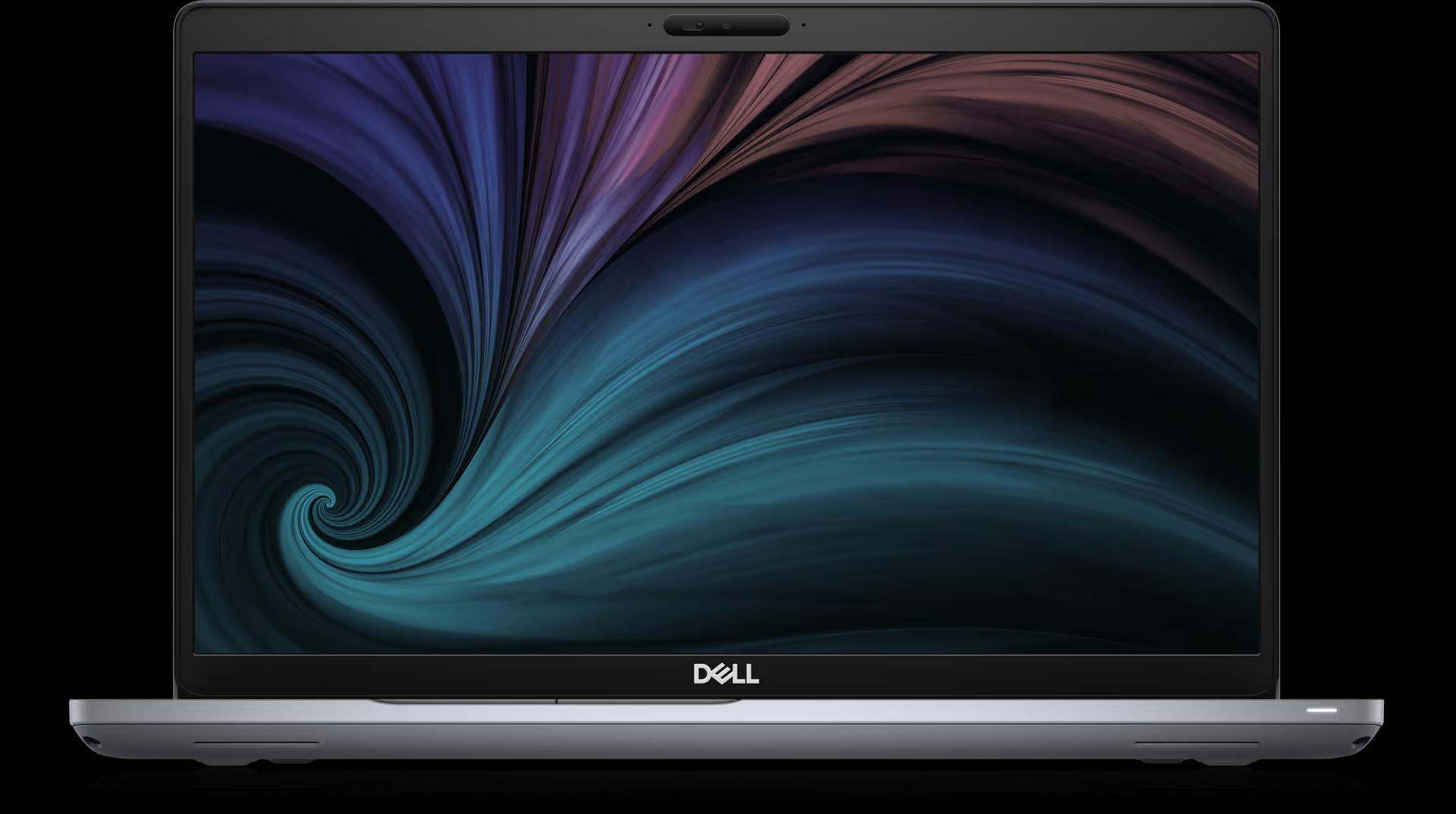
TL;DR The Dell Latitude 5511 continues to remain one of the strongest refurbished workstation laptops because it combines Intel Core i7 10th Gen performance, NVIDIA Quadro RTX 3000 professional graphics, enterprise-grade durability, upgrade-friendly architecture, and strong thermal stability into a highly dependable professional productivity machine. Unlike thin consumer ultrabooks that prioritize portability over sustained performance, the Latitude 5511 focuses heavily on CAD workflows, engineering software, AI-assisted productivity, 3D rendering, virtualization, and enterprise reliability. Combined with workstation-class RTX acceleration, professional GPU drivers, robust cooling, and long-term upgrade flexibility, the Dell Latitude 5511 remains one of the best refurbished business workstation laptops for engineers, architects, creators, analysts, and enterprise users in 2026 and 2027.
Why Refurbished Workstation Laptops Are Becoming More Popular
Refurbished workstation laptops are becoming increasingly popular because modern professionals now prioritize sustained performance, upgradeability, and reliability over ultra-thin aesthetics alone. Engineering workflows, CAD rendering, AI-assisted productivity, machine learning experimentation, virtualization, and creator applications all require significantly more thermal headroom and GPU acceleration than standard ultrabooks typically provide. This dramatically increases demand for enterprise-grade refurbished workstation systems.
Another important factor is value because professional workstation laptops with RTX graphics and enterprise build quality often cost extremely high prices when purchased new. Refurbished enterprise systems such as the Dell Latitude 5511 therefore offer substantially better performance-per-rupee compared to many new consumer laptops in similar price ranges. This makes workstation-class computing far more accessible for professionals and students.
The rapid rise of AI-assisted workflows, Blender rendering, CAD applications, simulation software, Docker environments, and creator-focused multitasking also contributes heavily because these workloads increasingly depend on certified professional graphics and stable thermal performance. The Dell Latitude 5511 especially benefits because it balances enterprise reliability and workstation-grade computing extremely effectively.
Dell Latitude 5511 Specifications
| Specification | Details |
|---|---|
| Processor | Intel Core i7 10th Gen |
| CPU Cores | 6 to 8 Cores |
| RAM | 16GB DDR4 |
| Storage | 512GB SSD |
| Dedicated GPU | NVIDIA Quadro RTX 3000 6GB |
| Display Size | 15.6-inch Full HD |
| Operating System | Windows |
| Category | Business Workstation Laptop |
| Special Features | Enterprise Security, Robust Cooling |
| Upgradeability | RAM and SSD Upgrade Support |
The specifications clearly show why the Dell Latitude 5511 competes strongly in the refurbished professional workstation category because the hardware balance focuses heavily on sustained productivity performance, certified workstation graphics, and long-term reliability instead of lightweight ultrabook portability alone. The Quadro RTX 3000 especially remains highly relevant for professional rendering and engineering workflows even in 2026 and 2027. This significantly improves real-world professional usability overall.
Another important factor is upgrade flexibility because enterprise workstations continue offering better long-term hardware scalability compared to soldered ultrabooks. Users can therefore expand RAM and SSD storage later as workloads become more demanding over time. Long-term upgradeability dramatically improves ownership value overall.
Design and Enterprise Build Quality
The Dell Latitude 5511 adopts a clean professional enterprise design that prioritizes durability and functionality instead of flashy aesthetics or gaming-oriented styling. The matte-finished chassis, reinforced hinge structure, and stronger internal frame make the laptop highly dependable for long-term office usage, enterprise deployment, and professional travel environments. This dramatically improves long-term reliability overall.
Unlike ultra-thin consumer ultrabooks that often compromise thermal performance and serviceability, the Latitude 5511 maintains a thicker and more serviceable chassis specifically designed for workstation-class workloads. Professionals handling rendering, simulation, coding, virtualization, and GPU-heavy applications therefore benefit from much better sustained stability during prolonged workloads. Structural balance remains one of the laptop’s biggest strengths overall.
Another important factor is enterprise practicality because the Latitude lineup has long prioritized repairability, durability, and professional usability over cosmetic minimalism. IT-managed environments especially benefit from the serviceable design and easier maintenance access compared to heavily sealed modern ultrabooks. Enterprise usability therefore improves significantly overall.
Why Workstation Build Quality Still Matters
Professional workloads increasingly involve prolonged rendering sessions, AI-assisted processing, virtualization, simulations, large spreadsheets, and multitasking-heavy workflows that generate significant thermal stress over extended periods. Thin consumer laptops often throttle aggressively during sustained workloads because they prioritize compactness over cooling capacity. Workstation-grade designs therefore remain highly important for professionals.
The Dell Latitude 5511 especially benefits because the thicker chassis provides stronger airflow management and more stable thermal behavior during long professional sessions. Engineers, creators, architects, analysts, and enterprise users therefore gain substantially more reliable sustained performance compared to many thinner productivity laptops. Better thermal headroom dramatically improves workflow consistency overall.
Another important factor is durability because enterprise laptops are specifically designed to survive years of office travel, docking station usage, client meetings, and heavy daily operation. The Latitude 5511 therefore remains much more dependable for long-term professional usage compared to many consumer-oriented alternatives. Reliability continues becoming increasingly valuable for hybrid work environments.
Intel Core i7 10th Gen Performance
The Intel Core i7 10th Gen processor remains one of the strongest aspects of the Dell Latitude 5511 because the multi-core architecture comfortably handles multitasking-heavy enterprise and creator workloads involving virtualization, spreadsheets, coding environments, rendering applications, browser-heavy workflows, and productivity software simultaneously. This dramatically improves long-term workflow responsiveness overall.
The processor especially benefits professional multitasking because users can comfortably run CAD software, Docker containers, Python environments, spreadsheets, browsers, communication platforms, and rendering tools together without major instability during prolonged sessions. Enterprise professionals and engineering users therefore experience highly dependable performance during demanding workflows. CPU stability remains highly practical overall.
Another important factor is AI-assisted productivity because modern applications increasingly depend on multi-threaded processing for automation workflows, AI-based editing, virtualization, machine learning experimentation, and productivity optimization. The Latitude 5511 therefore remains surprisingly relevant for modern professional workloads even several years after release. Processor longevity significantly improves long-term value overall.
NVIDIA Quadro RTX 3000 Workstation Graphics
The NVIDIA Quadro RTX 3000 remains the defining feature of the Dell Latitude 5511 because professional Quadro graphics prioritize workstation stability, certified software optimization, and sustained rendering performance instead of purely gaming-focused benchmarks. Applications such as AutoCAD, SolidWorks, Blender, MATLAB, CATIA, Adobe Premiere Pro, and simulation tools therefore benefit heavily from the workstation GPU architecture.
Unlike gaming-focused GPUs optimized mainly for entertainment workloads, Quadro graphics drivers are specifically certified for professional software ecosystems where stability and precision matter heavily during production environments. Engineers, architects, industrial designers, and simulation professionals therefore gain substantially more reliable workflow consistency during rendering and CAD workloads. Professional GPU optimization remains highly valuable overall.
Another important factor is RTX acceleration because real-time ray tracing and CUDA-based acceleration continue improving rendering performance, creator applications, and AI-assisted workflows significantly during modern professional workloads. The Latitude 5511 therefore remains highly capable for creators and engineers requiring professional GPU acceleration without purchasing newer extremely expensive workstations. RTX workstation relevance remains very strong overall.
Why Quadro GPUs Still Matter in Professional Workflows
Professional workstation GPUs continue remaining highly important because engineering, simulation, scientific visualization, rendering, and enterprise applications depend heavily on driver stability and certified software optimization rather than raw gaming performance alone. Quadro GPUs therefore often outperform consumer GPUs inside certified professional workloads despite lower gaming-focused marketing numbers.
The Dell Latitude 5511 especially benefits because the RTX 3000 supports CUDA acceleration, professional rendering pipelines, AI-assisted processing, and GPU-compute workloads much more effectively than standard integrated graphics systems. Professional creators and engineering users therefore experience significantly better workflow efficiency during demanding applications. GPU optimization improves productivity substantially overall.
Another important factor is enterprise reliability because certified workstation drivers reduce crashes and compatibility problems during mission-critical workflows involving CAD files, industrial simulations, and rendering environments. This reliability becomes extremely important for professional users handling client work and production-level workloads daily. Stability therefore remains one of Quadro’s biggest advantages overall.
Display and Productivity Experience
The 15.6-inch Full HD display focuses heavily on productivity usability because the anti-glare coating, larger workspace, and comfortable viewing angles improve long-duration office work, spreadsheet analysis, coding, editing, and CAD workflows significantly. Professionals therefore gain a much more practical workspace compared to smaller ultrabook displays.
The larger screen especially benefits multitasking-heavy workflows because users can comfortably manage multiple windows, editing timelines, dashboards, terminals, spreadsheets, and browser tabs simultaneously. Engineering students, data analysts, architects, and remote professionals therefore benefit heavily from the increased visual workspace. Productivity comfort improves substantially overall.
Another important factor is anti-glare usability because hybrid work environments increasingly involve long sessions under office lighting, conference rooms, remote desks, and travel environments. Reduced reflections therefore improve comfort during prolonged professional usage. Display practicality remains highly balanced overall.
Thermal Performance and Cooling System
Thermal management remains one of the biggest strengths of the Dell Latitude 5511 because Dell specifically designed the laptop to handle prolonged workstation-level workloads involving rendering, virtualization, simulation, AI workflows, and GPU-heavy professional applications. The cooling system uses multiple heat pipes, intelligent airflow management, and stronger internal thermal architecture. This significantly improves sustained performance overall.
Unlike thinner ultrabooks that throttle aggressively under prolonged heavy workloads, the Latitude 5511 maintains much more stable CPU and GPU behavior during long professional sessions. Engineers, creators, analysts, and CAD professionals therefore experience more reliable sustained performance without major performance drops during rendering or simulation tasks. Thermal consistency remains highly valuable overall.
Another important factor is reliability during AI-assisted workflows because modern applications increasingly keep CPU and GPU resources active continuously during machine learning, rendering, Docker environments, and editing sessions. Stable cooling therefore becomes essential for professional productivity consistency. The Latitude 5511 strongly benefits from its workstation-oriented thermal design.
RAM, SSD, and Upgrade Flexibility
The 16GB DDR4 RAM configuration remains highly practical because modern professional workflows increasingly involve browser-heavy multitasking, virtualization, rendering, coding environments, and AI-assisted productivity applications simultaneously. Users therefore benefit substantially from smoother multitasking responsiveness during demanding enterprise workloads. Memory balance remains highly future-ready overall.
The 512GB SSD also improves workflow responsiveness dramatically because application launches, Windows boot times, rendering asset loading, project management, and file transfers all perform significantly faster compared to traditional storage systems. SSD acceleration therefore improves professional workflow efficiency substantially during daily usage.
Another important factor is hardware scalability because the Latitude 5511 supports RAM and storage upgrades unlike many sealed ultrabooks with soldered components. Professionals therefore gain much better long-term flexibility as project sizes and workload complexity continue increasing over time. Upgradeability dramatically improves ownership longevity overall.
Enterprise Security and Business Features
The Dell Latitude 5511 includes multiple enterprise-grade security and management features such as TPM 2.0, fingerprint authentication support, Dell security tools, remote management capabilities, and business-focused system optimization. These features significantly improve suitability for corporate deployments and enterprise-managed environments.
Dell Optimizer also contributes heavily because AI-assisted performance tuning helps adapt system behavior depending on workload conditions and usage patterns. Hybrid professionals and enterprise users therefore benefit from more intelligent performance management during multitasking-heavy workflows. Smart optimization improves long-term usability considerably overall.
Another important factor is remote-work practicality because enterprise-grade laptops increasingly need to support secure distributed workflows involving video conferencing, cloud applications, remote access, and IT-managed environments. The Latitude 5511 therefore remains highly relevant for modern hybrid work ecosystems. Enterprise flexibility continues becoming increasingly valuable overall.
Connectivity and Modern Workflow Support
The Dell Latitude 5511 includes a highly practical set of connectivity options involving USB-C, USB 3.2, HDMI, Ethernet, Wi-Fi 6, and audio connectivity suitable for professional workstation environments. Docking stations, external monitors, storage drives, enterprise networks, and creator peripherals therefore integrate extremely well into modern productivity setups. Connectivity flexibility remains one of the laptop’s strongest practical advantages overall.
The Ethernet port especially benefits enterprise environments because many professional users still depend on stable wired networking for remote work, file transfers, rendering clusters, and office infrastructure connectivity. Enterprise-grade networking therefore remains highly valuable for professional workloads.
Another important factor is multi-monitor productivity because creators, analysts, architects, and developers increasingly depend on external displays and workstation setups during prolonged workflows. The Latitude 5511 therefore strongly supports modern hybrid workstation environments. Professional workflow flexibility improves substantially overall.
Battery Life and Real-World Portability
Battery life remains reasonably practical for a workstation-class laptop because the Dell Latitude 5511 balances professional GPU performance and enterprise usability with moderate mobility. Under lighter productivity workloads involving meetings, spreadsheets, browsing, presentations, and coding sessions, users can generally expect around six to eight hours of usage depending on workload intensity.
Workstation-focused workloads naturally reduce battery endurance because rendering, simulation, CAD, and GPU-heavy applications consume significantly more power during active sessions. However, the Latitude 5511 still maintains a practical balance between mobility and sustained workstation capability compared to larger desktop-replacement systems. Professional flexibility remains highly practical overall.
Another important factor is hybrid usage adaptability because many professionals increasingly transition between office, home, client sites, and remote environments regularly throughout the day. The Latitude 5511 therefore performs strongly as a portable enterprise workstation despite not being an ultra-light ultrabook. Mobility balance improves long-term professional usability significantly overall.
Why the Dell Latitude 5511 Remains One of the Best Refurbished Professional Workstations
The most important takeaway is simple, the Dell Latitude 5511 succeeds because it combines enterprise durability, certified workstation graphics, strong thermal stability, upgrade-friendly architecture, and dependable professional performance much more effectively than many consumer ultrabooks and thin productivity laptops in the refurbished market. Instead of prioritizing ultra-thin aesthetics, Dell focuses heavily on sustained professional computing capability and enterprise reliability. This dramatically improves long-term usability for demanding workflows.
The combination of Intel Core i7 10th Gen performance, NVIDIA Quadro RTX 3000 graphics, enterprise security, strong cooling, and long-term upgradeability especially helps the Latitude 5511 stand out because these features work together to deliver highly stable CAD, rendering, simulation, AI-assisted, and enterprise productivity workflows without requiring extremely expensive new workstation investments. Engineers, architects, creators, analysts, developers, and enterprise professionals therefore benefit heavily from this balanced workstation design philosophy.
At the same time, buyers should understand that the Latitude 5511 primarily targets professional productivity, engineering, and workstation workloads instead of ultra-light travel portability or gaming-first entertainment usage. Users prioritizing lightweight commuting and thin ultrabook aesthetics may still prefer smaller consumer systems. However, for professionals seeking one of the strongest refurbished enterprise workstation laptops with Quadro RTX acceleration, enterprise reliability, strong thermal performance, and long-term upgrade flexibility, the Dell Latitude 5511 remains an exceptionally practical investment for 2026 and 2027.
Frequently Asked Questions
Q. Is the Dell Latitude 5511 still worth buying in 2026 and 2027?
Yes, the Dell Latitude 5511 remains highly relevant because the Intel Core i7 processor, Quadro RTX 3000 graphics, strong cooling system, and enterprise-grade durability continue performing very well for modern professional workflows involving CAD, rendering, AI-assisted productivity, and virtualization.
Q. Who should buy the Dell Latitude 5511?
The Dell Latitude 5511 is best suited for engineers, architects, creators, CAD professionals, data analysts, developers, simulation users, enterprise professionals, and students requiring workstation-class GPU acceleration with long-term reliability and upgrade flexibility.
Q. Is the NVIDIA Quadro RTX 3000 good for CAD and SolidWorks?
Yes, the NVIDIA Quadro RTX 3000 remains highly optimized for professional applications such as AutoCAD, SolidWorks, CATIA, Blender, MATLAB, and Adobe Creative Suite because of certified workstation drivers and stronger rendering stability.
Q. Can the Dell Latitude 5511 handle machine learning and AI workflows?
Yes, the Latitude 5511 can comfortably handle Python environments, CUDA-based acceleration, machine learning experimentation, virtualization, Docker workflows, and medium-scale AI-assisted productivity workloads because of the RTX-enabled Quadro graphics and multi-core Intel processor.
Q. Can the RAM and SSD be upgraded later?
Yes, upgradeability remains one of the biggest strengths of the Dell Latitude 5511 because users can expand RAM capacity and upgrade SSD storage much more easily compared to many modern sealed ultrabooks with soldered components.
Q. What is the biggest reason to choose the Dell Latitude 5511 today?
The biggest reason is that the Dell Latitude 5511 combines true workstation-class Quadro RTX graphics, enterprise durability, professional thermal stability, upgrade flexibility, and significantly stronger refurbished value compared to many expensive modern workstation laptops.






