Cameras for Short Films: Best 2026 Guide
Cameras for short films in 2026, with mirrorless picks, and India-friendly advice under ₹50,000.


TL;DR Cameras for short films work best when you match the body to your shoot style, not the spec sheet. A mirrorless camera with strong video features and a lens ecosystem you can grow into is usually the smartest choice.
How To Choose Short-Film Cameras In 2026
Cameras for short films in 2026 are easier to choose when you start with the kind of set you actually run. If you shoot in apartments, shops, or streets, you need fast setup, dependable autofocus, and controls you can change without stopping the scene. If you light your own sets, you can lean harder on recording quality, color science, and grading headroom.
The body should leave enough budget for lenses, audio, and ND filters, because those extras change the final video far more than a flashy headline feature. That is why good cameras for short films are usually judged as systems, not isolated bodies. Mirrorless cameras are often a strong starting point because they balance size, autofocus, and lens choice.
Sensor size still matters, but only because it changes how your shots behave in real rooms. Full frame makes subject separation easier, while Micro Four Thirds keeps rigs smaller and often cheaper. Crop factor also changes how your lenses behave, so a setup that looks wide on paper may feel tighter once you start framing dialogue.
What matters most on set
- RAW gives you cleaner grades and more room to fix skin tones, skies, and mixed lighting.
- Stabilisation matters most for handheld dialogue, walk-and-talks, and quick B-roll, not for every scene.
- Mirrorless bodies can be a good place to start because they balance size and lens choice.
- If you shoot with a solo crew, the camera has to help you move quickly without turning every take into a reset.
A lot of camera for short films Reddit discussions focus on one thing, usually price, but that misses the point. Cameras for making short films should help you finish scenes, not just start them.
| Buying Factor | What It Changes In Footage | Why It Matters For Shorts |
|---|---|---|
| Sensor size | Depth of field and lens choices | Full frame isolates subjects more easily, while Micro Four Thirds keeps rigs.. |
| RAW | Grading flexibility | Cleaner skin tones and smoother gradients after color work |
| Autofocus vs manual | Focus reliability | Solo shooters benefit from autofocus, while rehearsed scenes often look.. |
| Stabilisation | Handheld smoothness | Helps certain shots, but still needs good movement discipline |
| Recording stability | Shoot-day reliability | Fewer interruptions from limits or heat means more usable takes |
Best Cameras For Short Films
A solo filmmaker shooting street scenes needs a small mirrorless camera and reliable autofocus more than a heavy rig that slows every setup. That is why Sony, Canon, Panasonic Lumix, and Fujifilm keep coming up in real production conversations. They each give you a different balance of video quality, stills flexibility, and lens support.
Sony is often the easiest recommendation for content creators who want compact bodies and dependable autofocus. The Sony ZV-E10 is a good example of that approach, because it keeps the body simple while still giving you room to build a proper lens kit. For filmmaking, that matters more than a long feature list you will never use on set.
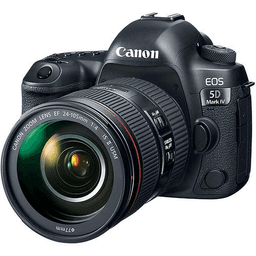
Panasonic is still one of the safest names for video-first work. The GH line is popular because it gives you practical controls and strong recording options. Canon sits in a different lane, and many Canon EOS bodies are easy to live with if you want approachable menus, dependable color, and simple operation for dialogue scenes.
Mirrorless bodies that make sense
- Sony mirrorless bodies are strong when you want quick autofocus for gimbal moves, street scenes, and solo shooting.
- Panasonic mirrorless cameras are appealing when you care more about manual control, log recording, and a deliberate video workflow.
- Fujifilm bodies are attractive if you want strong stills and a pleasing image straight out of camera.
- Blackmagic options are better when you are ready to work like a small cinema crew and accept a more rigged setup.
Who each brand suits
- Sony suits solo shooters who need fast autofocus and compact mirrorless handling.
- Panasonic suits filmmakers who want more manual control and a video-first body.
- Fujifilm suits creative shooters who want strong stills and a distinctive image.
- Blackmagic suits crews that value post flexibility more than speed on set.
If you want one body for BTS, posters, and actual production, Fujifilm and Sony are often the most practical places to look. Still, the right answer depends on whether you care more about stills, autofocus, or grading headroom and stabilisation.
Best Camera Under 50000
In this budget range, the camera body is only one part of the decision. It is easy to buy a body that looks fine on paper and then discover you cannot afford a usable lens, ND filter, or extra battery. If you go used, focus on recording stability, port condition, and whether the mount still has affordable lenses around it.
A body that saves money but traps you in expensive glass is not really cheap. Many budget bodies record 8-bit video, and that is fine if you expose carefully and keep grading modest. Problems start when you push shadows too hard or try to rescue badly lit scenes.
This is also where the question of a cinema camera becomes practical. A good answer is a camera that records cleanly, works with affordable lenses, and does not force you to overspend on accessories. If the body is all you can afford, you are not done yet.
What to prioritise in this budget
- Usable 4K recording or strong Full HD matters more than a headline feature you will never use.
- A mount with affordable lenses gives you more long-term value than a body with a short-lived gimmick.
- Reliable autofocus helps solo shooters, while good manual focus tools help controlled dialogue scenes.
- Recording stability matters because a cheap body that overheats or stops early can waste an entire shoot day.
| Under ₹50,000 Priority | What To Look For | What You Give Up |
|---|---|---|
| Usable image quality | Clean 4K or strong Full HD | Less flexibility for extreme grades |
| Focus success rate | Reliable autofocus or comfortable manual focus | Either convenience or precision |
| System growth | A mount with affordable lenses | You may start with basic glass and upgrade later |
| Shoot-day stability | Predictable recording without surprises | Fewer pro features like advanced monitoring |
Lenses, Audio, And Rig Essentials
If you want cameras for making short films to look polished, the body is only the starting point. Lenses shape perspective, audio decides whether the scene feels watchable, and support gear determines how repeatable your shots are. That is why filmmaking kits should be built around the whole production chain, not just the camera.
A practical lens plan starts with wide, normal, and portrait views. Wide helps in small interiors and gives you room to stage blocking. Normal is your workhorse for dialogue and coverage, and portrait is what you use when you want faces to feel more intimate.
Lenses also affect how much light you need, which can influence battery life during longer shoots. ND filters let you hold shutter speed and aperture in daylight, which protects motion blur and exposure. A boom mic makes dialogue sound far more professional than an on-camera mic alone.
A solid tripod gives you repeatable framing for performance scenes and continuity-heavy work. Stabilisation is useful, but it has limits. It helps with handheld dialogue and light movement, yet it will not replace a proper support system or thoughtful blocking.
Video Features That Actually Matter
Video features matter only when they change what lands in the edit. That means codecs, bit depth, stabilisation, and heat behavior matter more than marketing language. If a camera gives you beautiful footage but has strict recording-time limits, it may not be a serious tool for filmmaking.
4K recording is useful even if you deliver in Full HD. It gives you room to reframe, crop, or stabilise in post without losing too much detail. That is especially helpful for one-camera shoots, where you need to fake coverage from a single angle.
The difference between 8-bit and 10-bit is easy to see once you start grading. 10-bit gives you more room for contrast, log footage, and color science work, while 8-bit is more fragile if you push it too hard. That is why a camera 4K spec alone is not enough.
For pocket cinema use, the recording format matters as much as the resolution. A camera that records cleanly and stays reliable through a full shoot day is more useful than one that looks impressive in a spec comparison.
Features that affect real production
- RAW is the safe choice when you plan to grade heavily.
- Mirrorless camera bodies with good autofocus are helpful for run-and-gun work and gimbal moves.
- Stabilisation should be treated as support, not a substitute for good handheld technique.
- Panasonic also remains strong here because its video features are practical, not decorative.
- Sony sits in the middle for many shooters, since it balances autofocus, portability, and usable video output.
Sometimes the right choice is the one that gives you dependable recording, predictable files, and a body you can carry all day.
Short-Film Shooting Setups And Workflows
Matching the camera to the shoot setup is where the real decision happens. A body that feels perfect in a controlled interior can be annoying on a street shoot, and a compact mirrorless body that shines outdoors can feel limiting once you need repeated takes and careful monitoring. That is why the parts should be judged by the workflow they support.
For street work, speed matters more than theoretical lab numbers. You move between sun, shade, and shop lighting quickly, so exposure control and autofocus often matter more than a tiny difference in resolution. If you are shooting content creator style work or documentary-like scenes, that speed saves takes.
For controlled interiors, light performance matters less than how clean the camera behaves when you start grading. You can shape the scene with fixtures, negative fill, and practicals, but you still need a body that handles color and contrast well. That is where Panasonic, Sony, and Blackmagic often separate themselves from basic entry models.
Workflow choices that change the day
- Street scenes benefit from quick autofocus, stable exposure, and a light mirrorless body.
- Controlled interiors benefit from log recording, repeatable white balance, and careful manual focus.
- Low light rooms need a fast lens, a sensible ISO ceiling, and a plan for practical lighting.
- Handheld movement needs stabilisation discipline, not blind trust in the camera’s internal system.
| Scenario | Safer Priority | Common Mistake To Avoid |
|---|---|---|
| Street run-and-gun | Fast exposure control + autofocus | Auto white balance shifts between shots |
| Controlled interiors | RAW | Underexposed log pushed too far in post |
| Low light rooms | Fast lens + small key light | Cranking ISO and accepting ugly color or noise |
| Handheld movement | Stabilisation plan | Expecting IBIS to replace technique |
Cameras For Short Films Overview
Mirrorless cameras can be an easy entry point for many shooters. They are compact, adaptable, and usually easier to power than more specialised cinema bodies. That makes them a sensible starting point for filmmaking, especially if you are building your first proper kit.
Sony, Panasonic, Canon, Fujifilm, and Blackmagic all serve different kinds of production. Sony is often the most convenient for autofocus-heavy video work. Panasonic is still one of the best choices when you care about manual control and a more deliberate shooting style.
Fujifilm is appealing if stills matter alongside video, and Blackmagic is for people who want a more pro post pipeline. The term professional gets thrown around too casually, but it should mean something here. A professional camera is one that does not get in your way when the scene gets complicated.
That means stable recording, sensible menus, clean files, and enough resolution for your delivery needs. Sony ZV-style bodies, including the Sony ZV-E10 II, are included in beginner filmmaker camera roundups.
What separates the better systems
- Better bodies make it easier to keep focus, exposure, and color consistent across scenes.
- Better workflow choices keep editing and grading from becoming the bottleneck.
Frequently Asked Questions
Q. What is a good camera for making short films?
A good camera for making short films is a mirrorless body with dependable autofocus, clean 4K recording, and at least one affordable lens option. Sony, Panasonic, and Fujifilm all make sense here because they support both video and stills without forcing a huge rig. The Sony ZV-E10 is one example already mentioned in this guide.
Q. Are cameras under ₹50,000 worth buying new?
Cameras under ₹50,000 are worth buying new if you want warranty coverage and simple operation. Used bodies can be better value, but only if recording stability, ports, and battery support are still solid. In this budget, the body should still leave room for lenses, audio, and ND filters.
Q. What is better for filmmaking, Sony or Panasonic?
Sony is usually better for autofocus and quick solo video work, while Panasonic is often better for manual control and grading-friendly shooting. If you want a simple run-and-gun body, Sony is the safer pick. If you want a more deliberate video workflow, Panasonic usually feels better.
Q. Do I need Blackmagic for short films?
Blackmagic is not required for short films, but it is useful if you want a more cinema-like post workflow and are happy to rig the camera. It suits controlled sets better than fast street work. That makes it a strong choice for crews that value grading flexibility over speed.
Q. Which lens setup is best for short films?
A wide, normal, and portrait lens setup is the most useful starting point for short films. That combination covers establishing shots, dialogue, and close-ups without forcing awkward framing. It also fits the workflow advice in this guide, where lens choice matters as much as the body.
Q. Is the cheapest camera for short films always a bad choice?
The cheapest camera for short films is not always bad, but it often costs more once you add lenses, audio, and support gear. A slightly better body usually gives you cleaner video, better quality, and fewer limits during production. That is why the full system matters more than the sticker price.
Which Camera Setup Fits Your Short Film Workflow
Choose Sony if you want fast autofocus, compact mirrorless handling, and a simple path into video work with interchangeable lenses. It is the most straightforward option when speed and convenience matter more than a hands-on shooting experience. Sony also fits solo shooters who need to move quickly through street scenes and small interiors.
Choose Panasonic if you care more about manual control, color science, and a body that feels built for filmmaking rather than casual shooting. This setup leans into a more deliberate workflow, so it suits users who prefer control over convenience. Panasonic is also a strong match when you want log recording and a more disciplined grading process.
Choose Fujifilm if you want strong stills alongside video, and you care about a creative image straight out of camera. It makes sense when you want one camera to cover both photo and video use without giving up a distinctive look. Choose Blackmagic if you are ready for a more pro, cinema-style workflow and you will actually use the grading flexibility it gives you.
Skip Sony if you want the most hands-on manual video experience. Skip Panasonic if autofocus convenience is your top priority. Skip Fujifilm if you only care about the fastest video-first setup. Skip Blackmagic if you need a light kit for fast street work.
For most short-film shooters, the best move is to buy the body that fits your workflow and leave room in the budget for lenses, audio, and support gear. That approach gives you a more complete kit than chasing one headline feature. If you are still deciding, start with the shooting style you use most often and build from there.
Ready to upgrade your tech?
Browse our collection of quality refurbished products at unbeatable prices.