Buying Refurbished Tech in 2026: Smart Buyer Guide
Buying refurbished tech helps users save money on laptops, smartphones, and electronics while still getting tested hardware, warranty support, and dependable everyday performance for work, study, and productivity.

TL;DR Buying refurbished tech is the smarter value play in 2026. It can save up to 70% while still giving you tested, restored electronic devices with warranty coverage. Refurbished laptops are the best all-round pick for students and office users. They often cost 30% to 60% less than new models, which is why they stand out for everyday work. That price gap is especially useful when you want a dependable machine for routine tasks rather than a brand-new box. A certified refurbished iPhone 15 may be available for ₹37,999 to ₹48,999.
Buying Refurbished Tech Overview
Buying Refurbished Tech in 2026 works best when you treat it as a structured purchase, not a gamble. A refurbished device is a pre-owned product that has been tested and restored to ensure it functions as intended, so the seller has already handled the diagnostic work for you. That makes refurbished items generally more reliable than plain buying used tech, where the condition can vary wildly from one seller to the next.
The money side is hard to ignore. Refurbished stock can include laptops found for ₹6,999, and many models cost 30% to 60% less than brand-new equivalents, with some buyers saving up to 70% compared with new devices. That is the core value of Buying Refurbished Tech: you get more specification for the same budget instead of paying for launch-day markup.
The same logic applies to phones, especially if you are asking, is buying a refurbished iPhone good? In many cases, yes, if the seller is transparent about condition, battery health, and warranty. That price gap is large enough to make premium hardware accessible without paying full retail.
A useful way to view the category is simple: you are paying for tested hardware, clearer return terms, and a better chance that the item behaves normally on day one. If you plan to sell later, that same structure can also make the device easier to move on.
Key Factors to Consider When Choosing Refurbished Tech
Condition grading is the first thing to check because it tells you how much cosmetic wear to expect. Common labels include Like New, Very Good, and Good, while refurbished phones are often graded A, B, and C, with A being the highest cosmetic grade. These grades are mainly about appearance, not whether the device works, so a lower grade can still be perfectly usable if you care more about performance than spotless corners.
A graded refurbished item is more transparent than a random second-hand listing because the seller is telling you what shape the product is in before you pay. That matters when you compare a certified refurbished phone with an ungraded used phone from a marketplace seller. Some refurbished products may have cosmetic imperfections but still be fully functional, which is exactly why condition grading exists.
Warranty, Testing, and Accessories
Refurbished items are generally more reliable than used items because they have been professionally restored and tested. Most refurbished laptops also come from corporate series lineups, and those machines are built much tougher than the cheap plastic laptops often found in retail stores.
Warranty is where refurbished buying becomes much less risky. Refurbished electronics are typically sold with a warranty that covers defects but not accidental damage, and the common period for smartphones, laptops, and tablets is about six months. Some refurbished phones come with 6 to 12 months of coverage, which gives you a useful safety net if a defect appears after purchase.
Accessories matter more than most buyers expect. Refurbished devices often come with basic accessories, but they may not include original packaging or manuals. Most refurbished phones come with a charger and USB cable, and some refurbished products include a mix of original and compatible accessories.
- Check the condition grade first, because it tells you whether you are selecting cosmetic cleanliness or just working hardware with marks.
- Compare the warranty length and what it covers, especially whether defects are included and accidental damage is excluded.
- Look at the seller’s testing process, because professionally restored items are more reliable than unverified used listings.
- Confirm whether included accessories match your needs, since some boxes ship with mixed or basic extras.
- Financing can also help, because some retailers offer no-cost EMI, including options that work through a credit card.
Popular Refurbished Tech Options and Their Tradeoffs
Refurbished electronics cover a wide spread of products, but the real decision usually comes down to laptops versus smartphones. Tablets and cameras are part of the category too, yet laptops and phones dominate because they solve the most common needs: study, work, communication, and entertainment. If you want the most hardware for your money, that difference matters more than the brand name on the lid.
Refurbished Laptops
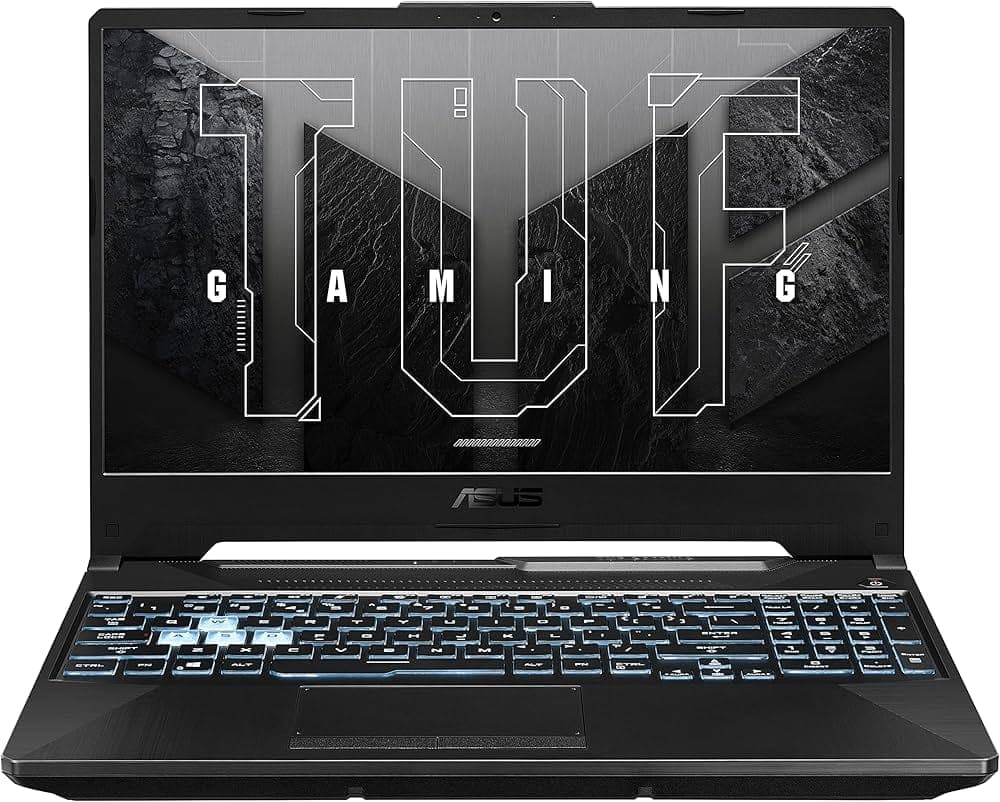
That is a major advantage for students and office users. These machines are usually built for heavier daily use. A quality laptop in this category often gives you stronger processors, better keyboards, and sturdier hinges than a similarly priced new budget model. If you spend your day in PowerPoint, Slack, and browser tabs, the extra headroom is what you feel.
Refurbished Smartphones
Refurbished phones are the other big win, especially when you want a high-end model without paying flagship pricing. A new Apple iPhone 15 costs around ₹80,000+, while a certified refurbished iPhone 15 may be available for ₹37,999 to ₹48,999. That gap is the whole argument in one line.
That is also why the question is buying a refurbished iPhone good keeps coming up. For many buyers, yes, because the savings are large enough to make premium camera hardware and smooth daily use far more affordable.
Accessories Included with Refurbished Devices
Accessories are one of the hidden details people overlook. Think of the purchase as a working device first and a full retail unboxing second. If you are gifting the item or care about resale presentation, the missing box matters more than it does for a daily driver.
- Refurbished phones make more sense if you want a premium camera and smooth daily use without paying new-device pricing.
- A charger and USB cable are common, but original packaging and manuals are not guaranteed.
- Buy refurbished when the hardware matters more than the box, because that is where the savings live.
Pricing Insights and Savings Opportunities
The biggest reason people start buying refurbished tech is price, and the savings can be large enough to change the whole purchase decision. Buying refurbished electronics can save consumers up to 70% compared with new devices, while refurbished laptops in India often cost 30% to 60% less than brand-new models. That is not a tiny discount; it is the difference between settling for a basic new machine and stepping up to better hardware, better build quality, or a more capable phone at the same spend.
Refurbished laptops can be found starting from ₹6,999, which puts real computing within reach for students and first-time buyers. Refurbished products are often sold at a fraction of the cost of new products, which makes them a clear budget-friendly option. If your work is in Excel, PowerPoint, or VS Code, a refurbished laptop with stronger internals can be more useful than a new entry-level model that looks fresh but struggles under multitasking.
For most students and budget-conscious buyers, that is the real win. The savings are not only about the sticker price. Buying refurbished products often means you are paying for tested hardware instead of retail packaging, launch-day markup, and showroom polish. That is why a used-looking device can still be the better financial move.
- Students can stretch their budget further by selecting refurbished laptops for classes, assignments, and online meetings.
- A certified refurbished phone can be the right move if you want premium hardware without paying the full flagship premium.
- If you shop during sales, the discount can be large enough to upgrade one tier higher than you planned. Refurbished electronics can often be found at significant discounts at those times, which is when patient buyers get the best deals.
- If you need a practical reference, a refurbished laptop at ₹6,999 is the floor to watch, while a certified refurbished iPhone 15 may be available for ₹37,999 to ₹48,999.
Where to Buy Refurbished Electronics Safely
Refurbished products are sold through specialist retailers, manufacturers, and online marketplaces, which gives you more choice but also more room to make a bad purchase. A good listing with poor seller discipline is still a bad deal if the testing, return policy, or warranty terms are vague. Online, you need to lean harder on the seller’s reputation, listing clarity, and after-sale service.
The goal is not just to find a store, but to find one that treats refurbished as a process, not just a label. The first filter is whether the seller is a specialist refurbisher or a random third-party reseller. Specialist retailers and manufacturers usually have more disciplined testing and clearer product grading, while third-party sellers can be hit or miss.
You should also look for a clear return policy, because returns are the only practical backstop if the item arrives with a fault or a mismatch in condition. If the seller does not explain they test the unit, they handle defects, or warranty claims work, that is a warning sign. A pro seller will tell you what was checked, what was replaced, and what was left alone.
- Verify whether the seller is a certified refurbished specialist or just a third-party reseller.
- Check the return policy before you pay, because that is your safety net if the item arrives in poor condition.
- Ask whether the unit was tested, especially for battery, ports, buttons, and charging.
- Confirm the warranty terms in writing, not just in a sales pitch.
- If you want a local option, search for a refurbished tech store near me and then inspect the return and warranty terms before you commit.
- If you want the broader market, specialist retailers and major marketplaces are the places where refurbished buying is most structured.
Common Pitfalls to Avoid
The biggest mistake in Buying Refurbished Tech is assuming every item is basically like new. That is not how the category works. Some devices are cosmetically clean, some have visible marks, and some fall somewhere in between. If you ignore the condition grade, you may end up annoyed by scratches that were disclosed up front, which is a buyer error rather than a seller surprise.
Another common mistake is trusting uncertified sellers just because the price looks good. Buying from a third-party vendor with no meaningful warranty is a fast way to turn a bargain into a headache. Refurbished electronics are typically sold with a warranty that covers defects but not accidental damage, so you need to know exactly what protection you are getting.
Accessories, Parts, and Paperwork
Accessories are another trap. Refurbished devices often come with basic accessories, but original packaging and manuals may be missing. Some products include a mix of original and compatible accessories, which is fine if you care about function but not ideal if you expect a full retail bundle.
Replacement parts also matter. If a seller has swapped in battery, display, or charging components, you want that stated clearly so you know what has been changed and what still comes from the original manufacturer. That is especially important for iOS devices, where battery condition and part history can affect both daily use and resale value.
- Do not assume Like New means flawless; check the grade and read what cosmetic wear is disclosed.
- Avoid uncertified third-party sellers that offer no clear warranty or return terms.
- Confirm whether accessories are original, compatible, or missing before you pay.
- Read the warranty carefully so you know whether defects are covered and accidental damage is excluded.
- Use seller reviews as a filter, but do not let them replace the actual listing details.
- Pay for clarity rather than the lowest sticker price. A clearly graded certified refurbished phone or laptop is usually a better bet than a mystery listing that promises too much.
Conclusion
Buying refurbished tech in 2026 is a practical way to get tested hardware without paying new-device pricing. The savings are substantial: refurbished laptops can cost 30% to 60% less than new models, and some buyers save up to 70% overall. A certified refurbished iPhone 15 at ₹37,999 to ₹48,999 shows how wide the gap can be versus a new model at around ₹80,000+.
If you want the best value, focus on condition grade, warranty, and seller testing before you buy. Students and office users should lean toward refurbished laptops, while phone buyers who want premium hardware at a lower price should look closely at a certified refurbished iPhone 15.
Choose a certified seller, compare the return terms, and pick the device that gives you the strongest hardware for your budget. If you are ready to buy, use the checklist above and verify the listing details before you place the order.
Frequently Asked Questions
Is buying a refurbished iPhone good compared to new models?
Buying a refurbished iPhone is good if you want premium hardware at a much lower price. A certified refurbished iPhone 15 at ₹37,999 to ₹48,999 gives you a much lower entry point than a new model at around ₹80,000+, and that gap is the main reason many buyers choose refurbished over new.
You still get the same iPhone 15 class of hardware, but you avoid paying full retail for sealed-box packaging and launch-day markup. For buyers who care more about value than unboxing, that is a strong tradeoff.
What warranty coverage can I expect when buying refurbished tech?
Refurbished tech is typically sold with a warranty that covers defects but not accidental damage. The common period for smartphones, laptops, and tablets is about six months, and some refurbished phones come with 6 to 12 months of coverage.
That means a certified refurbished phone or laptop gives you a real safety net for early faults, but it does not protect against drops, spills, or liquid damage. If warranty length matters to you, compare the six-month baseline with the 6 to 12 months offered on some phones.
Where can I find a reliable refurbished tech store near me?
A reliable refurbished tech store near you is usually a specialist retailer or manufacturer that explains testing, warranty, and returns clearly. The article points to specialist retailers, manufacturers, and major marketplaces as the structured places to buy refurbished electronics, and it warns against random third-party sellers with vague terms.
If you are checking a local store, ask whether the unit was tested, what condition grade it received, and whether the warranty and return policy are written down before you pay. That is the safest way to judge a nearby seller.
Are refurbished laptops reliable for daily use and study?
Refurbished laptops are reliable for daily use and study when they come from a proper refurbishing process. They are often built from corporate series lineups, and those machines are usually tougher than cheap retail laptops.
For students and office users, that means a refurbished laptop can handle web browsing, document editing, office apps, and multitasking without forcing you into the lowest-spec new machine. The combination of stronger internals and lower pricing is why they are a practical choice.
Can I finance refurbished electronics with credit card EMI options?
Yes, some refurbished electronics can be bought with no-cost EMI options, including credit card-based financing from certain retailers. The article specifically notes that financing can help spread out the cost of a laptop or phone without paying everything upfront.
Use EMI only if the total repayment still fits your budget. It can make a ₹6,999 laptop or a certified refurbished iPhone 15 easier to buy without straining cash flow.