Apple iPhone 15 Review: Premium Design, Reliable Cameras, and Long-Term Value
Explore the Apple iPhone 15 with its 6.1" OLED display, A16 Bionic chip, USB-C charging, versatile dual cameras, and dynamic user interface. Perfect flagship in 2025.

TL;DR The Apple iPhone 15 continues to remain one of the most balanced premium smartphones because it combines strong camera performance, compact flagship usability, reliable battery optimization, and long-term software support into a polished everyday experience. Features such as USB-C connectivity, Dynamic Island integration, the A16 Bionic processor, and Apple’s computational photography system help the device remain highly relevant for photography, gaming, productivity, and content consumption workflows. While it does not include features such as a 120Hz display or telephoto camera, the iPhone 15 still delivers excellent overall value for users who want a premium iPhone experience without moving into higher-priced Pro models.
Why the iPhone 15 Continues to Remain Relevant
The iPhone 15 continues to remain highly relevant because Apple positioned it as a balanced flagship rather than an experimental device focused only on premium specifications. The smartphone combines compact usability, strong cameras, dependable performance, and long software support into a package that feels practical for mainstream users. This balance is one of the biggest reasons the device continues to remain popular even after newer launches.
Another important factor is Apple’s ecosystem-driven approach because the iPhone 15 benefits heavily from deep integration between hardware, software, and Apple services. Features such as AirDrop, FaceTime, iCloud synchronization, and Handoff improve continuity across devices significantly. This creates a smoother long-term ownership experience for users already invested in Apple products.
The transition to USB-C also increased the iPhone 15’s practical value because users no longer need separate proprietary charging cables for everyday usage. Universal charging compatibility has become increasingly important across modern devices and accessories. This change alone improved convenience considerably for many users.
Apple iPhone 15 Specifications
| Specification | Details |
|---|---|
| Processor | Apple A16 Bionic |
| Display | 6.1-inch Super Retina XDR OLED |
| Resolution | 2556 × 1179 |
| RAM | 6GB |
| Storage Options | 128GB / 256GB / 512GB |
| Rear Cameras | 48MP Wide + 12MP Ultra-Wide |
| Front Camera | 12MP |
| Battery | 3349mAh |
| Charging | USB-C 20W Fast Charging |
| Wireless Charging | 15W MagSafe |
| Operating System | iOS 17 |
| Connectivity | 5G, Wi-Fi 6E, Bluetooth 5.3 |
| Water Resistance | IP68 |
| Weight | 171 grams |
The overall specification sheet reflects Apple’s strategy of focusing more on optimization and user experience rather than chasing extremely high specification numbers. The A16 Bionic processor and computational photography system continue to deliver strong real-world performance across gaming, photography, multitasking, and long-term daily usage. This helps the iPhone 15 remain highly competitive even against newer devices.
Another important factor is the compact form factor because many modern flagship phones continue becoming larger and heavier. The iPhone 15 remains easier to hold, carry, and use one-handed compared to many oversized premium smartphones. This contributes significantly to everyday usability and comfort.
Design and Build Quality
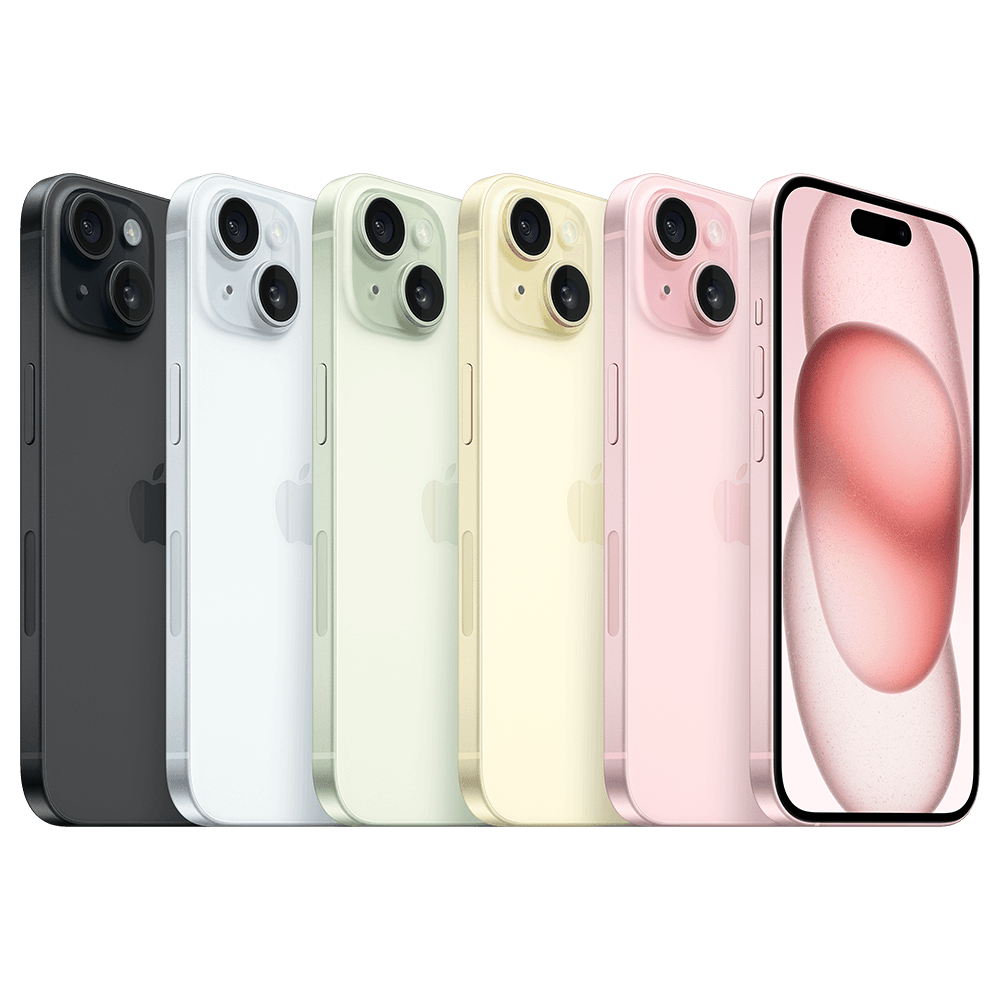
The iPhone 15 continues Apple’s minimalist design philosophy with an aerospace-grade aluminum frame and color-infused glass back that feels both premium and durable during daily usage. The device remains lightweight relative to many modern flagship smartphones, which improves long-session comfort significantly. Its compact dimensions make it easy to use while commuting, traveling, or browsing one-handed.
Apple also refined the textured matte finish, which helps reduce fingerprint visibility and improves grip compared to glossier designs. The Ceramic Shield front protection and IP68 water resistance improve long-term durability considerably. These additions make the device feel practical rather than fragile despite its premium construction.
Another important factor is the replacement of the traditional notch with Dynamic Island because it modernizes the overall front design significantly. Notifications, media playback, timers, and ongoing activities integrate much more seamlessly into the interface. This improves both aesthetics and everyday interaction consistency.
Why Compact Flagships Still Matter
Large smartphones dominate the market today, but compact flagships such as the iPhone 15 continue attracting users who prioritize comfort and practical everyday handling. Many users spend several hours daily holding their phones for messaging, reading, scrolling, navigation, and social media usage. Smaller devices reduce hand fatigue noticeably during prolonged usage.
The iPhone 15 balances portability and usability effectively because the 6.1-inch display remains large enough for gaming, streaming, and productivity while still feeling manageable physically. Users who dislike oversized phones often find this balance ideal. This continues to be one of the iPhone 15’s strongest practical advantages.
Another important factor is pocketability because slimmer and lighter devices remain easier to carry throughout the day. Professionals, students, and travelers especially benefit from compact premium devices during long daily routines. Comfort becomes increasingly valuable during long-term ownership.
Display Experience
The 6.1-inch Super Retina XDR OLED display continues to remain one of the strongest aspects of the iPhone 15 because it delivers sharp visuals, deep contrast, excellent HDR performance, and strong brightness levels for outdoor visibility. Text remains crisp during reading-heavy workflows, while video streaming and gaming feel vibrant and immersive. The OLED panel significantly improves dark mode usage and nighttime viewing comfort.
Dynamic Island also improves display interaction because it transforms notifications and live activities into part of the interface instead of interruptive popups. Music playback, timers, calls, navigation, and app activity now integrate more fluidly into the user experience. This makes the display feel more interactive and modern overall.
Another important factor is color accuracy because Apple continues focusing heavily on calibration quality rather than oversaturated presentation. Media consumption therefore appears balanced and natural during long viewing sessions. This becomes especially noticeable during HDR playback and photography previewing.
Why 60Hz Still Feels Like a Limitation
Despite the strong overall display quality, the iPhone 15 still remains limited to a 60Hz refresh rate, which increasingly feels outdated in the premium smartphone segment. Higher refresh rate displays improve scrolling smoothness, animations, gaming responsiveness, and general interface fluidity considerably. Competing devices now commonly offer 120Hz panels at similar pricing.
Users upgrading from older iPhones may not notice this limitation immediately because Apple’s animation optimization remains excellent. However, users transitioning from higher refresh rate Android devices will likely feel the difference during scrolling and interface navigation. This is one of the clearest compromises compared to Pro-series iPhones.
Another important factor is long-term market expectations because premium smartphone buyers increasingly expect smoother high-refresh-rate experiences as standard. The display remains visually excellent overall, but the refresh rate limitation still feels noticeable relative to competitors. This affects value perception for some buyers.
Performance and Everyday Usage
The Apple A16 Bionic processor continues to deliver extremely strong real-world performance because Apple’s hardware and software optimization remains among the best in the smartphone industry. Everyday tasks such as multitasking, gaming, video editing, browsing, and camera processing remain consistently smooth and responsive. Thermal management also remains stable during prolonged workloads.
Gaming performance especially benefits from the A16’s efficiency because modern mobile games run fluidly with stable frame rates and minimal heating during extended sessions. The GPU also handles HDR media playback and graphics-heavy applications comfortably. This keeps the device highly relevant for gaming-focused users.
Another important factor is software longevity because Apple typically provides several years of major iOS updates and security support. The A16 Bionic therefore remains powerful enough to handle future iOS versions comfortably for years. This improves long-term ownership value considerably.
Why Apple’s Optimization Matters More Than Raw Specifications
Apple devices often use lower RAM capacities and smaller battery sizes than many Android competitors, but real-world performance remains extremely strong because of deep hardware-software integration. iOS aggressively optimizes memory management, app behavior, and background processes. This creates a smoother experience than raw specification comparisons might suggest.
The iPhone 15 demonstrates this clearly because multitasking remains fluid despite the 6GB RAM configuration. Apps launch quickly, animations remain responsive, and battery optimization performs consistently throughout the day. Optimization matters more than raw numbers alone in practical usage.
Another important factor is application optimization because developers frequently prioritize iOS app performance and stability. Social media applications, creative tools, and productivity apps often feel highly polished on iPhones. This contributes significantly to long-term user satisfaction.
Camera Performance
The iPhone 15 camera system continues to remain one of the strongest reasons users choose the device because Apple’s computational photography delivers highly consistent results across lighting conditions. The 48MP main sensor captures detailed photos with strong dynamic range, balanced HDR, and natural color processing. Images generally look realistic instead of aggressively processed.
The ultra-wide camera improves versatility significantly during travel photography, landscapes, and group shots. Apple’s image processing pipeline also handles skin tones and exposure transitions very naturally. This helps the iPhone 15 remain highly dependable for casual photography and social media content creation.
Another important factor is video performance because Apple continues leading smartphone video recording in terms of stabilization, exposure consistency, and color accuracy. Cinematic mode and Dolby Vision recording improve creative flexibility considerably. This makes the device highly attractive for creators and vloggers.
Why Computational Photography Matters More Than Megapixels
Modern smartphone photography increasingly depends on software processing rather than hardware specifications alone because computational photography dramatically affects image quality. Apple focuses heavily on HDR balancing, exposure control, and color consistency instead of relying purely on extremely high megapixel counts. This creates more dependable real-world camera behavior.
The iPhone 15 especially benefits from Apple’s image processing during difficult lighting conditions because shadows, highlights, and skin tones remain balanced naturally. Users generally receive reliable results without requiring manual editing or excessive adjustments. This improves everyday photography usability significantly.
Another important factor is consistency because Apple’s cameras behave predictably across different applications and lighting environments. Users therefore spend less time retaking photos or correcting processing issues. This strengthens overall user confidence in the camera system.
Battery Life and Charging
Battery life on the iPhone 15 remains highly dependable because Apple’s optimization between the A16 Bionic processor and iOS power management helps the device comfortably last through a full day of typical usage. Activities such as streaming, messaging, navigation, browsing, and photography remain manageable without constant charging anxiety. Efficiency remains one of Apple’s strongest advantages.
The transition to USB-C significantly improves convenience because users can now share chargers across laptops, tablets, and accessories much more easily. Faster universal compatibility simplifies travel and workspace charging setups considerably. This change improved practical daily usability more than many expected.
Another important factor is MagSafe support because wireless charging and accessory compatibility continue improving the iPhone ecosystem experience. Desk charging, magnetic accessories, and wireless convenience feel more integrated into everyday routines. These smaller convenience improvements collectively improve ownership experience significantly.
Connectivity and Ecosystem Features
The iPhone 15 supports modern connectivity standards such as 5G, Wi-Fi 6E, Bluetooth 5.3, and advanced GPS systems, which help keep the device future-ready for long-term usage. Faster wireless speeds and stable connectivity improve streaming, gaming, cloud workflows, and remote productivity significantly. The phone therefore remains highly practical for modern digital workflows.
Apple’s ecosystem integration also remains one of the biggest reasons users continue choosing iPhones because continuity features simplify workflows across devices. AirDrop, FaceTime, iCloud syncing, and Handoff create smoother interaction between phones, tablets, and computers. This interconnected experience strengthens long-term ecosystem loyalty.
Another important factor is privacy and software stability because Apple continues emphasizing secure device management and controlled application behavior. Users frequently value this consistency during long-term ownership. Stability remains one of Apple’s strongest differentiators.
iPhone 15 Pricing and Value Perspective
The iPhone 15 became significantly more attractive after price reductions following newer iPhone launches because it now delivers flagship-level usability at more accessible pricing. Buyers looking for premium Apple hardware without paying Pro-series pricing often find the iPhone 15 extremely well-balanced. The device continues to feel modern despite newer releases.
The phone especially appeals to users upgrading from older iPhones because features such as Dynamic Island, USB-C, improved cameras, OLED display quality, and the A16 processor create noticeable improvements in daily experience. These upgrades feel meaningful without requiring flagship-tier pricing. This improves value perception considerably.
Another important factor is resale value because iPhones traditionally maintain stronger long-term resale pricing than many competing smartphones. Long software support combined with stable resale demand improves ownership economics significantly. This remains one of the strongest financial advantages of Apple devices.
Why the iPhone 15 Still Delivers One of the Most Balanced Premium Smartphone Experiences
The most important takeaway is simple, the iPhone 15 succeeds because it focuses on delivering a polished and dependable flagship experience rather than chasing extreme specifications or experimental features. The combination of the A16 Bionic processor, strong camera optimization, OLED display quality, compact flagship ergonomics, USB-C convenience, and long-term software support creates a device that feels highly practical for everyday usage. This balance continues to make the iPhone 15 highly relevant even after newer smartphone launches.
Another important factor is Apple’s ecosystem and optimization strategy because the overall ownership experience depends heavily on software consistency, camera reliability, battery efficiency, and integration between services. The iPhone 15 performs strongly across gaming, photography, productivity, communication, and media consumption workflows without feeling overly specialized toward any single category. This versatility significantly improves long-term usability.
At the same time, buyers must understand the compromises because the 60Hz refresh rate and absence of features such as a telephoto camera or ProMotion display make the device feel less aggressive on paper compared to some competitors. However, users prioritising reliability, software longevity, premium build quality, balanced cameras, and stable day-to-day performance will still find the iPhone 15 one of the strongest mainstream premium smartphones available today.
Frequently Asked Questions
Q. Is the iPhone 15 still worth buying today?
Yes, the iPhone 15 still remains highly worthwhile because it combines premium build quality, strong cameras, reliable battery optimization, USB-C connectivity, and long-term software support into a balanced flagship experience. Its performance and ecosystem integration remain highly competitive. Price reductions after newer launches also improve overall value.
Q. What are the biggest improvements over older iPhones?
The iPhone 15 introduces USB-C charging, Dynamic Island integration, improved computational photography, OLED display enhancements, and the powerful A16 Bionic processor. Users upgrading from older iPhones will especially notice better battery efficiency and camera quality. Overall usability also feels more refined.
Q. Does the iPhone 15 support fast charging and wireless charging?
Yes, the device supports 20W USB-C fast charging and 15W MagSafe wireless charging. The shift to USB-C also improves compatibility with modern accessories and chargers. Charging convenience is significantly better than older Lightning-based iPhones.
Q. Why do many users still prefer compact iPhones?
Compact iPhones remain easier to hold, carry, and use one-handed during long daily routines such as commuting, messaging, navigation, and browsing. Many users prefer better comfort instead of oversized displays. The iPhone 15 balances portability and usability very effectively.
Q. Is the iPhone 15 good for gaming and video editing?
Yes, the A16 Bionic processor handles gaming, multitasking, HDR media playback, and video editing extremely smoothly. Thermal management and optimization remain excellent during prolonged workloads. The device remains highly capable for demanding applications.
Q. What are the main limitations of the iPhone 15?
The biggest limitations are the 60Hz refresh rate, lack of telephoto camera, and absence of ProMotion features found on Pro models. Some competitors also offer more aggressive hardware specifications at similar pricing. However, Apple’s optimization and software experience still remain extremely strong overall.
Ready to upgrade your tech?
Browse our collection of quality refurbished products at unbeatable prices.