Why Samsung Removed Bluetooth Functionality From the S Pen
Why Samsung removed Bluetooth from S Pen on Galaxy S25 Ultra and S26 Ultra explained with technical and strategic analysis.

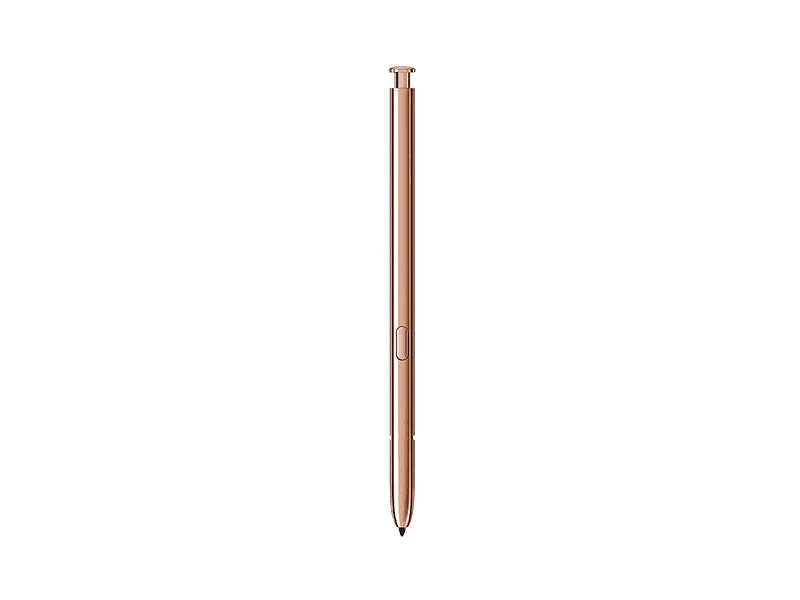
TL;DR Samsung removed Bluetooth functionality from the S Pen on the Galaxy S25 Ultra and S26 Ultra mainly because very few users actually relied on Air Actions and remote shutter features. The Bluetooth hardware inside the pen required extra internal components, charging support, and valuable space inside already packed flagship phones. Samsung likely chose to use that space for bigger batteries, improved thermals, and camera hardware instead. At the same time, the company’s S Pen strategy is shifting toward AI powered note taking, handwriting recognition, and precision workflows that depend on the pen tip rather than Bluetooth gestures. The move makes technical sense but still disappoints loyal Ultra enthusiasts.
Samsung’s decision to remove Bluetooth functionality from the S Pen on the Galaxy S25 Ultra and Galaxy S26 Ultra has been one of the most debated changes in the Ultra lineup. At first glance, it feels like an unnecessary downgrade because Bluetooth based features such as Air Actions, gesture controls, and remote camera shutter had become signature “Ultra” capabilities over the years. For many long time Note and Ultra users, these were not just novelty features. They represented Samsung’s philosophy of giving power users more functionality than they strictly needed. That identity is what made the Ultra line feel complete.
However, when this decision is analysed beyond the surface, the reasoning becomes clearer. Samsung’s move is not random. It is the result of a combination of low real world usage, increasing hardware space constraints, changing flagship priorities, and a strategic shift toward AI driven software experiences. The removal may disappoint enthusiasts, but it reflects a larger product direction where Samsung is optimising around the features most people actually use daily. Understanding this decision requires looking at how Samsung now defines the role of the S Pen inside the Ultra ecosystem.
The Most Practical Reason: Bluetooth Features Had Very Low Usage
The most direct explanation is that Bluetooth powered S Pen features were used by only a very small percentage of users. Over the years, Samsung introduced Air Actions, which allowed people to wave the pen in the air to change slides, control media, switch camera modes, or trigger the shutter remotely. These features were innovative and often looked impressive in demos, but real world adoption was far lower than the excitement they generated.
For most Ultra users, the S Pen’s daily value comes from writing notes, annotating screenshots, sketching ideas, editing PDFs, signing documents, and selecting text precisely. These are tactile use cases that depend only on the pen tip and digitiser, not on Bluetooth hardware. The gesture based features, while clever, were often used only occasionally. Many buyers experimented with them in the first week and then rarely touched them again.
From Samsung’s perspective, maintaining a Bluetooth radio, internal capacitor, charging circuitry, and supporting firmware for such low adoption no longer made sense. Every extra component inside the S Pen adds engineering complexity and cost. When those features are not translating into meaningful long term usage, the business case for keeping them weakens significantly. This is likely the single strongest reason the removal continued into both the S25 Ultra and S26 Ultra.
The Hardware Reality: Every Millimetre Inside a Flagship Matters
The second and arguably more important reason is hardware space. Modern Ultra phones are far more complex internally than older Galaxy Note devices. Samsung is now fitting larger vapour chambers, bigger batteries, more advanced periscope zoom systems, upgraded camera sensors, stronger antenna layouts, and AI specific processing hardware into bodies that are still expected to feel premium and relatively slim.
In this environment, even the smallest amount of reclaimed space becomes valuable. The Bluetooth enabled S Pen required its own tiny internal power system and support components. While this may sound insignificant, the internal design of a flagship phone is a constant battle for volume. Saving even a small amount of space can contribute to battery capacity, thermal improvements, better camera stabilisation, or stronger antenna efficiency.
This helps explain why Samsung did not reverse the decision after the initial backlash around the S25 Ultra. Once the hardware teams redesign the internal layout to use that reclaimed space for more important components, bringing Bluetooth back becomes much harder. The company has likely decided that battery life, cooling, and camera performance deliver far more visible value to the average user than remote pen gestures.
Samsung’s Strategic Shift: From Gesture Novelty to AI Productivity
The removal of Bluetooth also aligns with Samsung’s broader product strategy. Earlier generations of the S Pen were partially positioned around futuristic gestures and presentation style controls. Air Actions made the pen feel like a remote wand, which was interesting but often niche in daily life.
The newer Ultra devices are much more focused on AI powered workflows. Samsung now positions the S Pen less as a gesture accessory and more as a precision input tool for intelligent software features. This includes handwriting recognition, note summarisation, sketch to image generation, smart annotations, Circle to Search style interactions, and productivity features enhanced by on device AI.
These experiences rely on the pen tip itself, pressure sensitivity, and precision selection rather than Bluetooth communication. In other words, Samsung’s vision of the S Pen has evolved from remote control novelty to intelligent productivity instrument. Once the product direction moves in that way, Bluetooth naturally becomes less central to the identity of the pen.
This shift is especially important because it changes how Samsung measures value. Instead of asking how many users wave the pen in the air, the company is likely focusing on how many people use it for AI note taking, precision edits, and content interaction. That is where the Ultra lineup is now investing its software resources.
Why Power Users Still Feel Disappointed
Even though the decision makes sense from a usage and engineering perspective, the disappointment among loyal users is completely understandable. The Galaxy Note legacy was built on the idea of giving users every possible tool in one device. The Ultra line inherited that philosophy, becoming the “everything phone” where niche features mattered because they contributed to the feeling of owning the most complete flagship possible.
Bluetooth S Pen support was part of that emotional identity. The remote camera shutter alone was genuinely useful for creators, family photos, tripod shots, and group selfies. Air Actions also had a practical role in presentations and media controls. For these users, the removal feels less like simplification and more like Samsung taking away a signature capability without replacing it with something equally unique.
This is why the backlash has remained stronger than Samsung may have expected. Even if only a small percentage actively used Bluetooth features, those users were often the enthusiasts who define the Ultra brand’s reputation online. Their frustration matters disproportionately because they are the very people who influence how the device is perceived.
The Business Analysis: Samsung Chose Majority Utility Over Enthusiast Identity
The clearest way to understand Samsung’s decision is that the company chose majority utility over enthusiast identity. For the overwhelming majority of users, the S Pen is still functioning exactly as expected. It remains excellent for note taking, sketching, precision edits, screenshot annotation, and document workflows. Nothing about these core experiences changed with the removal of Bluetooth.
The only users directly affected are the minority who relied on Air Actions and remote control features. Unfortunately, those users are also the ones most emotionally invested in the Ultra line. This creates a gap between data driven decision making and brand perception.
Samsung likely decided that improving battery life, camera hardware, thermals, and AI features would create more measurable satisfaction across millions of users than preserving Bluetooth for a small enthusiast segment. From a business standpoint, that is a rational optimisation. From a brand loyalty standpoint, it remains controversial.
Why Samsung Removed Bluetooth From the S Pen and What It Really Means for Ultra Users in 2026
The most important takeaway is simple, Samsung removed Bluetooth from the S Pen because the feature did not justify the hardware cost, space, and engineering complexity relative to how little it was used. Air Actions and remote controls added uniqueness to the Ultra lineup, but they were not part of daily workflows for most users. When a feature becomes more of a demo highlight than a regularly used tool, it becomes difficult to justify keeping it in a tightly packed flagship device.
Another critical factor is internal hardware optimisation, as modern flagship phones are extremely dense in terms of components such as cameras, cooling systems, and battery modules. Removing Bluetooth from the S Pen allowed Samsung to reclaim even small amounts of space that can contribute to more meaningful improvements like better thermals and battery efficiency. These changes impact everyday usage for millions of users, which makes them a higher priority from a product perspective.
At the same time, Samsung’s broader strategy clearly shows a shift toward AI-driven productivity, where the S Pen is being repositioned as a precision input tool rather than a remote control accessory. Features like handwriting recognition, smart summarisation, and intelligent editing rely entirely on pen accuracy and responsiveness, not Bluetooth connectivity. This signals a long-term direction where software intelligence matters more than hardware novelty.
However, the disappointment from long-time users is valid because the Ultra series built its identity around offering everything, including niche but powerful features. Bluetooth S Pen functionality contributed to that perception, even if it was not widely used. The decision is technically logical and strategically aligned, but it also marks a shift away from the “no compromises” philosophy that defined earlier Galaxy Note and Ultra devices.
Frequently Asked Questions
Q. Why did Samsung remove Bluetooth from the S Pen in the first place?
Samsung removed it because Bluetooth-based features like Air Actions had very low real-world usage among most users. These features required additional internal components, including power and charging systems, which took up valuable space. The company prioritised improvements that benefit everyday usage, such as battery and thermal performance.
Q. Does removing Bluetooth affect the core S Pen experience?
No, the core functionality of the S Pen remains completely unchanged, including writing, drawing, annotating, and precise interaction. These features rely on the digitiser and pen tip rather than Bluetooth connectivity. Most users will not notice any difference in daily usage.
Q. What exactly did users lose with this change?
Users lost Air Actions, gesture controls, and the ability to use the S Pen as a remote camera shutter. These features allowed limited remote interaction with the device, especially in presentations or photography scenarios. While useful in specific cases, they were not essential for most users.
Q. Is Samsung focusing more on AI features instead of hardware features now?
Yes, Samsung is shifting toward AI-powered productivity features that enhance how users interact with content. This includes handwriting recognition, smart notes, and intelligent editing tools that rely on precision input. These features provide more consistent value compared to gesture-based controls.
Q. Will Samsung bring Bluetooth back in future S Pen models?
It is unlikely unless there is strong demand from users that justifies the hardware trade-offs. Reintroducing Bluetooth would require sacrificing internal space or redesigning components. Samsung is currently prioritising efficiency and software-driven improvements instead.
Q. Is this decision ultimately good or bad for users?
From a practical and engineering perspective, it is a logical decision that improves overall device efficiency and user experience. However, from an enthusiast perspective, it removes a unique feature that contributed to the identity of the Ultra series. This makes the decision both rational and emotionally divisive.
Ready to upgrade your tech?
Browse our collection of quality refurbished products at unbeatable prices.