What Is Computational Photography and Why It Matters More Than Camera Megapixels?
Computational photography combines software, sensors, and advanced image processing to improve photos beyond traditional camera limits. Learn how HDR, portrait mode, super-resolution, and low-light imaging work in smartphones and modern digital cameras.

TL;DR Computational photography uses computation, sensors, optics, actuators, and smart lights to push past traditional film camera limits. It matters because it adds HDR, portrait mode, super-resolution, and cleaner low-light results to smartphones and modern digital cameras.
A Simple Definition of Computational Photography
Computational photography starts with a simple idea: use digital computation, sensors, optics, actuators, and smart lights to get past the limits of traditional film cameras. In plain terms, it is digital image capture and processing that relies on computation instead of only optical processes. The meaning is tied to software decisions after capture, not just to the lens or sensor. That shift matters because the final result is no longer limited to a single exposure. Software can extend dynamic range, correct exposure, and recover detail after the shutter closes. In digital photography, that means the device can turn a rough captured image into something far more usable.
The field is evolving through three phases: Epsilon Photography, Coded Photography, and Essence Photography. Epsilon Photography adds small computational corrections, while Coded Photography shapes the capture process itself. Essence Photography goes further and tries to extract the most useful visual information from the scene.
How the Field Works?
The hardware combines plentiful computing with modern optics and digital sensors to escape the limitations of traditional film cameras. That is why it sits at the intersection of computer vision, image processing, computer graphics, and applied optics. The work is not only about taking pictures, it is about changing how visual information is formed. This is also where terms like light fields, computational imaging, and illumination matter. A light field describes more than a flat picture, because it preserves directional information that software can use later. In practice, that opens the door to refocusing, depth estimation, and more flexible post-processing.
The field feels broader than ordinary camera engineering because it borrows from several disciplines at once. Researchers often describe it through systems that capture more information than a traditional frame can hold. That extra information gives software room to improve the final image after capture. It also explains why the field keeps expanding into phones, compact cameras, and specialized imaging systems.
Research and Lineage
Raskar and Tumblin are often associated with the research lineage that helped define the area. Their work, along with SIGGRAPH papers and a SIGGRAPH course, shows camera systems can expand when computation does part of the job. That research history matters because it connects the modern phone camera to a much larger imaging tradition. It also helps explain why the field now includes both practical consumer features and advanced academic work.
Why Computational Photography Matters Today?
The system matters because it can improve a camera or add features that film-based photography simply could not deliver. That includes background blur from portrait mode, low-light clean-up, and automatic optimization of exposure and colour balance. The practical result is simple, you get more usable pictures from the same hardware. The biggest shift is that amateurs can now produce photographs rivalling the quality of professional photographers. That does not mean every shot becomes perfect, but it does mean a phone or compact camera can rescue mistakes that used to ruin an image.
A dim restaurant scene, a backlit portrait, or a shaky handheld frame can all be improved through processing after capture. It also creates new forms of visual artistic expression and communication. Features like Live Photos and Cinemagraphs turn a still photo into a short video moment, which is why social media content feels more dynamic than a static frame. If you edit in Lightroom, post in Instagram Stories, or build a visual thread for a product launch, the workflow changes how the story lands.
Why the Market Keeps Growing?
The scale of smartphone use explains a lot of the urgency here. In 2023, mobile phone penetration reached about 69% globally, which equals roughly 6. When that many people carry a camera in their pocket, image quality stops being a niche concern and becomes a daily expectation. The market is also expanding fast. The parts market size was valued at over USD 13. Another forecast places it at USD 16.
- Smartphone adoption gives the field a massive installed base.
- Social sharing keeps pressure on imaging quality and color consistency.
- Software can reduce the cost or size of camera elements by replacing hardware complexity.
For a practical example, think about a creator shooting product photos for Shopify, a student recording lecture slides in Notion, or a freelancer posting client work in a portfolio. In each case, the device has to work quickly, in mixed light, and with minimal setup. That is exactly where these components earn their place.
Why Users Notice the Difference?
People notice the difference because the software changes what the same hardware can do. A small sensor can still produce a useful image when the pipeline handles exposure, noise, and color well. That is why many users care less about raw specifications and more about the final photo on screen. The camera becomes a tool for everyday communication, not just a way to preserve a scene.
Core Computational Photography Techniques Explained
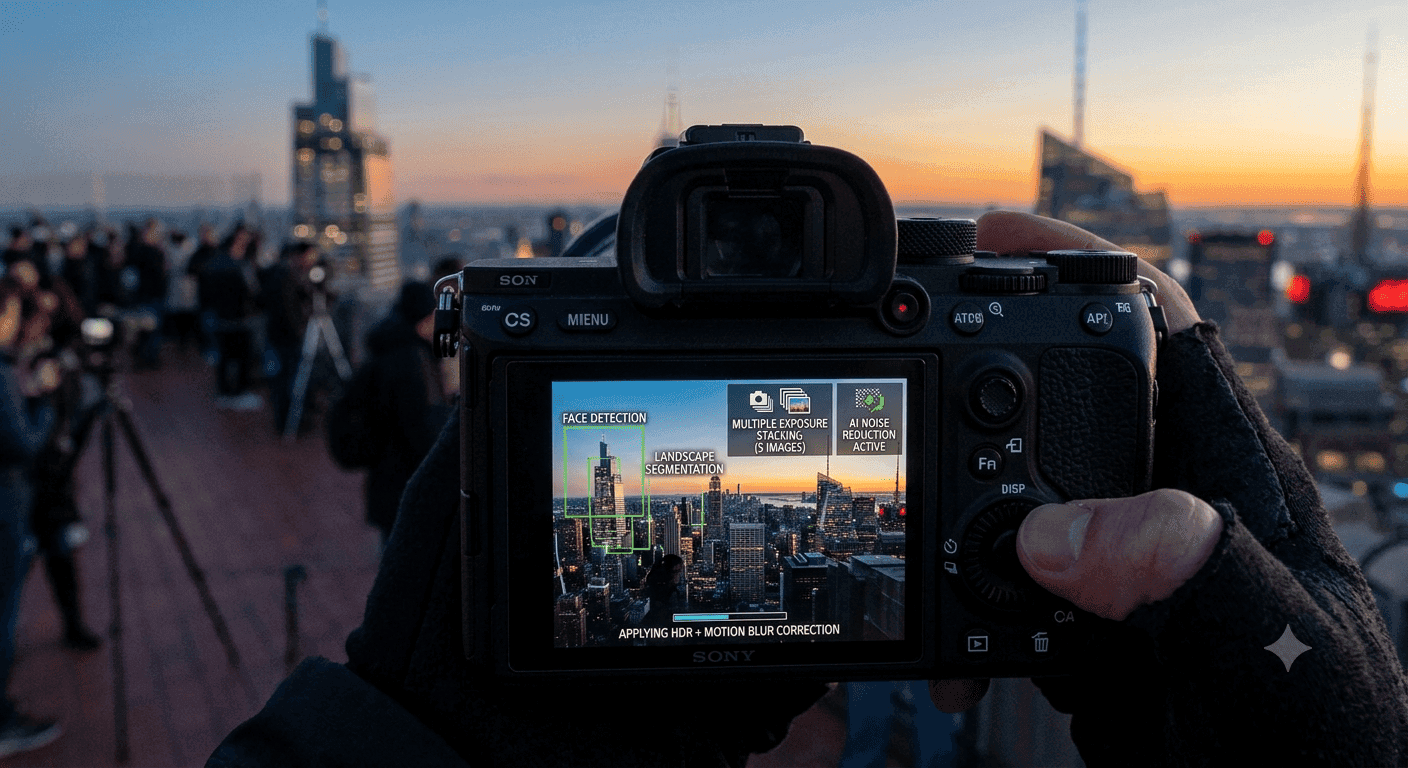
High Dynamic Range imaging, super-resolution, portrait mode, and image stacking are the techniques that make the field feel real instead of theoretical. Each one solves a different problem, and each one changes what you can expect from a system camera or imaging pipeline. The common thread is that the final result is built from more information than a single exposure can provide, and each technique addresses different aspects of image capture. High Dynamic Range imaging combines multiple exposures of the same scene to capture a wider range of light and dark details. That matters when a bright sky and a dark foreground appear in the same frame, because one exposure usually clips highlights while another loses shadow detail. With HDR, the camera merges those captures into a single result that holds more usable information across the tonal range.
Super-resolution uses algorithms to enhance the resolution and detail of an image beyond its original capture. It is useful when you want a tighter crop or when the sensor cannot deliver as much detail as the final display demands. Image stacking works differently but serves a similar goal. It combines multiple images of the same subject to reduce noise and increase detail. These techniques often work together across different aspects of the pipeline, especially when the goal is to preserve detail without sacrificing clarity.
Portrait Mode and Depth
Portrait mode uses depth sensing or dual-camera setups to create a shallow depth-of-field effect, blurring the background while keeping the subject in focus. That faux optical blur matters because it gives a phone portrait a more deliberate, subject-first look. If you have used an iPhone workflow, you have already seen depth maps and segmentation do the heavy lifting. The same logic shows up in an Android app, where the software estimates the subject boundary and simulates blur.
That matters for people shots, pet photos, and even product photos where the background should stay out of the way. The bokeh effect is not just cosmetic, it helps the eye land on the subject immediately. It also gives casual shooters a result that once required a larger camera system and more careful setup. For many users, that is one of the clearest signs that software now shapes the final image.
Low Light, Motion, and Relighting
Advanced techniques also include noise reduction, image fusion, image-based relighting, image enhancement, image deblurring, and geometry or material recovery. These are not cosmetic extras. They help the camera fix low-light shots, clean up motion blur, and optimize exposure and color balance automatically. Computational optics goes further by capturing optically coded images and then decoding them computationally. Coded aperture imaging is used in astronomy and X-ray imaging to boost image quality. In research settings, that same idea connects directly to light fields, where the system preserves more information than a traditional frame.
- HDR helps when a window, sunset, or stage light would otherwise blow out the shot.
- Super-resolution helps when you crop heavily in Adobe Lightroom or Photoshop.
- Image stacking helps when you shoot night scenes, astrophotography, or static documents.
The technique mix also matters in video. A few seconds of video can be combined with a still frame, which is how Live Photos and Cinemagraphs work. That blend of motion and stillness is one reason the field feels more expressive than plain digital capture.
Market Growth and User Demographics
The market does not grow because people want jargon, it grows because imaging quality now influences what users buy, share, and keep using every day. When the camera lives inside a phone, the software stack becomes the differentiator. That is why these components keep showing up in smartphones, compact digital cameras, and mobile editing apps. The demand is driven by users who shoot, edit, and share constantly.
In 2023, the estimated penetration rate of mobile phones in the global market was around 69%, or about 6. The demand for superior imaging quality is also a never-ending trend because users keep sharing content on social media platforms. A creator posting a reel, a small business photographing inventory, or a traveler sharing a night skyline all want the same thing: a cleaner image that looks good on a screen.
- Smartphone penetration creates the largest audience for imaging software.
- Social media keeps pressure on camera quality and color consistency.
- The market expands because software can improve results without major hardware redesigns.
The audience is broad because the use cases are broad. Some people want better family photos, while others want reliable content for work. In both cases, the same processing pipeline can make a noticeable difference. That is why the topic keeps moving from research circles into everyday buying decisions.
Emerging Trends and Future Outlook
Its meaning has broadened well beyond simple filters or software touch-ups. It now refers to digital image capture and processing techniques that use computation instead of relying only on optical design. The definition has evolved to cover computer graphics, computer vision, and applied optics, which is why the field keeps spilling into new product categories. Research at MIT Media Lab describes the field as evolving through three phases: Epsilon Photography, Coded Photography, and Essence Photography. That signals a long-term shift from capturing what the lens sees to capturing what the system can infer.
It also explains why your build techniques keep getting folded into phones, tablets, and even specialized imaging systems. The hardware can introduce capabilities that were simply not possible with film-based photography. Features like HDR imaging, super-resolution, and portrait segmentation are now familiar on consumer devices, but software can reshape the camera itself. It can also create new forms of visual artistic expression and communication, which matters for creators who rely on short-form video and polished stills.
Smartphone Workflows in Practice
A real-world example is the workflow many creators use on an iPhone or Android device. A user captures a low-light portrait, the phone applies multi-frame fusion and depth estimation, and then the image is refined in Adobe Lightroom or Photoshop for final color grading and cropping. On an iPhone, portrait mode typically relies on depth sensing or dual-camera data to isolate the subject and blur the background. On Android, an app may lean more heavily on stacking, denoising, and scene classification to stabilize a night shot.
That distinction matters because the software pipeline changes how the same hardware behaves. In both cases, the goal is the same, better results without forcing the user into a long manual edit session. The workflow is faster, more consistent, and easier to repeat. That is especially useful when someone needs polished results across many photos instead of one carefully edited image.
Research, Courses, and Reading
The future will also be shaped by education and research, because students want to understand how image formation, computer vision, and graphics intersect. A build course can make that connection clear when it covers both theory and practical pipelines. The topic appears in places like the parts CMU, these components UIUC, and your build OMSCS discussions because those programs connect research ideas to working systems. A system book can still help with the fundamentals, especially if you want a structured overview of algorithms and optics.
The field changes quickly enough that coursework and hands-on projects matter even more. If you are comparing a classroom module, a graduate seminar, or a self-study path, the best material explains how software reshapes capture instead of treating the subject as a bag of tricks. Research papers help when you want to see computational imaging and light fields used in practice. The same search path often leads people to SIGGRAPH talks, CMU notes, UIUC material, or OMSCS discussions because those references connect classroom learning to research practice.
- A course helps when you want structured exposure to algorithms and optics.
- A book helps when you want a slower walkthrough of the core ideas.
- Research papers help when you want to see computational imaging and light fields used in practice.
Raskar and Tumblin also come up often because their work helped shape the vocabulary around the field. That history matters, but the real takeaway is simpler: the hardware keeps moving from niche research into everyday devices.
Frequently Asked Questions
Q. What is computational photography in simple terms?
Computational photography is the use of software and computation to improve how a camera captures and processes images. Instead of relying only on optics, the device uses algorithms to merge frames, adjust exposure, reduce noise, and recover detail. That is why the final result can look better than a single raw capture would allow.
Q. What does computational photography mean for smartphone users?
For smartphone users, it means the phone can do more than the lens alone. It can improve low-light performance, preserve highlight detail, and separate the subject from the background. That is why modern phones can produce polished results even with small sensors.
Q. How does HDR fit into computational photography?
HDR is one of the most important techniques in the field. It combines multiple exposures of the same scene so the camera can keep both bright and dark details. That helps in sunsets, interiors, and backlit portraits where a single exposure would fail.
Q. What techniques are common in an Android app that uses these methods?
An Android app often uses stacking, denoising, scene classification, and exposure fusion. Those tools help stabilize night shots, improve color balance, and reduce noise in mixed lighting. The exact pipeline varies, but the goal is always the same, a cleaner result from limited hardware.
Q. How does iPhone processing differ from ordinary shooting?
iPhone processing relies on depth sensing, multi-frame fusion, and subject segmentation to improve the final frame. That is why portrait mode, Live Photos, and low-light cleanup can look so polished. The phone is not just recording a picture, it is building one.
Q. What should I learn in a computational photography course?
A course should cover image formation, HDR, super-resolution, noise reduction, depth estimation, and computational imaging. It should also explain the role of optics, sensors, and light fields. If the course includes practical projects, you will understand how the theory maps to real devices.
Is Computational Photography Worth Learning and Using Today?
Computational photography is most useful when it solves a problem you actually see in daily shooting. That is why the field matters to both casual users and technical builders. If you shoot interiors, backlit portraits, or sunset scenes, choose a device or app that handles HDR well. If you care about night shots or handheld video clips, choose one with strong image stacking and noise reduction. If you want the bokeh effect without spending time masking subjects by hand, choose one with reliable portrait mode.
Skip a device if its results look overprocessed, because aggressive sharpening and overdone smoothing can make photos feel artificial. Skip a workflow if it struggles in low light, because that is where weak processing shows up fast. Skip a setup that cannot balance speed and detail, because delayed processing is annoying when you are capturing something on the move. It is the difference between a frame that merely records the moment and one that can actually stand up in a feed, a presentation, or a client deck.
For most people who rely on a phone for daily photos and videos, the software-heavy approach is the smarter one because it fixes the problems that small sensors and compact optics create. For students and creators, the topic is worth learning because it explains why modern cameras behave the way they do. For anyone comparing devices, the best next step is to test how well the camera handles light, motion, and detail in the scenes you shoot most often.
Looking Ahead in Everyday Imaging
The field has already moved from research papers into the camera roll, and that shift is visible in the features people use every day. In 2023, mobile phone penetration reached about 69% globally, so the audience for smarter imaging is already enormous. That scale explains why HDR, portrait mode, image stacking, and low-light clean-up keep showing up in consumer devices and editing apps. The field keeps growing because it improves the same hardware people already own, instead of asking them to buy a completely different camera system.
If you want better results, start by choosing the workflow that matches your scenes, then test how well it handles light, motion, and detail. That approach keeps the focus on practical results instead of technical jargon. It also gives you a clearer way to judge whether a device or app fits your needs. In the end, the value comes from turning everyday captures into images that are easier to use, share, and keep.