Tech for Mental Health: Gadgets That Actually Help You Sleep and Focus
Sleep is the base layer of mental health. Without proper rest, no productivity system or motivation technique works. Many people underestimate how deeply technology interferes with sleep patterns.

Introduction
For years, the most common advice for improving mental health has been simple and repetitive. Get off your phone. Reduce screen time. Disconnect from technology. While this advice still holds value, it no longer reflects the full reality of modern life. In 2026, students and professionals cannot simply abandon technology. Classes, work, deadlines, communication, and even relaxation are deeply tied to digital systems. The irony is clear. The same technology blamed for stress and distraction is now also becoming part of the solution. When used intentionally, Tech for Mental Health can support better sleep, deeper focus, and healthier daily routines.
The real problem is not technology itself but uncontrolled and unconscious usage. Endless notifications, late night screen exposure, irregular sleep schedules, and constant context switching have created an epidemic of digital burnout. Many people sleep for eight hours and still wake up exhausted. Others sit down to study or work and find their attention shattered every few minutes. Anxiety, restlessness, and mental fatigue have become normalised. This is where thoughtful gadget choices can help. Instead of stimulating the brain further, certain tools are designed to calm it, guide it, and protect it. Understanding this shift is essential to reclaiming balance through Digital Wellbeing Tools.
The goal is not to buy more devices for the sake of it. It is about choosing the right technology with a clear purpose. Sleep and focus form the foundation of mental health. When these two areas are supported, productivity improves naturally and stress becomes manageable. This blog explores practical gadgets that genuinely help you rest better, concentrate longer, and feel more in control of your mental energy. These are not gimmicks. They are tools for intentional living in a digital world shaped by Student Productivity Gadgets and mindful design.
Reclaiming Your Sleep (The Foundation)
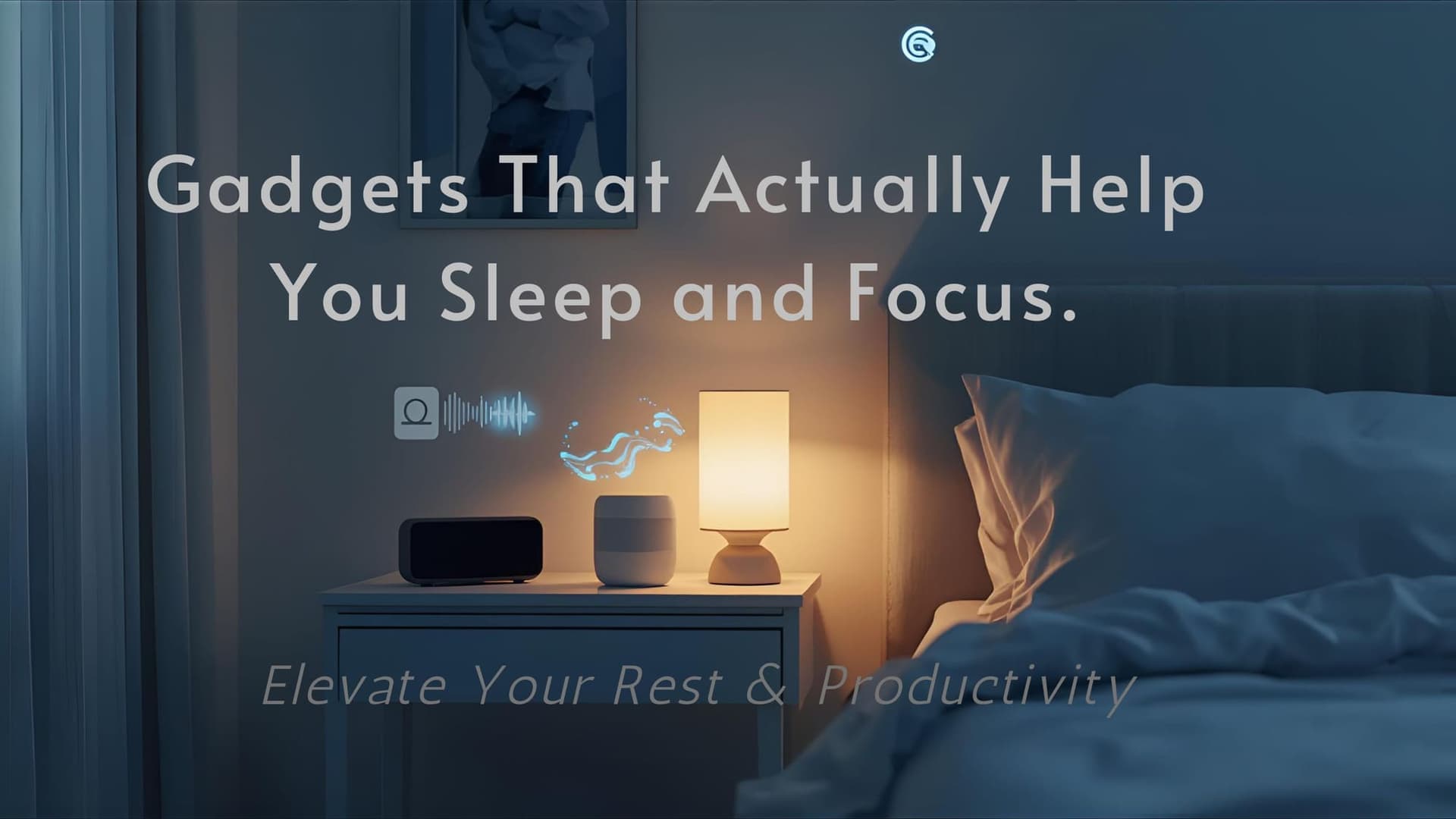
Sleep is the base layer of mental health. Without proper rest, no productivity system or motivation technique works. Many people underestimate how deeply technology interferes with sleep patterns. Harsh alarms, late night screen exposure, and irregular routines confuse the brain’s internal clock. Reclaiming sleep does not require discipline alone. It often requires environmental support. The following gadgets focus on helping the body wind down naturally and wake up without shock, using science-backed approaches and Sleep Tracking Technology.
Gadget #1: Sunrise Alarm Clocks
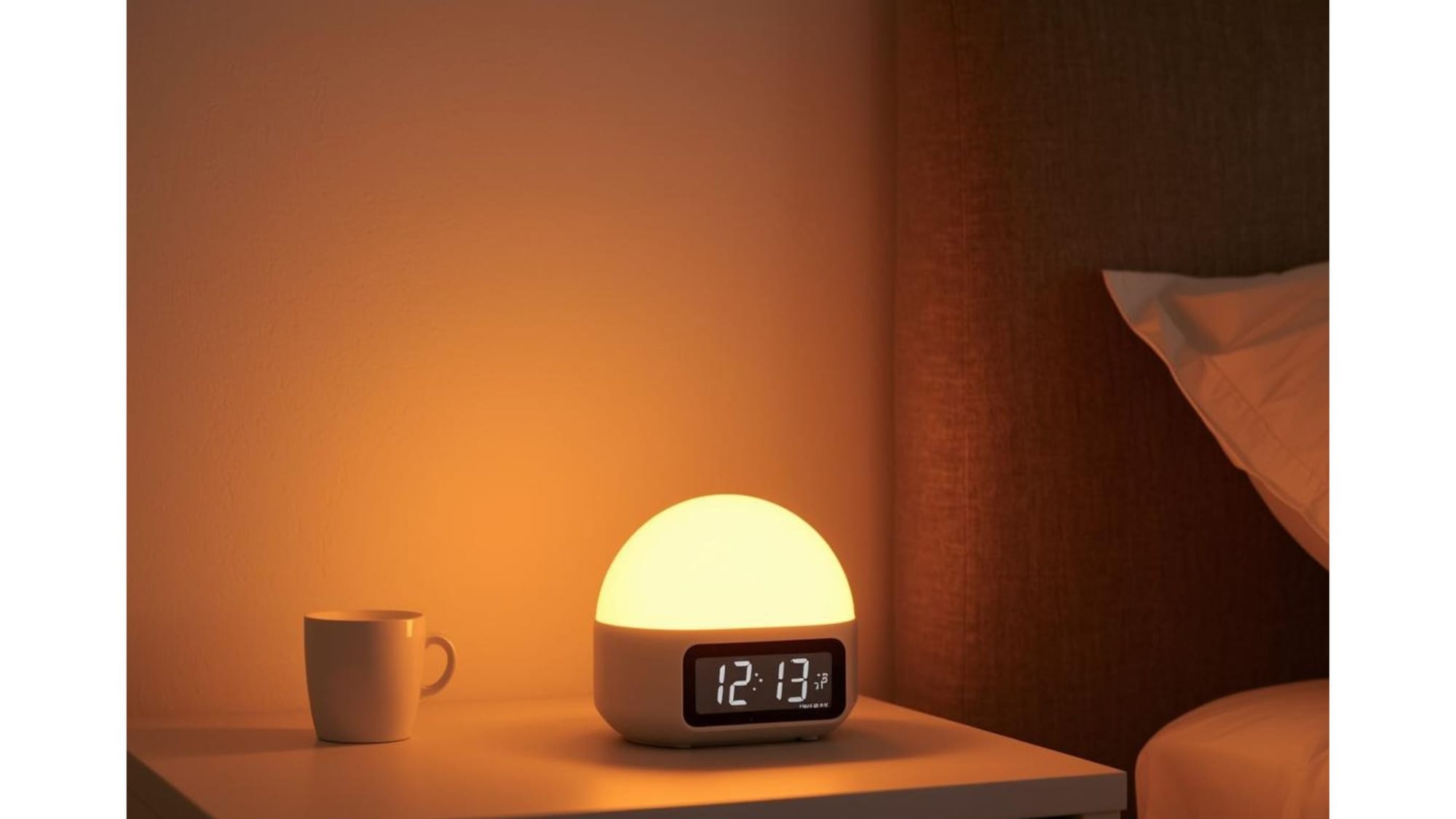
Most people wake up to a loud alarm on their phone that instantly pulls them out of deep sleep. This sudden jolt increases stress hormones like cortisol within seconds of waking. Over time, this creates grogginess, irritability, and morning anxiety. Sunrise alarm clocks solve this problem by replacing sound-first alarms with light-first wake-ups. These devices gradually increase light intensity, mimicking a natural sunrise even in dark rooms or early mornings.
This gradual light exposure signals the brain that it is time to wake up, aligning with the body’s circadian rhythm. The result is a calmer transition from sleep to wakefulness, improved mood, and reduced morning stress. Many users report feeling more refreshed even with the same number of sleep hours. By supporting natural biological cues rather than fighting them, sunrise alarms quietly improve daily wellbeing and establish a healthier relationship with mornings through Sunrise Alarm Clocks.
Gadget #2: Smart Wearables with Sleep Tracking
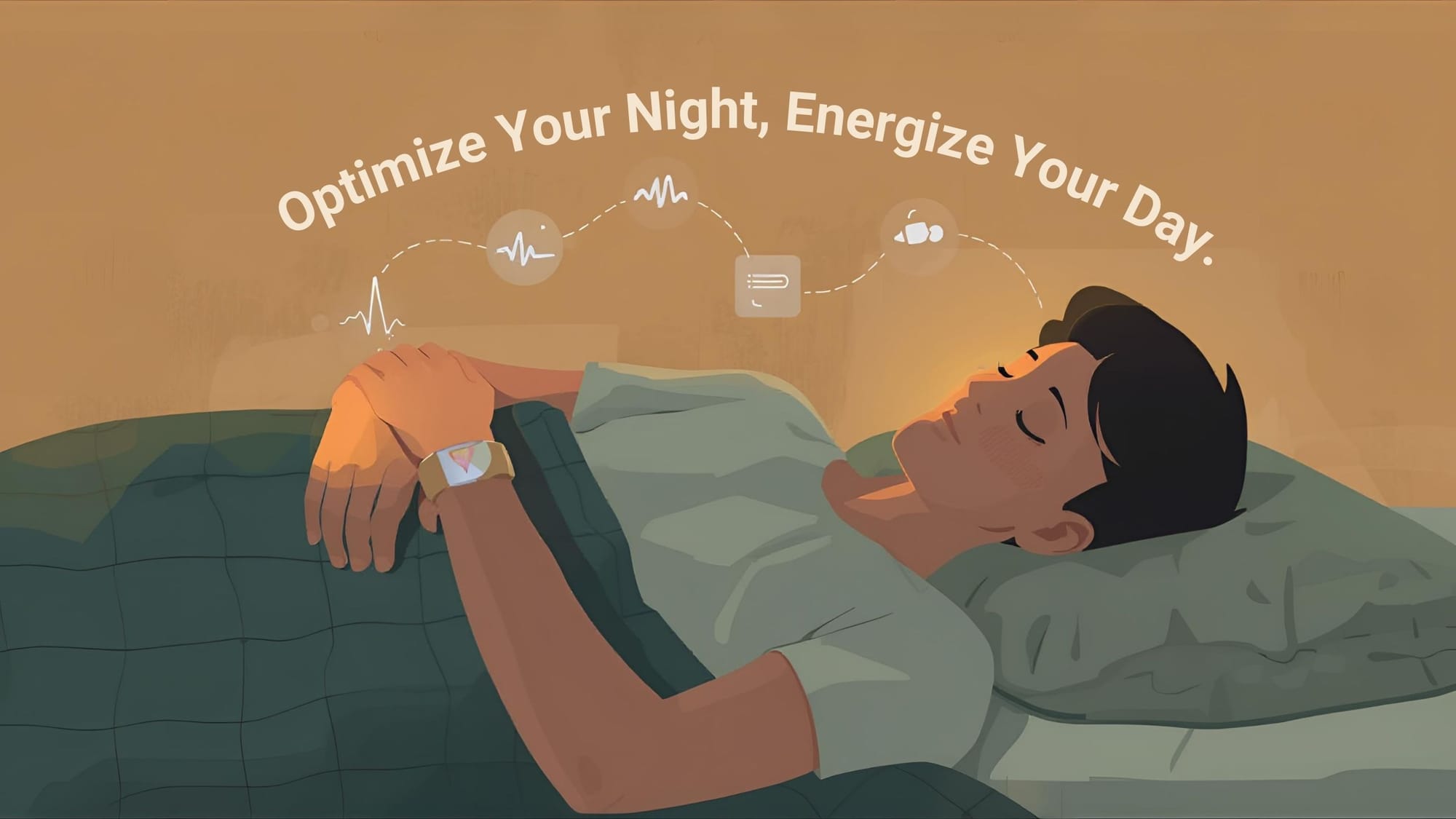
Many people believe they are sleeping enough but still feel constantly tired. The reason often lies in sleep quality rather than sleep duration. Sleep is divided into stages, including deep sleep and REM sleep, each serving different recovery functions. Without insight into these stages, it is impossible to understand why rest feels ineffective. Smart wearables bridge this gap by monitoring movement, heart rate, and sleep cycles throughout the night.
Smartwatches, fitness bands, and even smart rings provide clear data on how long you spend in each sleep stage. This awareness allows users to adjust habits such as caffeine timing, bedtime routines, or screen exposure. Importantly, high-end models are not essential. Budget bands and older refurbished smartwatches often track sleep stages accurately enough for meaningful insight. Used consistently, Smart Wearables for Sleep turn vague tiredness into actionable understanding rather than guesswork.

Gadget #3: Blue Light Blocking Glasses
Late night studying or working has become unavoidable for many students and professionals. The problem is not the work itself but the light emitted by screens. Blue light suppresses melatonin, the hormone responsible for signalling sleep. When melatonin production is delayed, falling asleep becomes harder even after shutting down devices. Blue light blocking glasses filter out this spectrum, reducing its impact on the brain.
These glasses do not make screens harmless, but they significantly reduce sleep disruption when used in the evening. By allowing melatonin production to continue, they support faster sleep onset and deeper rest. For people who cannot avoid screens at night, this simple accessory acts as a protective layer. Over time, consistent use improves sleep regularity and quality, making Blue Light Blocking Glasses one of the most affordable and effective sleep support tools available.
Part Mastering Focus (The Daily Grind)
Focus has become one of the most fragile mental resources of modern life. Notifications, background noise, and constant digital temptation fragment attention throughout the day. The brain is forced to switch tasks repeatedly, increasing mental fatigue and reducing learning efficiency. Improving focus does not require willpower alone. It requires reducing unnecessary cognitive load. The following gadgets are designed to remove distractions rather than add features, helping rebuild sustained attention using Noise Cancelling Headphones for Focus and intentional design.
Gadget #4: Physical Pomodoro Timers
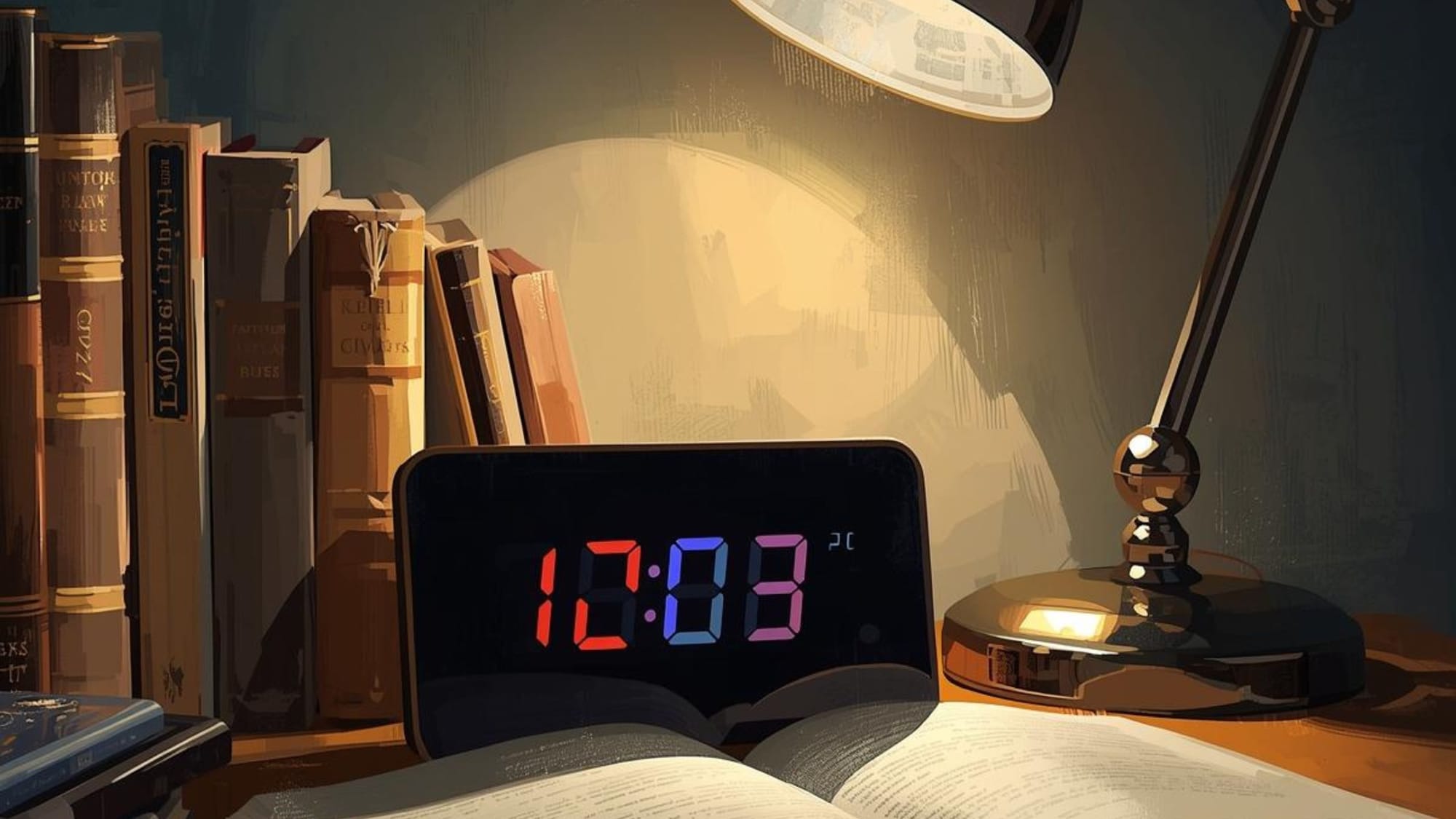
Many productivity systems fail because they rely on the very device that causes distraction. Using a phone as a timer often leads to checking messages or social media “for just a moment.” Physical timers remove this problem by separating time management from digital distraction. Whether digital or mechanical, these timers sit on your desk and perform one task only, tracking focused work intervals.
This physical separation reduces temptation and reinforces clear boundaries between work and breaks. Over time, the brain begins associating the timer with focused effort, strengthening concentration habits. The simplicity of the tool is its greatest strength. By reducing reliance on phones during work sessions, physical timers support healthier focus patterns and make structured productivity achievable without constant self-control, aligning perfectly with Digital Wellbeing Tools.

Gadget #5: Active Noise Cancelling Headphones
Noise is a major but underestimated source of mental fatigue. The brain continuously processes background sounds even when we try to ignore them. In noisy environments like hostels, shared apartments, or urban homes, this sensory load drains focus quickly. Active noise cancelling headphones reduce ambient noise electronically, creating a controlled sound environment.
By minimising auditory distractions, these headphones reduce cognitive strain and allow the brain to allocate resources to the task at hand. This is particularly useful for reading, studying, and deep work sessions. The goal is not silence for everyone but predictability. When sound becomes stable, focus becomes easier. Used intentionally, ANC headphones act as a mental boundary that protects concentration during demanding tasks through Noise Cancelling Headphones for Focus.

Gadget #6: E-Ink Tablets and E-Readers
Reading on laptops or tablets often leads to multitasking. Notifications, tabs, and apps constantly compete for attention. E-ink devices remove this problem by doing one thing only, displaying text. With no notifications, no colour, and minimal eye strain, these devices encourage deep reading and sustained focus.
E-ink screens mimic paper, reducing eye fatigue during long reading sessions. For students and professionals who read extensively, this improves comprehension and retention. By eliminating digital temptation, e-readers support distraction-free learning. This focused environment makes them powerful tools for rebuilding attention in a world overloaded with stimuli, reinforcing their role among effective Student Productivity Gadgets.
The Environment
Mental health is shaped not only by habits but also by surroundings. Light, sound, and ambience send constant signals to the brain. Small environmental adjustments can significantly improve sleep readiness and focus quality. Smart lighting and sound management tools work quietly in the background, shaping behaviour without conscious effort and supporting Gadgets for Anxiety Relief.
Smart bulbs allow users to adjust colour temperature throughout the day. Warm white or red tones in the evening signal the brain that it is time to slow down, while brighter neutral light supports daytime alertness. This gradual shift reinforces natural rhythms and reduces overstimulation at night.
White noise machines mask sudden disruptive sounds such as traffic or conversations. By creating consistent background noise, they prevent abrupt interruptions that break concentration or disturb sleep. These simple devices are especially useful in shared living spaces where silence is unrealistic. Together, these tools demonstrate how environment design directly supports focus and rest using White Noise Machines and mindful lighting.
Building a Calmer Digital Life Through Intentional Technology
The biggest mindset shift in 2026 is understanding that technology itself is not the real source of burnout. The deeper issue is unstructured usage that quietly disrupts sleep cycles, fragments attention, and overloads the brain with constant stimulation. This is exactly why the right gadgets can become powerful mental health enablers. Tools like sunrise alarms, sleep-tracking wearables, blue light blocking glasses, physical Pomodoro timers, ANC headphones, and e-ink readers work best because they reduce friction in the moments where discipline usually fails. Instead of demanding more willpower, they reshape the environment so healthier behaviour becomes the default.
What makes these gadgets especially valuable is that they improve the two foundations that influence everything else: sleep quality and sustained focus. Better sleep improves emotional regulation, energy stability, and stress resilience. Better focus reduces task switching, lowers mental fatigue, and helps work feel more manageable. When these two pillars improve together, anxiety around deadlines, studies, and work routines naturally becomes easier to handle. That is why Tech for Mental Health is less about buying devices and more about designing a calmer system around your daily life.
The most practical way to apply this in real life is to solve one friction point at a time. If your nights are broken by irregular sleep, start with light-based wake-ups or blue light protection. If your mind feels scattered throughout the day, begin with physical timers or noise cancellation. Small, intentional upgrades often create bigger behavioural change than dramatic self-improvement plans. In a world where digital overload is unavoidable, the real win is not escaping technology but using it to build routines that protect your mental energy every day.
Ready to upgrade your tech?
Browse our collection of quality refurbished products at unbeatable prices.