
Sony ZV-E10 vs Canon 200D Mark II Guide
Compare Sony ZV-E10 vs Canon 200D Mark II in India for price, autofocus, 4K video, battery life, and creator-focused shooting.

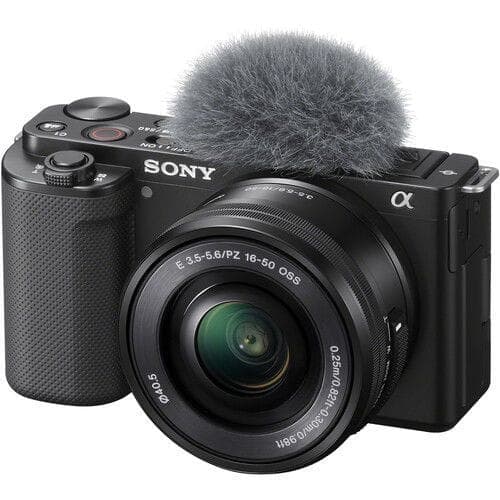
TL;DR Sony ZV-E10 vs Canon 200D Mark II comes down to creator features versus lower cost. The Sony is stronger for video, autofocus, and burst shooting, while the Canon EOS 200D Mark II lasts longer on a charge and costs ₹49,087.
Creator-First vs General Use
The Sony ZV-E10 vs Canon 200D Mark II comparison is easiest when you separate creator work from general camera use. Sony ZV-E10 costs ₹54,990, while Canon EOS 200D Mark II is priced at ₹49,087, so the Canon is the more affordable body. That lower price matters if you are buying your first mirrorless or DSLR body and every rupee counts. For a quick value check, the Canon is the safer body, not the sharper tool.
On paper, the Sony is the more capable camera for content work. It has a 24.2 MP sensor, 11 fps continuous shooting, 425 autofocus points, and UHD 4K video at 3840 x 2160. The Canon EOS 200D Mark II is close in resolution at 24.1 MP, but its 5 fps burst rate and Full HD 1920 x 1080 video make it feel more conservative. For a creator shooting talking-head clips, product shots, and b-roll, the Sony gives you more room to crop, reframe, and edit.
Battery Life and Daily Workflow
Battery life is one of the clearest reasons some buyers may still prefer the Canon EOS 200D Mark II. It is rated for approximately 650 shots, while the Sony ZV-E10 is rated for approximately 440 shots. If you spend long hours on campus, travel, or classroom recording, the Canon is easier to keep alive through the day. That difference matters when you want fewer battery swaps and less downtime.
Workflow also separates these two cameras in practical use. The Sony behaves like a mirrorless camera built around video-first habits, while the Canon still feels like a DSLR that can handle content creation. That difference shows up in the way you frame, focus, and shoot in manual or auto mode. The Sony is better suited to fast-moving creator setups, while the Canon fits users who want a simpler stills-first routine.
Nikon Z30 body only sits at ₹56,264, which keeps the Sony in the same mid-range creator bracket rather than in budget territory. That price context helps show that the ZV-E10 is not a bargain body, even if it is the stronger tool for video work. If your main concern is daily endurance, the Canon remains the more practical pick.
Sensor and Autofocus Performance Comparison
Sensor and autofocus performance are where the Sony ZV-E10 starts to pull ahead in a way you can actually feel. The Sony uses a 24.2 MP sensor, the Canon EOS 200D Mark II uses a 24.1 MP sensor, and the Nikon Z30 comes in lower at 20.9 MP. That means the Sony and Canon are effectively tied for resolution, but the Sony still wins where it counts more often. The autofocus gap is the real divider.
Sony ZV-E10 has 425 autofocus points, while Canon EOS 200D Mark II has only 9. In real use, that means the Sony is much better at keeping a face, product, or moving subject locked in when you lean in, step back, or shift position during a shoot. For creators comparing features, this is the kind of difference that shows up fast in day-to-day work.
What the numbers mean in practice
The Sony reaches up to 11 fps, while the Canon tops out at 5 fps. That difference helps when you are shooting action, quick expressions, or a burst of frames for thumbnails. If you use Adobe Lightroom or Photos to pick the sharpest frame, the Sony gives you far more usable choices. The Sony also has a maximum ISO of 32,000 compared with the Canon’s 25,600. That does not make it a low-light miracle, but it does give you a little more breathing room in dim indoor light, under fluorescent tubes, or during a daylight-to-indoor transition.
| Feature | Sony ZV-E10 | Canon EOS 200D Mark II | Nikon Z30 |
|---|---|---|---|
| Sensor resolution | 24.2 MP | 24.1 MP | 20.9 MP |
| Autofocus points | 425 | 9 | Not specified |
| Continuous shooting | Up to 11 fps | Up to 5 fps | Not specified |
| Maximum ISO | 32,000 | 25,600 | Not specified |
Real-world shooting differences
If you film a YouTube tutorial, the Sony’s autofocus keeps your face stable while you reach for a prop or turn toward a whiteboard. If you shoot a product demo, it is less likely to hunt when the subject moves closer to the lens. The Canon can still handle portraits, casual clips, and everyday photography well, but it asks for a little more patience. That makes the Sony the easier camera to trust when the shot changes quickly.
Video Quality and Creator Features
Video quality is another area where the Sony ZV-E10 clearly targets creators. It records UHD 4K at 3840 x 2160, while the Canon EOS 200D Mark II tops out at Full HD 1920 x 1080. That difference matters if you edit in Premiere Pro, DaVinci Resolve, or Final Cut, because 4K footage gives you more flexibility when you crop, stabilize, or reframe. It also helps if you want your footage to hold up better on larger screens.
The Canon still works for simpler YouTube uploads and basic social clips. It is a reasonable choice if you do not need 4K and you want a lower entry price. The Sony, however, is the better fit for talking-head videos, product reviews, and b-roll-heavy edits. Its creator-first design makes it easier to build a consistent workflow around video.
This is also where the title question gets answered most directly. If you want a camera that behaves like a content tool first, the Sony ZV-E10 is the stronger choice. If you want a less expensive body for mixed use and you can live with Full HD, the Canon EOS 200D Mark II still makes sense. The right answer depends on whether your priority is video output or lower upfront cost.
Which Camera Fits Different Buyers
The Sony ZV-E10 is the better choice for creators who care most about autofocus, 4K video, and faster burst shooting. It suits people making tutorials, product videos, short-form clips, and hybrid content where focus tracking matters. The 425 autofocus points and 11 fps shooting rate give it a clear edge for active shooting styles. If you want a camera that can keep up when your subject or framing changes, the Sony is the more capable body.
The Canon EOS 200D Mark II is the better fit for buyers who want to spend less and shoot longer on a charge. Its ₹49,087 price and approximately 650-shot battery rating make it appealing for students, casual photographers, and anyone who values endurance over advanced video tools. It is also easier to justify if your work stays mostly in stills or simple Full HD clips. That makes it a practical camera, even if it is not the more advanced one.
If you are deciding between the two, think about your main use case first. Choose the Sony if video quality and autofocus matter most. Choose the Canon if battery life and lower cost matter more. That simple split matches the strengths shown throughout the comparison.
Frequently Asked Questions
Q. Which camera is better for video, Sony ZV-E10 or Canon EOS 200D Mark II?
The Sony ZV-E10 is better for video because it records UHD 4K at 3840 x 2160, while the Canon EOS 200D Mark II is limited to Full HD 1920 x 1080. The Sony also has 425 autofocus points, which helps keep faces and moving subjects in focus during recording. If your work includes tutorials, product demos, or b-roll, the Sony gives you more editing flexibility.
Q. Which model is cheaper in India?
The Canon EOS 200D Mark II is cheaper at ₹49,087, while the Sony ZV-E10 costs ₹54,990. That gap makes the Canon easier to buy if you want to keep the body price lower. The Sony costs more, but it brings stronger creator-focused features.
Q. Which camera has better autofocus?
The Sony ZV-E10 has much better autofocus on paper because it offers 425 autofocus points, compared with only 9 on the Canon EOS 200D Mark II. That difference matters when you move around the frame or shoot subjects that do not stay still. For face tracking and product work, the Sony is the safer pick.
Q. Which camera lasts longer on battery?
The Canon EOS 200D Mark II lasts longer, with an approximate 650-shot rating. The Sony ZV-E10 is rated for approximately 440 shots, so it needs charging sooner. If you shoot long days away from power, the Canon is easier to manage.
Q. Is the Sony ZV-E10 worth the extra cost?
The Sony ZV-E10 is worth the extra cost if you care about 4K video, 11 fps shooting, and 425 autofocus points. Those features make it more useful for creator work than the Canon EOS 200D Mark II. If you only need a lower-cost body for casual use, the Canon can still be the better value.
Is the Sony ZV-E10 Worth It Over the Canon EOS 200D Mark II?
The Sony ZV-E10 is worth it if your priority is creator performance. Its ₹54,990 price brings 4K video, 425 autofocus points, and 11 fps burst shooting, which are all useful for modern content work. The Canon EOS 200D Mark II stays attractive at ₹49,087 because it is cheaper and rated for approximately 650 shots. Those strengths make it a solid alternative for buyers who value battery life and lower upfront cost.
If you are a student, casual photographer, or someone who mainly shoots stills, the Canon is the more practical purchase. If you make videos regularly and want autofocus that keeps up with your subject, the Sony is the better long-term tool. The gap in video format and autofocus is large enough to matter every time you shoot. That is why the Sony is the stronger recommendation for creators, while the Canon remains the better budget-conscious choice.
Before you buy, match the camera to your workflow instead of the spec sheet alone. Choose the Sony ZV-E10 if you want the more capable video body and can accept the higher price. Choose the Canon EOS 200D Mark II if you want lower cost and longer battery life. Once you decide based on how you actually shoot, the choice becomes much easier.





