Sony vs Canon vs Nikon vs Fujifilm Camera Guide
Compare Sony, Canon, Nikon, and Fujifilm cameras in India by price, lens ecosystem, handling, and hybrid use.


TL;DR Sony is the most flexible all-around system if you want the broadest lens path and long-term room to grow, while Canon, Nikon, and Fujifilm make more sense when you value familiar handling, low-light confidence, or a more deliberate photo-first feel.
Why Brand Choice Matters for Camera Buyers
Sony vs Canon vs Nikon vs Fujifilm is not a simple body comparison, because the camera body is only the first purchase. The real cost shows up later in lenses, card slots, and the way each camera handles your shooting style. If you shoot photos in Lightroom, edit video in DaVinci Resolve, or move between stills and clips in Adobe Premiere Pro, the system choice changes your day-to-day experience a lot.
Nikon, Canon, Sony, and Fujifilm each brought a different idea of what a camera should feel like. Sony pushes system depth and mirrorless speed, Canon leans into dependable hybrid cameras, Nikon focuses on handling and low-light confidence, and Fujifilm keeps a strong photo identity. That is why people keep asking about sony vs canon vs nikon vs fuji reddit threads, because the answer depends on what you actually shoot and what lenses you want to buy later.
The price spread also shows how different these systems are. The Fujifilm X-M5 starts at ₹78,000, while the Nikon Z8 with lens reaches ₹5,19,220. That gap matters because the body price can look manageable until you factor in the rest of the system.
APS-C and Full-Frame Choices Across the Four Brands
The APS-C and full-frame split matters most when you are choosing between size, price, and the kind of shooting you do. That is why the Nikon Z5 II and Fujifilm X-M5 appeal to different people even though they sit in a similar budget conversation. The Nikon Z5 II with 16-50mm lens is a full-frame start at ₹83,999, while the Fujifilm X-M5 is an APS-C body at ₹78,000.
APS-C bodies usually make more sense when you want a lower entry price and a lighter setup. Full-frame bodies make more sense when you want a larger sensor path and are willing to spend more on the system. In this article, that difference shows up clearly in the way the budget options are positioned.
| Camera | Sensor | Positioning | Price |
|---|---|---|---|
| Fujifilm X-M5 | APS-C | Lowest-cost body | ₹78,000 |
| Nikon Z5 II with 16-50mm lens | Full frame | Cheapest full-frame start | ₹83,999 |
| Fujifilm X-T5 | APS-C | Mid-range photo body | ₹145,999 |
| Canon EOS R6 Mark III body | Full frame | Strong hybrid body | ₹230,500 |
| Canon EOS R6 V with lens | Full frame | Higher-priced creator setup | ₹3,29,559 |
| Nikon Z8 with lens | Full frame | Premium high-end option | ₹5,19,220 |
The table makes one thing clear, the entry point is not the same across brands. Fujifilm gives you the lowest-cost body here, while Nikon gives you the cheapest full-frame start. Canon sits higher in the hybrid and creator-focused range, and Nikon’s Z8 moves into premium territory.
How Each Brand Feels in Real Use
The brand personalities matter most when you are actually shooting, not when you are reading a spec chart. Sony is the system camera, Canon is the action and hybrid camera, Nikon is the comfort-first camera, and Fujifilm is the photography camera for people who want a more deliberate feel. That is why the sony vs canon vs nikon vs fujifilm debate keeps coming back in reviews and forum replies.
Fujifilm has a clear identity because it rewards people who like JPEGs, tactile controls, and a slower pace. The X-T3’s silent shutter is useful in ceremonies, museums, and street photography, where a loud camera would be distracting. Its weather sealing also helps when you are outside and the weather changes fast, which is a very real reason a lot of people keep a Fuji body in their bag.
Sony is the brand that usually gets brought up when someone wants the broadest lens path. That is not just a technical point, because a broad lens ecosystem lets you shoot portraits, landscapes, and video without switching systems. If you work through a lot of different assignments, that flexibility can save you a lot of second-guessing.
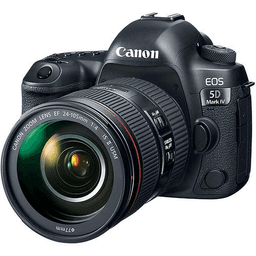
Canon is the safer reply for people who want a camera that feels familiar quickly. The EOS R6 III is a strong camera for action photography, and Canon’s video autofocus is one of the reasons creators keep choosing it. If you shoot a mix of stills and clips, Canon often feels easier on day one than a more complex system.
Nikon sits in a practical middle ground for many buyers. The Z5 II gives you a full-frame entry point without jumping straight to the premium end, and the Z8 with lens shows how far the system can scale. For buyers who care about handling and confidence in lower light, Nikon remains a serious option.
Which Brand Fits Your Budget and Shooting Style
The price spread shows how different these systems are, from the Fujifilm X-M5 at ₹78,000 to the Nikon Z8 with lens at ₹5,19,220. If you are choosing between Sony vs Canon vs Nikon vs Fujifilm, start with the kind of shooting you do most and the lenses you expect to buy later. Use the body as the first step, not the whole decision.
If you want the broadest long-term system, Sony is the safest place to start. If you want a camera that feels easy for action and hybrid work, Canon makes a strong case. If you want the cheapest full-frame entry, Nikon is the clearest value point in this group. If you want a more photo-first experience with tactile controls, Fujifilm gives you that identity from the start.
The best choice is the one that matches your shooting habits, not the one with the longest spec sheet. A body like the Fujifilm X-M5 can make sense for a smaller, lighter setup, while the Canon EOS R6 Mark III body and Nikon Z8 with lens belong to buyers who are ready to spend more for higher-end use. Once you know where you sit on that range, the rest of the decision gets much easier.
Frequently Asked Questions
Q. Which brand is the most flexible long term in this comparison?
Sony is the most flexible long term here because it is the system camera and has the broadest lens path. That matters more than the body price alone, especially when you plan to grow into portraits, landscapes, and video over time. The article also places Sony at the center of the system-depth conversation for that reason.
Q. Which option gives the lowest-cost body in the article?
The Fujifilm X-M5 is the lowest-cost body at ₹78,000. It sits in the APS-C category, which makes it a practical entry point for buyers who want a lighter and more affordable start. That is why it appears at the bottom of the price ladder in the comparison table.
Q. What is the cheapest full-frame start mentioned here?
The Nikon Z5 II with 16-50mm lens is the cheapest full-frame start at ₹83,999. That makes it a useful option for buyers who want full-frame without jumping to the much higher prices of the Canon EOS R6 Mark III body or the Nikon Z8 with lens. It stands out because it bridges the gap between entry pricing and full-frame shooting.
Q. Which brand is described as the easiest for hybrid shooting?
Canon is described as the safer reply for people who want a camera that feels familiar quickly, and the EOS R6 III is called a strong camera for action photography. The article also says Canon’s video autofocus is one reason creators keep choosing it. That makes Canon the clearest hybrid-oriented choice in this comparison.
Q. Which brand is best for a more photo-first experience?
Fujifilm is the most photo-first option in this article. The X-T3 is highlighted for silent shutter use in ceremonies, museums, and street photography, and Fujifilm is also tied to JPEGs and tactile controls. That combination makes it the most deliberate-feeling system in the group.
Q. How wide is the price range across these cameras?
The range runs from ₹78,000 for the Fujifilm X-M5 to ₹5,19,220 for the Nikon Z8 with lens. That spread shows why body choice alone does not tell the whole story. It also reinforces why buyers should think about lenses and system growth before they decide.
Which Camera System Makes the Most Sense for You
Sony makes the most sense if you want the broadest lens path and the most room to grow across different kinds of work. Canon makes sense if you want a dependable hybrid camera that feels familiar and handles action well. Nikon is the practical pick if you want a full-frame start like the Z5 II or a high-end path like the Z8, while Fujifilm fits buyers who want a more deliberate photo-first experience.
The strongest value choices in this article are easy to separate by budget. The Fujifilm X-M5 at ₹78,000 is the lowest-cost body, and the Nikon Z5 II with 16-50mm lens at ₹83,999 is the cheapest full-frame start. Higher up, the Canon EOS R6 Mark III body at ₹230,500 and the Nikon Z8 with lens at ₹5,19,220 show where the premium systems begin.
If you are still deciding, start with your shooting style and the lenses you expect to buy later. That is the clearest way to choose between Sony, Canon, Nikon, and Fujifilm without overpaying for features you will not use. Once you match the system to your work, the right body becomes much easier to spot.