
Sony PS2 Fat Comparison Guide in 2026 India
A complete comparison guide for Sony PS2 Fat in 2026 India, covering differences, value, and the best choice for buyers.

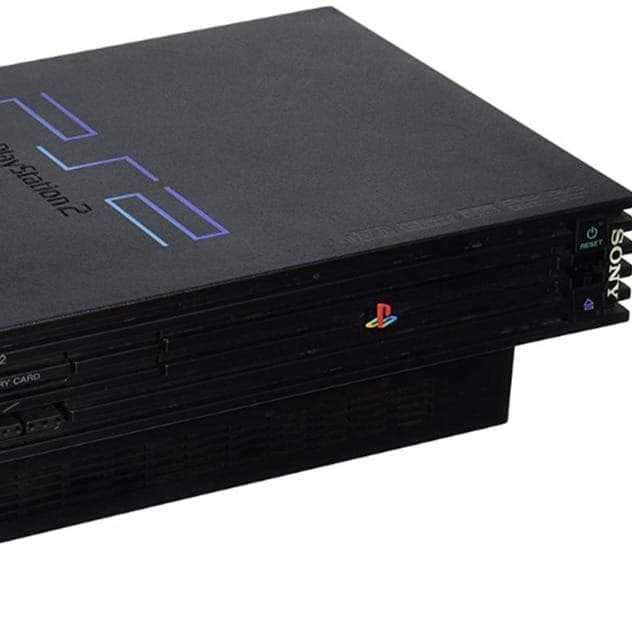
TL;DR The Sony PS2 Fat continues to remain the better option for users who prioritise modding, internal HDD storage, and long-term flexibility, while the PS2 Slim focuses more on compactness and simple plug-and-play usage. Both consoles deliver nearly identical gaming performance because they share the same core hardware architecture, but the Fat model offers significantly greater expandability and retro gaming versatility. For retro gaming enthusiasts, collectors, and users interested in Free McBoot or HDD-based setups, the PS2 Fat generally provides stronger long-term value.
Why the PS2 Fat and Slim Still Matter in Retro Gaming
The PlayStation 2 continues to remain highly relevant in retro gaming culture because it represents one of the most successful gaming ecosystems ever created. Buyers today are no longer comparing these consoles against modern gaming systems based on graphics or online functionality. Instead, the comparison revolves around value, nostalgia, flexibility, and ease of ownership.
Another important factor is the growth of the retro gaming market, especially among users who prefer offline gaming experiences and large classic game libraries. Increased accessibility through refurbished markets and modding communities has made older PlayStation consoles easier to use than ever before. This has significantly increased interest in both PS2 Fat and PS2 Slim systems.
The most important comparison now happens between the Fat and Slim versions themselves because both appeal to very different usage styles. The decision depends less on gaming performance and more on convenience, expandability, and long-term usability. This is what makes the comparison relevant even today.
Core Design Differences Between PS2 Fat and PS2 Slim
The PS2 Fat and PS2 Slim share the same gaming ecosystem and core architecture, but their physical design philosophy is very different. The PS2 Fat focuses on expandability and internal flexibility, while the Slim prioritises compactness and convenience. This creates two distinct ownership experiences.
The most important hardware difference is the expansion bay available in the PS2 Fat, which supports internal HDD installation through adapters. This feature completely changes how users can interact with the console because it enables large internal game libraries and faster loading methods. The Slim removes this capability entirely in favour of a smaller body.
Another noticeable difference is physical footprint because the PS2 Slim is significantly lighter and easier to place in smaller entertainment setups. Users with limited desk or shelf space may find the Slim more practical for daily use. However, this compactness also limits upgrade potential considerably.
Gaming Performance Comparison in Real Usage
In terms of raw gaming performance, both consoles deliver almost identical gameplay because they use the same processor and graphics architecture. Frame rates, compatibility, and overall game behaviour remain largely consistent between both models. This means neither console has a major advantage in standard gameplay performance.
However, modern usage patterns create practical differences in how games are loaded and accessed. The PS2 Fat supports internal HDD-based gameplay setups, which can significantly reduce loading times and improve convenience compared to disc-based usage. This gives the Fat model a functional advantage in modded environments.
Another small difference appears in operational characteristics because Slim models are generally quieter and slightly faster during startup procedures. The Fat models, however, often feel more thermally stable due to their larger body and improved airflow. These differences are subtle but noticeable during extended usage.
Build Quality and Long-Term Durability
Build quality is one area where the PS2 Fat and Slim feel noticeably different during real-world ownership. The PS2 Fat has a heavier and more industrial design that feels physically stronger and more durable. Its larger internal spacing also improves airflow and thermal management.
The Slim focuses more on convenience and portability because of its smaller and lighter construction. This makes it easier to move and fit into compact setups without occupying much space. However, the tighter internal layout can make repairs and maintenance more complicated.
Another important factor is long-term serviceability because many technicians consider the Fat easier to repair and maintain. Larger internal spacing improves accessibility during cleaning and component replacement. This increases the practical lifespan of well-maintained Fat models.
Why Modding Changes the Entire Comparison
Modding capability is the single biggest reason many retro gaming enthusiasts prefer the PS2 Fat over the Slim. The internal expansion bay allows installation of HDD-based game libraries, which dramatically improves convenience and reduces dependency on physical discs. This creates a much more flexible gaming setup.
Modern tools such as Free McBoot and Open PS2 Loader are widely used to enable advanced functionality on PS2 systems. The Fat model works exceptionally well with these tools because of its support for internal storage configurations. This makes it ideal for users who want large offline game collections.
The Slim can still support modding through USB or network-based methods, but these setups are generally slower and less efficient compared to internal HDD configurations. This limits the overall flexibility of the Slim for advanced users. The difference becomes especially important for long-term retro gaming setups.
Price Comparison and Value Perspective
Pricing between the PS2 Fat and Slim is surprisingly close despite their different strengths and usage styles. Refurbished units of both models are widely available, although prices vary depending on condition, included accessories, and refurbishment quality. Buyers should evaluate value rather than just base price.
| Console Model | Typical Price Range |
|---|---|
| PS2 Fat | ₹4,000 – ₹7,000 |
| PS2 Slim | ₹5,000 – ₹7,500 |
The Slim sometimes costs slightly more because of demand for compact retro consoles and its cleaner appearance. However, the Fat often provides better functionality and expandability for similar pricing. This makes it more attractive for enthusiasts.
Another important factor is bundle value because consoles that include controllers, memory cards, adapters, or preconfigured modding setups usually provide much stronger ownership value. Buyers should evaluate complete setup quality instead of comparing console pricing alone. This reduces future spending.
Ease of Use and Setup Simplicity
The PS2 Slim was designed around convenience and simplicity, which makes it easier for casual users to operate. Its smaller size and integrated networking support reduce setup complexity significantly. This makes it ideal for straightforward plug-and-play gaming.
The PS2 Fat requires more physical space and may involve additional setup if users plan to use HDD-based or modded gaming configurations. Beginners unfamiliar with retro gaming setups may initially find the process more technical. However, preconfigured systems have reduced this complexity considerably.
Another important factor is learning curve because users interested in experimentation, homebrew, or advanced setups often enjoy the flexibility provided by the Fat model. Casual users may prefer the simplicity of the Slim instead. This highlights the difference in target audience.
Reliability and Hardware Longevity
Reliability depends heavily on refurbishment quality and hardware condition because all PS2 systems available today are aging devices. However, design differences still influence long-term usability and maintenance characteristics. This makes condition evaluation extremely important before purchase.
The PS2 Fat is often considered more thermally stable because of its larger internal structure and airflow capacity. Many users believe this contributes to improved longevity during extended usage. Reduced thermal stress can help preserve hardware condition over time.
The Slim removes certain moving parts such as the motorised disc tray, which reduces some mechanical failure points. However, tighter internal design can make repairs more difficult when problems occur. This creates different reliability trade-offs between both models.
Why the PS2 Should Not Be Compared to Modern Consoles
Comparing the PS2 to modern gaming systems based on graphics or online functionality is not meaningful because they belong to completely different gaming generations. Modern systems focus on high-resolution graphics, online ecosystems, and live service infrastructure. The PS2 offers an entirely different experience.
The appeal of the PS2 lies in offline gaming, classic titles, low ownership cost, and nostalgia-driven experiences rather than technical performance. This makes it more comparable to retro collections than modern gaming hardware. Buyers should approach it with this mindset.
Another important factor is simplicity because many retro gamers intentionally prefer older systems for distraction-free offline gaming. The absence of updates, subscriptions, and online requirements creates a different type of gaming experience. This remains one of the PS2’s biggest strengths.
Who Should Choose the PS2 Fat
The PS2 Fat is best suited for users who want flexibility, experimentation, and long-term expandability from their retro gaming setup. Users interested in Free McBoot, HDD storage, homebrew, or large offline game libraries benefit significantly from the Fat model. This makes it highly attractive for enthusiasts.
Collectors and retro gaming hobbyists also often prefer the Fat because of its iconic design and stronger modding ecosystem. The ability to customise and expand the system improves long-term usability considerably. This creates stronger overall value for advanced users.
Another important factor is storage convenience because HDD-based setups reduce dependency on discs and improve loading efficiency. Users planning extended retro gaming usage usually benefit more from the Fat model. This makes it the more versatile choice overall.
Who Should Choose the PS2 Slim
The PS2 Slim is more suitable for users who prioritise convenience, portability, and simplicity over expandability. Casual gamers who simply want to enjoy classic titles without exploring advanced setups often prefer the Slim experience. This makes it highly approachable for beginners.
The compact body also makes the Slim easier to integrate into modern entertainment setups with limited space. Users who value clean cable management and minimal physical footprint may prefer its smaller design. This improves convenience significantly.
Another important factor is operational simplicity because the Slim requires less setup knowledge for standard gaming usage. Users who do not intend to explore HDD configurations or advanced modding may find the Slim more practical overall. This aligns better with casual retro gaming.
Why the PS2 Fat Continues to Deliver Better Long-Term Flexibility and What Buyers Should Prioritise Before Choosing Between Fat and Slim
The most important takeaway is simple, the PS2 Fat and PS2 Slim provide nearly identical gameplay experiences, but they serve very different types of users. The Slim focuses on convenience, compactness, and easy setup, while the Fat focuses on expandability, modding potential, and long-term retro gaming flexibility. This difference ultimately defines the entire buying decision.
Another important factor is that the PS2 Fat benefits enormously from modern retro gaming tools such as Free McBoot, Open PS2 Loader, and HDD-based game storage solutions. These features significantly improve convenience and extend the practical lifespan of the console for enthusiasts and collectors. This gives the Fat stronger long-term adaptability.
At the same time, buyers must evaluate their own priorities carefully because neither console is universally better for every user. Casual players who simply want easy access to classic games may prefer the Slim, while users interested in experimentation, storage flexibility, and advanced retro gaming setups will usually benefit more from the Fat. For most retro gaming enthusiasts, the PS2 Fat remains the more versatile and future-friendly option overall.
Frequently Asked Questions
Q. Is the PS2 Fat better than the PS2 Slim overall?
The answer depends on usage priorities because the Fat focuses on flexibility and modding, while the Slim focuses on simplicity and compactness. Enthusiasts generally prefer the Fat due to HDD support and expandability. Casual users may find the Slim more convenient.
Q. Can the PS2 Fat run games without discs?
Yes, the PS2 Fat supports HDD and USB-based loading methods through tools such as Free McBoot and Open PS2 Loader. This allows users to run games without relying on physical discs. It significantly improves convenience and loading efficiency.
Q. Which model is better for Free McBoot setups?
The PS2 Fat is generally considered the better option because it supports internal HDD configurations alongside Free McBoot compatibility. This creates faster and more flexible retro gaming setups. The Slim has more limitations in this area.
Q. Is the PS2 Slim more reliable because it is newer?
Not necessarily, because reliability depends more on refurbishment quality and hardware condition than on model generation alone. The Slim removes some mechanical parts, but the Fat often offers better cooling and easier repairability. Both models require careful condition verification.
Q. Can PS2 consoles still work with modern televisions?
Yes, modern televisions can support PS2 consoles using HDMI converters or AV-to-HDMI adapters. These accessories improve compatibility with newer displays significantly. Many retro gamers now use these setups regularly.
Q. Is the PS2 still worth buying for retro gaming today?
Yes, the PS2 remains one of the strongest retro gaming systems because of its massive game library, low ownership cost, and offline gaming convenience. It continues to provide excellent value for retro gaming enthusiasts. This is why demand still remains strong today.
Ready to upgrade your tech?
Browse our collection of quality refurbished products at unbeatable prices.






