Sony A7 III Review: Price, Specs, India
Sony A7 III review with India price, release date, specs, video, and buying advice for 2026.

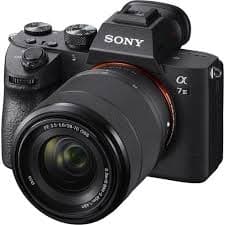
TL;DR Sony A7 III is still a smart full-frame mirrorless camera for buyers who want dependable autofocus, strong 4K video, and a weather-sealed body. The body-only price is ₹1,46,990, while the 28-70mm kit at ₹1,36,490 is the easier entry point if you want to start shooting right away.
Why the Sony A7 III Still Matters
Released on April 10, 2018, the Sony A7 III still matters because it was built around the right priorities. The Sony A7 III mirrorless camera combines a 24.2 MP full-frame back-illuminated Exmor R CMOS sensor with a body that does serious work without feeling fragile. That mix is why the Sony A7 III review conversation still focuses on usefulness, not nostalgia.
Core strengths
The hardware release date matters because it shows how long the platform has stayed relevant. Plenty of products age badly, but this one landed with a balanced sensor, strong autofocus, and practical video support. The build details still make sense for photographers who want a mirrorless body that can handle portraits, events, and travel in one package.
The full-frame sensor gives you cleaner files in low light and more control over background blur. If you edit in Adobe Lightroom, that extra resolution helps when you crop a street scene or straighten a tilted frame. If you shoot in Capture One, the sensor gives you enough latitude to rescue a slightly awkward composition without wrecking image quality.
Built for real use
The magnesium alloy body with weather-sealing is another reason the A7 III still earns respect. It feels like a working product, not a delicate showpiece. That matters if you carry it through dust, light rain, or a full wedding day and need the body to keep up.
The video side also deserves attention. 4K recording up to 30 frames per second means this is not a stills-only mirrorless body that merely dabbles in video. If you cut highlights in DaVinci Resolve or Adobe Premiere Pro, the camera gives you enough flexibility to cover both stills and clips without switching systems. The USB connection also fits that practical approach.
Key Sony A7 III Features and Performance
The mirrorless camera is built around a specification sheet that still looks serious. You get 10 frames per second continuous shooting, 693 phase-detection AF points, 425 contrast-detection AF points, and Fast Hybrid AF. That combination gives the camera a wide focusing net, which is useful when subjects move unpredictably.
The autofocus system is the real reason many people still keep the Alpha III setup in their shortlist. Phase detection locks quickly, contrast detection helps refine the final focus, and AF AE tracking keeps moving subjects easier to follow in changing light. If you shoot a child running through a park or a speaker moving across a stage, that tracking matters more than a flashy headline spec.
Autofocus and Tracking
The system camera uses 693 phase-detection points to cover a large part of the frame. That helps with subject acquisition, especially when you are shooting people in motion or trying to hold focus on a face in a busy scene. The 425 contrast-detection points add another layer of refinement when the light gets awkward.
For wedding photographers, the AF AE tracking behavior is the practical win. When a bride walks down the aisle or a couple turns during a first dance, the camera can keep working instead of forcing you to refocus constantly. In street photography, the same system makes it easier to catch a gesture before it disappears.
Video, Stabilization, and Recording
The camera supports 4K/24p and 4K/30p, plus uncompressed HDMI output for external recording. That gives creators more control when they use an external monitor or recorder. If you shoot product clips, interview snippets, or travel footage, the output support is a real advantage.
The 5-axis in-body image stabilization is especially useful with older glass and unstabilized primes. It does not replace good technique, but it makes handheld shooting more forgiving. That matters when you are recording a quick clip for Premiere Pro or capturing a low-light interior without a tripod.
- Up to 10 fps helps with action bursts and fleeting expressions.
- 693 phase-detection AF points improve subject locking across the frame.
- 425 contrast-detection AF points help the system fine-tune focus in difficult light.
- 5-axis stabilization makes handheld stills and video more usable.
Storage, Battery, and Build
Dual SD memory card slots make the build more reliable for paid work. One slot supports UHS-II, so you can separate backup files or write larger bursts more comfortably. If you are covering a wedding or a paid event, that extra memory security is not optional, it is the kind of thing that keeps the day from going wrong.
The NP-FZ100 battery is rated for approximately 710 shots, and that figure still holds up well in real use. The battery life is one of the strongest parts of the body, especially if you are moving between stills and video. For a travel photographer or a long event day, that means fewer battery swaps and less downtime.
- Dual SD card slots help with backup and file safety.
- UHS-II support makes the primary slot more useful for bursts and larger files.
- The magnesium alloy body gives the camera a sturdier feel than cheaper products.
- Weather-sealing adds confidence when the conditions stop being perfect.
India Pricing and MRP Details
The price in India depends on whether you want the body only or the kit. The body-only price is ₹1,46,990, which is the cleanest choice if you already own Sony FE glass. The 28-70mm kit is listed at ₹1,36,490 in one listing and ₹1,41,490 in another, so the current price can vary by retailer.
That variation is why the price should be checked as a package, not as a single number in isolation. The MRP and street price are not always the same, and taxes can change the final bill depending on the seller. If a store shows a lower current price, make sure the taxes are included in the final amount before comparing it with another listing.
The original price context matters too, because this is an older full-frame mirrorless camera. The setup price today is about value, not launch hype. Buyers should focus on whether the body, lens bundle, and taxes together make sense for the kind of shooting they actually do.
Body Only vs Kit
You are paying for the body and avoiding a lens you may replace later. That is often the smarter move for experienced users who already know what focal lengths they use. The kit makes more sense for someone who wants one purchase and immediate shooting.
A 28-70mm zoom lens is flexible for travel, family use, and general street work. It is not the sharpest lens in the world, but it gets you started without forcing another add-on purchase.
- The kit is simpler if you want to add one package and start shooting.
- The lower kit price can be attractive, but the lens included should match your real use.
- Taxes and MRP can shift the final bill, so compare the total amount, not just the headline price.
Second Hand and Warranty Considerations
The second hand market can be attractive because the body has been around long enough for used units to appear often. A clean original unit can save money, but the condition matters more than the listing price. Check shutter count, card slot behavior, and whether the body has been handled roughly.
Warranty is another reason to think carefully before buying used. The body has a 3-year warranty option available upon registration, and that is worth considering if you want more peace of mind.
- Original accessories and paperwork make a used purchase less risky.
- Taxes still matter on used listings if the seller is charging them separately.
- A lower MRP on paper does not help if the body needs repairs.
- The best second hand deal is a clean body with a known history, not just the cheapest listing.
Real-World Sony A7 III Use Cases
The camera is especially useful when you need one body to handle different jobs. Street photography is a strong fit because the autofocus is quick and the body is compact enough to carry all day. Wedding photography is another obvious use case, because the autofocus and stabilization help in mixed light and fast-moving moments.
The lens choice changes the experience more than many buyers expect. With a portrait lens, the mirrorless camera becomes a strong people tool. That is why the body details still matter in 2026, the camera is flexible enough to adapt to multiple jobs.
If you edit in Adobe Lightroom, the 24.2 MP files are large enough for cropping without becoming awkward to manage. If you work in Adobe Premiere Pro, the 4K files give you a straightforward starting point for short reels and event clips. If you sort a mixed shoot in Capture One, the autofocus consistency helps because fewer frames are missed in the first place.
The Sony Alpha III name is often used for this body, and the same practical strengths carry through in real use.
Street, Wedding, and Travel Scenarios
For street photography, the setup gives you a good balance of speed and discretion. You can move quickly, keep the camera ready, and rely on autofocus instead of slowing down for every frame. The compact design also makes it easier to carry through a long day in crowded places.
The battery life and dual card slots matter here too, since you do not want a dead battery or a storage problem in the middle of a paid event. If you shoot ceremonies, receptions, and portraits in one day, the body is built for that kind of workload. For travel, the body is useful because it balances size, image quality, and endurance.
- Street shooters get quick autofocus and a body that stays manageable.
- Wedding shooters get stabilization, battery life, and backup card slots.
- Travel shooters get a mirrorless body that is easier to carry than many full-frame alternatives.
- Hybrid creators get stills and 4K video in one package.
Lens Choice and System Planning
Sony FE-mount lenses are part of what makes the hardware a sensible long-term buy. A fast prime changes the look of portraits, while a zoom lens gives you more flexibility for events or family work. If you already own FE glass, the body-only route is the obvious match.
The full-frame compatibility also matters because it keeps the system focused. You are not shopping for a body in isolation, you are choosing a platform that needs the right lens to make sense. For Sony Alpha users, that makes the type of lens just as important as the body itself.
- A prime lens gives you more control over depth and subject separation.
- A zoom lens gives you more range for travel and general-purpose shooting.
- FE-mount support keeps the system straightforward for Sony users.
- The body-only option is the cleaner buy when your lens setup already exists.
Sony A7 III Details Buyers Often Miss
A lot of camera coverage gets stuck on the obvious specs and misses the smaller details that affect daily use. The camera includes a built-in stereo microphone and a headphone output, which matters if you record interviews, event clips, or quick social videos. That is not a tiny feature, it is the difference between guessing and monitoring audio properly.
For buyers comparing the Alpha line, the a7m3 and ilce 7m3 both stand out for this kind of everyday practicality. The shutter speed range from 1/8000 seconds to 30 seconds gives you room to shoot fast action or long exposures. If you are photographing a dancer, a child, or a moving subject in daylight, the fast shutter helps freeze motion.
ISO runs from 100 to 51,200, expandable to 50-204,800, and that is useful when light gets ugly. If you push ISO too high when a slower shutter or stabilization would have worked, you will give up image quality for no reason. For many a7m3 and ilce 7m3 buyers, the value is in using these controls well rather than chasing settings you do not need.
Common Mistakes to Avoid
One of the most common mistakes with the system camera is not adjusting autofocus settings properly. The camera is capable, but the settings still need to match the subject. If you leave it in a generic mode during a ceremony or a moving street scene, you will miss shots that the body could have handled.
Another mistake is treating the battery and card slots like afterthoughts. The dual SD setup also works best when you actually use it for backup, not when you leave the second slot empty because it feels optional.
- Set autofocus to match the subject instead of relying on one default mode.
- Use the dual card slots for backup when the shoot matters.
- Keep an eye on battery use if you mix stills and video.
- Match ISO and shutter speed to the light instead of pushing one setting too far.
Original vs Current Value
The original price story is less important now than the current price and what you get for it. The hardware price in India still reflects a body that holds up because its core features remain useful. Taxes and MRP can make the final bill look different from one seller to another, so the real comparison is total cost against the work the body can do.
That is why the build still shows up in serious buying conversations. It is not the newest mirrorless camera on the shelf, but it is still a capable one. If you care about practical value, the body remains easier to justify than many newer products with shinier marketing and fewer proven strengths.
Frequently Asked Questions
Q. What is the Sony A7 III release date?
The Sony A7 III was released on April 10, 2018. That makes it an older body, but not an outdated one. Its 24.2 MP full-frame sensor and 4K up to 30 fps still cover most real-world photo and video needs.
Q. What is the Sony A7 III price in India?
The Sony A7 III body-only price in India is ₹1,46,990. The 28-70mm kit is listed at ₹1,36,490 in one listing and ₹1,41,490 in another. Taxes and retailer pricing can change the final amount.
Q. Is the Sony A7 III still worth buying in 2026?
The Sony A7 III is still worth buying if you want full-frame performance, strong autofocus, and 4K video in one body. It is especially sensible for people who already own FE-mount lenses. The body still feels practical rather than dated.
Q. What are the most important Sony A7 III specs?
The most important specs are the 24.2 MP full-frame back-illuminated Exmor R CMOS sensor, 10 fps burst shooting, 693 phase-detection AF points, and 4K video up to 30 fps. Those specs are why the body still works for weddings, street work, and travel. The battery life of up to 710 shots also helps in long sessions.
Q. Is the body-only version better than the kit?
The body-only version is better if you already own Sony FE lenses. The kit is better if you want one purchase and a ready-to-shoot 28-70mm zoom lens. Choose based on your lens setup, not just the headline price.
Q. Should you consider a second-hand Sony A7 III?
A second-hand Sony A7 III can make sense if the body is clean and well maintained. Check shutter count, card slots, and body wear before paying. A used unit is only a good deal when the condition is solid.