Photography vs Videography: Best Camera Guide
Photography vs videography explained with camera differences, pricing, mistakes, and clear buying guidance for the right camera.


TL;DR Photography vs videography is a choice between still images and motion with audio, and the better camera depends on whether you need a single decisive frame or a story built across time. The Canon EOS R50 is the most balanced hybrid option in this guide.
Photography vs Videography: Overview and Key Differences
Photography vs videography starts with a simple idea, but the practical differences are huge. Photography is the act of capturing still images in a single frame, while videography combines visuals and audio for a complete viewing experience. That means a photographer is trying to make one image communicate the whole story, while a videographer is building meaning across a sequence of moments.
The biggest technical split is how each medium handles time. Photography captures singular moments, while videography records sequences in motion, so photos freeze time and video captures time while also conveying motion and sound. A strong photograph can make one instant feel iconic, but a video can show what happened before and after that instant. That is why motion often feels more immersive.
That difference matters for interviews, live events, and brand stories, where atmosphere matters as much as the subject. A photographer may focus on one frame that defines the moment. A videographer may need to capture the same moment, then add context through pacing, audio, and sequence.
Workflow Differences That Matter
Videography demands more planning and post-production compared to photography. A photo can sometimes be edited in minutes, while video editing can take hours because you are trimming clips, balancing audio, shaping pacing, and managing exports. Photography and videography also require different mindsets and levels of gear readiness, because a still shoot can be more flexible while a video shoot has to stay stable and consistent across time.
In real terms, that means the same creator may work faster on a portrait session than on a branded reel. If the final deliverable is a single image for print, a website banner, or a social post, photography is usually the smarter choice. If the deliverable needs motion, sound, and sequencing, videography is stronger.
For clients, the better format is the one that matches the message, not the one with the most features. The distinction also matters for people exploring photography and videography courses or photography and videography courses in Pune. Good training should help you recognize when stills are enough and when video adds value.
That includes learning composition, shot planning, photo editing, and video editing so you can work efficiently under pressure. A creator who understands both mediums can make better decisions on set and avoid wasting time on the wrong type of capture. If you can share that judgment with clients clearly, they usually understand why one format fits better than the other.
Photography vs Videography comes down to three practical differences:
- Photography is built around one decisive frame, so it rewards timing and composition.
- Videography is built around motion and sound, so it rewards planning and continuity.
- The better choice depends on whether your audience needs a snapshot or a story.
Gear for Both Disciplines
The equipment gap between photography and videography is one of the clearest reasons the two disciplines are not interchangeable. Videographers require stabilizers, gimbals, microphones, and audio cords, while photographers do not. That means a video setup is rarely just about the camera body, because the surrounding gear is part of the final result.
The Canon EOS 1300D DSLR Camera at ₹17,000 is the most affordable entry point here, which makes it a practical learning tool for stills. The Canon EOS R50 at ₹74,500 is the mid-range option and a stronger choice if you want a more modern hybrid body that can grow with your work. The Canon XA60 Professional UHD 4K Camcorder at ₹93,000 is a more video-focused option, while the Canon EOS R6 Mark II at ₹2,60,000 is the premium-priced hybrid body for users who need more capability.
What Photographers Usually Need
Photographers often work with a lighter kit because still images do not require the same audio chain or motion support. A camera, lens, and a basic light source are often enough to start learning composition and exposure. That lower gear load is one reason many beginners find photography easier to enter.
It also makes editing photos feel more manageable, because the shoot itself is usually simpler and more controlled. A photographer can add one light, change the angle, and capture a cleaner frame in a few minutes. That kind of setup is also easier to repeat when you want consistent results.
What Videographers Usually Need
Videography asks for more on-set control because motion exposes flaws immediately. A shaky clip, bad sound, or poor lighting can undermine an otherwise usable scene. In practical terms, videographers often spend more not just on the camera, but on the tools that keep the footage stable and usable.
They also need to add time for setup, monitoring, and cleanup. That extra work is part of why video projects usually feel more demanding on location, even at a single moment in time. When you reshoot or adjust a scene, the process can take longer than a still setup.
Hybrid Camera Choices
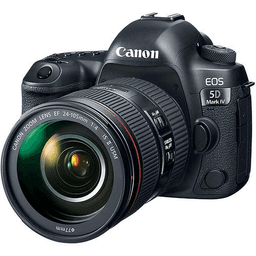
Hybrid users sit in the middle and need a camera that can handle both photo and video without forcing a hard split in workflow. The Canon EOS R50 is the most balanced mid-range pick because it sits between budget stills gear and a more specialized video body. The Canon EOS R6 Mark II is the premium choice if you want one body for demanding hybrid work.
For someone building a photography and videography camera setup, the key is not just whether the camera can record video, but whether the whole kit supports the kind of content you actually deliver. A hybrid creator may shoot a still one minute and a clip the next. That flexibility matters most when the same setup needs both formats.
| Camera Model | Price | Category | Best For |
|---|---|---|---|
| Canon EOS 1300D DSLR Camera | ₹17,000 | Photo-first | Lowest-cost way to start still photography |
| Canon EOS R50 | ₹74,500 | Hybrid | Balanced for photos and videos |
| Canon XA60 Professional UHD 4K Camcorder | ₹93,000 | Video-first | Better suited to motion-heavy production |
| Canon EOS R6 Mark II | ₹2,60,000 | Premium hybrid | Stronger option for demanding photo and video work |
- Videographers usually need audio and stabilization gear from the start.
- Hybrid creators should think about whether one body can truly cover both jobs.
- The Canon EOS 1300D is the cheapest way to begin still photography.
- The Canon EOS R6 Mark II is the most expensive option in this comparison.
Professional Roles and Hybrid Creators in Visual Storytelling
Professional roles in photography and videography overlap more than many people think, but the priorities are still different. Photography is the act of capturing moments in a single frame, which makes it ideal for portraits, products, editorial images, and moments that need precision. Videography combines visuals and audio for a complete viewing experience, so it fits stories built around movement, dialogue, ambience, and pacing.
The result is that clients often need both, even if they do not always hire both separately. Videographers often work as a one-person team or with a small crew, especially on smaller projects like weddings and live events. That setup keeps the production flexible, but it also means the videographer has to juggle framing, timing, sound, and continuity at the same time.
By contrast, the final production for a music video or high-end Hollywood movie is the work of a cinematographer, which reflects a much larger and more specialized production environment. These differences explain why videography can feel more demanding even when the subject matter looks simple. Creative professionals who can shoot, edit, and deliver both photos and video bring more value to clients.
That is especially true in photography and videography services, where a single creator who can handle a gallery and a highlight reel saves time, reduces coordination, and keeps the visual style consistent. Hybrid creators often shoot video first and then export key moments as stills afterward, which is a practical way to cover both deliverables from the same session. This approach is common because it lets one shoot support both social media content and client archives.
Why Hybrid Creators Are Growing
Hybrid creators are attractive because they solve a real business problem: clients want more output from fewer shoot days. A wedding client, for example, may want ceremony coverage, portraits, and a short film from the same event, which is why photography and videography wedding packages are so popular. A hybrid creator can move between stills and motion without forcing the client to hire separate teams.
The market supports this shift. Those numbers show that demand exists for both still and motion work, and that the market rewards creators who can adapt. For students comparing photography and videography courses near me or photography and videography courses in Pune, hybrid training can be a smart way to stay flexible.
- Videographers often need to think like producers, not just camera operators.
- Photographers are usually judged by the strength of individual images.
- Hybrid creators can deliver more value by covering both photos and videos.
- A small crew or solo workflow is common in video work, especially for events.
Pricing Comparison of Popular Cameras for Photography and Videography
Pricing is one of the fastest ways to see how these cameras are positioned. The Canon EOS 1300D DSLR Camera costs ₹17,000, the Canon EOS R50 costs ₹74,500, the Canon XA60 Professional UHD 4K Camcorder costs ₹93,000, and the Canon EOS R6 Mark II costs ₹2,60,000. That spread makes it clear that you are not just comparing models, you are comparing workflows, capability, and long-term value.
The right camera is the one that matches your actual use, not the one with the biggest price tag. A beginner may only need the cheapest body for learning. A working creator may need the more expensive option because the job depends on reliability, speed, and flexibility.
Budget To Premium Tiers
The Canon EOS 1300D is the cheapest option, so it is the easiest way to start learning still photography without a large upfront commitment. The Canon EOS R50 sits in the mid-range and is the most balanced option if you want one camera to cover both photos and videos. The Canon XA60 is also mid-range, but it is more video-focused, which makes it better for users who care more about motion than stills.
The Canon EOS R6 Mark II is the premium choice, and its price reflects a more serious hybrid or professional use case. That price gap matters because it changes what kind of work each camera can support. It also changes how much room you have to add lenses, audio gear, and lighting.
Value For Different Buyers
| Camera Model | Price | Value Proposition |
|---|---|---|
| Canon EOS 1300D DSLR Camera | ₹17,000 | Best for affordable still photography |
| Canon EOS R50 | ₹74,500 | Best balance for hybrid creators |
| Canon XA60 Professional UHD 4K Camcorder | ₹93,000 | Best for video-first production |
| Canon EOS R6 Mark II | ₹2,60,000 | Best for premium hybrid work |
- The Canon EOS 1300D is the most affordable camera in this comparison.
- The Canon EOS R50 is the most balanced value for hybrid use.
- The Canon XA60 is the clearer video-first value pick.
- The Canon EOS R6 Mark II is the premium option when budget is not the main constraint.
Photography and Videography Common Mistakes to Avoid
Common mistakes in videography can ruin a project even when the subject is strong. These issues are so damaging because video depends on many moving parts at once. If one element fails, the whole scene can feel unfinished or hard to watch.
Videography Mistakes That Hurt Results
Lighting is the first thing many beginners underestimate. If the scene is too dark or uneven, the footage may look flat and become harder to fix later in post production. Audio is just as important, because bad sound can make even good visuals feel amateur.
Shaky camera work and weak storytelling also reduce viewer attention, which means the audience notices the mistake immediately instead of forgiving it. A clean shot with poor audio still feels incomplete. A well-recorded moment with stable framing and clear sound usually holds attention much better.
- Poor lighting makes a scene harder to rescue in editing.
- Bad audio quality can make the final video feel unusable.
- Shaky camera work distracts from the subject.
- Weak storytelling turns a video into disconnected clips.
- Lack of planning usually creates gaps in coverage.
Photography Mistakes That Slow Growth
A common mistake in photography is relying too much on auto mode, which can lead to flat, uninspiring images. Auto mode may produce a technically acceptable exposure, but it often removes the photographer’s control over mood and style. That control matters when you want the shot to feel intentional.
A photographer who learns manual control can add contrast, depth, and timing to a frame more consistently. It also helps when the subject changes quickly and you need to react in the moment. The more you understand the camera, the easier it becomes to capture moments with purpose.
To Avoid These Problems
The fix starts before the camera is even turned on. If you are shooting video, check lighting, sound, and framing first so the final edit has good material to work with. If you are shooting stills, move beyond auto mode and think about how the subject, background, and light work together.
This matters a lot in photography and videography services, where clients expect polished work and usually do not care how difficult the shoot was. A cleanly lit photo and a smooth, well-sounding video both feel intentional. If you are learning through photography and videography courses or building a path toward photography and videography jobs, mastering these basics will do more for your results than buying a more expensive camera too early.
- Check lighting before you shoot.
- Treat audio as essential in video work.
- Stabilize motion footage so it feels watchable.
- Avoid auto mode as your default in photography.
- Plan the shoot so post production is easier.
Choosing Between Photography and Videography Cameras
Photography vs videography comes down to the kind of output you need most often. It is the camera that fits your actual workflow, budget, and deliverables. If your work changes often, the camera should still support the kind of content you deliver most.
Choose photography cameras if your work is centered on stills, fast turnaround, and simpler gear. That includes portraits, product shots, school events, and any project where one image has to do the heavy lifting. If your main priority is editing photos quickly and delivering clean image sets, a photo-first camera makes sense.
That choice also helps when you want to add one light, one lens, and move quickly between setups. A stills-first workflow can be easier for a solo photographer who needs to keep the process simple. It also reduces the number of accessories you have to carry.
Choose videography cameras if motion, sound, and pacing are central to the final result. The Canon XA60 at ₹93,000 is the clearest video-first option here, while the Canon EOS R6 Mark II at ₹2,60,000 is the premium hybrid choice when you need more capability. Videographers often work as a one-person team or with a small crew, so the camera needs to fit a more demanding production workflow.
Deal-Breakers To Skip Each Option
- Skip photography if your deliverable needs audio and motion to make sense.
- Skip photography if you want a workflow built around video production.
- Skip videography if you want the simplest possible setup with fewer accessories.
- Skip videography if you do not want to manage microphones, stabilizers, or extra planning.
- Skip the Canon EOS 1300D if you need a true hybrid body for both formats.
- Skip the Canon XA60 if your work is mostly still images and not motion-heavy.
Hybrid creators often shoot video first and then export key moments as stills afterward, which makes one camera more useful across different client needs. If you want one body that can bridge both worlds, the Canon EOS R50 is the most balanced answer. If your work is clearly motion-led, the Canon XA60 is the more appropriate purchase. If your work is mostly stills, the Canon EOS 1300D keeps costs lower. In either case, the best choice is the one that matches the job you actually get paid to do.
Frequently Asked Questions
Q. What are the main differences between photography and videography cameras?
Photography cameras focus on still images, while videography cameras prioritize motion, sound, and smooth sequences. Photography freezes a single frame, but videography combines visuals and audio for a complete viewing experience. That is why videographers often need stabilizers, gimbals, microphones, and audio cords, while photographers usually do not.
Q. Can one camera effectively serve both photography and videography needs?
The Canon EOS R50 at ₹74,500 is the most practical hybrid option in this group, while the Canon EOS R6 Mark II at ₹2,60,000 is the premium hybrid pick. Hybrid creators often shoot video first and then export key moments as stills afterward, which makes one body more useful. If you want flexibility without going fully video-first, a hybrid camera makes sense.
Q. Which Canon camera is best suited for beginners interested in both photo and video?
The Canon EOS 1300D at ₹17,000 is cheaper, but it is the more basic stills-first option. The Canon XA60 at ₹93,000 is more video-focused, so it is less balanced for a beginner trying to learn both. If you want one camera to grow with, the R50 is the clearest choice.
Q. What equipment is essential for videography but not for photography?
Videography needs stabilizers, gimbals, microphones, and audio cords, while photography usually does not require that same support gear. Those tools matter because video has to stay stable and usable across time, not just in a single frame. A still image can work without audio and motion support, but a video cannot.
Q. How much does a professional videography camera typically cost compared to photography cameras?
A professional videography camera usually costs more than an entry-level photography camera, and the gap is clear here. The Canon EOS 1300D starts at ₹17,000, while the Canon EOS R6 Mark II reaches ₹2,60,000. That range shows pricing rises as you move toward more capable hybrid or video-first tools.
Q. What are common mistakes to avoid when starting with videography?
These errors hurt video more than photography because motion, sound, and sequence all have to work together. Editing can fix some problems, but it cannot fully rescue a badly planned shoot. If you are starting out, focus on light, sound, and stability before you worry about advanced camera settings.