How to Choose Your First Camera: Beginner Camera Buying Guide
This guide explains the exposure triangle, DSLR vs mirrorless cameras, lens selection, and compares the Fujifilm X-M5 with the Canon EOS Rebel SL3 to help you choose your first camera with confidence.


TL;DR Choosing your first camera is less about buying the most expensive model and more about understanding how cameras work and selecting one that matches your goals. Learning the exposure triangle, understanding the differences between DSLR and mirrorless cameras, and investing in a camera that encourages regular practice will help you improve much faster than chasing the latest specifications. For most beginners, the Fujifilm X-M5 offers the best all-around experience thanks to its modern mirrorless design, 26.1MP APS-C X-Trans CMOS 4 sensor, and 20 fps continuous shooting, while the Canon EOS Rebel SL3 remains an excellent budget-friendly DSLR for photographers who want a traditional shooting experience.
Introduction
Photography is one of the few hobbies where technical knowledge and creativity develop together. Every photograph tells a story, but understanding how to control your camera allows you to decide exactly how that story should look. While smartphone cameras have become remarkably capable, dedicated cameras continue to offer greater creative flexibility, superior image quality, interchangeable lenses, and manual controls that allow photographers to grow their skills over time.
Buying your first camera can also feel overwhelming because there are countless brands, specifications, and marketing terms competing for your attention. Sensor size, megapixels, autofocus systems, burst speeds, mirrorless cameras, DSLRs, focal lengths, and image processors all appear important, making it difficult to know which features actually matter. Many beginners end up comparing specifications instead of considering how the camera will support their learning journey.
The good news is that becoming a better photographer has far more to do with understanding the fundamentals than owning expensive equipment. Once you understand exposure, composition, and lens selection, almost any modern camera can produce excellent photographs. The goal of this guide is to simplify those concepts, explain what truly matters when buying your first camera, and help you choose between two excellent beginner options: the Fujifilm X-M5 and the Canon EOS Rebel SL3.
Photography Basics: Understanding Exposure
Every photograph begins with exposure. Exposure determines how bright or dark an image appears and is controlled by three interconnected settings: aperture, shutter speed, and ISO. These settings are often referred to as the exposure triangle because changing one setting almost always requires adjusting one or both of the others to maintain proper brightness.
Many beginners initially assume there is always one correct exposure for every scene. In reality, photography involves balancing creative priorities rather than simply achieving technical correctness. Sometimes you may intentionally blur motion to create artistic effects, while other situations require freezing fast-moving subjects. Likewise, you may choose a shallow depth of field to isolate a portrait subject or a narrow aperture to keep an entire landscape in focus.
Understanding how these three settings work together is one of the most valuable skills any photographer can develop. Once the exposure triangle becomes intuitive, camera menus become less intimidating, manual mode feels more approachable, and you begin making creative decisions instead of relying entirely on automatic settings.
Understanding Aperture
Aperture refers to the opening inside the lens that controls how much light reaches the camera sensor. A wider aperture allows more light to enter the camera, making it useful in low-light situations while also creating a shallow depth of field. This effect produces beautifully blurred backgrounds that help subjects stand out, making wide apertures especially popular for portrait photography.
Smaller apertures allow less light into the camera but increase the amount of the scene that remains in focus. Landscape photographers frequently use narrower apertures because they want foreground and background elements to appear sharp simultaneously. Product photography, architecture, and travel photography also benefit from greater depth of field.
Rather than thinking of aperture only as a brightness adjustment, it helps to view it as one of the photographer’s primary creative tools. The same scene can produce dramatically different results simply by changing the aperture value, even if every other setting remains identical.
Understanding Shutter Speed
Shutter speed controls how long the camera sensor is exposed to light. Faster shutter speeds freeze movement, making them ideal for photographing sports, wildlife, children, pets, or moving vehicles. Slower shutter speeds allow movement to blur naturally, creating artistic effects such as silky waterfalls, flowing traffic lights, or smooth ocean waves.
Choosing the correct shutter speed depends almost entirely on your subject. A portrait subject sitting still may require only a moderate shutter speed, while a bird in flight demands much faster settings to prevent motion blur. Learning to recognize these situations quickly becomes second nature with practice.
Many beginners discover that shutter speed has one of the biggest visual impacts on their images. Once you understand how motion behaves at different shutter speeds, photography becomes far more predictable and enjoyable.
Understanding ISO
ISO determines how sensitive your camera sensor is to available light. Increasing ISO allows you to capture brighter images in darker environments without changing aperture or shutter speed. This flexibility becomes especially useful during indoor photography, concerts, evening events, or nighttime street photography.
However, higher ISO values introduce digital noise, which appears as grain throughout the image. Excessive noise reduces overall image quality and can hide fine details, particularly in darker portions of a photograph. Modern cameras perform much better at high ISO values than older models, but every camera still has practical limits.
A useful habit for beginners is to keep ISO as low as possible while achieving the desired exposure. Before increasing ISO, consider whether opening the aperture or reducing shutter speed would produce better results without sacrificing image quality.
Putting The Exposure Triangle Into Practice
Reading about exposure provides valuable knowledge, but practical experimentation accelerates learning much more effectively. Choose a stationary subject and photograph it several times while adjusting only one setting at a time. Observe how changing aperture affects background blur, how shutter speed influences motion, and how ISO impacts brightness and image quality.
Repeating this exercise under different lighting conditions helps develop intuition that cannot be gained from memorization alone. Eventually, exposure decisions become instinctive because you understand the visual consequences of every adjustment rather than simply remembering technical definitions.
Photography rewards experimentation, and the exposure triangle is where every beginner should invest the majority of their early learning effort. Mastering these three settings provides a foundation that supports every other photographic skill you develop later.
Choosing Your First Camera: What Actually Matters
The best beginner camera is not necessarily the newest or most expensive model available. Instead, it is the camera that encourages you to practice regularly while providing enough room to develop your skills over several years. A camera that feels comfortable, intuitive, and enjoyable to use will almost always produce better long-term results than one purchased purely because of impressive specifications.
Many first-time buyers become distracted by marketing terms while overlooking factors that influence daily usability. Weight, ergonomics, menu systems, autofocus performance, battery life, and lens availability often affect the overall ownership experience far more than small differences in megapixels or processor generations.
Before choosing a camera, think carefully about how you plan to use it. Someone interested in wildlife photography will have different priorities than someone learning portrait photography, travel photography, or content creation. Matching the camera to your goals leads to much greater satisfaction than chasing the most powerful specification sheet.
DSLR Or Mirrorless Camera
One of the first decisions every beginner faces is choosing between a DSLR and a mirrorless camera. Both systems are capable of producing outstanding image quality, but they differ in how they capture and display images.
A DSLR uses an optical viewfinder and mirror mechanism that reflects light directly through the lens into the viewfinder. This provides a natural view of the scene without relying on electronic displays. Many photographers appreciate the traditional shooting experience and familiar ergonomics that DSLRs provide.
Mirrorless cameras eliminate the mirror mechanism entirely, replacing it with an electronic viewfinder or rear display. This allows photographers to preview exposure, white balance, and color changes before pressing the shutter button. Mirrorless cameras are generally lighter, more compact, and increasingly receive the latest autofocus and video technologies.
Neither system is objectively better for every photographer. Beginners who value portability, modern autofocus, and future video capabilities often prefer mirrorless cameras, while those seeking lower costs and traditional handling frequently find DSLRs equally satisfying.
Why Sensor Size Matters
Sensor size plays a significant role in image quality because it determines how much light the camera can capture. Larger sensors generally perform better in low-light conditions, preserve more detail, and provide greater flexibility when editing photographs after capture.
Both the Fujifilm X-M5 and Canon EOS Rebel SL3 feature APS-C sensors, making them excellent choices for beginners who want image quality significantly beyond smartphone cameras. APS-C sensors strike an effective balance between performance, portability, and affordability, which explains why they remain extremely popular among enthusiast photographers.
Although larger sensors provide advantages, beginners should avoid assuming that sensor size alone determines image quality. Proper exposure, composition, lighting, and lens selection often have a much greater impact than small differences in sensor specifications.
Manual Controls Help You Learn Faster
Automatic shooting modes are extremely useful when capturing spontaneous moments or unfamiliar situations. However, photographers who rely exclusively on automatic modes often struggle to understand why some images succeed while others fail.
Manual mode encourages you to think about exposure decisions instead of allowing the camera to make every adjustment automatically. Aperture Priority and Shutter Priority modes provide excellent stepping stones because they allow partial manual control while simplifying exposure management.
Developing confidence with manual controls transforms photography from guesswork into a deliberate creative process. Even occasional practice with manual settings dramatically improves your understanding of how cameras behave under different lighting conditions.
Choosing Your First Lens
Many beginners focus almost entirely on camera bodies while underestimating the importance of lenses. In reality, lenses influence image quality, perspective, background blur, and creative possibilities just as much as the camera itself.
A versatile standard zoom lens is usually the best starting point because it allows experimentation across multiple photography styles without requiring additional purchases immediately. As your interests develop, specialized lenses for portraits, landscapes, wildlife, or sports can gradually expand your creative options.
Rather than purchasing multiple inexpensive lenses immediately, beginners often benefit more from thoroughly learning one quality lens first. Familiarity with a single lens builds stronger photographic instincts than constantly switching between unfamiliar focal lengths.
Top Beginner Cameras Worth Considering
For most first-time buyers, the Fujifilm X-M5 and Canon EOS Rebel SL3 represent two of the strongest entry points into dedicated photography. Although both cameras target beginners, they approach the learning experience from different directions.
The Fujifilm X-M5 embraces modern mirrorless technology with advanced autofocus, fast continuous shooting, and strong video capabilities. Its compact design, intuitive controls, and excellent image quality make it a camera that beginners can continue using long after mastering the basics.
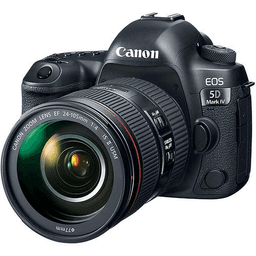
The Canon EOS Rebel SL3 follows a more traditional DSLR approach. It offers familiar ergonomics, dependable image quality, and a significantly lower purchase price, making it particularly attractive for photographers working within tighter budgets.
|
Feature |
Fujifilm X-M5 |
Canon EOS Rebel SL3 |
|---|---|---|
|
Camera Type |
Mirrorless |
DSLR |
|
Sensor |
26.1MP APS-C X-Trans CMOS 4 |
24.1MP APS-C CMOS |
|
Continuous Shooting |
20 fps |
5 fps |
|
Best For |
Long-term growth, hybrid photo and video |
Budget photography beginners |
|
Approximate Price |
₹78,000 |
₹62,900 |
The Fujifilm X-M5 offers greater long-term flexibility, particularly for photographers interested in sports, wildlife, or video creation. Its faster burst shooting and newer autofocus system provide noticeable advantages when photographing moving subjects.
The Canon EOS Rebel SL3 remains one of the best-value DSLR cameras available for beginners. Its lower price leaves additional room within the budget for lenses, memory cards, tripods, and accessories that often contribute more to long-term photographic growth than expensive camera bodies alone.
Camera Pricing And Value Comparison
Price is often the deciding factor when purchasing a first camera, but focusing only on the camera body can be misleading. A complete photography setup also includes memory cards, an extra battery, a camera bag, and eventually additional lenses. Planning your budget around the entire system rather than just the body allows you to build a kit that remains useful as your skills improve.
The Canon EOS Rebel SL3 is priced at approximately ₹62,900, making it the more affordable option in this comparison. The Fujifilm X-M5 costs around ₹78,000 and positions itself as the more premium choice. While the price difference is noticeable, it also reflects the newer mirrorless technology, faster performance, and stronger long-term capabilities offered by the Fujifilm camera.
Neither option is automatically the better purchase because value depends on your priorities. If your goal is to begin photography with the lowest possible investment, the Canon EOS Rebel SL3 leaves more room in your budget for lenses and accessories. If you want a camera that can continue serving your needs as your photography becomes more advanced, the Fujifilm X-M5 justifies its higher price through additional performance and flexibility.
Choosing The Right Camera For Your Budget
A lower-priced camera body often creates opportunities to invest in better lenses, which frequently have a greater impact on image quality than upgrading the camera itself. Many experienced photographers continue using older camera bodies while gradually building high-quality lens collections because lenses retain their usefulness across multiple generations of cameras.
On the other hand, buying a newer mirrorless system can reduce the need for an early upgrade. Features such as improved autofocus, faster burst shooting, and stronger video capabilities allow the camera to remain relevant even as your interests expand beyond beginner photography.
The best purchase is the one that fits comfortably within your budget while leaving enough room for the accessories that help you practice consistently.
Common Beginner Mistakes To Avoid
Every photographer makes mistakes during the learning process, but understanding the most common beginner errors can help you improve much more quickly. Most disappointing photographs are not caused by expensive equipment limitations. Instead, they result from small habits that become easier to correct once you recognize them.
Photography improves through repetition and careful observation rather than memorizing technical specifications. Every time you review your photographs, ask yourself why an image worked well or why it did not. This habit develops photographic judgment far faster than relying entirely on automatic camera settings.
Avoiding a few common mistakes early will make your learning process significantly smoother and far more enjoyable.
Relying Too Much On Auto Mode
Automatic shooting modes are designed to capture usable photographs under a wide variety of conditions, but they cannot understand your creative intentions. The camera only tries to produce a technically acceptable exposure without knowing whether you wanted background blur, frozen motion, or artistic movement.
Many beginners remain in Auto Mode for months because it feels comfortable. Unfortunately, this also delays understanding of aperture, shutter speed, and ISO, making it harder to solve problems when lighting conditions become more challenging.
Using Aperture Priority, Shutter Priority, or Manual Mode during practice sessions helps build confidence much faster. Even a few minutes of experimentation during each outing gradually transforms exposure settings from confusing numbers into useful creative tools.
Ignoring Composition
Good exposure alone does not guarantee a compelling photograph. A perfectly exposed image can still feel uninteresting if the subject is poorly positioned or the background contains distracting elements. Composition determines where the viewer looks first and how the image communicates its story.
Before pressing the shutter button, spend a few extra seconds studying the entire frame rather than focusing only on the subject. Look for distracting objects, awkward backgrounds, uneven spacing, or unnecessary clutter that can reduce the overall impact of the photograph.
Simple compositional habits such as leaving appropriate space around subjects, paying attention to leading lines, and keeping backgrounds clean often improve photographs more dramatically than changing camera settings.
Changing Too Many Settings At Once
Another common beginner mistake is adjusting multiple settings simultaneously whenever a photograph does not look right. When aperture, shutter speed, and ISO are all changed together, it becomes almost impossible to understand which adjustment actually improved the image.
A more effective approach is to change only one setting at a time while photographing the same subject. This method allows you to clearly observe how each adjustment affects brightness, depth of field, motion, or image noise.
Photography rewards patience and experimentation. Understanding cause and effect develops much faster when every change has a clear purpose.
Camera Market Trends And What They Mean For Beginners
The camera industry continues evolving as manufacturers introduce better autofocus systems, improved image processors, stronger video capabilities, and more intelligent shooting assistance. These innovations have made dedicated cameras more approachable than ever before, particularly for first-time buyers.
Mirrorless cameras now dominate much of the consumer camera market because they offer compact designs, electronic viewfinders, advanced autofocus, and powerful hybrid photo-video capabilities. Manufacturers continue investing heavily in mirrorless technology, resulting in increasingly capable entry-level models that provide excellent long-term value.
At the same time, DSLR cameras remain highly relevant, especially within the used and refurbished markets. Their mature lens ecosystems, dependable performance, and lower purchase prices make them attractive for beginners who want to maximize value without sacrificing image quality.
Why Mirrorless Cameras Continue Growing
Modern mirrorless cameras simplify learning by providing live exposure previews directly inside the electronic viewfinder or rear display. Beginners can immediately see how changing aperture, shutter speed, or ISO affects the final photograph before pressing the shutter button.
Autofocus technology has also advanced considerably. Subject detection, face tracking, eye autofocus, and intelligent scene recognition reduce technical distractions, allowing photographers to focus more on composition and timing.
These improvements do not automatically make mirrorless cameras better for every photographer, but they do create a more approachable learning experience for many beginners.
Why DSLRs Still Matter
Despite the rapid growth of mirrorless cameras, DSLR systems remain excellent learning tools. Their optical viewfinders provide a natural viewing experience, battery life often exceeds that of mirrorless models, and used DSLR equipment offers exceptional value for budget-conscious buyers.
The Canon EOS Rebel SL3 demonstrates why DSLRs continue attracting beginners. It delivers dependable image quality, straightforward controls, and access to a large ecosystem of affordable Canon EF lenses. These advantages remain meaningful even as mirrorless technology becomes increasingly popular.
Rather than choosing a camera based solely on current market trends, beginners should select the system that best matches their budget, learning style, and long-term interests.
Which Camera Should You Buy?
Choosing between the Fujifilm X-M5 and Canon EOS Rebel SL3 ultimately depends on how you expect your photography journey to develop. Both cameras are fully capable of producing excellent photographs, but they appeal to different types of beginners.
The Fujifilm X-M5 is better suited for photographers who want a modern mirrorless camera capable of supporting both photography and video creation over the long term. Its faster burst shooting, compact body, advanced autofocus, and stronger future upgrade path make it the better investment for users who expect photography to become a serious hobby.
The Canon EOS Rebel SL3 is an outstanding choice for buyers who want to begin learning without making a larger financial commitment. It offers dependable performance, strong image quality, and a traditional DSLR shooting experience while leaving more room in the budget for lenses and accessories.
Choose The Canon EOS Rebel SL3 If
- You have a budget below ₹70,000.
- You prefer a traditional DSLR shooting experience.
- You want to spend more on lenses and accessories.
- You primarily shoot still photographs.
Choose The Fujifilm X-M5 If
- You want a modern mirrorless camera.
- You expect to shoot both photos and videos.
- You photograph moving subjects regularly.
- You want stronger long-term performance and faster autofocus.
Final Verdict
Buying your first camera should be viewed as the beginning of a learning journey rather than a search for the perfect specification sheet. Cameras continue improving every year, but the principles of exposure, composition, timing, and lighting remain unchanged. Investing time in developing those skills will improve your photography far more than upgrading equipment every few years.
The Fujifilm X-M5 stands out as the strongest overall recommendation for most beginners because it combines excellent image quality, modern mirrorless technology, fast autofocus, and impressive continuous shooting performance within a camera that remains capable well beyond the beginner stage. Although it costs more than the Canon EOS Rebel SL3, its additional features make it a worthwhile investment for photographers planning to continue growing.
The Canon EOS Rebel SL3 remains an excellent alternative for beginners working within a tighter budget. It provides dependable image quality, intuitive controls, and access to one of the largest DSLR lens ecosystems available. Combined with regular practice and a solid understanding of exposure fundamentals, either camera can become the foundation for years of enjoyable photography.
Frequently Asked Questions
Q. What is the best beginner camera under ₹70,000?
The Canon EOS Rebel SL3 is the strongest option under ₹70,000 in this comparison. It offers a capable 24.1MP APS-C sensor, reliable performance, and a traditional DSLR experience at a more affordable price.
Q. Should beginners buy a mirrorless camera or a DSLR?
Both systems are excellent for learning photography. Mirrorless cameras offer newer technology and better video capabilities, while DSLRs provide lower entry costs, longer battery life, and a familiar optical viewfinder experience.
Q. Is learning manual mode important for beginners?
Yes. Manual mode helps you understand how aperture, shutter speed, and ISO work together. Even occasional practice with manual controls builds stronger photographic skills than relying entirely on automatic modes.
Q. Does sensor size affect image quality?
Yes. Larger sensors generally capture more light and produce better low-light performance, improved detail, and greater editing flexibility. However, good exposure and composition remain more important than sensor size alone.
Q. Which camera is better for long-term use?
The Fujifilm X-M5 is the stronger long-term investment because it offers modern mirrorless technology, faster autofocus, higher burst shooting performance, and greater flexibility for both photography and video.
Q. Which camera offers better value for money?
The Canon EOS Rebel SL3 provides better value for buyers with tighter budgets, while the Fujifilm X-M5 offers greater long-term value for photographers willing to invest more initially.
Q. What accessories should beginners buy with their first camera?
A high-speed memory card, an extra battery, a protective camera bag, a sturdy tripod, and a versatile standard zoom lens are among the most useful accessories for beginners.
Q. How can beginners improve their photography quickly?
Practice regularly, learn the exposure triangle, review every photograph critically, experiment with manual settings, and focus on composition before investing in additional camera equipment.