
How to Buy Your First Camera: Best Picks for Beginners
Compare beginner cameras in India, including the Canon EOS R100, Fujifilm X-M5, and Olympus OM-D E-M10 Mark IV.

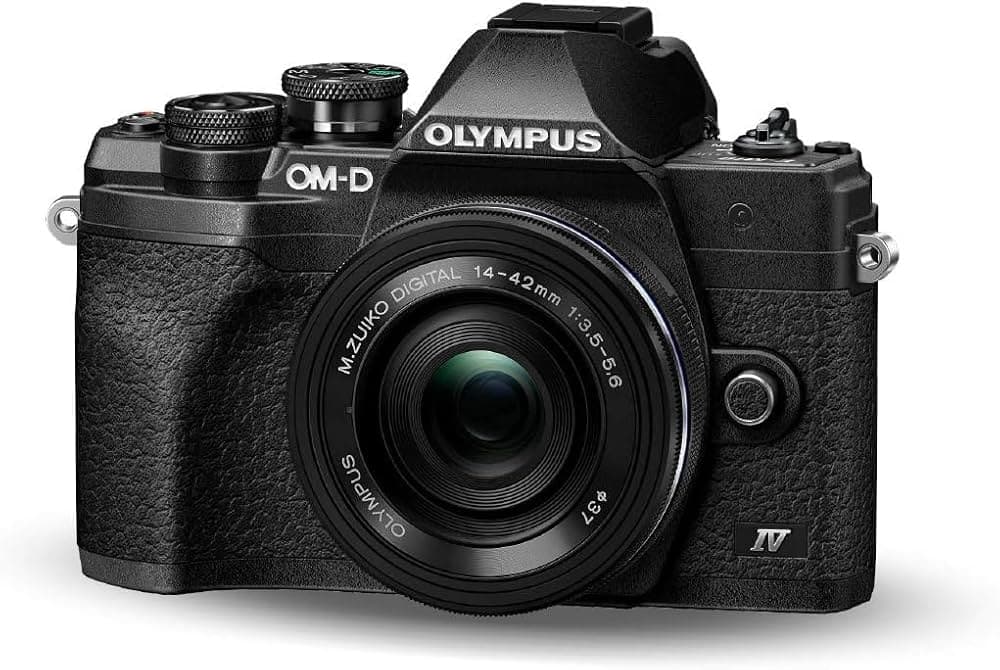
TL;DR Buying first camera gear is easier when you match the body to your budget, shooting style, and learning curve. The Olympus OM-D E-M10 Mark IV is the best beginner camera overall, the Canon EOS R100 at ₹44,990 is the cheapest mirrorless entry point, and the Fujifilm X-M5 is the better pick for stronger video and Film Simulations.
Buying First Camera Overview
The Canon EOS R100 at ₹44,990 is the cheapest mirrorless entry point here, and that matters when you are buying first camera gear for the first time. The Olympus OM-D E-M10 Mark IV and Fujifilm X-M5 cost more, but they also give you more room to grow. That usually means guided controls, reliable autofocus, and a sensor that gives you clean images without forcing you into a complicated setup.
Choosing between a DSLR and a mirrorless camera is one of the first decisions to make. DSLRs still appeal if you want the traditional grip and optical viewfinder feel, but mirrorless is the cleaner starting point for most beginners.
DSLR Or Mirrorless Camera
The DSLR or mirrorless choice affects how often you carry the camera, which is more important than most beginners expect. A body that feels too heavy or too bulky often ends up sitting in a drawer, and that is wasted money. Mirrorless bodies usually make daily use easier, especially when you are still learning the basics.
Sensor Size, Lenses, And Video
Sensor size affects image quality, depth of field, and low-light performance, so it should not be treated like a footnote. Full frame sensors usually give you the most flexibility in low light, but smaller sensors can still produce excellent images for beginners. An APS-C sensor or Micro Four Thirds sensor is often enough for learning because it keeps the camera body and lenses more manageable.
The type of lenses you choose also changes the experience. A kit lens is fine for learning focal lengths, while a zoom lens helps when you do not know exactly what you want to shoot yet. If you are buying first digital camera gear, it helps to start with a body that gives you room to grow instead of locking you into one narrow style.
When Buying Your First Camera
Step 1 is simple, establish your budget. Step 2 is to consider the way you'll use the camera. Step 3 is to reflect on your needs and what you're looking for in a camera. Those three steps sound basic, but they stop the most common beginner mistake, which is buying only based on price.
A camera can look attractive on paper and still be awkward in real use. That is why beginners should think about weight, screen design, autofocus, and how the body feels in the hand. If you want to build skill, the camera should support that process rather than fight it.
It also helps to decide whether you want an all-in-one camera or an interchangeable lens system. For some buyers, a Nikon body may fit that decision better than others, especially if you want a straightforward starting point. For others, the right choice is the one that makes the learning curve feel manageable from day one.
Ease Of Use Versus Growth
Guided menus, clear buttons, and dependable autofocus matter because they shorten the time between opening the box and taking usable images. If you spend your weekends editing in Lightroom or your evenings shooting family clips for Google Photos, you want a camera that does not bury the basics. A mirrorless camera also makes it easier to grow into video, because the same body can handle stills and clips without feeling like two separate devices.
The learning curve stays gentler when the camera is built around simple controls instead of menus that hide everything. It also helps if the camera makes ISO adjustments easy to understand, since that keeps the basics from feeling overwhelming.
All-In-One Body Or Lens System
The first lens you buy shapes what you shoot, whether you are doing portraits, landscapes, or indoor family photos. If you are buying your first DSLR camera, the body is only half the decision. Lenses matter because they determine focal lengths, background blur, and how close you can get to a subject.
A compact body with the wrong lens can feel limiting very quickly. That is why it helps to think about the lens system before you commit to the body. A camera that supports useful lenses gives you more room to learn without replacing the entire setup later.
Match Features To Your Style
Beginners should also think about the types of photography they want to pursue. A person who mostly shoots family moments needs different priorities than someone who wants street scenes, portraits, or video. If you know your style early, it becomes much easier to choose the first camera to buy.
The Canon EOS R100 is the clearest low-stress starting point if you want guided menus and a simple mirrorless body. The Olympus OM-D E-M10 Mark IV makes more sense if you want a camera that gives you more room to grow without feeling overly complicated. The Fujifilm X-M5 is the pick for beginners who already know they want stronger video and creative control, not just a basic point-and-shoot replacement.
Comparing Top Beginner Cameras and Their Features
The Olympus OM-D E-M10 Mark IV, Fujifilm X-M5, and Canon EOS R100 are the three cameras that make the strongest beginner case here. They do not solve the same problem, which is exactly why the comparison matters. The Olympus leans on stabilization and portability, the Fujifilm leans on creative color and video, and the Canon leans on affordability plus guided operation.
These mirrorless cameras each suit a different kind of first-time buyer.
| Feature | Olympus OM-D E-M10 Mark IV | Fujifilm X-M5 | Canon EOS R100 |
|---|---|---|---|
| Sensor | 20.3MP Micro Four Thirds sensor | 26.1 megapixels | 24.1MP APS-C sensor |
| Continuous shooting | 8.7 frames per second | Higher than the Canon in this comparison | 6.5 frames per second |
| Video | 4K video | High-end video capabilities | 4K UHD at 25p |
| Weight | 335 grams | Lighter than many beginner bodies in this class | 356 grams |
| Screen | 3-inch 180-degree tilting touchscreen | Creative-focused display setup | 3.0-inch fixed screen with 1,040,000 dots |
| Lens system | Micro Four Thirds lenses | Fujifilm X-mount lenses | Canon RF lenses |
| Beginner aids | In-body image stabilization | Film Simulations | Guided menus and autofocus system |
Olympus OM-D E-M10 Mark IV Features
In-body image stabilization helps when you are shooting handheld in a park, on a family trip, or while learning to keep shutter speeds under control. That steadier image makes the camera more forgiving when you are still figuring out exposure. The 20.3MP Micro Four Thirds sensor gives you enough resolution for prints, albums, and social sharing without making the camera feel complicated.
The 8.7 frames per second burst rate is useful if you are photographing kids running around or a dog moving across the frame. The 3-inch 180-degree tilting touchscreen also helps when you want to frame yourself for vlogging, selfies, or low-angle street shots. The Olympus also uses Micro Four Thirds lenses, which gives you a broad lens ecosystem without forcing you into a full frame system.
That matters if you want to try wider focal lengths for travel or a small prime for portraits. The camera weighs 335 grams, so it stays compact enough to carry every day.
Fujifilm X-M5 Features
Film Simulations give your photos a finished look in-camera, which means you do not have to rely on editing every image later. Its 26.1 megapixels give you more room to crop than the Olympus, which helps when you cannot move closer to your subject. That extra resolution can be useful for portraits, travel scenes, and street photography where composition changes quickly.
The camera also stands out for high-end video capabilities, so it is a smart mirrorless camera if you want one body for stills and clips. The X-M5 is the kind of mirrorless camera that makes sense if you want a creative first step rather than the cheapest possible start. It sits above the Canon EOS R100 in price, but it offers a more expressive image look and stronger video appeal.
Canon EOS R100 Features
The Canon EOS R100 is the simplest recommendation if you want a beginner-friendly mirrorless camera with guided menus and autofocus that does not overwhelm you. Its 24.1MP APS-C sensor gives you a larger sensor than the Olympus, which is useful if you want a bit more flexibility in image quality and background blur. That makes it a practical first camera for indoor photos, casual portraits, and general family use.
Canon says the EOS R100 is the most compact and lightweight camera in the R system, and that shows in daily use. At 356 grams, it stays easy to carry, even if you are moving between classes, commuting, or taking it on a weekend trip. The 3.0-inch fixed screen with 1,040,000 dots is less flexible than the Olympus tilting screen, though it keeps the body straightforward.
The camera records 4K UHD at 25p, so it is not just a stills-only body. But for a first camera, the real value is the guided operation and the low entry price, not sports shooting.
Pricing and Value Comparison of Beginner Cameras
The Canon EOS R100 costs ₹44,990, the Fujifilm X-M5 costs ₹78,000, and the Olympus OM-D E-M10 Mark IV costs ₹89,990. That price ladder tells you almost everything about the value split before you even look at features. The Canon is the affordable camera in this group, the Fujifilm is the mid-range camera, and the Olympus is the premium-priced option.
| Camera | Price | Position | Value Takeaway |
|---|---|---|---|
| Canon EOS R100 | ₹44,990 | Affordable | Cheapest mirrorless entry |
| Fujifilm X-M5 | ₹78,000 | Mid-range | Balanced creative and video choice |
| Olympus OM-D E-M10 Mark IV | ₹89,990 | Premium-priced | Most feature-packed beginner body |
What The Price Gap Means
The Canon EOS R100 is the cleanest value play if your budget is limited and you want a mirrorless camera that gets you into interchangeable lenses without a huge upfront bill. The Fujifilm X-M5 sits in the middle because you are paying for Film Simulations and stronger video appeal, not just a basic body. The Olympus OM-D E-M10 Mark IV asks the most money, but it also gives you the strongest stabilization and the most polished beginner feature set.
That is why the value question is not simply which camera is cheapest, but which body gives you the most useful features for the money you can actually spend. A beginner should plan for camera accessories, and an extra battery is one of the smartest purchases you can make. That matters because a camera body alone does not tell the full story, especially if you plan to shoot for a full day or record video.
If you spend every rupee on the body, you can end up with a camera that is technically good but practically annoying to use. A little budget room for batteries and basic support gear keeps the first-camera experience from becoming a compromise you feel immediately. It also helps you choose the lens that fits your most common subject instead of settling for whatever is bundled.
Value By Use Case
If you want a low-risk entry into mirrorless photography, the Canon EOS R100 is the most affordable route and the easiest to justify financially. If you want a camera that feels more expressive from day one, the Fujifilm X-M5 earns its mid-range label because its color tools and video focus are not just spec-sheet extras. If you want the most complete beginner package and do not mind paying more, the Olympus OM-D E-M10 Mark IV is the premium camera that gives you the strongest all-around feature mix.
That is the real value split, and it becomes obvious once you match price to what you will actually shoot. The body price matters, but the full kit matters just as much.
Frequently Asked Questions
Q. What is the best first camera for beginner photographers on a tight budget?
The Canon EOS R100 at ₹44,990 is the cheapest mirrorless option in this comparison, and it still gives you guided menus plus autofocus that help you learn without feeling lost. That combination matters because a low entry price only helps if the camera is still easy to use. If you want to leave room for an extra battery or a lens later, the Canon is the most sensible starting point.
Q. Should I buy a DSLR or mirrorless camera as my first camera?
The Canon EOS R100 and Olympus OM-D E-M10 Mark IV are both mirrorless cameras, and their smaller bodies make them easier to carry than many traditional DSLRs. Mirrorless also fits video better, which matters if you plan to shoot clips for school, family events, or social content. If you specifically want a more traditional handling style, a DSLR still has a place, but mirrorless is the cleaner starting point for most new buyers.
Q. How important is sensor size when choosing my first camera?
Sensor size is very important because it affects image quality, low-light performance, and depth of field. The Olympus OM-D E-M10 Mark IV uses a 20.3MP Micro Four Thirds sensor, while the Canon EOS R100 uses a 24.1MP APS-C sensor, so you are not choosing between identical cameras. Bigger sensors usually give you more flexibility in tough light, while smaller systems can keep the kit lighter.
Q. Can I use interchangeable lenses with beginner cameras?
Yes, both the Canon EOS R100 and the Olympus OM-D E-M10 Mark IV use interchangeable lenses. The Canon works with Canon RF lenses, while the Olympus uses Micro Four Thirds lenses, so you can start with one lens and expand later. That matters because your first camera should not trap you in one focal length forever.
Q. What accessories should I buy along with my first camera?
An extra battery is the most useful accessory to buy with your first camera. Beyond that, you should budget for the lens you will actually use most, because the camera body alone does not complete the setup. If you are building for travel or family use, start with the battery and the basic lens before chasing anything decorative.
Q. Is the Canon EOS R100 good for video recording?
Yes, the Canon EOS R100 is good for basic video recording because it shoots 4K UHD at 25p. That makes it a legitimate starter hybrid camera, especially if you want one body for stills and casual clips. If your video needs are central, the Fujifilm X-M5 is the better match.
Which Beginner Camera Fits Your Needs Best
The decision comes down to three things that actually matter in practice: how much you want to spend, how much help you want while learning, and whether you care more about stabilization, color tools, or the lowest entry price. The Olympus OM-D E-M10 Mark IV is the most complete starter body, the Fujifilm X-M5 is the most creative, and the Canon EOS R100 is the easiest budget entry into mirrorless camera ownership. That spread gives beginners a real choice instead of a spec-sheet tie.
Best for Most Beginners
Its image stabilization, tilting screen, and 8.7 frames per second burst rate make it the most versatile of the three. The higher price makes sense if you value creative output more than the absolute lowest spend. For many first-time buyers, the Olympus OM-D E-M10 Mark IV is the strongest all-around match because it covers the widest range of beginner needs.
Best Budget Entry
Choose the Canon EOS R100 if you want the cheapest route into mirrorless cameras and a body that keeps the learning curve simple. Its guided menus, autofocus system, and APS-C sensor make it easy to understand without feeling stripped down. For most beginners who are buying first camera gear on a budget, this is the easiest camera to justify.
- Skip the Olympus OM-D E-M10 Mark IV if you want the cheapest possible start. It costs more than the Canon EOS R100, and that extra spend only makes sense if you will use the stabilization and screen flexibility.
- Skip the Olympus OM-D E-M10 Mark IV if you plan to build a full frame kit later. Its Micro Four Thirds system is excellent for compact carry, but it is not the same path as a full frame system.
- Skip the Fujifilm X-M5 if you only want a basic stills camera. Its strengths are creative color and video, so paying for it makes less sense if you will barely use those features.
- Skip the Canon EOS R100 if you know you need stronger stabilization or a more flexible screen. The fixed display and lighter feature set are the trade-off for the lower price.
- Skip the Canon EOS R100 if you expect to shoot fast action often. The 6.5 frames per second burst rate is fine for casual use, but it is not built for demanding sports work.
For most people, the Olympus OM-D E-M10 Mark IV is the best overall choice because it gives you the most useful beginner features without feeling like a dead-end body.
Is Buying First Camera Gear Worth
It for Beginners?
Buying first camera gear is worth it when you choose a body that matches how you actually plan to shoot. The Olympus OM-D E-M10 Mark IV gives beginners the most complete feature set, the Fujifilm X-M5 gives the strongest creative and video path, and the Canon EOS R100 keeps the entry price at ₹44,990. Those three options cover the main beginner priorities without forcing one answer for every buyer.
If you want the safest all-around pick, the Olympus makes the most sense because it combines stabilization, a tilting screen, and a compact 335-gram body. If your budget matters most, the Canon EOS R100 is the easiest first purchase to defend. If you care about video and creative color, the Fujifilm X-M5 is the better long-term fit.
The best next step is to choose the camera that fits your budget and the kind of photos you want to take most often. Then add the lens and battery that support that use case instead of stretching for features you may not use. That approach keeps buying first camera gear practical, and it helps you start shooting sooner.






