
FitBit Air vs Whoop: Best Fitness Tracker Guide
FitBit Air vs Whoop compares price, battery life, tracking, and subscriptions so you can choose the better fitness tracker in India.

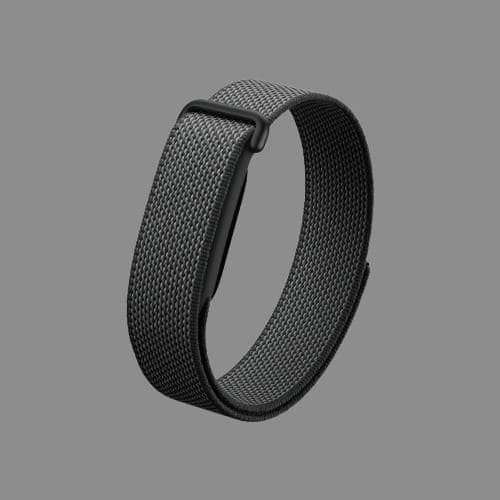
TL;DR FitBit Air is the better everyday pick because it offers broader wellness tracking, Google Health Coach support, and no core subscription, while Whoop 5.0 is the specialist choice for sleep, recovery, and strain at approximately ₹20,849 plus a required subscription.
Understanding FitBit Air and Whoop Trackers
FitBit Air vs Whoop starts with two trackers that solve different problems. FitBit Air is positioned as a screenless wearable for casual gym-goers and everyday wellness tracking, while Whoop 5.0 is designed for athletes who want more advanced performance insight. That difference shapes everything from the app experience to the kind of health data each device emphasizes.
If you want a device that quietly supports daily habits, FitBit Air is the more approachable option. If you want a system built around training load, Whoop 5.0 is the more specialized one. The choice is less about which device is better overall and more about which one matches your routine.
Different Users, Different Goals
The target audience is the biggest clue to the product philosophy. FitBit Air is meant for people who want heart rate, sleep, and activity tracking without turning their wrist into a mini-dashboard. Whoop 5.0, by contrast, is built around athletes who are comfortable using recovery and strain metrics to guide workouts.
For many buyers, the real question is whether they want guidance or analysis. FitBit Air includes an AI-powered Google Health Coach, which can help translate the numbers into something more useful day to day. Whoop 5.0 does not try to be a general wellness coach in the same way. Instead, it focuses on the deeper training context behind your body’s response to exercise.
What Each Tracker Prioritizes
Both devices cover core health tracking, but their priorities are not the same. Whoop 5.0 tracks sleep, recovery, and strain, and it also covers activity, exercise, sleep, and stress. FitBit Air tracks activity, exercise, sleep, and stress too, but it adds SpO2, HRV, and AFib detection.
That broader mix makes FitBit Air feel more like a general health wearable than a performance-only strap. The experience difference matters because data is only useful when it matches your goals. A runner or lifter who wants to monitor recovery after hard sessions may prefer Whoop 5.0. Someone who wants sleep tracking, heart rate trends, and a better sense of overall wellness will usually get more value from FitBit Air.
Design And Everyday Use
FitBit Air is also easier to live with because it weighs 12 grams with the band and offers up to seven days of battery life. Both are screenless, but the FitBit Air feels more like a lightweight companion while Whoop feels like a performance tool. That difference matters when you wear a tracker all day and overnight.
Whoop 5.0 is still light enough for regular wear, but it leans more heavily into training use. FitBit Air is the easier device to forget about once it is on your wrist. For many people, that is exactly what makes it more practical, especially if they prefer a premium subscription experience that stays out of the way.
When Choosing Between FitBit Air and Whoop
The smartest FitBit Air vs Whoop decision starts with your habits, not the spec sheet. If you mainly want sleep tracking, heart rate trends, and a wearable that fits into daily life, FitBit Air is easier to justify. If you train often and want recovery metrics to influence your next workout, Whoop 5.0 is more aligned with that use case.
The wrong choice usually happens when people buy the device that sounds more advanced instead of the one they will actually use. That is why it helps to think about ownership, comfort, and how often you will check the data. A tracker only matters if it fits your routine, and reviews often reflect that difference in real-world use.
Subscription And Ownership Cost
Whoop 5.0 requires a subscription to access its features, and that alone changes the ownership experience. FitBit Air does not require a subscription for core features, which makes it easier to keep using without worrying about recurring fees. The FitBit Air also includes a three-month free trial of Google Health Premium, giving you time to test the coaching layer before deciding whether you need more.
This difference matters because most people think in terms of total cost, not just launch price. With Whoop 5.0, the device is only part of the bill because the subscription is part of the product. FitBit Air feels simpler because the core experience stays usable without that ongoing commitment or extra credit card concern.
Tracking Style And Accuracy Expectations
A common question is what is more accurate, Whoop or Fitbit, but accuracy is only useful when it supports the right goal. FitBit Air tracks heart rate, SpO2, HRV, sleep, and activity, and it also supports both automatic and manual workout tracking. Whoop 5.0 focuses on sleep, recovery, strain, activity, exercise, and stress, which makes it better for structured training analysis.
That means the best tracker is not the same for everyone. If you want broader wellness coverage and AFib detection, FitBit Air is the more practical option. If you want sleep recovery and strain data to shape training decisions, Whoop 5.0 is the more specialized tool, especially if you prefer a screenless wearable. In reviews, that difference often comes down to whether you want a broader tracker or a more focused one.
Comfort, Battery, And Wearability
Comfort decides whether a tracker becomes useful or forgotten. FitBit Air weighs 12 grams with the band and lasts up to seven days, while Whoop 5.0 weighs about 26 grams and lasts over 14 days. The lighter FitBit Air is easier to wear through sleep and long workdays, but Whoop 5.0 reduces charging frequency.
FitBit Air’s quick charging is useful when you need a fast top-up. That makes it easier to keep in rotation even if you forget to charge it overnight. Whoop 5.0 wins on battery endurance, but FitBit Air wins on convenience for many daily users, which is something reviews tend to highlight.
Detailed Specification and Feature Comparison
The FitBit Air vs Whoop comparison becomes clearer when you look at the specs side by side. FitBit Air weighs 12 grams with the band and offers up to seven days of battery life, while Whoop 5.0 weighs 26 grams and lasts over 14 days. FitBit Air also supports quick charging, with five minutes of charging providing one day of battery life.
As a screenless wearable, it is built for simple, low-friction use, and that shapes the day-to-day experience as much as the feature list does.
| Feature | FitBit Air | Whoop 5.0 |
|---|---|---|
| Weight | 12 grams with band | 26 grams |
| Battery life | Up to 7 days | Over 14 days |
| Charging convenience | 5 minutes for 1 day | Not listed |
| Recovery tracking | Not listed | Yes |
| Strain tracking | Not listed | Yes |
| AFib detection | Yes | Not listed |
| Coach | AI-powered Google Health Coach | Subscription-based analytics |
Health Tracking Differences
FitBit Air offers a broader wellness package for most everyday users. It tracks heart rate, SpO2, HRV, sleep, and activity, and it can detect atrial fibrillation. Those features make it feel like a health tracker first and a fitness device second.
Whoop 5.0 is more focused, with sleep, recovery, and strain at the center of its value. That focus matters if your routine is built around training blocks. Athletes often want to know how hard they can push today based on yesterday’s strain and last night’s recovery. In a Fitbit Air vs Whoop comparison, FitBit Air is the broader tool while Whoop is the more specialized one.
Battery, Weight, And Durability
FitBit Air’s 12-gram weight makes it easier to forget you are wearing it, which helps with sleep tracking and all-day comfort. The Whoop 5.0 is still relatively light, but at 26 grams it has more presence. That difference can matter more than people expect once they wear the device for several days in a row.
FitBit Air also has water resistance up to 50 meters, which is strong enough for everyday wear, sweat, and many workouts. Whoop 5.0 is rated IP68 for submersion to approximately 32 feet, so it is durable too. The difference is that FitBit Air combines durability with a more accessible health experience, while Whoop leans into performance-first tracking and a screenless design.
Pricing Analysis and Value for Money
Price is one of the clearest ways to separate FitBit Air vs Whoop. FitBit Air is the more affordable option, while Whoop 5.0 is priced at approximately ₹20,849 and also requires a subscription costing ₹20,849 annually. That means the first year of ownership can become expensive quickly.
FitBit Air includes a three-month free trial of Google Health Premium, which adds value without forcing a recurring bill for core use. The pricing gap matters because it changes not just what you pay, but how you think about the device over time. A lower-friction purchase often feels easier to keep, especially if you are still testing whether the screenless wearable fits your routine.
FitBit Air Pricing Advantage
FitBit Air is easier to recommend because the core device works without a subscription. That lowers the barrier to entry and makes the purchase feel straightforward. For casual users, this is a major advantage because the device still delivers health tracking, Google Health Coach support, and useful day-to-day insights.
The trial of Google Health Premium is a nice bonus, but the bigger story is flexibility. You can try the premium layer first and decide later whether you need it. That is a very different ownership model from Whoop 5.0, where the subscription is not optional if you want the full experience.
Whoop 5.0 Subscription Costs
Whoop 5.0 is built around a subscription model, and that means the real cost is ongoing. The device price is approximately ₹20,849, and the annual subscription is another ₹20,849. For users who only want basic tracking, that is a hard sell.
For serious athletes, the cost may be acceptable if they use the recovery and strain data frequently. This is where value for money becomes personal. If you check your tracker occasionally, Whoop is expensive. If you rely on it to guide training every day, the cost can be justified through regular testing and review.
Value Verdict
| Cost Factor | FitBit Air | Whoop 5.0 |
|---|---|---|
| Device price | Lower, no core subscription listed | Approximately ₹20,849 |
| Ongoing fee | No core subscription required | ₹20,849 annually |
| Trial | Three months of Google Health Premium | Not listed |
| Best for | Casual users and wellness tracking | Athletes and recovery-focused users |
Availability and Launch Information
Availability matters because a great tracker is only useful if you can actually buy it when you need it. FitBit Air was launched on May 7, 2026, and it will be available in retail stores starting May 26, 2026. That gives buyers a clear launch window and makes the product easier to plan around.
Whoop 5.0, meanwhile, is already established as a subscription-first product, so the buying decision is more about committing to the service than waiting for a retail debut. India buyers who want a new wearable with Google Health integration can use the launch window to plan their purchase. That matters when you want a cleaner path into a new device.
What Availability Means In Practice
For buyers, availability is not just about where to buy, but how quickly the tracker becomes part of your routine. FitBit Air offers a screenless wearable experience, Google Health Coach support, and a three-month Google Health Premium trial, which makes it easy to start using right away. Whoop 5.0 is more specialized and depends on whether you are ready to pay for the membership from day one.
FitBit Air has a clear retail launch date. Whoop 5.0 is easier to evaluate as a service-first product. The difference is important because it changes how you approach the purchase, especially if you want a simple screenless setup.
Common Mistakes When Comparing FitBit Air and Whoop
A common mistake in hardware comparisons is assuming the more advanced tracker is automatically the better one. FitBit Air and Whoop 5.0 are built for different users, so the right choice depends on whether you want everyday wellness guidance or athlete-level recovery data. FitBit Air was launched on May 7, 2026, and it is clearly positioned as a screenless wearable for casual users.
Whoop 5.0 is the more performance-focused device, but that does not mean it is the best fit for everyone. The biggest mistakes usually come from ignoring cost, comfort, or the actual use case. Those are the details that determine whether a tracker stays useful after the first week.
Ignoring The Subscription Model
The biggest mistake is forgetting that Whoop 5.0 requires a subscription to access its features. That means the real cost is not just the device price of approximately ₹20,849, but also the annual subscription of ₹20,849. FitBit Air includes a three-month free trial of Google Health Premium, but its core features do not depend on a recurring fee.
If you only need sleep tracking, heart rate, and activity data, the subscription can become unnecessary overhead. Buyers often focus on the hardware and ignore the service cost, which is exactly where regret starts. A tracker should fit your budget for the whole year, not just the first checkout screen.
Choosing For The Wrong Use Case
Another mistake is buying Whoop 5.0 because it sounds more serious. The Whoop 5.0 tracks sleep, recovery, and strain, which is valuable for athletes, but that same depth can be overkill for casual users. FitBit Air is the more practical choice when you want everyday tracking without a training-first mindset.
The wrong use case also shows up in people compare Fitbit vs Whoop vs Apple Watch. Apple Watch is a general smartwatch, Whoop is a recovery strap, and FitBit Air is the simpler health-focused option. Choose based on how you live, not on which device sounds more premium.
Overlooking Wearability And Battery
Battery life and comfort are easy to dismiss until you wear the tracker every day. A tracker you do not mind wearing is often more valuable than one that lasts longer but feels more noticeable. That is especially true for sleep tracking, where comfort affects how consistently you keep the device on overnight.
FitBit Air’s lighter build and quicker charging make it easier to keep in your routine. The right choice depends on which tradeoff you are more willing to accept. In practice, wearability and battery behavior matter as much as the stats on the spec sheet.
Forgetting Practical Details
People also ignore details like water resistance, charging behavior, and coaching style. FitBit Air is water-resistant up to 50 meters and can give you one day of battery life from five minutes of charging, which is genuinely convenient. It also offers Google Health Coach support, which helps turn data into action.
Whoop 5.0 is durable too, but its value is more tightly tied to recovery and strain analytics. If you will not use those metrics regularly, the service model can feel expensive. That is why practical fit matters more than feature count, even when the stats look strong.
FitBit Air vs Whoop Overview
FitBit Air is designed for casual gym-goers and everyday health tracking, while Whoop 5.0 is aimed at athletes who care about sleep, recovery, and strain. That difference is why the Google Health Coach on FitBit Air matters, because it helps translate data into something useful without forcing you to become a performance analyst.
Whoop 5.0, meanwhile, is more about interpreting your body like a training dashboard. The two devices can both track health, but they do not ask the same thing from the user. One is built for simplicity, and the other is built for depth.
Core Product Positioning
FitBit Air is the more approachable wearable because it focuses on balance. It tracks heart rate, SpO2, HRV, sleep, activity, exercise, and stress, and it supports both automatic and manual workout tracking. It is also screenless, lightweight, and built for daily wear, which makes it a strong fit for people who want health tracking without extra complexity.
Whoop 5.0 is built differently. It tracks sleep, recovery, and strain, and it adds activity, exercise, sleep, and stress to support athletic decision-making. In a Fitbit Air Whoop competitor discussion, Whoop is the specialist and FitBit Air is the generalist.
Why FitBit Air Often Wins
The device does not require a subscription for core features, and the three-month Google Health Premium trial gives you a low-risk way to try the premium membership layer. Add in the lighter 12-gram build and seven-day battery life, and the everyday experience becomes easier to live with.
That combination is why many casual users will find it easier to adopt. FitBit Air is also better if you prefer a lighter screenless wearable. That does not make Whoop 5.0 a bad product; it makes it a more focused one.
Where Whoop 5.0 Still Makes Sense
Whoop 5.0 remains compelling when the goal is training optimization. Its 14-day battery life is excellent, and its 26-gram build is still manageable for most users. The issue is not quality; it is fit.
If you do not need a subscription-first recovery platform, you may be paying for depth you never use. The same logic applies to accuracy questions. FitBit Air is more useful for general wellness, while Whoop 5.0 is more useful for performance monitoring.
Who Should Choose FitBit Air or Whoop 5.0
FitBit Air works well for casual gym-goers, people who want Google Health Coach support, and buyers who prefer a simpler ownership model. The three-month Google Health Premium trial also makes it easier to test the premium layer before committing. Whoop 5.0 is the better choice if you care most about sleep, recovery, and strain, and you are comfortable with a subscription-first product.
The higher total cost is easier to justify only when those metrics affect your routine, especially if you are already used to a health premium subscription.
- Choose FitBit Air if you want broader wellness tracking and no core subscription.
- Choose FitBit Air if you value a lighter 12-gram wearable and easier daily wear.
- Skip FitBit Air if you need deep athlete-style recovery tools.
- Skip FitBit Air if you want a training platform built around strain analysis.
- Choose Whoop 5.0 if sleep, recovery, and strain are central to your training.
- Choose Whoop 5.0 if you are comfortable paying approximately ₹20,849 plus a required subscription.
- Skip Whoop 5.0 if you want a tracker with no core subscription burden.
- Skip Whoop 5.0 if you only need casual wellness tracking.
For most buyers, FitBit Air is the safer recommendation because it balances useful health tracking with simpler ownership. Whoop 5.0 still has a clear place for serious training, but it is the more specialized and expensive path. The best choice depends on whether you want a daily wellness companion or a recovery-focused system.
Is FitBit Air Worth
It Compared With Whoop 5.0?
FitBit Air is worth it for most India buyers who want a screenless wearable with broader wellness tracking, lighter wearability, and no core subscription. It weighs 12 grams with the band, lasts up to seven days, and adds features like SpO2, HRV, and AFib detection. The three-month Google Health Premium trial also gives you a low-risk way to test the coaching layer before paying for anything extra.
Whoop 5.0 is worth it only if you will use sleep, recovery, and strain data often enough to justify approximately ₹20,849 for the device plus ₹20,849 a year for the subscription. It lasts over 14 days and suits athletes who want training decisions shaped by recovery data. If you want the simpler, more practical option for daily life, FitBit Air is the better buy. If you want a more specialized training system and will use it consistently, Whoop 5.0 makes sense.
Frequently Asked Questions
Q. Which is better for everyday use, FitBit Air or Whoop 5.0?
FitBit Air is better for everyday use because it weighs 12 grams with the band and lasts up to seven days. It also tracks heart rate, SpO2, HRV, sleep, activity, and stress, which gives most users a broader health picture. Whoop 5.0 is more focused on recovery and strain, so it fits training-heavy routines better.
Q. Does Whoop 5.0 cost more than FitBit Air in India?
Yes, Whoop 5.0 costs more because it is priced at approximately ₹20,849 and also requires a ₹20,849 annual subscription. FitBit Air does not require a core subscription, which makes the ownership model simpler. That difference matters most if you want to avoid recurring fees.
Q. What makes FitBit Air more practical for casual users?
FitBit Air is more practical because it includes Google Health Coach support and a three-month Google Health Premium trial. It also supports automatic and manual workout tracking, plus AFib detection. Those features make it easier to use without treating the device like a training dashboard.
Q. How long do the two trackers last on a charge?
FitBit Air offers up to seven days of battery life, and five minutes of charging can provide one day of use. Whoop 5.0 lasts over 14 days, which is stronger on endurance. FitBit Air still wins on convenience because its quick charging makes short top-ups easier.
Q. Which tracker is better for athletes?
Whoop 5.0 is better for athletes because it centers on sleep, recovery, and strain. Those metrics help guide training decisions and make the device more useful for structured workouts. FitBit Air is still strong for health tracking, but it is broader and less training-specific.
Q. Is FitBit Air available in India?
Yes, FitBit Air was launched on May 7, 2026, and it will be available in retail stores starting May 26, 2026. That gives buyers a clear launch window. Whoop 5.0 is already positioned as a subscription-first product, so the decision is more about service fit than retail timing.






