Digital Minimalism: Are People Buying Fewer Gadgets in 2026?
Business-class laptops focus on reliability, battery life, security, and easier maintenance, while consumer laptops prioritize affordability and everyday features. The right choice depends on your workload, budget, and long-term usage needs.

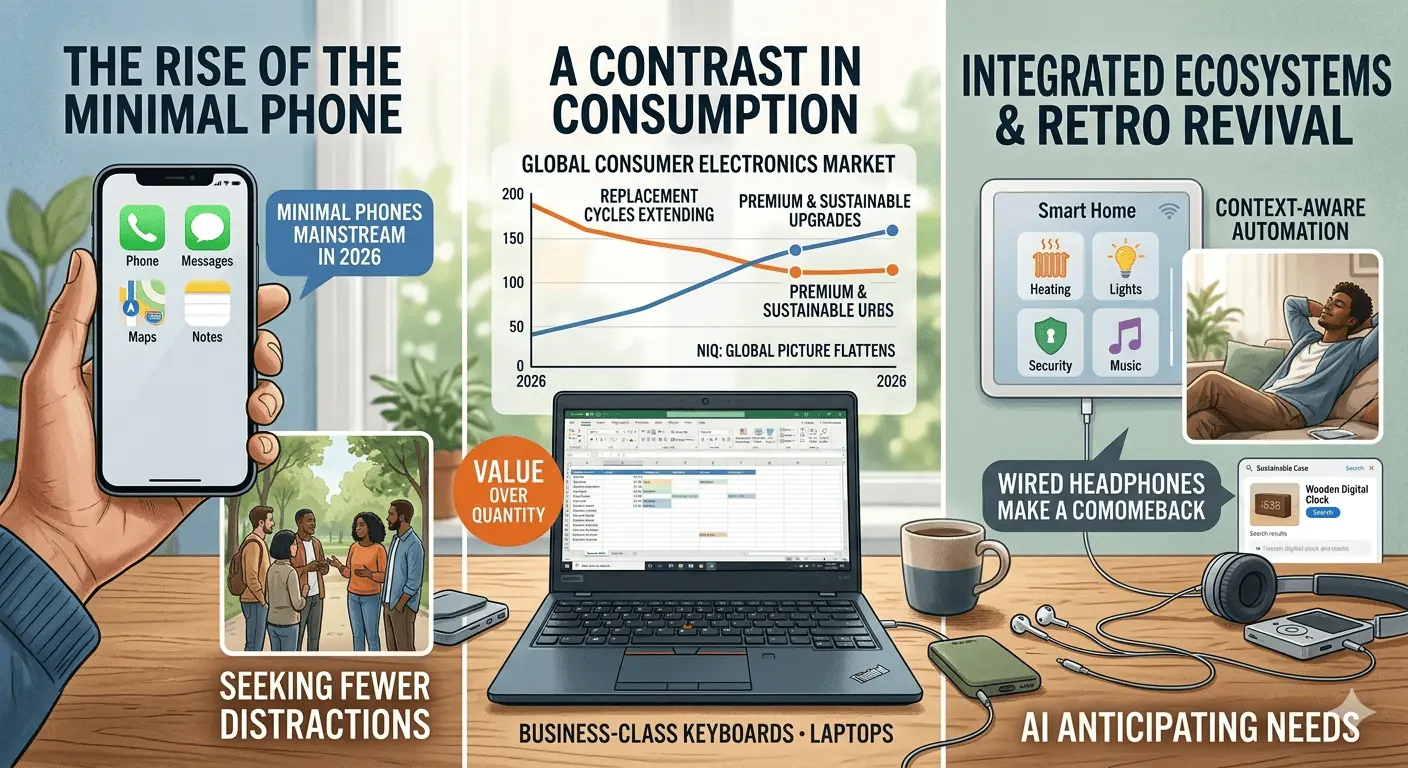
TL;DR Digital minimalism is a philosophy for using technology with intent, keeping only the tools that support your work, health, and relationships while cutting digital noise.
Understanding Digital Minimalism
What is digital minimalism in plain English? It is a philosophy of technology use that keeps a small number of selected, optimized tools tied to your values. Cal Newport defines it as a way to question which digital communication tools add the most value to your life. That matters because most people do not need more screens; they need fewer distractions in a noisy world.
Newport’s point is not to reject digital technology. It is to make technology serve personal goals instead of dictating them. The book Digital Minimalism argues for intentional use, not unrestricted online habits, and that distinction is the whole lead. If your phone, computer, or apps are helping you work, read, or stay organized, they stay. If they only create noise, they do not deserve space.
The philosophy is linked to a simpler life built around high-value activities, with a clearer focus on what matters most. Cal Newport and Newport digital minimalism both push the same idea: keep what supports your work life, your health, and your relationships, then cut everything else. That is why digital minimalism devices are not about owning less for the sake of it. They are about keeping only the tools that earn their place in your world and help your life run better.
What does the philosophy actually change?
Digital minimalism changes the way you judge content, services, and tools. Instead of asking whether something is new, you ask whether it is positive for your life. That shift sounds small, but it changes the number of apps, tabs, and alerts you tolerate every day.
It also changes how you read a blog, reply to messages, or spend time online. For example, Gmail and Google Calendar can stay if they support your schedule. Facebook might stay if it genuinely helps you keep up with family or a local group. If not, it becomes another source of social media clutter.
That is the basic minimalism choosing process, and it is more useful than a vague promise to use your phone less without a clear purpose. A digital declutter can help make that decision clearer. The goal is not to remove every digital tool, but to keep the ones that clearly earn their place.
- Digital minimalism is a philosophy, not a hardware purge.
- It focuses on quality over quantity in digital life.
- It keeps selected tools that support personal values.
- It removes low-value digital noise that steals attention.
Why Digital Minimalism Matters Now?
Digital minimalism matters more now because everyday life is noisier than it was a few years ago. In 2023, India had over 1 billion internet users, and the average mobile internet consumption was 19.5GB per month in 2022. With that much connectivity, networks carry more messages, more media, and more chances to lose time on social feeds that were never important in the first place.
These numbers also help explain why this topic keeps appearing in any serious article about attention. As tech use keeps expanding, the pressure to stay connected grows with it, and that can have a negative impact on how people manage their focus. If you try to follow every update, news item, and notification, constant checking can blur the line between staying informed and staying distracted.
India’s smartphone market grew by 1% in 2023, with 146 million units shipped, and e-commerce users are part of the same wider shift. That is why digital minimalism feels less like a niche idea and more like a practical response to everyday overload. It is a way to be more selective about digital activities and spending time, instead of letting every alert compete for it.
How does it help with focus and daily routines?
Digital minimalism helps by reducing the number of decisions you make around your devices. Fewer alerts mean fewer interruptions, and fewer interruptions make it easier to stay with one task long enough to finish it. That matters whether you are working, reading, or just trying to get through a normal day without constant context switching.
It also helps with routines that already matter to you. A phone can support your schedule through Gmail and Google Calendar, while a social app can only stay if it serves a real relationship or community need. When you make those choices on purpose, your digital life becomes easier to manage.
The result is not silence for its own sake. The result is a cleaner relationship with technology, where your devices support your priorities instead of competing with them. That is why the idea keeps growing in relevance as internet use and smartphone adoption continue to rise.
How to Start a Digital Declutter?
A digital declutter starts with a simple review of what you use every day. Look at your apps, alerts, and social feeds, then ask whether each one clearly supports your work, health, or relationships. If it does not, it should not keep taking up space in your attention.
The process works best when you keep the rules simple. Keep tools like Gmail and Google Calendar if they help you stay organized. Keep Facebook only if it genuinely helps you stay connected to family or a local group. Remove the rest if they mainly create noise.
This approach is practical because it does not ask you to abandon technology. It asks you to choose carefully and keep only what earns its place. That makes the declutter easier to maintain after the first clean-up.
What to keep and what to remove?
Keep the tools that clearly support your daily life. That includes communication, scheduling, reading, and work tools that help you stay productive. Remove the apps and feeds that mainly pull you into endless checking without giving much back.
A good test is whether you would miss the tool for a real reason or only from habit. If the answer is habit, it probably belongs in the clutter pile. If the answer is a specific value, such as staying in touch with family or managing your calendar, it can stay.
This is the part of digital minimalism that makes the philosophy concrete. It turns a broad idea into a set of choices you can actually make. Over time, those choices reduce noise and make your devices easier to live with.
Is Digital Minimalism Worth It for Everyday Life?
Digital minimalism is worth it if you want more control over your attention and less friction in your day. The article’s numbers show why that matters in India, where internet use passed 1 billion users in 2023, and mobile internet consumption averaged 19.5GB per month in 2022. In that environment, a deliberate approach can help you avoid turning every alert into a priority.
It is especially useful if you feel pulled in too many directions by apps, messages, and social feeds. The philosophy does not demand that you give up useful tools like Gmail or Google Calendar. Instead, it helps you keep those tools while cutting the ones that only add clutter.
The strongest case for it is simple: it helps you spend more time on work, health, and relationships. It also fits a world where smartphone shipments reached 146 million units in 2023, because more devices usually mean more opportunities for distraction. If you want technology to support your life instead of shaping it, this approach is a strong fit.
Frequently Asked Questions
Q. What is digital minimalism in one sentence?
Digital minimalism is a philosophy that keeps a small number of selected, optimized digital tools tied to your values. It focuses on quality over quantity and asks whether each tool adds real value to your life. In the article, examples like Gmail and Google Calendar stay only if they support your schedule.
Q. How does a digital declutter work?
A digital declutter starts by reviewing your apps, alerts, and social feeds. You keep tools that support work, health, and relationships, and remove the ones that mainly create noise. The article uses Facebook, Gmail, and Google Calendar as examples of tools that should stay only when they serve a clear purpose.
Q. Why does digital minimalism matter in India right now?
It matters because India had over 1 billion internet users in 2023, and average mobile internet consumption reached 19.5GB per month in 2022. Those numbers show how easy it is for messages, media, and alerts to crowd out attention. Digital minimalism offers a practical way to stay selective in that environment.
Q. Which digital tools are most likely to stay after a declutter?
Tools that support scheduling, communication, and organization are the most likely to stay. The article specifically mentions Gmail and Google Calendar as examples that can remain if they help your routine. Social apps like Facebook only stay if they genuinely help you keep up with family or a local group.
Q. Is digital minimalism about using less technology overall?
No, it is about using technology with intent rather than avoiding it completely. Cal Newport’s idea is to question which digital communication tools add the most value to your life. That means some tools stay, but only the ones that clearly earn their place.
Who Should Try Digital Minimalism First?
Digital minimalism is a good fit for people who feel overloaded by apps, alerts, and constant checking. It also works well for anyone who wants a cleaner relationship with social media without giving up useful digital tools. If your phone helps you work, read, or stay organized, this approach helps you protect those benefits.
It is also a strong option for people who want to be more selective about how they spend time online. The philosophy gives you a clear filter for deciding what stays and what goes. That makes it easier to build routines around what matters most.
Start with one small step, such as reviewing your apps or notifications today. Keep the tools that clearly support your life and remove the ones that only add clutter. If you want a more intentional digital routine, this is a practical place to begin.