
Best Phones for Content Creators
Compare the best phones for content creators in 2026, including OnePlus 15, Xiaomi 15T Pro, S25 Ultra, and iPhone 17 Pro Max.

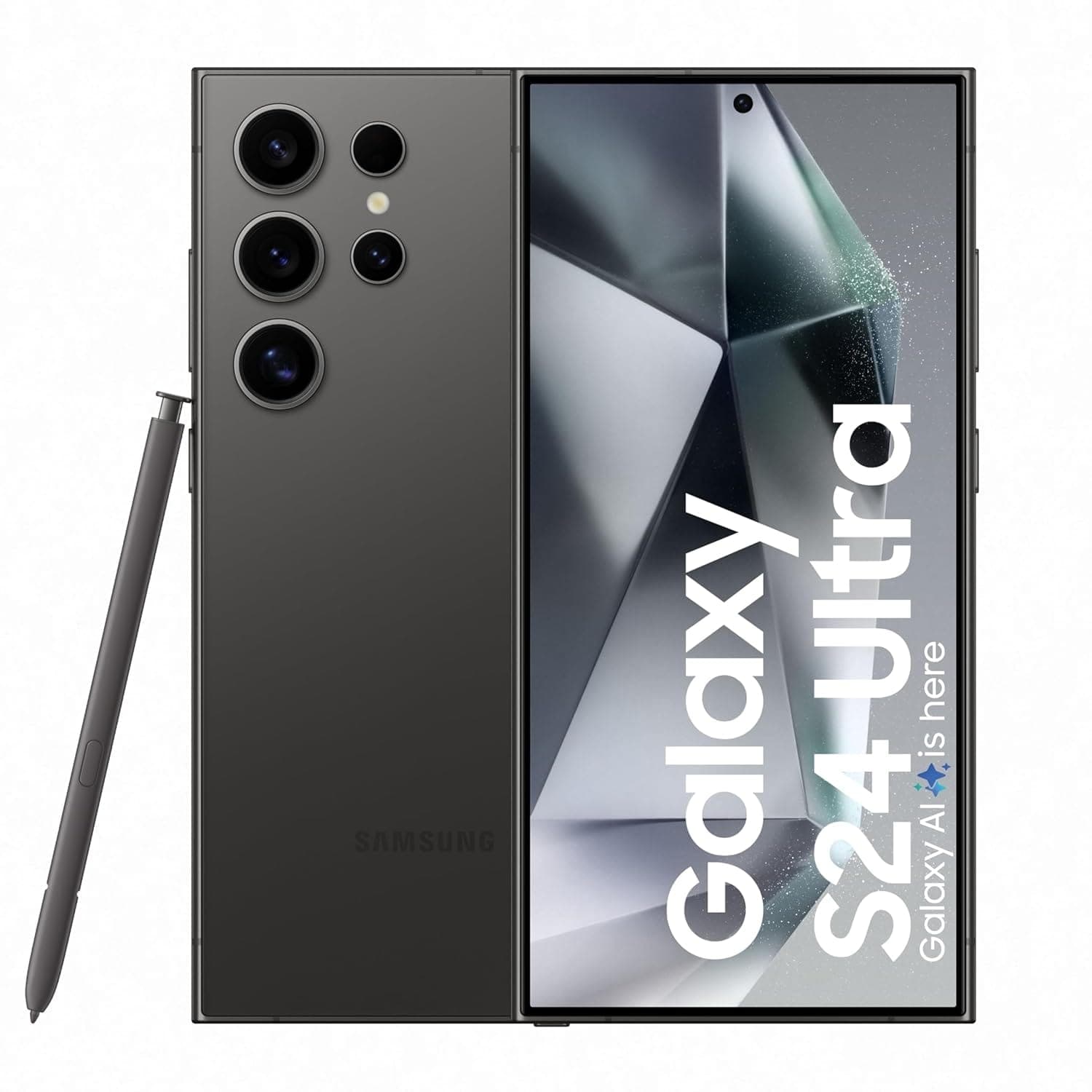
TL;DR The best phones for content creators in 2026 are the OnePlus 15 for value at ₹72,999, the Xiaomi 15T Pro for telephoto flexibility at ₹82,990, the Samsung Galaxy S25 Ultra for Android camera versatility at ₹99,000, and the iPhone 17 Pro Max for premium video work at ₹1,49,900.
Why These Phones Matter for Content Creation
The best phones for content creators are not just about still photos anymore. They need to handle shooting, reviewing, editing, and posting without slowing down the workflow. That is why display quality, battery life, camera flexibility, and video features matter as much as the headline camera number.
The OnePlus 15 and Xiaomi 15T Pro both use advanced 50MP camera hardware, while the iPhone 17 Pro Max adds dual capture mode and strong 4K video recording options. The Samsung Galaxy S25 Ultra brings a 200MP main camera and 8K video support, which makes it a strong Android option for detail-heavy work. The biggest decision usually comes down to workflow, not just specs.
For most buyers, the most important insight is simple. The OnePlus 15 is the most affordable new option at ₹72,999, while the iPhone 17 Pro Max sits far above the rest at ₹1,49,900. That spread makes the choice less about finding a single winner and more about matching the right phone to the way you create.
Role of Smartphones in Content Creation
A phone now handles the whole chain for a lot of creators. You can shoot an Instagram Reel, trim it in CapCut, color it in Lightroom Mobile, and post it from the same device. That is why display quality and performance matter as much as the camera system.
If you film product shots, tutorials, or street clips, the phone needs to keep focus, exposure, and framing stable while you move fast. That is where the newer creator-focused phones separate themselves from ordinary flagships. They are not just built to take clean photos, they are built to stay useful when the work gets more demanding.
If your phone slows down during editing or makes it hard to review a clip, the whole workflow suffers. A Google Pixel may appeal to some users for its software approach, but creator-focused phones need to stay fast across the full process.
Key Features That Matter Most
For mobile photography, the camera system decides how much room you have to crop, zoom, and shoot in mixed light. A 50MP class sensor gives you more detail to work with than a basic phone camera, and a telephoto lens changes how you shoot portraits, events, and distant subjects.
The iPhone 17 Pro Max is the most obvious video-first option because it pairs its camera hardware with dual capture mode, which is useful when you want to record yourself and the scene at the same time. The OnePlus 15, Xiaomi 15T Pro, and Samsung Galaxy S25 Ultra each approach stills differently. The OnePlus 15 uses a triple 50MP camera system, the Xiaomi 15T Pro combines a 50MP main camera with a 50MP telephoto camera, and the Samsung Galaxy S25 Ultra pushes resolution much higher with a 200MP main camera.
Those differences matter because they shape how you shoot, not just how the spec sheet looks. For some creators, a Google Pixel may still be a familiar reference point, but these phones are aimed at broader creator needs.
Top Phones for Creators at a Glance
The current shortlist is easy to frame. The OnePlus 15 is the value-heavy option for creators who want strong hardware without paying premium Apple money. The Xiaomi 15T Pro leans into telephoto usefulness and a balanced creator setup. The Samsung Galaxy S25 Ultra is the Android heavyweight for people who care about camera versatility, while the iPhone 17 Pro Max is the obvious pick when video recording quality comes first.
- OnePlus 15 suits creators who want fast, simple shooting and a lower entry price.
- Xiaomi 15T Pro makes sense if telephoto framing matters in portraits, travel, or event clips.
- Samsung Galaxy S25 Ultra is the strongest all-round Android choice for camera control.
- iPhone 17 Pro Max is the best fit for creators who want dual capture mode and polished 4K video.
For most people building a creator phone setup, the real question is not whether the phone can shoot photos. It is whether the phone can handle camera, video, editing, and posting in one workflow without getting in the way. If you want the best phones for content creators without overspending, the OnePlus 15 is the practical starting point, while the iPhone 17 Pro Max is the premium pick for serious video work.
Key Factors to Choose a Creator Phone
The most important buying mistake is choosing a phone on megapixels alone. A camera with a high number on the box still needs the right lens mix, usable video recording modes, a bright display, and a battery that survives a full shoot day.
That is why the best creator phones combine more than one strength instead of leaning on a single flashy spec. Camera resolution, display quality, and battery life all work together. If one of those pieces falls short, the phone becomes harder to trust during real shoots.
The phones in this comparison stand out because they each solve a different part of that problem, whether you are shooting stills or cinematic video.
Camera Resolution and Lens Types
Megapixels matter because they influence crop flexibility and detail retention, but lens type matters just as much. The OnePlus 15 uses a triple 50MP camera system, and its 50MP ultra-wide camera gives you more room for landscapes, group shots, and cramped indoor scenes.
The Xiaomi 15T Pro pairs a 50MP main camera with a 50MP telephoto camera, which is useful when you want tighter framing without walking closer and disturbing the shot. The Samsung Galaxy S25 Ultra goes in a different direction with its 200MP main camera. That kind of resolution gives you a lot more room to crop after the shot, which is helpful when you are pulling stills from a video set or trimming composition in post.
The iPhone 17 Pro Max uses matched 48MP cameras across main, ultra-wide, and telephoto, which keeps image quality more consistent when you switch lenses during a shoot.
Video Recording Features
Video recording is where creator phones separate fast. The OnePlus 15 can shoot 8K video, which gives you extra room for reframing and stabilization in post. The iPhone 17 Pro Max supports 4K recording at up to 120fps, which is the kind of feature you notice when you want slow-motion clips that still look clean.
The Samsung Galaxy S25 Ultra supports 8K video at 30fps, and that matters if you want a high-resolution master file for later editing. The iPhone 16 Pro Max also supports ProRes video recording, which is useful if you already work with heavier editing pipelines. That is the difference between a casual camera phone and a real phone for video work.
If you edit in CapCut, Final Cut workflows, or Adobe Premiere Rush, those recording formats decide how much flexibility you have later. The right recording mode can save time in post and reduce the need for extra gear.
Display and Battery Considerations
Display size and quality affect how accurately you judge framing, focus, and color before you leave the shoot. The Samsung Galaxy S25 Ultra has a 6.9-inch Dynamic AMOLED display, and the iPhone 17 Pro Max features a 6.9-inch Super Retina XDR display.
Those large panels make it easier to check facial focus, read on-screen exposure controls, and review a take without squinting. Battery matters just as much. The Samsung Galaxy S25 Ultra carries about 5000 mAh, while the iPhone 17 Pro Max is built around a large 6.9-inch Super Retina XDR display and a more premium video workflow.
When you are out filming all day, battery life decides whether you keep shooting or start hunting for a charger halfway through the event.
Audio Capture for Videos
Audio capture gets ignored too often, and that is a mistake. The iPhone 17 Pro Max includes a four-microphone array for improved audio capture, which helps when you are recording voice notes, talking-head clips, or quick interviews without an external mic.
A good camera phone can still ruin a video if the sound is thin, noisy, or uneven. That is why audio matters alongside camera and battery, especially for creators who publish directly from the phone.
- Choose higher megapixels when you need crop flexibility for stills and thumbnails.
- Choose telephoto when you film portraits, concerts, or distant subjects.
- Choose 8K or ProRes if you plan to edit footage heavily later.
- Choose a large display if you review focus, exposure, and color on the phone itself.
- Choose stronger audio capture if you record commentary, interviews, or reaction videos.
For creators using apps like Lightroom Mobile, CapCut, and Adobe Express, the phone has to do more than shoot well. It has to show what you captured clearly, keep the battery alive through a long session, and record sound that does not force a rescue in post.
Best Phones for Content Creators: Camera and Video Features
The camera race among creator phones is not about one winner across every use case. The OnePlus 15 gives you a triple 50MP setup, the Xiaomi 15T Pro leans on a 50MP main camera and 50MP telephoto lens, the Samsung Galaxy S25 Ultra uses a 200MP main camera, and the iPhone 17 Pro Max spreads 48MP hardware across main, ultra-wide, and telephoto lenses.
That mix creates very different shooting styles, and the right choice depends on whether you care more about still detail, zoom framing, or creative video control.
| Feature | OnePlus 15 | Xiaomi 15T Pro | Samsung Galaxy S25 Ultra | iPhone 17 Pro Max |
|---|---|---|---|---|
| Main camera | 50MP | 50MP | 200MP | 48MP |
| Ultra-wide camera | 50MP | 12MP | 12MP | 48MP |
| Telephoto camera | 50MP | 50MP with 5x optical zoom | 50MP | 48MP |
| Video resolution | 8K | 4K | 8K | 4K up to 120fps |
| Camera system style | Triple 50MP | Main plus telephoto focus | High-resolution main sensor | Balanced triple 48MP |
| Creator angle | Budget-friendly versatility | Zoom-heavy mobile photography | Detail-heavy Android imaging | Video-first premium capture |
OnePlus 15 Camera and Video
The OnePlus 15 is the cleanest example of balance. A triple 50MP camera system means you are not forced into a weak secondary lens just to keep the price down, and the 50MP ultra-wide camera gives you flexibility for travel, architecture, and indoor group shots.
Its 8K video support matters for creators who want more room to crop or reframe later in post. The catch is that the OnePlus 15 does not lean on a headline-grabbing feature like 200MP resolution or dual capture mode. That makes it less flashy than the Samsung Galaxy S25 Ultra and less specialized than the iPhone 17 Pro Max.
For creators who mainly shoot social clips, product photos, and occasional long-form footage, that tradeoff is reasonable because the hardware stays practical rather than overcomplicated.
Xiaomi 15T Pro Camera and Video
The Xiaomi 15T Pro is the telephoto story in this group. Its 50MP main camera and 50MP telephoto camera with 5x optical zoom make it a strong choice when you need tighter framing without walking into the subject’s space.
The 32MP front camera also helps if you shoot a lot of selfie-based content, reaction videos, or talking-head clips for short-form editing workflows. What most people get wrong is assuming telephoto only matters for portraits. In reality, it helps with street scenes, stage shots, and product details when you cannot physically move closer.
The Xiaomi 15T Pro is the phone you pick when zoom composition matters more than chasing the highest headline resolution.
Samsung Galaxy S25 Ultra Camera and Video
The Samsung Galaxy S25 Ultra is the resolution leader here. Its 200MP main camera gives you massive detail headroom, and 8K video recording at 30fps makes it a serious tool for creators who want a high-resolution master file.
Samsung also gets credit for camera versatility and AI editing tools, which matters when you are cleaning up a shot quickly before posting. That said, the S25 Ultra is not automatically the best choice for every creator. A huge main sensor is useful, but it does not replace a strong telephoto story or the convenience of dual capture mode.
If your workflow lives inside Samsung Notes, Lightroom, and quick social edits, the S25 Ultra is a powerful Android option, but it is still a tool you should buy for its flexibility rather than one spec alone.
iPhone 17 Pro Max Camera and Video
The iPhone 17 Pro Max is the strongest video phone in this group. It uses 48MP main, 48MP ultra-wide, and 48MP telephoto cameras, then adds dual capture mode so you can record front and rear cameras at the same time.
That is a real advantage for tutorials, interviews, and reaction content where your face and the subject both matter. Its 4K recording at up to 120fps is the kind of spec that saves you from carrying extra gear when you want polished slow motion.
If you already work in an Apple-heavy editing chain, the iPhone 17 Pro Max is the most complete creative phone here. For creators who shoot in Final Cut-style workflows or export heavily edited social clips, it is the most versatile choice even though it costs far more than the Android alternatives.
- OnePlus 15: strongest value if you want 8K recording without paying premium pricing.
- Samsung Galaxy S25 Ultra: best if you want detail-heavy stills and Samsung’s editing tools.
- iPhone 17 Pro Max: best if you need dual capture and the strongest video flexibility.
For mobile photography, the Xiaomi 15T Pro and Samsung Galaxy S25 Ultra are the most obvious still-image picks, while the iPhone 17 Pro Max is the cleanest video-first machine. The OnePlus 15 sits in the middle and does not waste your money on features you may never use.
Display, Battery, and Performance Essentials
For content creators, display, battery, and chipset power decide whether the phone feels smooth or frustrating after the camera app closes. The OnePlus 15 uses a 6.78-inch LTPO AMOLED panel with a 1272 x 2772 resolution and a 165 Hz refresh rate, while the Xiaomi 15T Pro uses a 6.83-inch AMOLED display at 1280 x 2772 pixels and 144 Hz.
Those numbers matter because scrolling timelines, scrubbing clips, and checking focus all feel better when the screen updates quickly and cleanly. Those large panels make it easier to review framing, color, and detail before you move on to editing or posting. For creators who spend a lot of time on the phone itself, the screen can matter almost as much as the camera.
The difference shows up fast when you are moving between Google Photos, CapCut, and a browser full of references.
Display Technologies and Sizes
Those large panels are useful when you are reviewing framing, checking color, or editing in apps like Lightroom Mobile and CapCut. The OnePlus 15’s LTPO AMOLED panel is the most aggressive on refresh rate at 165 Hz, which makes everyday navigation feel very fluid.
The Xiaomi 15T Pro’s 144 Hz panel is still fast enough for smooth editing and scrolling. If you spend a lot of time trimming clips on the phone itself, that extra responsiveness is more useful than many people expect. It makes the whole device feel easier to control during long sessions.
That is especially helpful when you are switching between camera, gallery, and editing apps.
Battery Capacities and Charging
Battery capacity is where the OnePlus 15 becomes hard to ignore. The Xiaomi 15T Pro carries 5500 mAh with 90W fast charging, which is still strong, but it is clearly a step below the OnePlus on endurance.
The Samsung Galaxy S25 Ultra sits around 5000 mAh, which is respectable but not class-leading for heavy creator use. If you shoot all day, battery size affects whether you can keep using the camera, hotspot, and editing apps without constantly topping up. Fast charging matters too, because a creator phone that can recover quickly between shoots is easier to live with than one that sits plugged in for too long.
That is one reason the OnePlus 15 stands out as a practical option.
Chipset and RAM Performance
The Xiaomi 15T Pro is powered by the MediaTek Dimensity 9400+ chipset and comes with 12GB of RAM. That combination is the real reason it can handle camera switching, editing, and app multitasking without feeling cramped.
If you jump between Google Photos, CapCut, and a browser full of references, RAM stops the phone from reloading everything every time you switch apps. The Samsung Galaxy S25 Ultra and iPhone 17 Pro Max both sit in the premium zone for creator workflows, but their value depends on whether you want Android flexibility or Apple’s video and audio stack.
Performance only matters when it stays consistent during a real shoot day. That makes memory, display speed, and battery life part of the same buying decision.
- Choose the OnePlus 15 if you edit and shoot all day and hate battery anxiety.
- Choose the Xiaomi 15T Pro if you want a fast screen and enough power for mobile editing.
- Choose the Samsung Galaxy S25 Ultra if you want a large, premium display for review and color checks.
- Choose the iPhone 17 Pro Max if your workflow depends on a large, accurate screen and Apple video tools.
A lot of creators overspend on camera hardware and then underbuy the parts that keep the phone usable for eight hours straight. That is why battery and refresh rate deserve as much attention as lens count.
Pricing and Value Comparison
Price changes the creator conversation fast. The OnePlus 15 costs ₹72,999 in India, the Xiaomi 15T Pro is ₹82,990, the Samsung Galaxy S25 Ultra is ₹99,000, and the iPhone 17 Pro Max is ₹1,49,900.
Those numbers make the value gap easy to see before you even compare the camera systems.
| Phone | India Price | Positioning |
|---|---|---|
| OnePlus 15 | ₹72,999 | Most affordable |
| Xiaomi 15T Pro | ₹82,990 | Mid-range creator pick |
| Samsung Galaxy S25 Ultra | ₹99,000 | Premium Android option |
| iPhone 17 Pro Max | ₹1,49,900 | Premium video-first option |
Value for Money Analysis
The real value question is not which phone is cheapest. It is which phone gives you the most useful creator hardware for the money you actually spend. The OnePlus 15 is the cleanest value play because it pairs lower pricing with a large battery, strong display, and 8K recording.
The Xiaomi 15T Pro makes sense if you care more about zoom framing and a strong mid-range creator setup than about absolute price. The Samsung Galaxy S25 Ultra sits in a difficult but understandable position. At ₹99,000, it is expensive, but not irrational if you want Samsung’s camera versatility and AI editing tools in a single Android phone.
The iPhone 17 Pro Max is the premium outlier, and its price only makes sense if you care enough about dual capture mode, 4K at 120fps, and the broader Apple ecosystem to justify the jump. That makes it the most expensive option here by a wide margin.
Recommendations by Budget
- Under ₹80,000, the OnePlus 15 is the strongest buy because it gives you creator-grade hardware without wasting money.
- Near ₹1,00,000, the Samsung Galaxy S25 Ultra is the Android choice for people who want a top-tier camera phone.
- Above ₹1,40,000, the iPhone 17 Pro Max is for creators who treat video as the priority.
For buyers who are watching value closely, refurbished models can shift the equation further in favor of older flagships, especially when the hardware still matches current creator needs. That does not change the fact that the OnePlus 15 is the most affordable new option here, but it does make premium phones more accessible if you are patient.
Common Mistakes to Avoid in Mobile Content Creation
A phone can only do so much if the subject is underexposed or the scene behind them is messy. That is why even strong hardware still needs basic shooting discipline, because it cannot fully rescue a careless frame.
The most common mistakes are easy to spot once you know what to look for. Lighting problems, cluttered backgrounds, and rushed framing can make even a strong phone look average. If you slow down before you record, you usually get better results without changing any gear.
That matters whether you are filming a product demo in CapCut or shooting a quick portrait for Instagram. It also applies whether you are using an iPhone Pro Max or another flagship phone, because the same basic habits still shape the final result.
Lighting Mistakes
Bad lighting makes skin look flat, colors drift, and video noise become more obvious. If you shoot with a phone like the Samsung Galaxy S25 Ultra or iPhone 17 Pro Max, you still need to pay attention to where the light comes from, because the camera can only process what it receives.
Window light works well for talking-head clips, while harsh overhead light usually makes faces look tired and uneven. Creators using apps like CapCut or Lightroom Mobile often try to fix lighting after the fact, but that usually wastes time and still leaves the footage looking off.
Background and Composition Errors
A cluttered background pulls attention away from the subject, which hurts both photos and videos. If you are shooting a tutorial, a clean wall or simple desk setup keeps the viewer focused on you and the product instead of random objects behind you.
The same rule applies to mobile photography, where a messy background can make even a sharp image look amateurish. Most creators notice the subject first and the background second, but viewers see both at once. That is why background checks matter before you hit record.
A few seconds of setup can save you a lot of editing later, whether you are using an iPhone Pro Max or another phone.
Tips to Improve Mobile Content
The easiest fix is to slow down for ten seconds before every shoot. Check the light, check the background, and take one test shot before you commit to a full take.
If you are filming interviews, product reviews, or voice-led clips, the iPhone 17 Pro Max’s four-microphone array can help with audio, but it still cannot fix bad framing or poor lighting. The right phone can reduce some mistakes, but it does not replace basic shooting habits.
- Use natural light when possible, especially for face-centered content.
- Clear the background before shooting so the subject stays dominant.
- Choose a phone with stronger video tools if you record talking-head content often.
- Review your first clip before shooting the full sequence.
A creator who understands light and composition will get better results from a mid-range phone than a careless user will get from a flagship. If you want cleaner photos and videos, the Samsung Galaxy S25 Ultra is strong for editing-heavy correction, while the iPhone 17 Pro Max is the safer pick for creators who care about audio and video consistency.
Which Creator Phone Fits Your Workflow Best
The best phones for content creators are the ones that match your actual workflow, not the ones with the loudest spec sheet. If you shoot a lot of short-form video, the iPhone 17 Pro Max is the most capable premium option because dual capture mode, 4K at up to 120fps, and the four-microphone array all serve real creator work.
For mobile photography, the Xiaomi 15T Pro and Samsung Galaxy S25 Ultra are the strongest still-image choices because they lean into zoom and resolution in different ways. If you want strong hardware without spending premium money, the OnePlus 15 and Xiaomi 15T Pro make far more sense than buying the most expensive phone just for status.
The OnePlus 15 is the practical all-rounder. It gives you a triple 50MP camera system, 8K recording, a huge 7300 mAh battery, and a lower price than the rest of the flagship group. If your work lives in Google Photos, CapCut, and Lightroom, the OnePlus 15 and Xiaomi 15T Pro are the cleanest Android phones for content creators.
The rest of the field makes sense only when you know which tradeoff you are buying into. The Pixel Pro is the kind of phone you would compare against these options only if your workflow leans heavily toward a specific camera style, while the iPhone 17 Pro Max stays the clear front-runner for video recording because its capture modes are more creator-specific than the others.
- Choose the Xiaomi 15T Pro if zoom shots matter in your daily shooting.
- Choose the Samsung Galaxy S25 Ultra if you want the most flexible Android camera experience.
- Choose the iPhone 17 Pro Max if you will use its video tools often enough to justify the premium.
Frequently Asked Questions
Q. What is the best phone for content creators on a budget?
The OnePlus 15 is the strongest budget-friendly choice here because it gives you a triple 50MP camera system, 8K video support, and a 7300 mAh battery. That combination makes it practical for creators who shoot often and do not want to spend premium money. The Xiaomi 15T Pro is the next step up at ₹82,990 if you care more about telephoto framing.
Q. How important is video recording quality for content creators?
Video recording quality is critical for content creators because it affects how usable your footage is before and after editing. The OnePlus 15 shoots 8K, the Samsung Galaxy S25 Ultra supports 8K at 30fps, and the iPhone 17 Pro Max goes up to 4K at 120fps with dual capture mode. Those differences matter when you want slow motion, reframing, or front-and-back recording in the same clip.
Q. Which phone offers the best camera zoom capabilities?
The Xiaomi 15T Pro is the clearest zoom-focused choice here because it has a 50MP telephoto camera with 5x optical zoom. The Samsung Galaxy S25 Ultra is strong for detail, but the Xiaomi’s telephoto setup is easier to read as a creator tool. If zoom is part of your daily shooting style, the Xiaomi 15T Pro is the phone to target.
Q. Can Android phones match iPhone for content creation?
Yes, Android phones can absolutely match iPhone for content creation, but they do it differently. The Samsung Galaxy S25 Ultra offers a 200MP main camera and 8K video support, while the OnePlus 15 gives you a triple 50MP system and strong battery life. The iPhone 17 Pro Max still leads in video features like dual capture mode and 4K at 120fps, so it stays ahead for video-first creators.
Q. What accessories enhance phone content creation?
A stable grip, a tripod, and better audio gear are the most useful phone accessories for content creators. Even with the iPhone 17 Pro Max’s four-microphone array, external audio can still help in noisy places, and a tripod makes framing more consistent for tutorials or product shots. A simple phone case for content creators also matters because it protects the phone during repeated mounting and travel.
Q. Does battery life impact mobile content creation?
Battery life decides how long you can shoot, review, and edit before you need to stop. The OnePlus 15 has a 7300 mAh battery with 120W fast charging, while the Xiaomi 15T Pro has 5500 mAh with 90W charging and the Samsung Galaxy S25 Ultra sits around 5000 mAh. That means the OnePlus 15 is the easiest phone to keep working through long filming days.
Which Creator Phone Is Worth Buying in 2026
The creator phone market splits cleanly into value, versatility, and premium video power. The OnePlus 15 is the strongest buy for most people because ₹72,999 gets you a triple 50MP camera system, 8K recording, a 7300 mAh battery, and fast charging without pushing you into premium territory.
It also handles low light well enough for everyday creator use. The Xiaomi 15T Pro is the better pick if zoom and telephoto framing matter most, while the Samsung Galaxy S25 Ultra makes sense for buyers who want a flexible Android camera phone with a 200MP main camera.
The iPhone 17 Pro Max is the most expensive, but it also has the clearest creator-first video stack with dual capture, 4K at 120fps, and a four-microphone array. If your work is mostly video, the premium can make sense over time, especially when you need reliable results in low light. Pick the phone that matches how you shoot, edit, and post, and then buy it with confidence.






