Best Mid Range Coding Workstations For Software Developers In India 2026
Mid range laptops empower working developers to handle large projects, multitask efficiently and maintain productivity across diverse environments in 2026.


TL;DR Mid-level developers in India in 2026 need laptops that handle containerisation, cloud workflows, AI-assisted coding, and heavy multitasking. Systems in the ₹60,000 to ₹1,00,000 range offer strong multi-core performance, fast SSDs, stable thermals, and reliable battery life, making them ideal for modern development environments.
Why Mid Range Laptops Are the Sweet Spot for Developers in 2026
Software development in 2026 has evolved into a highly demanding and production-focused discipline where developers are expected to build, deploy, and maintain scalable systems. Mid-level developers are no longer working on simple scripts or isolated projects, they are actively contributing to live applications, handling APIs, managing infrastructure, and collaborating across teams. This level of responsibility requires machines that can sustain performance across complex workflows without slowing down.
The modern developer environment includes multiple layers such as IDEs, containers, databases, browser tabs, and cloud dashboards running simultaneously. These workloads are continuous rather than occasional, which means laptops must maintain consistent responsiveness over long durations. Any delay in builds, testing, or debugging directly impacts productivity and delivery timelines.
Mid range laptops provide the perfect balance between cost and capability for this level of work. They offer sufficient processing power, memory, and storage speed without pushing developers into premium pricing segments. This balance ensures that developers can work efficiently while maintaining financial practicality.
What Mid Level Developers Actually Need From a Laptop
A mid-level developer’s workload goes far beyond writing code, as it includes running multiple services, managing dependencies, and interacting with complex systems. These activities require strong hardware support to ensure smooth execution and minimal waiting time. The laptop becomes the primary tool that directly influences productivity and efficiency.
Processor performance is critical because it determines how quickly builds, compilations, and scripts execute. Multi-core CPUs enable parallel processing, which is essential for handling containers, virtual environments, and background tasks simultaneously. Faster processors reduce delays and allow developers to focus on problem-solving rather than waiting for systems to respond.
Memory capacity plays an equally important role in maintaining smooth workflows. Developers often run multiple applications at once, including IDEs, browsers, databases, and terminal sessions. Without sufficient RAM, systems begin to lag and swap memory, which disrupts productivity and slows down development cycles.
Core Hardware Requirements for Coding Workstations
Mid range coding workstations must be configured to handle demanding workloads consistently without performance drops. The following specifications represent the baseline requirements for developers in 2026.
| Component | Recommended Specification |
|---|---|
| Processor | Intel Core i5/i7 or Ryzen 5/7 |
| RAM | Minimum 16GB, 32GB preferred |
| Storage | 512GB or 1TB NVMe SSD |
| Connectivity | Wi-Fi 6 or Wi-Fi 6E |
| Battery | 8 to 12 hours |
Fast SSD storage significantly improves system responsiveness by reducing load times for applications and dependencies. It also accelerates tasks such as package installation, file indexing, and repository access. This ensures that developers can work efficiently without unnecessary delays.
Battery life is another important consideration, especially for developers working in hybrid environments. A laptop that can sustain long coding sessions without frequent charging provides greater flexibility and convenience. This is particularly valuable for remote work and mobile setups.
Best Mid Range Coding Workstations in India 2026
Lenovo ThinkPad X Series
The ThinkPad X Series is known for its reliability, durability, and strong performance, making it a preferred choice for developers. Its keyboard provides excellent feedback, which enhances long coding sessions and reduces fatigue. Developers who spend hours typing benefit significantly from this ergonomic design.
The series also offers strong Linux compatibility, which is important for backend and DevOps workflows. It handles containers, scripting, and system-level operations efficiently, making it suitable for complex development environments. Combined with stable performance and good battery life, it remains a dependable option.
ASUS Zenbook
The ASUS Zenbook combines portability with performance, making it ideal for developers who work across multiple locations. Its lightweight design allows easy mobility, while its hardware supports demanding workloads. This balance makes it suitable for both office and remote environments.
Its display quality enhances readability and reduces strain during long coding sessions. Developers working with multiple windows and documentation benefit from the clarity and visual comfort. The Zenbook also handles multitasking efficiently, ensuring smooth performance across various applications.
HP Pavilion
The HP Pavilion offers consistent performance for developers who need a stable and reliable system. It handles backend development, testing environments, and scripting workflows effectively. This makes it a practical choice for developers working on production systems.
Its balanced configuration ensures that it can manage multiple tasks without overheating or slowing down. The laptop maintains moderate temperatures even under load, which contributes to long-term reliability. This stability is essential for developers working on time-sensitive projects.
Dell Inspiron Higher Variants
Dell Inspiron higher variants provide strong value by combining performance, durability, and usability. These laptops handle complex development tasks such as microservices, data processing, and cloud workflows efficiently. Their build quality ensures that they can withstand long-term usage.
The SSD performance enhances every aspect of development, from boot times to environment switching. Developers benefit from faster workflows and reduced waiting time. This makes the Inspiron a strong contender for mid-range development needs.
Acer Swift
The Acer Swift series focuses on portability without compromising essential performance. Its lightweight design makes it ideal for developers who frequently travel or work in dynamic environments. Despite its compact size, it delivers reliable performance for everyday development tasks.
Battery efficiency is one of its strongest features, allowing developers to work for extended periods without interruption. This is particularly useful for those working in cafés or co-working spaces. The Swift offers a balanced experience for developers prioritising mobility.
Portability and Battery Life for Modern Developers
Modern developers often work in flexible environments, including cafés, co-working spaces, and remote setups. This makes portability and battery life essential factors in choosing a laptop. A lightweight device reduces strain and improves mobility.
Battery performance directly impacts productivity, as developers run multiple resource-intensive applications throughout the day. A laptop with strong battery life ensures uninterrupted workflows even without access to charging points. This flexibility is crucial for hybrid work environments.
Advancements in processor efficiency and power management have improved battery performance significantly. Developers can now expect longer usage times without sacrificing performance. This enhances the overall experience and supports modern work styles.
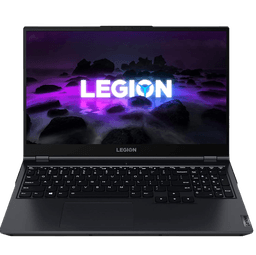
Are Gaming Laptops Suitable for Developers
Gaming laptops offer high performance and are capable of handling demanding workloads such as machine learning and simulations. Their powerful processors and GPUs make them suitable for specialised tasks that require high computational power. This makes them valuable for certain types of development work.
However, they come with trade-offs such as heavier weight, shorter battery life, and increased noise levels. These factors can reduce portability and comfort, especially in quiet or mobile environments. Developers who prioritise flexibility may find these limitations restrictive.
For general development, mid range laptops provide a more balanced experience. They offer sufficient performance while maintaining portability and efficiency. Gaming laptops are best suited for developers with specific high-performance requirements.
Refurbished Laptops as a Smart Alternative
Refurbished laptops provide an opportunity to access higher-end hardware at a lower cost. These devices are often sourced from enterprise environments and are designed for durability and long-term use. After proper testing and refurbishment, they deliver reliable performance.
One of the key advantages is the ability to obtain better processors, build quality, and thermal systems within the same budget. This allows developers to handle demanding workloads more efficiently. It also provides a cost-effective way to upgrade hardware capabilities.
Refurbished laptops also offer flexibility in upgrades, allowing developers to expand RAM or storage as needed. This extends the lifespan of the device and ensures that it remains relevant for longer. For many developers, this makes refurbished options a practical and valuable choice.
Why Mid Range Coding Workstations Are the Smartest Choice for Developers in 2026
The most important takeaway is simple. Mid range laptops in 2026 provide the ideal balance between performance, cost, and long-term usability for software developers.
These systems are capable of handling modern development workflows, including containerisation, cloud integration, and AI-assisted coding, without requiring premium hardware. They ensure consistent performance and reliability, which are essential for professional work.
As development environments continue to evolve, choosing a laptop that supports scalability and efficiency becomes increasingly important. Mid range coding workstations meet these requirements effectively, making them the most practical choice for developers in India.
Refurbo's Top Picks
Frequently Asked Questions
Q. What is the ideal RAM for mid-level developers in 2026?
Most developers require at least 16GB RAM, while 32GB is recommended for heavy multitasking.
Q. Is SSD necessary for coding laptops?
Yes, SSD storage improves speed, responsiveness, and overall performance significantly.
Q. How long should a coding laptop last?
A well-configured laptop can remain productive for 4 to 6 years.
Q. Are gaming laptops better for developers?
They are useful for heavy workloads but less practical for portability.
Q. Which processor is best for developers?
Intel Core i5/i7 or AMD Ryzen 5/7 processors are suitable for most tasks.
Q. Is Linux necessary for development?
No, but it is preferred for backend and cloud workflows.
Q. How much storage is required?
At least 512GB SSD is recommended.
Q. Are refurbished laptops reliable?
Yes, if they are properly tested and certified.
Q. What battery life is ideal?
8 to 12 hours is considered sufficient.
Q. Should developers prioritise CPU or RAM?
Both are important, but RAM is critical for multitasking.
Ready to upgrade your tech?
Browse our collection of quality refurbished products at unbeatable prices.