Apple MacBook Air M1 Review: The MacBook That Redefined Thin and Light Laptops
The MacBook Air is priced similarly to Windows laptops, but it easily lasts 6–8 years. A 2025 purchase could stay reliable through 2029 or even 2032.

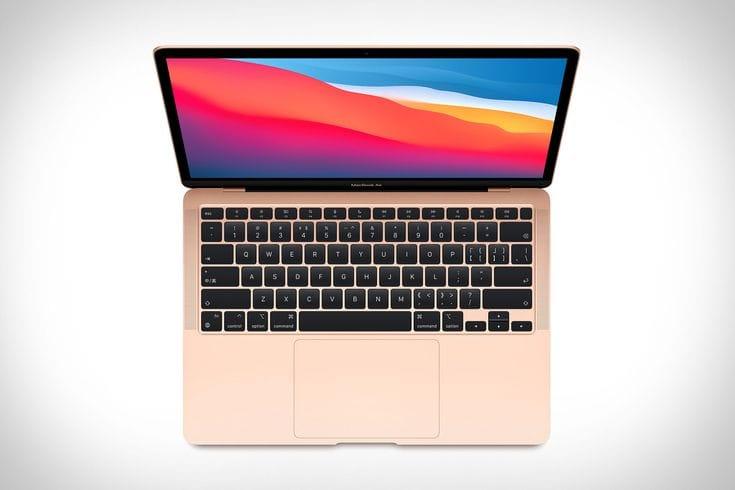
TL;DR The Apple MacBook Air M1 transformed the thin-and-light laptop segment by combining strong everyday performance, exceptional battery life, and a silent fanless design into a lightweight premium chassis. Even years after launch, it remains highly relevant for students, developers, office users, and creators who prioritise portability, efficiency, and long-term usability over heavy professional workloads.
Why the MacBook Air M1 Changed the Laptop Industry
The MacBook Air M1 was one of the biggest turning points in Apple’s laptop history because it marked the transition from Intel processors to Apple Silicon. This change was not just about faster performance, but about redefining efficiency, thermals, and battery life in thin-and-light laptops. The M1 MacBook Air immediately stood out because it delivered desktop-level responsiveness while remaining completely fanless.
Another important factor is that the laptop still retains the original MacBook Air design philosophy introduced years ago, which focuses on portability and simplicity. Apple refined the same lightweight aluminium form factor instead of redesigning the entire machine from scratch. This continuity helped maintain the iconic identity of the MacBook Air lineup.
The impact of the M1 chip was also visible across the broader laptop market because it changed user expectations around battery life and silent performance. Competing ultrabooks began focusing more heavily on efficiency and optimisation after the success of Apple Silicon. This made the MacBook Air M1 one of the most influential consumer laptops in recent years.
Apple MacBook Air M1 Specifications and What They Mean in Real Usage
The MacBook Air M1 focuses on balanced efficiency rather than extreme hardware specifications, which is why its real-world experience feels significantly better than many similarly priced ultrabooks. The combination of Apple Silicon, unified memory, and macOS optimisation creates a tightly integrated system. This allows the laptop to deliver smooth performance while consuming very little power.
| Specification | Details |
|---|---|
| Processor | Apple Silicon M1 |
| Memory | 8GB Unified Memory |
| Storage | 256GB SSD |
| Graphics | Integrated Apple GPU |
| Display | 13.3-inch Retina Display |
| Battery | 52.6Wh |
| Weight | 1.24 Kg |
| Price | ~₹59,990 INR |
The M1 processor combines CPU, GPU, memory, and system controllers into a unified architecture, which improves efficiency significantly compared to traditional Intel ultrabooks. This allows applications to communicate faster and reduces power consumption during multitasking. The result is smoother everyday responsiveness even with moderate hardware configurations.
Another important factor is unified memory architecture because Apple integrates memory directly into the chipset rather than treating it as a separate component. While this limits upgradeability, it improves speed and power efficiency noticeably. This is one of the main reasons why 8GB RAM on the M1 feels more capable than expected in regular usage.
Real-World Performance and Everyday Usability
In daily usage, the MacBook Air M1 feels extremely responsive because macOS is highly optimised for Apple Silicon. Applications launch quickly, multitasking remains smooth, and the system rarely slows down during normal workflows. This makes it highly suitable for productivity-focused users.
The laptop handles office tasks, web browsing, video streaming, coding, and light creative work comfortably without noticeable lag. It also performs surprisingly well for moderate editing tasks despite being fanless. This balance between efficiency and performance is what makes the device stand out.
Another important aspect is sustained consistency because the M1 chip remains efficient even during extended workloads. While professional rendering or heavy exports will eventually reveal thermal limitations, the laptop still performs impressively for a thin-and-light device. This makes it highly dependable for most everyday users.
Battery Life and Why It Still Leads the Segment
Battery life is one of the biggest strengths of the MacBook Air M1 because Apple Silicon dramatically reduced power consumption compared to Intel-based MacBooks. Real-world usage regularly delivers more than 10 to 12 hours of battery life under moderate workloads. This remains among the best in the ultrabook segment.
The 52.6Wh battery may not appear unusually large on paper, but efficiency is what truly defines battery performance here. macOS and the M1 architecture work together to minimise unnecessary background activity and optimise resource allocation intelligently. This creates a much longer-lasting experience than most comparable laptops.
Another important factor is standby efficiency because the MacBook Air loses very little battery when idle. Users can leave the laptop unplugged for extended periods without significant drain. This improves convenience for students, professionals, and travellers.
Fanless Design and Silent Performance
One of the most unique aspects of the MacBook Air M1 is its completely fanless cooling system. Unlike most ultrabooks that rely on active cooling fans, the Air uses passive cooling combined with the efficiency of the M1 chip. This allows the laptop to remain silent during operation.
The absence of fans improves portability and comfort because users never hear cooling noise during meetings, studying, or creative work. This silent experience feels premium and distraction-free in everyday usage. It also contributes to the minimalist design philosophy of the device.
However, fanless cooling also introduces limitations under sustained heavy workloads because the system eventually throttles to maintain safe temperatures. This is not noticeable for general productivity, but professionals handling intensive rendering or exports may prefer actively cooled systems. This highlights the intended audience of the MacBook Air lineup.
Display and Build Quality Experience
The Retina display remains one of the strongest parts of the MacBook Air experience because it offers sharp visuals, strong brightness, and excellent text clarity. This improves reading comfort, document editing, and creative workflows significantly. The display quality still competes strongly with premium ultrabooks.
The all-aluminium build also contributes heavily to the premium feel of the device. The chassis feels rigid, lightweight, and durable despite its thin design. This makes it ideal for portability-focused users.
Another important aspect is long-term physical reliability because Apple’s unibody construction tends to age well over time. Even after years of usage, many MacBook Air units continue to feel structurally solid. This improves long-term ownership value.
Gaming Performance and Why macOS Is Still Not Gaming-Focused
The M1 chip offers surprisingly strong graphical efficiency for integrated graphics, but gaming is not the primary purpose of the MacBook Air. macOS still lacks the broad game optimisation and ecosystem support available on Windows platforms. This limits gaming compatibility significantly.
The laptop handles casual and lightweight games reasonably well, especially titles designed for Apple Arcade or macOS optimisation. However, demanding AAA games and competitive gaming experiences remain much better on dedicated gaming laptops. This is primarily due to software ecosystem limitations rather than raw hardware weakness.
Another important factor is thermals because the fanless design is not intended for sustained gaming sessions. Extended heavy gaming can introduce thermal throttling and reduced performance stability. This reinforces the Air’s positioning as a productivity-focused ultrabook rather than a gaming device.
Why Developers and Creators Still Prefer MacBook Air M1
The MacBook Air M1 became extremely popular among software developers because macOS provides a stable Unix-based development environment with excellent battery efficiency. Many developers prefer the combination of terminal tools, reliability, and portability offered by macOS. This makes the Air highly practical for coding workflows.
Creative users also benefit from Apple’s ecosystem integration and software optimisation. Applications such as Final Cut Pro and Logic Pro are designed specifically around Apple hardware efficiency, which allows smoother workflows than expected on a fanless laptop. This improves usability for moderate creative tasks.
Another important factor is longevity because Apple Silicon devices tend to remain performant longer due to strong software optimisation. Even years after release, the M1 continues to feel modern and capable in everyday workflows. This increases long-term value significantly.
Long-Term Relevance and Ownership Value
The MacBook Air M1 continues to remain relevant because its performance-to-efficiency ratio was significantly ahead of its time. Even newer Apple Silicon generations mainly refine and extend the same philosophy rather than completely replacing it. This keeps the M1 highly usable.
For users focused on productivity, studying, development, and moderate creative work, the Air still delivers excellent value relative to its pricing. Many Windows alternatives in the same segment struggle to combine battery life, build quality, silence, and efficiency at this level. This strengthens its market position.
Another important factor is long-term software support because Apple generally supports MacBooks for many years. This improves reliability and ownership lifespan compared to many ultrabooks. It helps justify the higher initial investment.
Why the MacBook Air M1 Still Defines the Modern Ultrabook Experience and What Buyers Should Realistically Expect Before Purchasing
The most important takeaway is simple, the MacBook Air M1 succeeded because it fundamentally changed expectations around battery life, efficiency, and silent performance in thin-and-light laptops. It combines strong everyday responsiveness with exceptional portability and premium build quality without relying on aggressive cooling systems. This created a new standard for ultraportable computing.
Another important factor is that the laptop performs best when used within its intended workflow boundaries, especially productivity, studying, development, and moderate creative work. It is not designed for sustained professional rendering or hardcore gaming, despite the strong efficiency of Apple Silicon. Understanding these boundaries is essential before purchasing.
At the same time, buyers should consider the long-term ownership value rather than only specifications on paper because Apple’s hardware and software integration creates a smoother overall experience. The MacBook Air M1 remains one of the strongest examples of how optimisation can matter more than raw specifications. For users who prioritise battery life, portability, reliability, and long-term usability, it continues to be one of the best thin-and-light laptops available.
Frequently Asked Questions
Q. Is the MacBook Air M1 still relevant today?
Yes, the MacBook Air M1 remains highly relevant because its performance and battery efficiency continue to handle modern productivity workflows smoothly. It still competes strongly with many newer ultrabooks in everyday usage. This makes it a long-lasting device.
Q. Can the MacBook Air M1 handle programming and development tasks?
Yes, it performs exceptionally well for coding, web development, and software engineering workflows. macOS provides a stable Unix-based environment that many developers prefer. Combined with strong battery life, it becomes highly practical for development work.
Q. Is the MacBook Air M1 suitable for gaming?
It can handle light and casual gaming, especially optimised macOS titles and Apple Arcade games. However, it is not intended for hardcore gaming or AAA gaming experiences. Windows gaming laptops remain significantly better for gaming-focused users.
Q. Why does 8GB unified memory feel more efficient on the M1?
Apple’s unified memory architecture integrates RAM directly into the chipset, allowing faster communication between components. This improves efficiency and reduces latency compared to traditional memory setups. As a result, 8GB often feels smoother than expected in normal workflows.
Q. How good is the battery life in real-world usage?
The MacBook Air M1 regularly delivers over 10 to 12 hours of moderate real-world usage. Its efficiency-focused architecture allows significantly longer battery life compared to many ultrabooks. This remains one of its strongest advantages.
Q. Who should buy the MacBook Air M1?
It is ideal for students, developers, office users, writers, and moderate creators who prioritise portability and battery efficiency. Users needing heavy rendering or gaming performance may require more powerful systems. The Air performs best within productivity-focused workflows.
Ready to upgrade your tech?
Browse our collection of quality refurbished products at unbeatable prices.