Xiaomi 17 Pro vs iPhone 17 Pro Max: Which Flagship Should You Choose in 2025?
The Xiaomi 17 Pro challenges the iPhone 17 Pro Max with bold innovation, faster charging, and incredible value, making 2025’s flagship showdown more exciting than ever for Indian buyers.

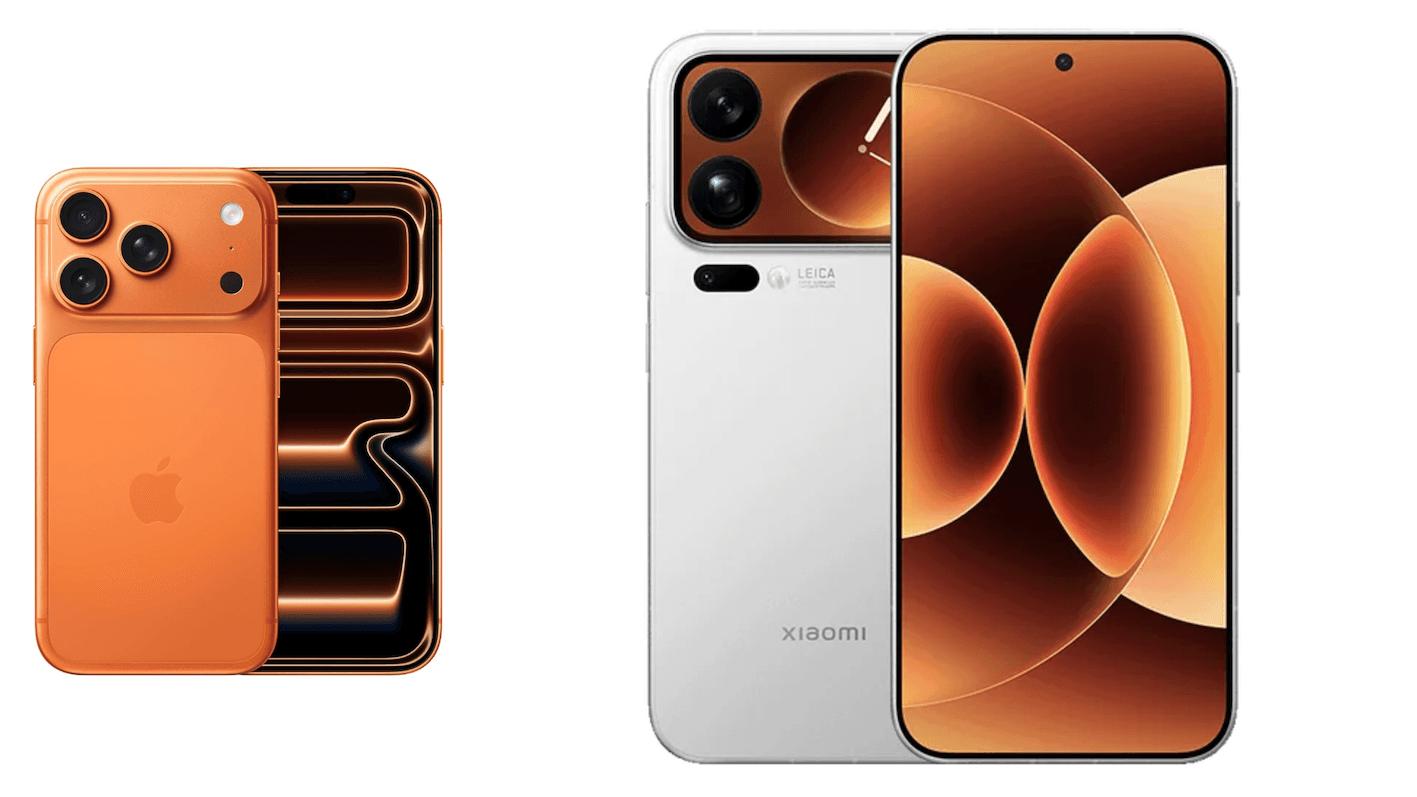
TL;DR The Xiaomi 17 Pro and iPhone 17 Pro Max represent two flagship philosophies in 2025. Xiaomi focuses on innovation, lightning-fast 100 W charging, and Leica-tuned cameras, all at an incredible ₹62,000. Meanwhile, Apple’s iPhone 17 Pro Max delivers unmatched ecosystem integration, premium titanium design, and exceptional camera consistency for ₹1,49,900. Xiaomi offers cutting-edge specs and affordability, while Apple ensures long-term updates and seamless reliability. Your choice depends on whether you value performance and price or refinement and stability. Both redefine what premium smartphones can achieve this year.
Introduction
In 2025, two flagship smartphones have taken centre stage in India, the Xiaomi 17 Pro and the iPhone 17 Pro Max. Both represent the pinnacle of their ecosystems, offering world-class performance, premium build, and advanced camera systems.
While Xiaomi focuses on pushing technological boundaries at an aggressive price, Apple continues its legacy of refined design and seamless ecosystem integration. Let’s dive into this comparison to help you decide which one truly deserves a place in your pocket.
Comparison Table
| Specification | Xiaomi 17 Pro | iPhone 17 Pro Max |
|---|---|---|
| Display | 6.3″ LTPO AMOLED, 1–120 Hz | 6.9″ Super Retina XDR OLED, 1–120 Hz |
| Processor | Snapdragon 8 Elite Gen 5 | Apple A19 Pro |
| RAM & Storage | Up to 16 GB RAM, 1 TB storage | 12 GB RAM, up to 2 TB storage |
| Rear Cameras | 50 MP main + 50 MP ultra-wide + 50 MP telephoto | 48 MP main + 12 MP ultra-wide + 12 MP telephoto |
| Front Camera | 50 MP | 24 MP |
| Battery & Charging | 6,300 mAh, 100 W wired, 50 W wireless | Approx 4,400 mAh, slower charging |
| Software | HyperOS 3 (Android 16) | iOS 26 |
| Price (India) | ₹62,000 (approx) | From ₹1,49,900 |
Design and Build Quality
The Xiaomi 17 Pro impresses with its sleek, curved design and compact size. The matte finish and metal edges give it a premium feel while keeping it lightweight. Xiaomi’s attention to ergonomics is commendable, especially given the secondary display at the back, which adds functionality and flair.
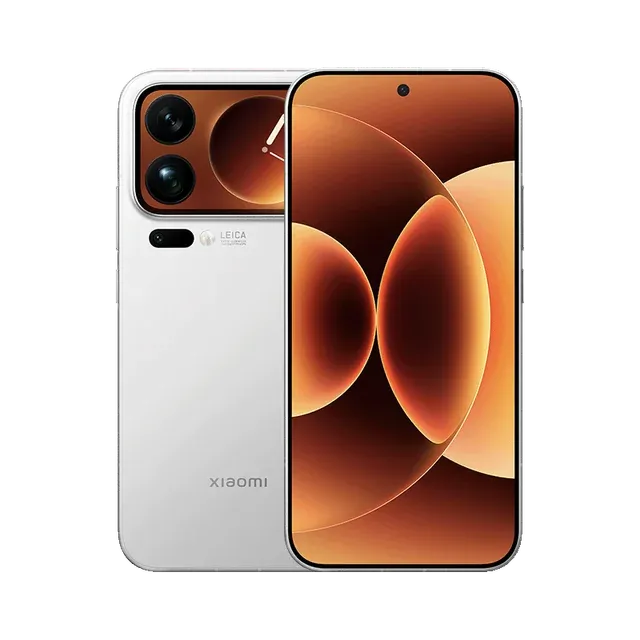
Meanwhile, the iPhone 17 Pro Max maintains Apple’s signature squared-edge aesthetic with a premium titanium build. It feels luxurious, solid, and unmistakably Apple, although its larger size and weight may not appeal to everyone.
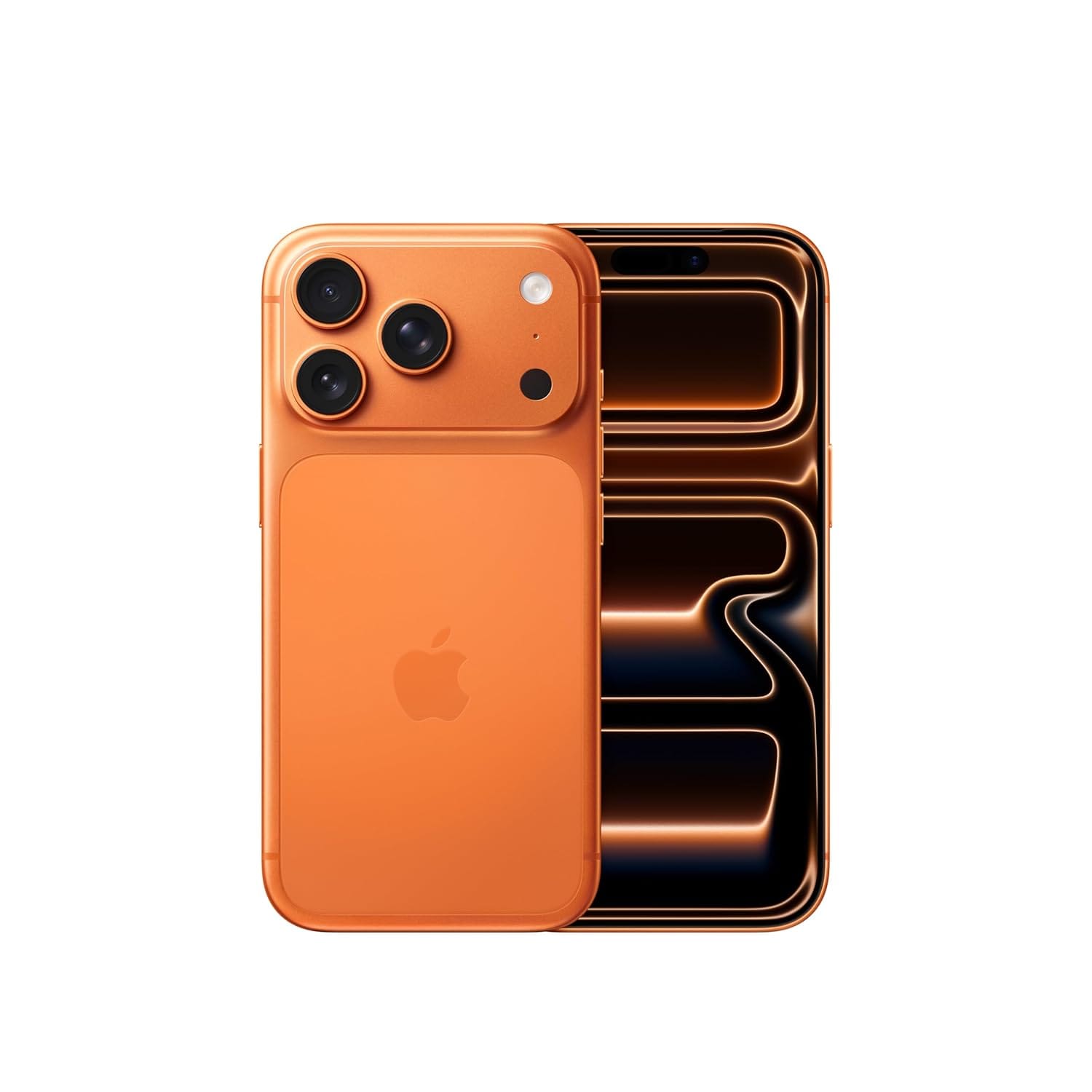
If you value comfort and creativity, Xiaomi stands out. But if you prefer timeless elegance and a heavier, more substantial feel, the iPhone wins here.
Display
The Xiaomi 17 Pro comes with a 6.3-inch LTPO AMOLED display that peaks at 3,500 nits of brightness. It offers deep contrast and adaptive refresh from 1 to 120 Hz, ensuring both clarity and efficiency.
The iPhone 17 Pro Max features a larger 6.9-inch Super Retina XDR OLED screen with Dolby Vision. It delivers exceptional colour accuracy and sharpness. Watching films or editing photos feels immersive and precise.
In short, Xiaomi’s screen is brighter and more compact, while Apple’s is larger and more colour-true.
Performance
The Xiaomi 17 Pro uses the Snapdragon 8 Elite Gen 5 processor built on 3 nm architecture. Combined with up to 16 GB of RAM, it effortlessly handles gaming, multitasking, and AI-driven tasks.
Apple’s A19 Pro chip also uses 3 nm technology but remains unmatched in raw single-core power and system efficiency. Its seamless integration with iOS ensures stability across all apps and updates.
If you crave raw performance and flexibility, Xiaomi is a powerhouse. But if you prefer optimised stability and consistent performance, Apple remains the leader.
Camera System
The Xiaomi 17 Pro is a camera enthusiast’s delight. Its Leica-tuned triple 50 MP setup delivers cinematic tones, rich colours, and fine detail. The rear display doubles as a viewfinder, allowing high-quality selfies with the main sensors.
Apple’s iPhone 17 Pro Max, on the other hand, continues to excel in balance and realism. Its 48 MP sensor, supported by computational photography, ensures lifelike skin tones and exceptional video stabilisation.
Both deliver brilliant results, but Xiaomi offers creative control and variety, while Apple offers dependable natural output and flawless video.
Battery and Charging
The Xiaomi 17 Pro packs a 6,300 mAh battery and supports 100 W wired and 50 W wireless charging. You can reach full charge in just 25 minutes, making it one of the fastest flagships around.
The iPhone 17 Pro Max features a smaller 4,400 mAh battery but benefits from iOS efficiency. While charging speeds are slower, Apple’s optimisation ensures consistent endurance across the day.
If speed and convenience matter most, Xiaomi wins. If reliability and long-term efficiency are your priority, the iPhone still holds its ground.
Software and User Experience
Running HyperOS 3 based on Android 16, the Xiaomi 17 Pro offers deep customisation, AI features, and fluid animations. The interface feels clean and responsive, with improvements to privacy and background task management.
The iPhone 17 Pro Max runs on iOS 26, known for its simplicity and stability. It integrates beautifully with the Apple ecosystem, from AirPods to the Apple Watch.
Xiaomi appeals to users who love customisation, while Apple caters to those who prefer polish and predictability.
Connectivity and Security
Both phones offer 5G, NFC, and Bluetooth support. The Xiaomi 17 Pro includes Wi-Fi 7 and an ultrasonic fingerprint scanner, while the iPhone 17 Pro Max offers Wi-Fi 6E and Face ID.
In terms of security, Apple’s hardware-software integration, secure enclave, and regular updates still make it the most trusted choice. Xiaomi’s privacy improvements are significant, but Apple maintains the lead in data protection.
Why It Still Matters
The Xiaomi 17 Pro vs iPhone 17 Pro Max comparison highlights two distinct philosophies. Xiaomi is about innovation, speed, and affordability. Apple focuses on consistency, refinement, and long-term reliability.
In India, the difference in price is huge. Xiaomi delivers flagship-level specs at around ₹62,000, while Apple’s iPhone 17 Pro Max starts at ₹1,49,900. For half the price, Xiaomi offers top-tier performance, charging speed, and flexibility. Apple, however, retains its crown for user trust, longevity, and ecosystem integration.
Comparison Table and Elaboration
| Feature | Xiaomi 17 Pro | iPhone 17 Pro Max |
|---|---|---|
| Display | 6.3″ AMOLED | 6.9″ OLED |
| Brightness | 3,500 nits | 3,000 nits |
| Processor | Snapdragon 8 Elite Gen 5 | Apple A19 Pro |
| Charging | 100 W wired, 50 W wireless | Slower charging |
| Camera | 50 MP triple + 50 MP front | 48 MP triple + 24 MP front |
| Battery | 6,300 mAh | 4,400 mAh |
| Software | HyperOS 3 | iOS 26 |
| Price in India | ₹62,000 (approx) | ₹1,49,900 (base) |
Elaboration
When compared directly, Xiaomi dominates on paper with more features per rupee. It’s ideal for power users and photographers seeking innovation.
The iPhone, however, stands strong for its smooth ecosystem, consistent updates, and resale value. For Android fans, Xiaomi is unbeatable in value; for Apple loyalists, the iPhone remains the ultimate choice.
Pros and Cons
| Category | Xiaomi 17 Pro | iPhone 17 Pro Max |
|---|---|---|
| Pros |
|
|
| Cons |
|
|
Why Buying Refurbished Makes Sense
Refurbished flagships are an intelligent choice for budget-conscious buyers. The Xiaomi 17 Pro delivers exceptional hardware and performance even when pre-owned.
Meanwhile, refurbished iPhones offer outstanding longevity and software support, making them a smart investment for those who want premium quality at a reduced price. Always choose certified sellers to ensure quality and warranty.
Why This Flagship Decision Still Matters Even More Moving Into 2026
The strongest closing takeaway is simple: this is no longer just a 2025 flagship comparison, it is now a 2026 ownership decision framework. The Xiaomi 17 Pro and iPhone 17 Pro Max still represent two of the strongest premium smartphone philosophies, but the way buyers should evaluate them in 2026 has evolved. Xiaomi remains the smarter performance-per-rupee flagship for users who want cutting-edge charging, Leica-tuned camera creativity, and aggressive hardware value, while Apple continues to dominate for ecosystem longevity, resale confidence, and multi-year software stability.
What becomes even more important in 2026 is lifecycle ownership logic. Buyers are no longer choosing only based on launch-day specifications. They are evaluating battery health after 12 to 18 months, software smoothness after multiple major updates, resale value, repair ecosystem, and how well the device fits into laptops, tablets, earbuds, watches, and cloud workflows. In that framework, the iPhone 17 Pro Max becomes a safer long-term investment for users already inside the Apple ecosystem, while the Xiaomi 17 Pro becomes one of the strongest premium Android value buys for users who want flagship innovation without crossing ultra-premium pricing.
The real 2026 head-up is this: refurbished and lightly used premium flagships now create an even smarter buying layer. A well-maintained Xiaomi 17 Pro at a lower secondary-market price becomes exceptional value, while a refurbished iPhone 17 Pro Max still holds its premium because of stronger resale and longer update confidence. If your priority is maximum innovation for the money, Xiaomi still makes more practical sense. If your focus is ecosystem lock-in, stable longevity, and stronger value retention into 2027, the iPhone remains the more future-safe flagship decision.
Frequently Asked Questions
Q. Which phone makes more sense to buy in 2026, Xiaomi 17 Pro or iPhone 17 Pro Max?
In 2026, the smarter choice depends on ownership priorities rather than launch specs alone. The Xiaomi 17 Pro remains the stronger value flagship for buyers who want ultra-fast charging, high-end Leica-tuned cameras, and premium Android flexibility at a much lower cost. The iPhone 17 Pro Max makes more sense for users who prioritise resale value, ecosystem continuity, longer update cycles, and seamless integration with other Apple devices.
Q. Is the Xiaomi 17 Pro better value than the iPhone 17 Pro Max in India?
Yes, purely from a price-to-hardware perspective, Xiaomi still offers dramatically stronger value. At nearly half the price, it delivers flagship-tier performance, better charging technology, and a highly competitive camera system. In 2026, this value gap becomes even more attractive in the refurbished and lightly used market.
Q. Which one is safer for long-term software support?
The iPhone 17 Pro Max remains the safer long-term software investment because Apple’s update history, ecosystem optimisation, and stable performance over multiple iOS generations continue to outperform most Android competitors. Xiaomi has improved significantly, but Apple still leads for 4 to 5 year ownership confidence.
Q. Does the Xiaomi 17 Pro still make sense as a refurbished flagship in 2026?
Absolutely. In fact, this is where its value proposition becomes even stronger. A certified refurbished Xiaomi 17 Pro in 2026 can deliver near-flagship performance, excellent battery endurance, and premium camera versatility at a much more accessible price, making it one of the smartest Android flagship buys for value-focused users.
Q. Which flagship is better for resale value in India?
The iPhone 17 Pro Max still remains significantly stronger for resale. Apple’s brand trust, software longevity, and stable demand in India’s premium secondary market ensure that it retains value far better into 2027 and beyond, while Xiaomi’s faster depreciation works in favour of refurbished buyers instead.
Ready to upgrade your tech?
Browse our collection of quality refurbished products at unbeatable prices.