
Understanding Samsung's Budget Smartphone Lineup in 2025: How Different Are They from Chinese Competitors
Samsung’s 2025 budget lineup delivers stable software, reliable battery life and long-term usability across the A, M and F series. This guide compares Samsung’s approach with Chinese competitors and explains key differences.


TL;DR Samsung’s 2025 budget smartphone lineup focuses on long-term reliability across the A, M and F series. The A series emphasises polished design and stable everyday performance, the M series prioritises battery endurance and consistent efficiency, and the F series offers online-focused pricing with dependable optimisation. Compared to Chinese competitors, Samsung avoids aggressive specification marketing and instead delivers cleaner software, predictable thermal behaviour, minimal bloatware and reliable update cycles. While Chinese brands offer strong on-paper value, Samsung provides smoother long-term usability and better stability, making it a safer and more dependable budget choice for most Indian users.
Introduction
Samsung’s presence in the Indian budget smartphone market has evolved through more than a decade of continuous iteration, refinement and strategic restructuring. The earliest budget offerings from Samsung were simple devices aimed at essential communication rather than performance or multimedia capability. During those early years, Samsung primarily focused on durability, calling quality and basic functionality, reflecting the needs of an Indian audience that was transitioning from feature phones to touch-enabled smartphones for the first time. As the market matured, competition intensified, especially with the dramatic rise of Chinese manufacturers who introduced aggressive specifications at entry-level prices. This shift forced Samsung to rethink its entire approach to affordable smartphones.
Instead of competing purely on hardware numbers, Samsung rebuilt its strategy around software longevity, reliability and a more predictable user experience. This led to the creation of clearly segmented series such as the A, M and F lineups, each designed to address different consumer needs within the budget category while maintaining continuity in design and ecosystem quality. By focusing on stable One UI performance, regular security updates and consistent hardware optimisation, Samsung carved out a distinct identity in a segment that became increasingly crowded with spec-heavy alternatives. In 2025, Samsung’s budget offerings continue to hold a unique position in India. They are neither the cheapest nor the most aggressively specced, yet they remain among the most trusted options for buyers prioritising reliability, long-term usability and polished software experiences. This balance between essential hardware and refined optimisation forms the backbone of Samsung’s diverse budget portfolio.
Samsung’s A Series Budget Lineup Explained
The A series reflects Samsung’s intention to deliver budget devices that still feel polished, premium and cohesive in everyday usage. It is the series built for consumers who prefer refined displays, cleaner design language and consistent usability without stretching into mid-range territory. While the A series does not chase headline-grabbing hardware specifications, it consistently delivers dependable performance anchored by Samsung’s software philosophy. The models under ₹20,000 INR represent the core strengths of this lineup and show why the A series remains a strong contender for everyday users in 2025.
Galaxy A14

The Galaxy A14 acts as the gateway into Samsung’s A series ecosystem. It delivers a balanced everyday experience driven by stable software and efficient hardware tuning. The display provides respectable colour accuracy for media consumption while the battery comfortably supports daily usage. The A14 is ideal for first-time smartphone users or those upgrading from older devices and seeking reliability over aggressive performance. It upholds Samsung’s focus on clean interface quality, making it feel more refined than many devices in the same price category.
Galaxy A15
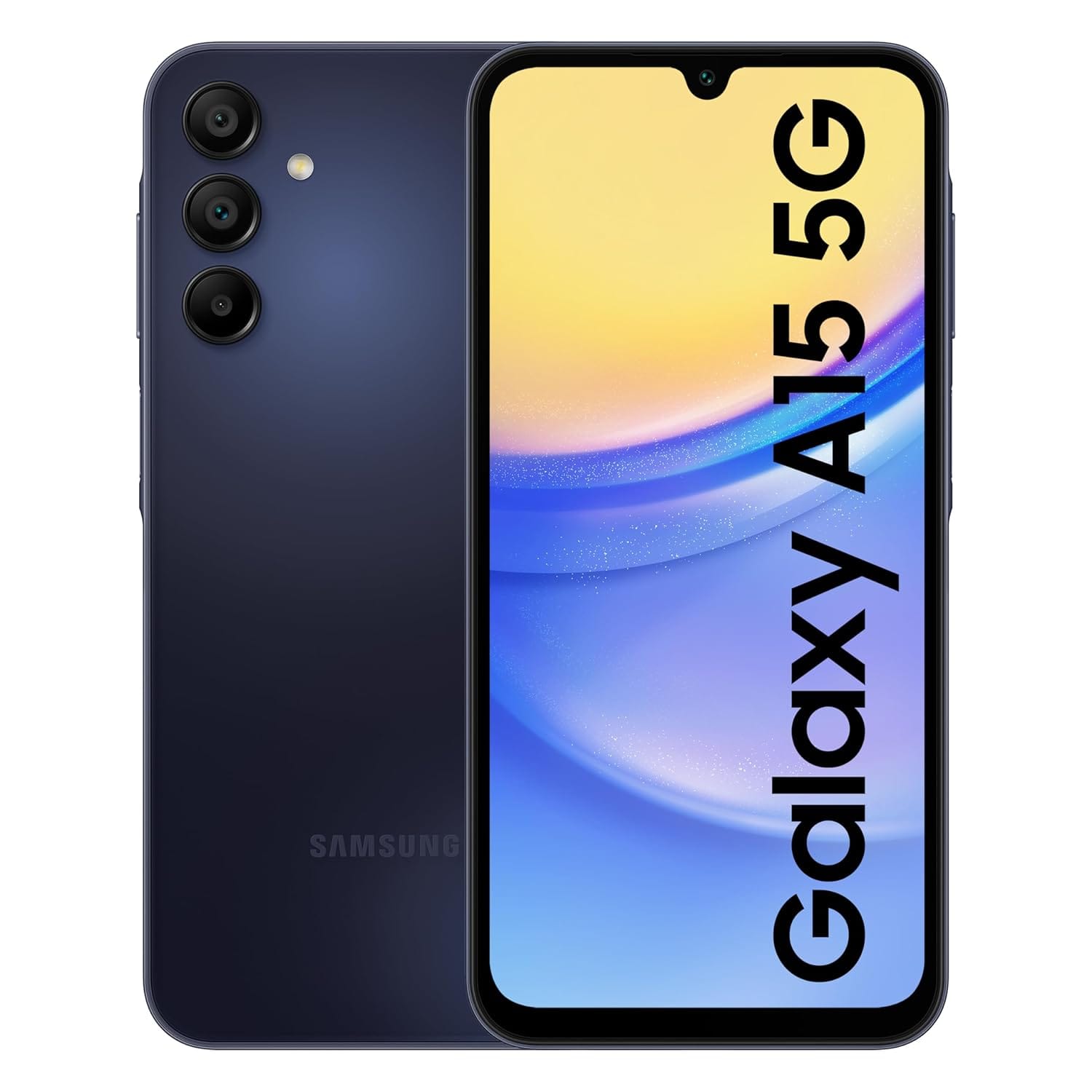
The Galaxy A15 enhances the experience with better optimisation, a more responsive display and improved overall efficiency. It delivers smooth transitions across common applications and is well suited for users who want a slightly faster device without compromising stability. The camera tuning focuses on natural colour reproduction rather than artificially enhanced processing, making it appealing to those who prefer true-to-life photography. Its improved battery optimisation ensures noticeably smoother daily performance.
Galaxy A35
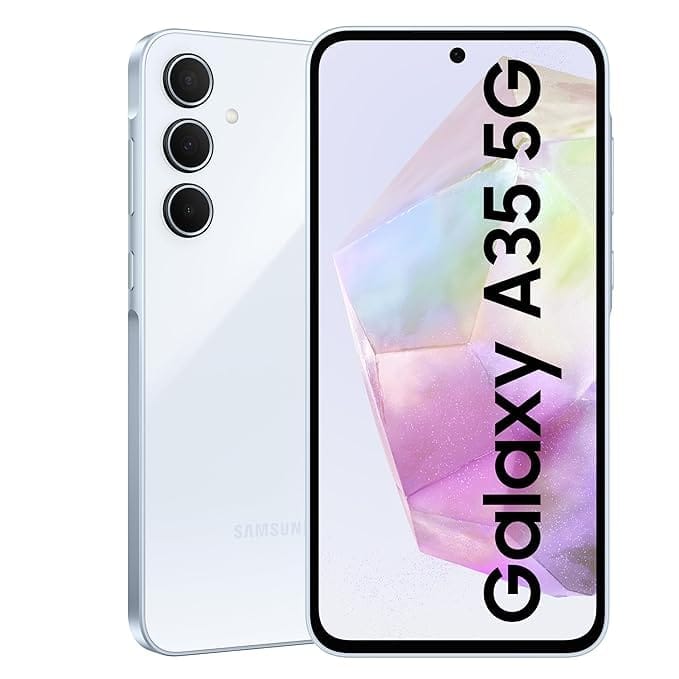
The Galaxy A35 positions itself as the most refined option in Samsung's 2025 budget-plus A series segment. It builds upon the foundation of earlier A models with a noticeably improved Super AMOLED display that delivers richer colours, higher brightness and smoother visual transitions. The performance feels more assured thanks to a more capable chipset paired with Samsung’s optimisation-focused One UI, resulting in reduced micro-lags and better consistency during multitasking.
The A35 also elevates the camera experience with enhanced low-light tuning and more natural colour reproduction, making it suitable for users who rely heavily on photography for social media. Battery efficiency remains reliable across day-to-day tasks, supported by stable thermal behaviour during extended usage.
Overall, the A35 stands out as a premium-feeling budget device for buyers who want dependable long-term performance, stronger visual quality and refined software behaviour without stepping into the higher mid-range price tier.
Samsung’s M Series Budget Lineup Explained
Samsung’s M series has always prioritised endurance and power efficiency over visual polish. This lineup caters strongly to students, travellers and heavy multimedia consumers who demand long-lasting battery life and dependable performance throughout the day. In 2025, the M series remains synonymous with battery-first engineering, backed by hardware that focuses on sustained durability. The lineup is highly popular among users who prefer functionality, long screen time and battery resilience over aesthetics.
Galaxy M07
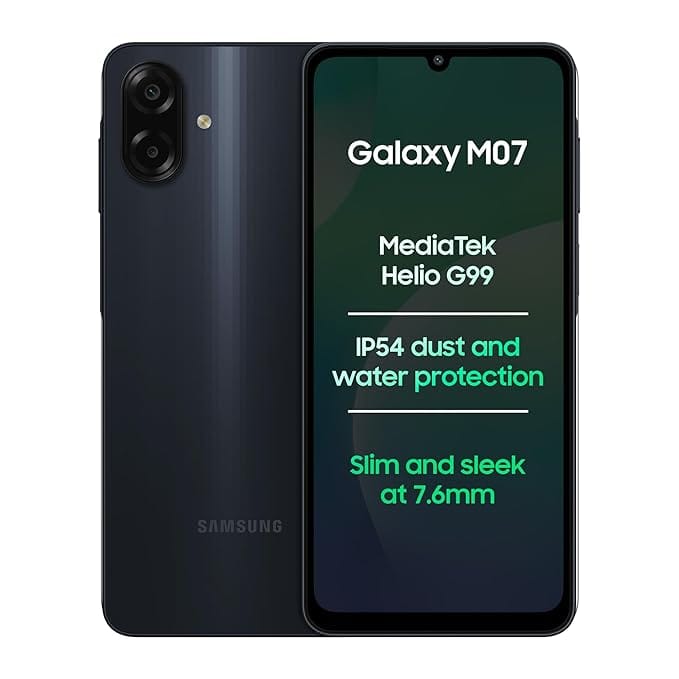
The Galaxy M07 serves as an ultra-accessible entry point into Samsung’s budget lineup. It focuses on delivering smooth essential performance with a dependable battery suited for light to moderate tasks. The interface remains clean and stable, making it ideal for users who prioritise simplicity, long standby time and reliable day-to-day usability without distractions.
Galaxy M17

The Galaxy M17 improves the baseline M-series formula with better optimisation, slightly enhanced performance and a more efficient battery profile. It is designed for everyday smartphone users who rely heavily on social apps, browsing and media streaming. The device maintains stable performance throughout the day, offering a predictable experience without unnecessary specifications.
Galaxy M36
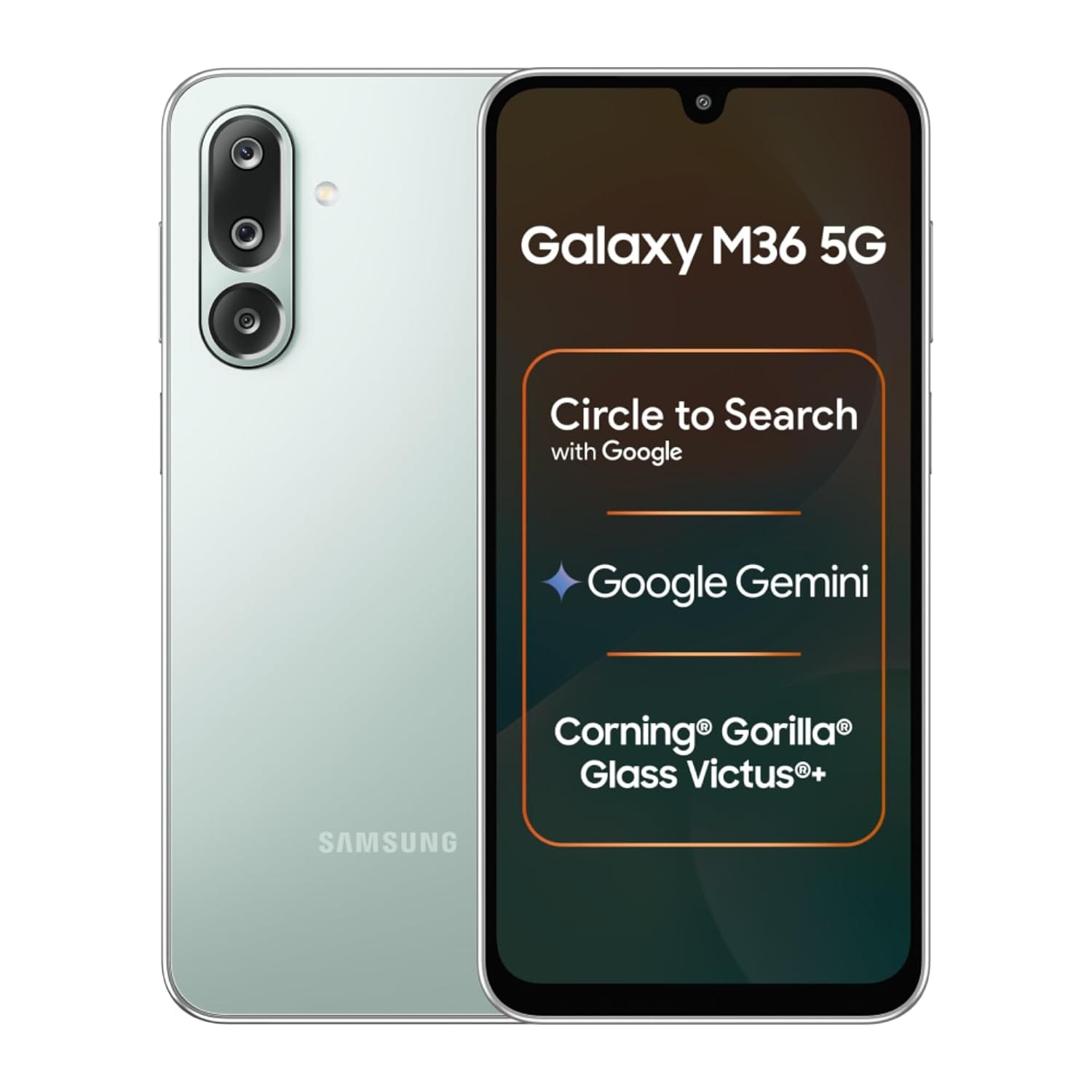
The Galaxy M36 stands as the most refined option in the M-series budget lineup. It combines strong battery life with noticeably smoother performance and improved thermal handling. The phone is built for users who want long screen time, stable multitasking and enhanced endurance during heavy social media usage or extended video sessions. Its reliable tuning makes it a practical upgrade for users seeking longevity and consistent performance within budget constraints.
Samsung’s F Series Budget Lineup Explained
Samsung’s F series is crafted specifically for the Indian online market, offering competitive pricing and essential performance optimised for practical everyday use. The F series mirrors many of the strengths seen in the M lineup but is priced more aggressively to appeal to online buyers. This series emphasises balanced hardware, large batteries and long-term update support, which together create strong value in the budget space.
Galaxy F06
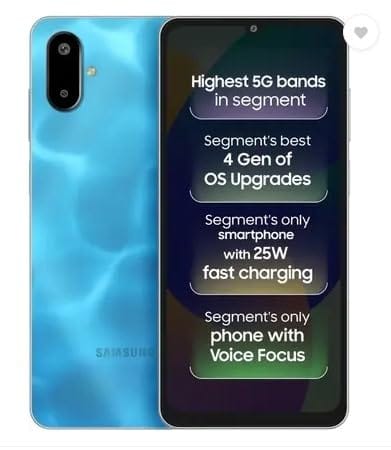
The Galaxy F06 is positioned as an entry-level online-exclusive model for users looking for affordable functionality without sacrificing reliability. It delivers smooth everyday usage through efficient optimisation, a clean software experience and a dependable battery. The device focuses on essential features that matter most to budget buyers, offering a practical balance between performance and value. Its lightweight interface and sustained battery efficiency make it an ideal starter smartphone for students and light users.
Galaxy F15
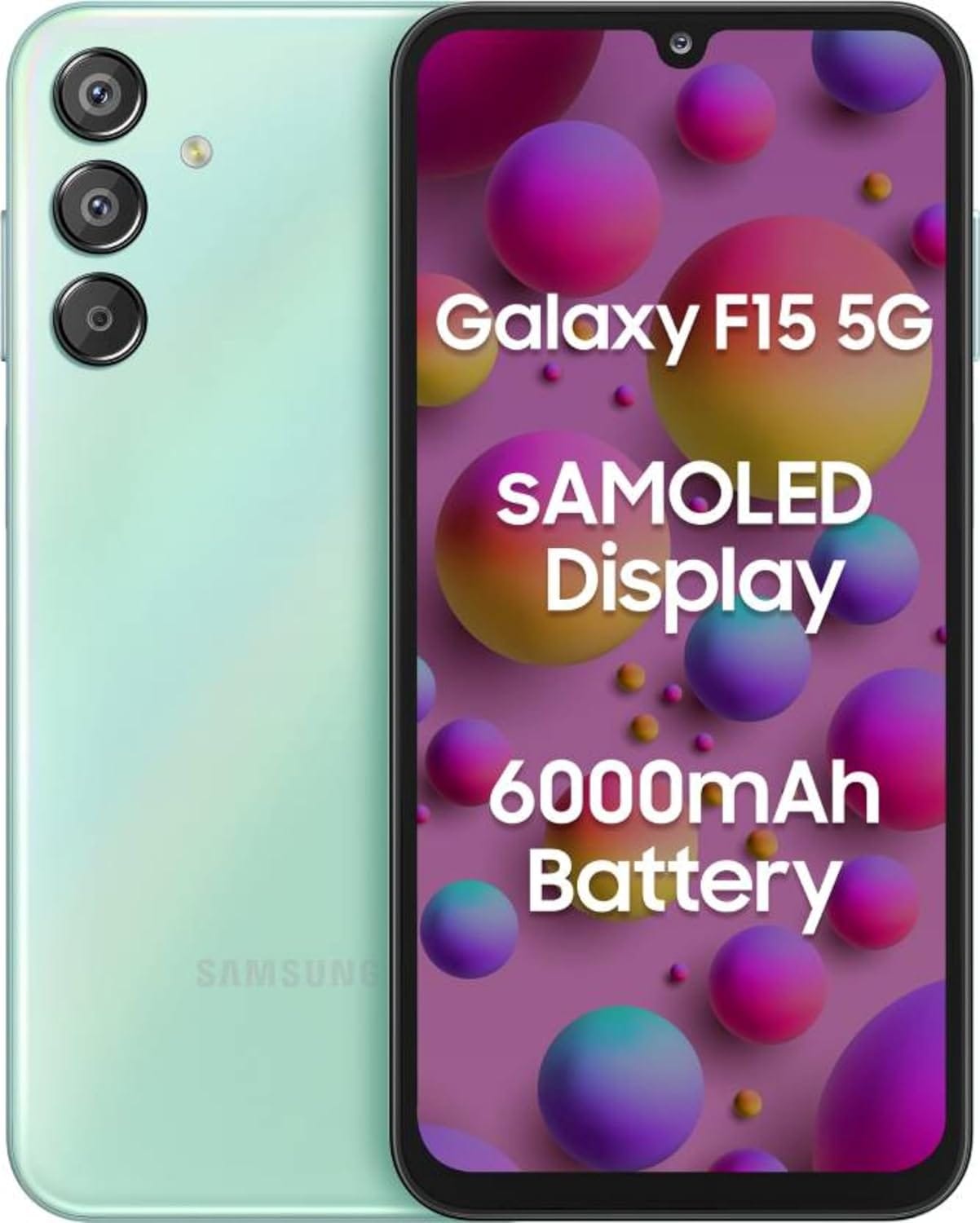
The Galaxy F15 adds improvements to software performance and battery optimisation, enhancing the device’s ability to manage multiple apps and offer smoother everyday usage. It retains Samsung’s focus on delivering accessible performance and a clean ecosystem experience.
Galaxy F17
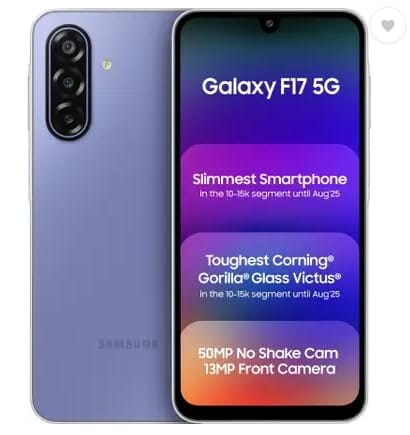
The Galaxy F17 strengthens the F series identity with a more refined design, brighter display and improved overall efficiency. It maintains Samsung’s emphasis on reliability while offering smoother responsiveness during daily tasks. The phone provides consistent performance for casual multitasking, social media usage and online browsing. Its camera system produces pleasing results suited for everyday photography. With its practical combination of battery life, clean software and controlled thermals, the F17 offers dependable value for online buyers seeking a reliable, well-balanced smartphone.
How Samsung’s Budget Phones Compare to Chinese Competitors
The competitive landscape in the Indian budget smartphone segment is shaped significantly by Chinese manufacturers including Xiaomi, Realme, Vivo and Oppo. These brands usually lead with specification heavy marketing that highlights high megapixel cameras, rapid charging speeds, bright high refresh rate displays and powerful processors at comparatively lower prices. On paper, these features appear more attractive than what Samsung offers in its budget range. However, the deeper differences become clear when evaluating real world performance and long term usability rather than immediate specification value.
Chinese devices tend to prioritise aggressive specification sheets that deliver strong initial performance, but this approach often introduces compromises elsewhere. Many users report that software consistency declines over time and that thermal control during extended usage is less reliable. Additional concerns arise in areas such as long term update support and interface cleanliness, where Chinese smartphones may introduce bloatware or irregular update cycles. This reflects a pattern where the devices perform impressively during the first few months but begin to show reduced fluidity due to throttling, battery degradation or inconsistent resource allocation.
Samsung takes a different path by focusing on long term stability and predictable performance rather than specification inflation. Samsung, by contrast, prioritises:
• Stable One UI performance
• Long-term security patches
• Predictable battery behaviour
• Thermal optimisation
• Minimal bloatware
• Reliable hardware longevity
This philosophy results in devices that may not always appear superior on spec sheets but maintain smoother and more dependable performance across several years of daily use. Many independent reviewers and long term users highlight this consistency as the primary reason behind Samsung’s sustained popularity in the budget segment.
In 2025, the difference between the two approaches becomes increasingly important for buyers. Chinese manufacturers excel in delivering immediate value that looks compelling at first glance, while Samsung continues to deliver sustained value through long term reliability. This contrast influences purchase decisions, particularly among users who prefer stability over rapid specification cycles.
A key point to recognise is that many Chinese budget smartphones have design shortcuts that are not always obvious at the time of purchase. These can include inconsistent thermal management, fragile internal components or software layers that slow down over time due to excessive background processes. Buyers are encouraged to look beyond initial specifications and instead consider long term software support, thermal behaviour and battery health. Understanding these hidden aspects ensures a more informed purchase decision and helps users choose a device that remains reliable well beyond the first year of ownership.
This philosophy aligns with observations from multiple technology reviews and user reports which highlight that although Samsung’s phones may not always look superior on paper, they often remain smoother and more stable in real-world usage after extended use.
Conclusion
Samsung’s budget smartphone lineup in 2025 continues to deliver structured, reliable and purpose-driven devices across the A, M and F series. Each series caters to a different set of user needs, from polished design and refined displays in the A series to exceptional battery endurance in the M series and competitive online pricing in the F series. When compared to Chinese competitors, Samsung’s strength lies not in aggressive specification battles but in delivering consistent daily performance, cleaner software, long-term support and predictable reliability. As Indian consumers grow more aware of long-term usability, Samsung’s balanced approach positions it strongly in the evolving budget smartphone landscape.






