This Is What Happened At CES 2026
An in depth exploration of CES, its origins, organisers and how CES 2026 showcased future consumer technologies globally today

TL;DR CES is a globally significant technology exhibition that reflects how consumer electronics evolve over time. Organised annually by the Consumer Technology Association, it serves as a platform where manufacturers, innovators and industry leaders present emerging technologies and long term visions. The event is known for highlighting early stage concepts, integrated ecosystems and shifts in how technology fits into everyday life. CES 2026 continued this tradition by focusing on artificial intelligence driven devices, smarter home appliances, advanced displays, robotics and connected mobility. While not all products reach every market immediately, CES shapes global technology direction, influencing design priorities, innovation strategies and future consumer expectations worldwide.
Introduction
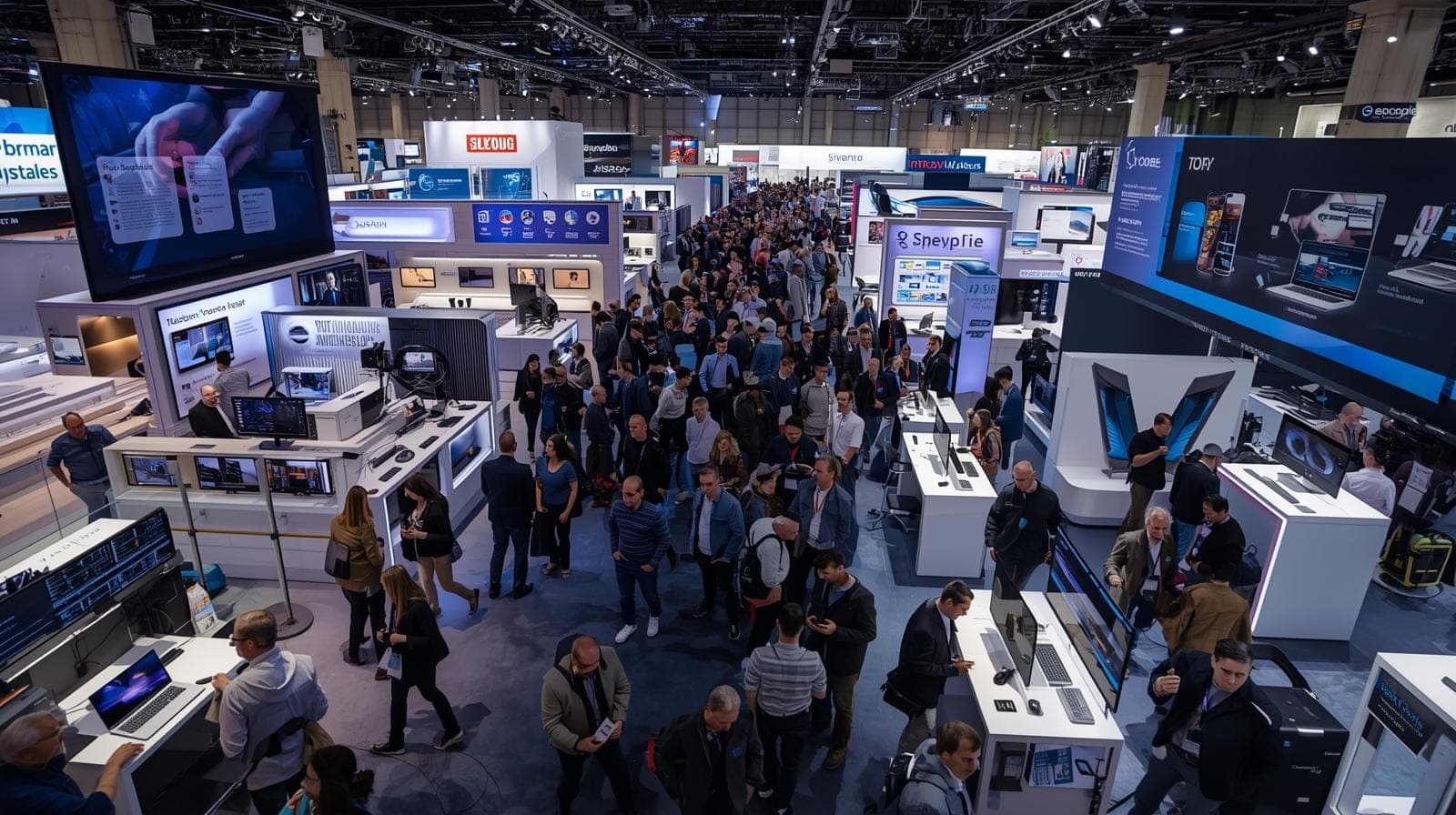
CES, short for Consumer Electronics Show, is one of the most influential technology exhibitions in the world, functioning as an annual snapshot of where consumer technology is heading. Held every January in Las Vegas, CES brings together manufacturers, engineers, software developers, policymakers, media and investors under one roof to present innovations that will shape the coming years. Unlike trade fairs that focus on finished retail products alone, CES often highlights early-stage concepts, platform-level technologies and strategic roadmaps that define long-term industry direction.
Over the decades, CES has evolved from a conventional electronics exhibition into a global innovation forum where hardware, software and services intersect. Smartphones, televisions, home appliances, vehicles, healthcare devices and artificial intelligence platforms now coexist within the same event, reflecting how consumer technology has become deeply interconnected. For markets like India, CES acts as an early indicator of trends that eventually influence product availability, pricing strategies and adoption cycles in the local ecosystem, even if the showcased products do not immediately launch domestically.
The Historical Evolution Of CES Over The Decades
CES was first held in 1967, at a time when consumer electronics largely meant televisions, radios and basic home appliances. Its original purpose was to create a focused venue where manufacturers could demonstrate innovation directly to retailers and distributors. Over time, as personal computing, mobile technology and digital media gained prominence, CES expanded both in scale and scope, gradually transforming into a global stage for breakthrough technologies rather than incremental upgrades.
The event has consistently mirrored broader shifts in the technology industry. The rise of personal computers in the 1980s, the dominance of home entertainment systems in the 1990s, the explosion of mobile devices in the 2000s and the emergence of connected ecosystems in the 2010s were all clearly visible at CES before becoming mainstream. This historical continuity gives CES a unique position, as it does not merely showcase products but documents the evolution of consumer technology itself, offering valuable context for understanding where future innovations are likely to emerge.
Why CES Is Considered One Of The Most Influential Tech Events?
CES is famous because it acts as a convergence point for innovation, strategy and global attention. Thousands of companies, ranging from early-stage startups to multinational corporations, use CES as a launchpad for ideas that may not yet be commercially mature but represent significant technological shifts. Media coverage from CES reaches every major market, ensuring that announcements made at the event shape public perception, investor confidence and competitive positioning throughout the year.
Another reason for CES’s influence lies in its breadth. Unlike events tied to a single brand or product category, CES covers nearly every segment of consumer-facing technology. This allows observers to identify cross-industry trends, such as the integration of artificial intelligence into appliances or the blending of automotive technology with consumer electronics. For Indian consumers and businesses, CES helps anticipate how global innovations will filter into local markets, affecting everything from smartphone capabilities to smart home adoption and manufacturing priorities.
Who Organises CES And How It Is Structured?
CES is organised by the Consumer Technology Association, a US-based industry body that represents a wide range of technology companies. The association’s role extends beyond event management, as it actively engages in policy advocacy, standards development and industry research. This institutional backing ensures that CES remains aligned with broader industry goals rather than being driven solely by marketing interests.
The structure of CES is intentionally decentralised, with exhibitions spread across multiple venues in Las Vegas. This allows different technology sectors to maintain distinct identities while still participating in a unified event. Keynotes, technical sessions, product showcases and closed-door meetings run simultaneously, creating an environment where business strategy, engineering insight and public communication intersect. This organisational complexity is one of the reasons CES continues to attract global participation at an unmatched scale.
The Role Of CES In Influencing Indian Technology Markets
Although CES is held in the United States, its impact on India is significant and long-lasting. Many technologies first introduced at CES eventually define global product standards that manufacturers adopt across regions, including India. Display technologies, smartphone components, battery innovations and artificial intelligence frameworks showcased at CES often influence the design decisions of products that reach Indian consumers one or two years later.
For Indian startups and enterprises, CES also serves as a benchmark for global competitiveness. Participation in CES allows Indian companies to showcase innovation on an international stage, attract partnerships and understand where global expectations are heading. Even for Indian consumers who may not see immediate launches of CES-announced products, the event shapes future pricing, feature prioritisation and the pace at which advanced technologies become accessible within the domestic market.
Key Technology Themes That Consistently Define CES
Each edition of CES highlights recurring themes that reflect broader technological shifts rather than isolated product launches. Artificial intelligence has become a central pillar, with AI now embedded across devices rather than confined to standalone platforms. Connectivity, particularly through faster wireless standards and integrated ecosystems, remains another defining theme, influencing everything from entertainment systems to healthcare devices.
Sustainability has also gained prominence at CES, with manufacturers focusing on energy efficiency, recyclable materials and longer product lifecycles. This thematic consistency helps industry observers distinguish between short-term experimentation and long-term transformation. For Indian policymakers and manufacturers, these themes provide insight into global expectations around compliance, efficiency and innovation, shaping domestic strategies in manufacturing and product development.
Major Announcements And Showcases At CES 2026
CES 2026 reinforced the event’s role as a preview of near-future consumer technology, with a strong emphasis on artificial intelligence integration, smarter appliances and immersive entertainment systems. Rather than focusing solely on raw performance improvements, many announcements highlighted how technology can adapt to user behaviour, reduce friction and operate more autonomously. The following section outlines some of the most notable product categories and devices showcased at CES 2026, each reflecting broader industry trends rather than isolated innovation.
AI Powered Smartphones And Personal Devices
Several smartphone manufacturers showcased devices designed around on-device artificial intelligence, focusing on privacy, real-time processing and contextual awareness. These smartphones demonstrated advanced language processing, adaptive photography and intelligent power management without relying heavily on cloud infrastructure. The emphasis was on making AI feel invisible yet essential, enhancing everyday tasks rather than introducing complexity. Such developments signal a future where smartphones function as proactive assistants rather than reactive tools, a shift likely to influence mid-range and premium devices entering the Indian market in the coming years.
Next Generation Televisions And Display Technologies
Television manufacturers at CES 2026 focused on display realism and energy efficiency rather than dramatic increases in resolution. New panel technologies showcased improved contrast, reduced power consumption and better performance in varied lighting conditions. AI-driven upscaling and content adaptation were central themes, allowing televisions to optimise picture quality based on viewing environment and content type. These advancements suggest that future televisions will prioritise visual comfort and long-term usability, aligning well with Indian households where televisions often remain in use for many years.
Smart Home Appliances Redefined
Home appliance manufacturers used CES 2026 to demonstrate how artificial intelligence can transform everyday household devices into adaptive systems. Refrigerators, washing machines and air conditioners showcased predictive maintenance, usage optimisation and personalised operation modes. Rather than promoting connectivity for its own sake, these appliances focused on reducing energy consumption and simplifying user interaction. For India, where energy efficiency and durability are critical purchasing factors, such innovations could significantly influence future appliance design and adoption.
Robotics And Automation Innovations
Robotics at CES 2026 moved beyond novelty, with practical applications in home assistance, elder care and logistics taking centre stage. The showcased robots emphasised reliability, safety and contextual awareness rather than humanoid appearance. Many demonstrated the ability to navigate complex environments, perform repetitive tasks and interact naturally with users. These developments indicate a gradual shift toward robots as functional household and service tools, though widespread adoption in India will depend on affordability and cultural acceptance.
Automotive Technology And Mobility Concepts
Automotive showcases at CES 2026 highlighted the convergence of vehicles and consumer electronics. Software-defined vehicles, advanced driver assistance systems and immersive in-car entertainment platforms were key areas of focus. Manufacturers emphasised modular upgrades and long-term software support rather than purely mechanical improvements. This approach aligns with global trends toward connected mobility and could influence how vehicles are designed and marketed in India, particularly as electric and hybrid adoption continues to grow.
Wearable Technology And Digital Health
Wearable devices at CES 2026 focused on health monitoring accuracy and long-term data relevance. Instead of adding more sensors indiscriminately, manufacturers showcased improved algorithms that provide meaningful insights into sleep, stress and physical activity. Integration with broader healthcare systems was also emphasised, suggesting a future where wearables act as early warning tools rather than simple fitness trackers. Such developments could play a significant role in India’s evolving digital health ecosystem.
The Broader Impact Of CES 2026 On Global Innovation
CES 2026 demonstrated that consumer technology is entering a phase of refinement rather than disruption for its own sake. The emphasis on reliability, contextual intelligence and sustainability suggests a maturing industry that prioritises long-term value over rapid obsolescence. This shift is particularly relevant for markets like India, where consumers increasingly demand durability, meaningful features and transparent value.
By highlighting how technologies can integrate seamlessly into daily life, CES 2026 reinforced its role as a strategic compass for the global technology industry. While not every showcased product will reach Indian shelves, the ideas and priorities presented at CES will shape design decisions, pricing strategies and innovation roadmaps that ultimately influence the Indian consumer experience over the coming decade.
Conclusion
CES remains relevant not because it predicts the future with certainty, but because it captures the direction in which the industry is collectively moving. Its ability to bring together diverse technologies under a single narrative makes it an essential reference point for understanding consumer electronics at a systemic level. For Indian consumers, businesses and policymakers, CES offers valuable insight into upcoming trends that will gradually define local technology landscapes.
As consumer expectations evolve and technology becomes more deeply embedded in everyday life, CES will continue to serve as a mirror reflecting both ambition and responsibility within the global technology ecosystem. Its role as a bridge between innovation and real-world application ensures that CES remains a cornerstone event in shaping how technology is imagined, developed and eventually adopted worldwide.
Ready to upgrade your tech?
Browse our collection of quality refurbished products at unbeatable prices.