Sony PlayStation VR2 (PSVR2) Review: Next-Gen Virtual Reality for PS5 Gamers
Discover the Sony PlayStation VR2 (PSVR2) for PS5. Detailed review covering 4K OLED display, eye tracking, Sense controllers, gameplay experience, pros & cons, and overall verdict.

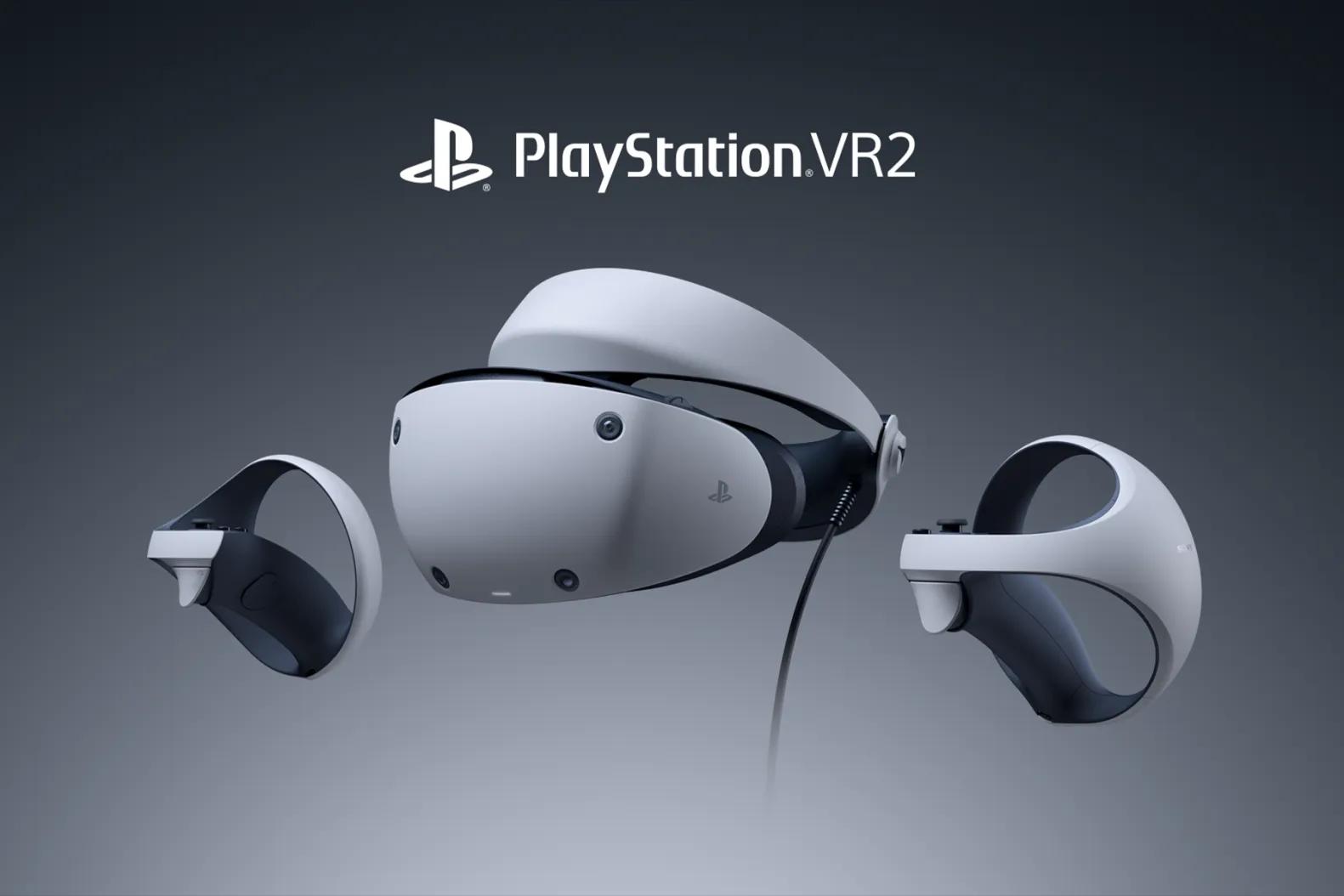
TL;DR The Sony PlayStation VR2 continues to remain one of the strongest premium virtual reality headsets because it combines 4K HDR OLED visuals, advanced eye tracking, adaptive Sense controllers, headset haptics, inside-out tracking, and deeply immersive PlayStation 5 integration into a highly refined gaming-focused VR ecosystem. Unlike standalone VR systems that prioritize portability over graphical fidelity, the PSVR2 focuses heavily on cinematic AAA gaming experiences powered directly by PlayStation 5 hardware. Combined with titles such as Horizon Call of the Mountain, Gran Turismo 7 VR, and Resident Evil Village VR, the PSVR2 delivers one of the most immersive next-generation gaming experiences currently available for console players seeking premium virtual reality performance.
Why Virtual Reality Gaming Is Becoming More Mainstream
Virtual reality gaming has evolved significantly because modern VR hardware now delivers substantially sharper visuals, lower latency, smoother motion tracking, and more immersive interaction systems compared to earlier generations of VR technology. Older VR systems often struggled with blurry displays, complicated setup requirements, and limited software support, which prevented mainstream adoption. Modern headsets such as the PSVR2 dramatically improve these areas.
Another important factor is the growing demand for immersive entertainment because gamers increasingly want experiences that feel physically interactive instead of remaining limited to traditional screen-based gameplay. VR introduces depth perception, motion-based interaction, spatial audio, and environmental immersion that conventional gaming setups cannot replicate fully. This creates a dramatically different level of engagement during gameplay.
The PlayStation VR2 especially benefits because it combines console simplicity with advanced premium VR technologies that previously existed mostly in expensive PCVR ecosystems. Sony’s approach lowers the complexity barrier significantly for users wanting high-quality virtual reality gaming without managing complicated PC hardware configurations. This makes premium VR substantially more accessible for console gamers.
Sony PlayStation VR2 Specifications
| Feature | Specification |
|---|---|
| Display | Dual OLED Panels |
| Resolution | 2000 × 2040 per eye |
| HDR Support | Yes |
| Refresh Rate | 90Hz / 120Hz |
| Field of View | Approximately 110 degrees |
| Tracking System | Inside-out tracking |
| Eye Tracking | Supported |
| Controllers | PlayStation VR2 Sense Controllers |
| Haptic Feedback | Headset and controller haptics |
| Connectivity | Single USB-C cable |
| Audio | Tempest 3D Audio support |
| Compatibility | PlayStation 5 only |
| Approximate Price | ₹55,000 to ₹60,000 |
The specifications clearly show why the PSVR2 competes strongly against premium VR hardware because Sony focuses heavily on display quality, immersion technologies, tracking precision, and console integration instead of standalone portability alone. Features such as OLED HDR visuals, eye tracking, and adaptive haptics dramatically improve immersion during gameplay. This creates a significantly more cinematic VR experience overall.
Another important factor is simplified setup because the single USB-C connection eliminates the complicated breakout boxes and excessive cable management associated with older VR systems. Players can therefore transition into VR gaming much more quickly without dedicating large setup spaces or configuring external sensors constantly. Convenience improves practical usability substantially.
Design and Build Quality
The PlayStation VR2 adopts a sleek futuristic design language that closely matches the PlayStation 5 ecosystem with cleaner aesthetics, smoother contours, and balanced weight distribution. Compared to first-generation console VR systems, the PSVR2 feels significantly more refined during prolonged gameplay sessions because the headset distributes pressure more evenly across the head. This improves comfort substantially during extended VR usage.
Sony also improved ventilation and internal ergonomics compared to earlier VR hardware generations. The lighter structure and cushioned facial interface reduce discomfort while helping maintain immersion during longer gaming sessions. This becomes especially important for players transitioning from older heavier VR systems. Better ergonomic balance therefore improves long-term usability considerably.
Another important factor is cable management because the PSVR2 simplifies connectivity dramatically through a single USB-C cable connected directly to the PlayStation 5. Older VR systems often required multiple wires, breakout units, and complicated camera setups that created unnecessary friction during daily usage. Sony’s simplified approach therefore improves accessibility significantly for first-time VR users.
4K HDR OLED Visual Experience
The dual OLED HDR panels remain one of the strongest features of the PlayStation VR2 because the 2000 × 2040 resolution per eye dramatically improves sharpness, immersion, and visual realism compared to older VR headsets. Dark scenes appear significantly richer because OLED technology produces deeper blacks and stronger contrast during gameplay. This dramatically improves cinematic immersion in horror, racing, and action games.
The higher refresh rate modes at 90Hz and 120Hz also help reduce motion blur and improve movement smoothness during gameplay. Smoother frame delivery becomes especially important in VR environments because lower refresh rates can increase discomfort and reduce immersion during prolonged sessions. The PSVR2 therefore feels substantially more comfortable compared to older-generation VR systems.
Another important factor is the reduction of the screen-door effect because earlier VR systems often revealed visible pixel grids that reduced immersion significantly. The sharper OLED implementation on the PSVR2 minimizes this issue heavily, making virtual environments feel cleaner and more natural during gameplay. Visual clarity therefore becomes one of the headset’s biggest long-term strengths.
Why OLED Displays Matter So Much in VR
OLED displays matter heavily in virtual reality because VR environments place the display extremely close to the user’s eyes. Weak contrast, poor black levels, or visible pixelation become much more noticeable inside VR compared to conventional televisions or monitors. High-quality OLED panels therefore improve immersion dramatically.
The PlayStation VR2 especially benefits from HDR support because lighting effects, environmental shadows, reflections, and darker scenes appear much more realistic during gameplay. Horror titles and cinematic experiences therefore feel significantly more immersive and visually intense. Better visual realism directly improves emotional engagement during VR gaming.
Another important factor is visual comfort because stronger contrast and smoother motion handling reduce eye fatigue during prolonged gaming sessions. Players spending several hours inside VR environments therefore benefit substantially from the PSVR2’s higher-quality display implementation. Comfort becomes a major advantage during extended gameplay.
Eye Tracking and Foveated Rendering
Eye tracking remains one of the most advanced features of the PSVR2 because the system intelligently tracks where the player is looking inside virtual environments. This allows the headset to apply foveated rendering, which increases graphical detail where the user focuses while reducing unnecessary rendering load in peripheral areas. This dramatically improves performance efficiency without visibly reducing image quality.
The technology also improves immersion because gameplay interactions such as aiming, menu navigation, and environmental interaction can respond naturally to eye movement. This creates a more futuristic and intuitive VR experience compared to traditional controller-only interaction systems. Eye tracking therefore becomes one of the biggest next-generation advancements in consumer VR gaming.
Another important factor is GPU optimization because foveated rendering helps the PlayStation 5 allocate rendering resources much more efficiently during demanding VR scenes. This allows developers to deliver more visually detailed environments while maintaining smoother frame rates. Better rendering efficiency therefore improves overall gameplay quality significantly.
Inside-Out Tracking and Simpler Setup
The PSVR2 uses inside-out tracking through integrated cameras built directly into the headset, eliminating the need for external cameras or dedicated room sensors. This dramatically simplifies setup because users no longer need to position separate tracking hardware around their gaming environment. Plug-and-play usability therefore improves substantially.
Tracking accuracy remains highly dependable during action-heavy VR games involving shooting, racing, climbing, and fast movement because the system continuously maps both player motion and controller positioning in three-dimensional space. This helps maintain immersion without excessive tracking instability or interruptions during gameplay. Sony’s implementation performs strongly overall.
Another important factor is accessibility because reducing setup complexity lowers the barrier for first-time VR users substantially. Older VR systems often felt intimidating because of sensor placement, calibration procedures, and cable management requirements. The PSVR2 therefore feels much more beginner-friendly during initial setup and daily usage.
Sense Controllers and Haptic Feedback
The PlayStation VR2 Sense controllers remain one of the headset’s strongest immersion features because they incorporate adaptive triggers, advanced haptic feedback, and finger touch detection technologies inspired by the PlayStation 5 DualSense controller. These technologies make VR interactions feel significantly more physical and realistic during gameplay. This dramatically improves player immersion overall.
Adaptive triggers especially enhance gameplay because actions such as pulling bowstrings, firing weapons, climbing, or interacting with objects create varying resistance sensations depending on the environment and gameplay context. This adds tactile realism that conventional VR controllers often lack. The Sense controllers therefore feel substantially more advanced than older-generation VR hardware.
Another important factor is headset haptics because subtle vibrations inside the headset itself add environmental feedback during gameplay moments such as explosions, impacts, nearby movement, or environmental effects. While subtle, these additions improve physical immersion significantly during cinematic VR experiences. Sony’s haptic ecosystem therefore remains one of the PSVR2’s biggest differentiators.
Audio Experience and Spatial Immersion
The PlayStation VR2 benefits heavily from the PlayStation 5 Tempest 3D Audio engine because spatial sound dramatically improves environmental immersion during VR gameplay. Footsteps, environmental effects, dialogue direction, and combat audio feel significantly more realistic when positioned accurately in three-dimensional space. Audio therefore becomes a critical component of the overall VR experience.
Horror games especially benefit from 3D audio because directional sound dramatically increases tension and environmental awareness during gameplay. Racing simulators, shooters, and exploration-heavy games also feel substantially more immersive because players can detect sound sources naturally around them. Better audio positioning therefore improves gameplay realism considerably.
Another important factor is compatibility because users can choose between bundled stereo earbuds or higher-quality personal audio devices depending on their preferences. This flexibility allows players to optimize comfort and immersion more effectively during extended gaming sessions. Audio customization therefore improves overall usability substantially.
Gameplay Experience and VR Titles
The real strength of the PlayStation VR2 appears during gameplay because Sony already supports several high-profile VR titles specifically optimized for the hardware capabilities of the headset. Games such as Horizon Call of the Mountain, Resident Evil Village VR, and Gran Turismo 7 VR demonstrate the headset’s ability to deliver cinematic next-generation immersion. These experiences feel substantially more advanced than earlier console VR generations.
Gran Turismo 7 VR especially showcases how effective VR becomes for racing simulations because head tracking, cockpit visibility, spatial awareness, and environmental depth dramatically improve realism during gameplay. Horror titles such as Resident Evil Village VR also feel significantly more intense because of the stronger visual immersion and spatial audio capabilities. The PSVR2 performs exceptionally well during cinematic experiences.
Another important factor is long-term developer support because VR adoption continues growing globally, encouraging developers to optimize more AAA gaming experiences specifically for modern VR hardware. Sony’s investment in premium console VR therefore positions the PSVR2 strongly for future gaming ecosystems. Continued software growth remains highly important for long-term value.
Comfort and Long Gaming Sessions
Comfort remains one of the biggest improvements of the PlayStation VR2 compared to earlier VR systems because the headset distributes weight more evenly while reducing excessive front-heavy pressure during prolonged sessions. Players therefore experience less fatigue during longer gameplay periods. This dramatically improves overall usability for frequent VR users.
The adjustable straps, cushioned facial interface, and interpupillary distance adjustments also improve compatibility across different users. Glasses wearers especially benefit from improved spacing and lens flexibility compared to older VR hardware generations. Better ergonomic adaptability therefore increases accessibility significantly.
Another important factor is reduced motion discomfort because higher refresh rates, improved tracking precision, and stronger display quality help minimize nausea and motion sickness for many users. Although VR sensitivity still varies individually, the PSVR2 generally performs much better than first-generation consumer VR systems. Comfort improvements therefore remain one of the headset’s biggest practical advantages.
PSVR2 vs Other VR Headsets
| VR Headset | Main Strength | Best For |
|---|---|---|
| PSVR2 | AAA console VR gaming | PlayStation 5 users |
| Meta Quest 3 | Standalone portability | Casual VR and mixed reality |
| Apple Vision Pro | Productivity and mixed reality | Premium ecosystem users |
| High-End PCVR | Maximum customization | Advanced PC enthusiasts |
The comparison clearly shows why the PSVR2 occupies a unique position inside the VR market because it focuses heavily on high-end gaming immersion while maintaining console simplicity. Standalone VR headsets prioritize portability and convenience, while PCVR systems emphasize customization and raw flexibility. Sony instead balances premium gaming immersion with straightforward usability extremely well.
Another important factor is hardware optimization because the PlayStation 5 and PSVR2 ecosystem are tightly integrated specifically for VR gaming workloads. This allows developers to optimize performance much more efficiently compared to fragmented PC hardware ecosystems. Better optimization therefore improves gameplay consistency substantially.
Why the PlayStation VR2 Still Represents One of the Best Premium VR Gaming Experiences
The most important takeaway is simple, the PlayStation VR2 remains one of the strongest premium VR headsets because it combines OLED HDR visuals, advanced eye tracking, adaptive haptics, high-quality motion tracking, and cinematic PlayStation 5 integration into one highly polished virtual reality ecosystem. Instead of prioritizing portability alone, Sony focuses heavily on immersive AAA gaming experiences with console-level simplicity and stronger visual fidelity. This dramatically improves long-term gaming immersion.
The combination of Horizon Call of the Mountain, Gran Turismo 7 VR, Resident Evil Village VR, and future AAA VR titles especially helps the PSVR2 stand out because these experiences showcase the headset’s ability to deliver premium next-generation gameplay impossible to replicate fully on traditional screens. The adaptive Sense controllers and headset haptics also significantly deepen immersion during gameplay. Sony’s ecosystem therefore feels highly cohesive overall.
At the same time, buyers should understand that the PSVR2 primarily targets PlayStation 5 owners seeking premium gaming-focused VR experiences instead of standalone mixed-reality productivity workflows or lightweight portable VR usage. Users prioritizing mobility and standalone convenience may still prefer portable alternatives. However, for gamers wanting one of the strongest console-based VR experiences currently available with cinematic visuals and advanced immersion technologies, the PlayStation VR2 remains an exceptional premium investment.
Frequently Asked Questions
Q. Does the PlayStation VR2 work without a PlayStation 5?
No, the PlayStation VR2 is designed exclusively for the PlayStation 5 ecosystem and cannot function as a standalone VR headset. The headset depends directly on PlayStation 5 hardware for rendering and gameplay processing. A PS5 console is therefore mandatory for usage.
Q. What makes the PSVR2 different from the original PlayStation VR?
The PSVR2 introduces major upgrades such as 4K HDR OLED displays, eye tracking, adaptive Sense controllers, headset haptics, inside-out tracking, and simplified USB-C connectivity. These improvements dramatically enhance immersion, setup convenience, and gameplay quality compared to the original PSVR generation.
Q. Is the PlayStation VR2 good for long gaming sessions?
Yes, the PSVR2 is significantly more comfortable than earlier VR systems because it uses balanced weight distribution, adjustable straps, improved cushioning, and better ergonomic design. Higher refresh rates and improved display quality also help reduce motion discomfort during longer sessions. Comfort therefore remains one of its strongest advantages.
Q. Does the PSVR2 support 4K gaming visuals?
The PSVR2 uses dual OLED HDR panels with 2000 × 2040 resolution per eye, delivering near-4K-quality immersive VR visuals specifically optimized for virtual reality gaming experiences. OLED contrast and HDR support also improve realism dramatically during gameplay. Visual quality remains one of the headset’s biggest strengths.
Q. Can you watch movies and streaming content on PSVR2?
Yes, users can watch supported cinematic content and compatible media applications through the PlayStation 5 while using the PSVR2 headset. Virtual theater-style viewing significantly improves immersion during movie and streaming experiences. Multimedia usability therefore extends beyond gaming alone.
Q. Is the PlayStation VR2 worth buying?
Yes, the PlayStation VR2 remains one of the strongest premium VR gaming headsets because it combines OLED HDR visuals, advanced haptics, eye tracking, strong AAA game support, and immersive console integration into a highly polished ecosystem. It especially suits PlayStation 5 users seeking cinematic next-generation virtual reality gaming experiences.
Ready to upgrade your tech?
Browse our collection of quality refurbished products at unbeatable prices.