Samsung Galaxy's All New S26 Series: Expectations And Analysis
A comprehensive analysis of the Samsung Galaxy S26 series expectations and its potential flagship standing in a competitive smartphone landscape.

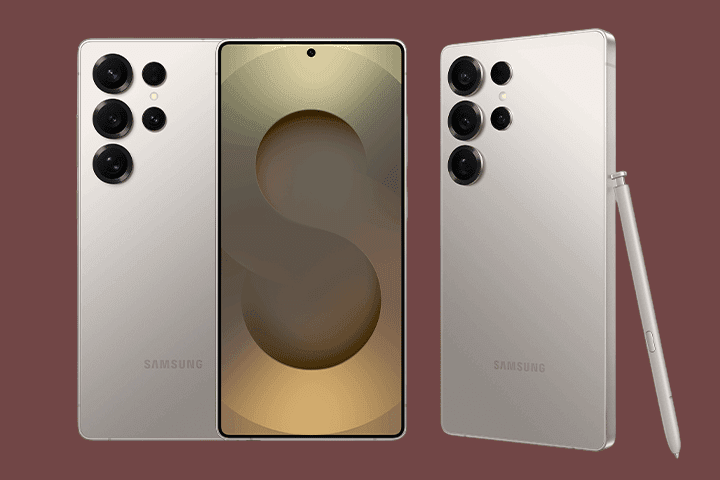
TL;DR The Samsung Galaxy S26 series is emerging as a pivotal flagship lineup for Samsung with moderate upgrades over the Galaxy S25, ongoing debates about downgrades in certain areas, and significant industry buzz around its new Exynos 2nm architecture. As expectations mount ahead of its early 2026 launch, potential buyers are weighing what they can realistically expect from the series, how it compares to the preceding Galaxy S24 and S25 models, and whether it can maintain flagship dominance amid increasingly competitive offerings from Chinese manufacturers and Apple’s iPhone 17 Pro Max. Rumoured enhancements include refined camera systems, faster RAM, new software features concealed in One UI 8.5, design refinement, and potential accessory ecosystem improvements, while some anticipated upgrades appear modest, such as charging speeds and chipset distribution strategy. The discourse around the Exynos 2600 chipset reflects both performance hope and scepticism, especially in regions where Snapdragon remains dominant. Ultimately, the S26 series may represent evolutionary improvements rather than a revolutionary leap, but Samsung’s integrated ecosystem, display innovations, and sustained support could still position it among the most compelling Android flagships on the market.
Introduction
The smartphone industry inevitably moves forward with each generation carrying expectations of significant leaps in performance, design and user experience. The Samsung Galaxy S26 series, rumoured to launch in early 2026, finds itself at the centre of intense speculation, debate and anticipation. As enthusiasts, analysts and prospective buyers look for signs of innovation, performance and refinement, the narrative around Samsung’s next flagship devices is already being shaped well before their official announcement.
In this expansive analysis, we examine what the Galaxy S26 series might bring to the table compared with its predecessors, the S24 and S25 generations. We explore the areas where perceived downgrades or modest upgrades may disappoint or underwhelm, what buyers can realistically expect from features and performance, and the strong rumour mill surrounding the Exynos 2600 chipset based on a 2nm semiconductor process. We also assess whether the Galaxy S26 lineup can still be considered the premier Android flagship in a landscape where Chinese brands are rapidly advancing, and we address why some consumers may still prefer this series over the Apple iPhone 17 Pro Max.
Samsung Galaxy flagship series have always set benchmarks in mobile technology, blending hardware performance with software sophistication. With the S26 family, this tradition is under scrutiny, with rumours pointing both to subtle refinements and contentious choices around processors and specifications that some might view as downgrades rather than upgrades.
Evolution From Galaxy S24 To S25 And Now S26
When assessing the evolution of the Samsung Galaxy S series, it is instructive to trace how the flagship characteristics have changed over the past two generations, leading up to what we believe the S26 series will represent. The Galaxy S24 series brought meaningful refinements to design, performance and camera capabilities when it was introduced. That generation integrated powerful Snapdragon and Exynos processor variants across regions and emphasised a premium display and AI-enhanced software features. The Galaxy S24 maintained Samsung’s strong identity among Android flagships and sought to push user experiences forward in meaningful ways.
The following year, the Galaxy S25 series was launched with incremental enhancements rather than sweeping transformations. The S25 Ultra continued to champion photography prowess with its large 200 megapixel main sensor paired with multiple auxiliary cameras and computational enhancements. Memory configurations and performance targets were tweaked to ensure fast and responsive operation across demanding tasks, while storage options grew and software became more central to the user experience. Features carried over from the S24 were refined further with the S25, but many observers noted that the advancements were evolutionary rather than revolutionary.
Anticipation for the Galaxy S26 series is thus framed not just by the promise of the next flagship but also by how Samsung manages expectations around real improvements over its predecessors. In some areas, leaks and reports indicate tangible upgrades, such as improved RAM speeds and potential new display or camera refinements. In other areas, expectations appear subdued, with rumours suggesting that certain specifications may carry forward from the S25 with minimal change, or even face perceived regression in context with competitors.
One illustrative example is wireless charging and battery capabilities. Reports indicate that the S26 Ultra might offer faster wired charging than last year’s model, but the specific figures and consistency across markets are still uncertain. Some leaks suggest support for 60W fast charging, which could be a modest improvement over previous generations, but it is not a dramatic leap that would fundamentally redefine user expectations around charging performance.
Similarly, camera upgrades may centre around subtle improvements in aperture, light sensitivity and computational photography enhancements rather than wholesale overhauls of sensor architecture. The core camera setup on the S26 series, especially on Ultra variants, is expected to retain the high-resolution sensors that Samsung has been known for, but the degree of innovation in actual image processing and output quality remains a topic of speculation.
These evolutionary shifts underscore an ongoing challenge for flagship smartphones: balancing meaningful innovation with stability and cost control, especially as hardware components such as high-speed RAM and advanced processors become increasingly central to performance narratives.
What Can People Expect From The Samsung Galaxy S26 Series
As the Galaxy S26 series draws closer to its anticipated launch, rumoured features and design refinements are emerging to give consumers some sense of what they might expect when Samsung officially unveils the new line. One significant thread of speculation revolves around improvements in RAM and memory technology. Reports suggest that the S26 series could adopt the latest generation of ultra-fast LPDDR5X RAM running at speeds up to 10.7 gigabits per second, a notable increase from the RAM speeds featured in the S25 lineup. This enhancement would likely contribute to smoother multitasking, better responsiveness in memory-intensive applications, and potentially improved performance in demanding scenarios such as gaming or large file manipulation.
Aside from memory, the display and industrial design of the S26 series are believed to continue Samsung’s tradition of premium screen technology. A higher-quality dynamic AMOLED panel with high refresh rates, improved brightness and refined curvature or edge design are often cited among leaked expectations. Although these refinements may appear incremental rather than revolutionary, they align with a broader industry trend of focusing on display quality and user interaction as central differentiators in the flagship market.
The camera system remains another focal point for expectations. Leaks indicate that the Galaxy S26 Ultra is likely to retain the impressive 200 megapixel main sensor from the previous generation, possibly with an even wider aperture to enhance low-light performance and overall imaging capabilities. Complementary cameras such as wide-angle and telephoto sensors are also likely to play an important role in making the device a powerful tool for photography enthusiasts.
What this suggests is a continuation of Samsung’s strategy of balancing hardware excellence with sophisticated software algorithms that take advantage of the considerable processing power at their disposal. The interplay between advanced hardware and intelligent software processing is a hallmark of modern flagship phones, and the S26 series is poised to further embed this approach.
Software enhancements are also expected in the Galaxy S26 series, potentially debuting with user interface and feature refinements hidden in the latest One UI 8.5 builds. These might include improved AI-assisted notification summaries, redesigned quick settings panels for better user navigation, and cross-device workflows that align with broader ecosystem integration. Such features often emerge under the surface ahead of official releases and indicate a growing emphasis on software continuity and usability rather than purely hardware shenanigans.
Accessories and ecosystem support represent another area where the S26 series could differentiate itself. Rumoured adoption of the Qi2 wireless charging standard with a comprehensive set of magnetic accessories, including new protective cases, magnetic mounts, and even a magnetic wireless battery pack, signals an effort to broaden the functional ecosystem surrounding these flagship phones. These peripherals might offer enhanced convenience and utility but are likely to be more incremental adjustments rather than groundbreaking innovations.
Underpinning much of this discussion is the reality that flagship smartphones are converging on a point where technological ceilings are not easily or dramatically surpassed each year. Progressive enhancements, refinements in optimisation, and greater ecosystem cohesion are the kinds of advancements most often delivered at this stage of maturity, and the Galaxy S26 series seems to fit within this narrative.
The Buzz About The Exynos 2nm Architecture And Its Implications
Among the myriad topics surrounding the Samsung Galaxy S26 series, one of the most polarising is the question of which processors will power the lineup. Traditionally, Samsung has alternated between its own Exynos chips and Qualcomm’s Snapdragon silicon across markets. The anticipation around the Exynos 2600 chip, reportedly based on a 2nm fabrication process, has generated substantial discussion in tech circles.
The appeal of a 2nm architecture in semiconductor design generally lies in the potential for greater energy efficiency and performance per watt. A more advanced transistor density can theoretically enable higher clock speeds and better power management, benefiting both day-to-day responsiveness and sustained performance under load. Early leaks and rumours have hinted that Exynos 2600 might deliver competitive benchmark results and a respectable performance profile compared with Snapdragon offerings.
However, it is important to contextualise these claims with caution. Samsung’s Exynos chips have historically faced criticism over performance and thermal efficiency when compared with equivalent Qualcomm Snapdragon counterparts. Users in markets that received Exynos variants of previous Galaxy flagships often reported higher operating temperatures and lower sustained performance levels, overshadowing the theoretical advantages of the silicon design. Rumours suggest Samsung might limit the distribution of the Exynos 2600-powered models to select regions such as South Korea, while the majority of global markets would still receive Snapdragon-equipped versions. This distribution strategy reflects corporate caution around global perception of Exynos performance relative to Snapdragon counterparts.
Beyond raw performance, the presence of Exynos chips has implications for consistency of user experience across markets. A single global chipset strategy simplifies optimisation of software, thermals and long-term support. Diverging chip configurations based on region complicate these factors, sometimes leading to fragmented performance metrics and inconsistent user feedback. Rumours of restricted Exynos deployment in the S26 family may therefore be a strategic response to past criticisms and market realities.
Ultimately, the intrigue around a 2nm Exynos chipset speaks to broader trends in semiconductor competition and the pursuit of power efficiency gains. If Samsung can deliver on a 2nm architecture that matches or even approaches the performance of Qualcomm’s chips, it could reshape perceptions around Exynos silicon. However, until official benchmarks and user reviews become available, such possibilities remain speculative.
Will The Samsung Galaxy S26 Series Still Be The Best Android Flagship Amidst Chinese Competition?
The flagship Android phone landscape in 2025 and beyond has become fiercely competitive, with Chinese manufacturers such as Xiaomi, OnePlus, Oppo and others investing heavily in performance, camera systems, display technologies and value-driven pricing. These brands have narrowed the gap with established leaders while introducing features that challenge traditional flagship offerings.
In this context, the Samsung Galaxy S26 series must demonstrate not just incremental improvements over its predecessors but also compelling reasons for enthusiasts and mainstream buyers to remain loyal to the brand. Competitive pressures manifest in multiple dimensions, from raw performance benchmarks to innovative camera features, aggressive pricing strategies, and ecosystem integration that goes beyond a single smartphone.
Chinese flagship phones are often praised for delivering cutting-edge performance and advanced specifications at more accessible price points. These devices routinely feature high-refresh-rate displays, fast charging technologies, sophisticated camera systems and robust software support. As markets evolve and consumer expectations shift, Samsung’s primary advantage has traditionally been its holistic integration of hardware, software and ecosystem services that deliver a cohesive user experience, particularly for users embedded across multiple device categories.
However, the Galaxy S26 series faces questions about how significantly it pushes the envelope on these fronts. With rumours of modest charging improvements, incremental camera refinements and the debated presence of an Exynos chipset in some regions, Samsung’s flagship may be perceived as evolutionary rather than revolutionary. The brand’s ability to maintain flagship dominance may therefore hinge on how effectively it markets and differentiates these improvements in real-world usage, rather than simply on paper specifications.
One potential strength for Samsung lies in its software ecosystem and longevity of updates. Compared with many competitors, Samsung has made strides in offering extended software support, bringing years of platform upgrades and security patches to flagship devices. This longevity creates value for users over the lifespan of their devices, reinforcing the appeal of choosing a Galaxy phone even if incremental hardware upgrades seem modest in isolation.
In addition, display technology remains a cornerstone of Samsung’s leadership. The company’s AMOLED display innovations continue to set benchmarks for brightness, colour accuracy and adaptive refresh rate performance, and these advantages carry forward into each new generation. When combined with the brand’s broader ecosystem that spans tablets, wearables, laptops and services, the Galaxy S26 series could still occupy a commanding position in the Android flagship space even as competition intensifies.
Why One Should Prefer The Galaxy S26 Over Apple iPhone 17 Pro Max?
Comparison with Apple’s flagship offerings is inevitable when discussing the Galaxy S26 series, particularly the iPhone 17 Pro Max which represents Apple’s own pinnacle of smartphone innovation. Buyers evaluating these devices often weigh factors such as performance, camera quality, ecosystem integration, software experience, and long-term usability.
From a specifications standpoint, the Galaxy S26 Ultra and the iPhone 17 Pro Max both represent top-tier hardware across multiple categories. Leaked comparisons show that the S26 Ultra could feature a larger or equally sized display with high refresh rate support, strong camera capabilities with a quad camera system, and high-capacity RAM configurations that exceed those of the iPhone 17 Pro Max. These characteristics can translate into robust performance in multitasking, content creation and gaming experiences.
Another area where the Galaxy S26 series may hold an edge is in customization and openness. Android’s flexible platform affords users greater control over interface customisation, default applications, file management and system behaviour. Samsung’s own One UI builds on this flexibility with additional features for productivity and connectivity across devices, enabling nuanced workflows that appeal to power users.
Further, Samsung’s Galaxy ecosystem is increasingly broad, connecting flagship phones with tablets, wearables and computing devices in ways that prioritise device continuity. Features such as cross-device file sharing, shared clipboard experiences and ecosystem-wide updates create a cohesive environment that some users find more adaptable to their diverse usage patterns than Apple’s more tightly controlled but arguably less flexible ecosystem.
Price considerations also factor into decision-making for many buyers. Although flagship pricing remains high for both premium Android and iOS devices, competitive pricing strategies and regional variations in storage and configuration options can make the Galaxy S26 series a more attractive value proposition in certain markets.
Despite the strengths of the iPhone 17 Pro Max, including software optimisation, ecosystem fluidity for existing Apple users, and hardware-software synergy, the Galaxy S26 series could be seen as a more compelling choice for users prioritising customization, display quality, expandable accessory ecosystems, and versatility across varied workflows.
In the end, the choice between these flagship devices often comes down to personal preference, ecosystem commitment and the specific features that resonate with an individual’s daily needs.
Conclusion
The Samsung Galaxy S26 series arrives amid heightened anticipation tempered by pragmatic expectations. Rumours point to both incremental refinements and debates around perceived downgrades that reflect the complexity of evolving flagship standards in a highly competitive global market. While the series may not represent a dramatic leap over the Galaxy S25, it appears poised to deliver meaningful improvements in memory performance, display quality, camera capabilities and software integration.
The ongoing buzz around the Exynos 2nm architecture underscores the desire for performance innovation, but real-world outcomes will ultimately determine its impact on user experience. Meanwhile, Chinese manufacturers continue to push advanced specifications and aggressive value propositions, challenging Samsung to articulate a compelling narrative for its flagship phones.
Despite these competitive pressures, the Galaxy S26 series retains strengths in display technology, ecosystem integration and software support that could keep it at the forefront of the Android flagship landscape. Furthermore, when compared with Apple’s flagship alternatives like the iPhone 17 Pro Max, Samsung’s offering holds its own across multiple dimensions, especially for users who prioritise flexibility, customisation and an open platform.
As we await the official launch and hands-on reviews, the Galaxy S26 lineup’s ultimate success will likely be judged not just by benchmark figures or rumoured specifications, but by how effectively these devices deliver a cohesive, powerful and future-ready experience to discerning smartphone users.
Ready to upgrade your tech?
Browse our collection of quality refurbished products at unbeatable prices.