MacBook Performance In 2026: Software Engineering, AI ML, And Data Science
MacBook Pro 14-inch A2442 performance in 2026 for software engineering, AI ML, and data science workflows explained clearly.

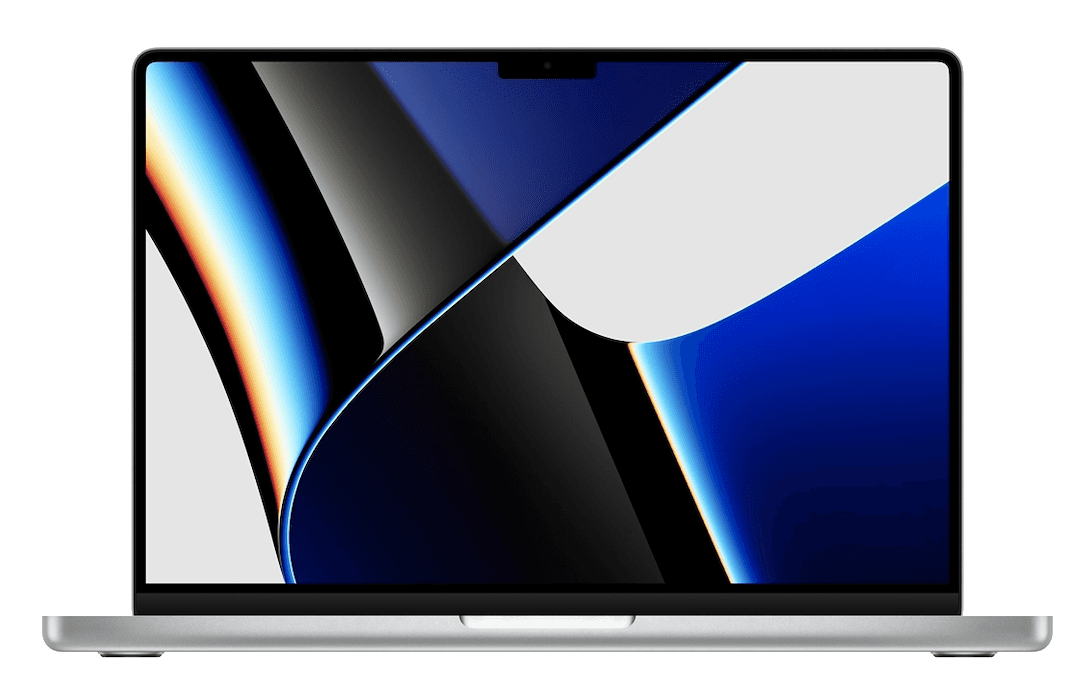
TL;DR The Apple MacBook Pro 14-inch (Model A2442) remains a dependable MacBook for software engineering in 2026, especially for developers who value stability, sustained performance, and macOS workflows. While it is no longer the newest MacBook available, it continues to handle modern development stacks, containerised workflows, and data science tooling without friction. Compared to newer M4-based MacBooks, raw benchmark numbers may be lower, but real-world coding performance remains strong and predictable. For AI and machine learning, it is best suited for experimentation, inference, and learning rather than heavy model training. When priced correctly, especially in refurbished form, the A2442 still represents a balanced and sensible choice for developers in 2026 India.
Software Engineering, AI ML, And Data Science Performance Overview
In 2026, evaluating a developer laptop is no longer about whether it is the newest model, but whether it can reliably support modern workflows without friction. The MacBook Pro 14-inch (A2442) sits in an interesting middle ground. It is clearly not the latest MacBook generation, yet it continues to perform at a level that feels professional and dependable for most software engineering tasks. This balance is what keeps it relevant for developers who prioritise consistency over headline benchmark numbers.
For many developers, long coding sessions, containerised workflows, and multi-service development environments matter more than peak burst performance. The A2442 continues to offer strong thermal stability, predictable performance, and a macOS environment that integrates well with modern developer tooling. It is especially appealing for engineers who want a machine that works quietly, stays cool under load, and does not require constant charging throughout the day.
As a MacBook for software engineering in 2026, this model still meets expectations for full-stack development, scripting, backend services, and moderate data workloads. While newer MacBooks bring efficiency gains and improved AI acceleration, the A2442 remains capable enough that most developers will not feel constrained in day-to-day work.
MacBook M4 Coding Performance Benchmarks In Context
When developers search for MacBook M4 coding performance benchmarks, they are usually trying to understand how much real-world difference newer chips make compared to older Apple Silicon generations. In isolation, M4-based MacBooks are clearly faster and more efficient. However, coding workflows rarely operate at peak synthetic benchmark limits, making sustained performance more relevant than short bursts.
In real development scenarios such as compiling code, running test suites, managing local servers, and orchestrating containers, the MacBook Pro 14-inch A2442 continues to feel stable and responsive. Builds complete consistently, IDEs remain smooth, and background processes do not cause noticeable slowdowns. This is largely due to its active cooling and balanced thermal design, which prevents aggressive throttling during extended workloads.
The difference between A2442 and newer M4 models becomes more apparent in burst-heavy or AI-accelerated tasks. For typical software engineering workflows, however, the performance gap feels incremental rather than disruptive. Developers moving from this model to newer hardware will notice improvements, but those continuing to use A2442 are unlikely to feel that their productivity is compromised.
Coding Performance Perspective
| Metric | A2442 Experience In 2026 | Newer M4-Based Macs |
|---|---|---|
| Sustained builds | Stable and predictable | Faster but similar feel |
| IDE responsiveness | Smooth | Slightly smoother |
| Thermal throttling | Minimal | Even lower |
| Real-world coding speed | Strong | Incremental gains |
Best MacBook For Python, JavaScript, And Full-Stack Development
For most developers, choosing the best MacBook for Python, JavaScript, and full-stack development is about workflow comfort rather than raw performance. In this regard, the MacBook Pro 14-inch remains one of the most comfortable MacBooks for software engineering in 2026. Python scripting, backend API development, and data processing tasks continue to feel seamless, with fast environment setup and reliable package management.
JavaScript and TypeScript workflows, including large React and Next.js projects, remain responsive even when browser usage is heavy. Hot reloading, build tools, and testing pipelines run smoothly without causing UI lag. Full-stack developers also benefit from macOS’s Unix foundation, which allows Node.js, Python services, databases, and Docker containers to run simultaneously without instability.
Beyond performance, developer comfort plays a major role. The keyboard remains comfortable for long typing sessions, the screen is easy on the eyes for reading code, and fan noise stays unobtrusive under most workloads. These factors matter just as much as benchmark numbers when evaluating a development machine in 2026.
Web And Backend Development Fit
| Stack | Experience On A2442 |
|---|---|
| Python | Smooth and reliable |
| JavaScript and TypeScript | Excellent |
| Full-stack Node and database | Stable |
| Docker workflows | Comfortable |
ML And AI Workflows Using TensorFlow And PyTorch
AI and machine learning workflows have evolved significantly by 2026, but most developers do not train large-scale models locally. For this reason, the MacBook Pro 14-inch remains a practical MacBook for software engineering in 2026 for ML experimentation and inference. TensorFlow and PyTorch run well using Apple-optimised builds, and the Metal backend allows GPU acceleration for supported operations.
Tasks such as data preprocessing, feature engineering, and training small models feel smooth and responsive. For students and professionals learning ML or building proof-of-concept systems, the A2442 provides a comfortable local environment. Where expectations need adjustment is in large model training. Heavy transformer models and CUDA-dependent workloads are still better suited to cloud GPUs.
Local inference is one of the strongest use cases for this MacBook. Testing trained models locally for application integration or demos feels quick and efficient, which makes it a strong companion to cloud-based ML pipelines rather than a replacement for them.
ML Workload Suitability
| ML Task | Suitability |
|---|---|
| Preprocessing | Excellent |
| Small model training | Good |
| Inference | Very good |
| Large-scale training | Not suitable |
Data Science Tools Using Pandas, NumPy, And Jupyter
Data science workflows rely heavily on interactive notebooks, and in 2026 responsiveness remains critical. The MacBook Pro 14-inch continues to handle Pandas and NumPy operations smoothly for small to medium-sized datasets. Jupyter notebooks launch quickly, visualisations render cleanly, and iterative analysis feels natural.
Multitasking across notebooks, IDEs, and browsers is handled well, allowing data scientists to explore datasets without constant performance interruptions. The 14-inch display strikes a practical balance by offering enough screen space for charts and tables without sacrificing portability.
For extremely large datasets, cloud-based solutions remain necessary. However, for local exploration, experimentation, and day-to-day data analysis, the A2442 remains a capable and efficient machine even in 2026.
Data Science Experience
| Tool | Experience |
|---|---|
| Pandas | Smooth |
| NumPy | Fast |
| Jupyter | Responsive |
| Visualisation | Clear and stable |
MacBook Vs Windows For Developers In 2026
The MacBook vs Windows discussion continues in 2026, but the comparison is more nuanced than ever. macOS offers a Unix-based environment, reliable package management, and strong battery optimisation, which many developers find reduces friction during daily work. The MacBook Pro 14-inch benefits from this ecosystem and remains a solid choice for developers who prioritise portability and consistency.
Windows laptops offer broader hardware variety and better GPU flexibility, especially for CUDA-based ML workloads. However, they often trade battery efficiency and thermal consistency for raw performance. For developers who value long unplugged sessions and predictable behaviour, macOS still holds an edge.
Ultimately, the right choice depends on workflow. For many developers, the A2442 continues to strike a comfortable balance between performance, battery life, and developer experience.
Platform Comparison
| Factor | MacBook Pro A2442 | Windows Laptop |
|---|---|---|
| Battery efficiency | Strong | Variable |
| Developer tooling | Excellent | Excellent |
| GPU flexibility | Limited | Better |
| Thermal stability | High | Varies |
Final Verdict Plus Quick Decision Making
In 2026, the MacBook Pro 14-inch (A2442) occupies a practical and realistic position. It is no longer the newest MacBook available, but it remains one of the most balanced and dependable options for software engineers who value stability over peak benchmarks. For daily coding, backend development, data analysis, and moderate ML experimentation, it continues to deliver a smooth and predictable experience.
Newer MacBooks with M4 chips offer clear performance and efficiency improvements, particularly for AI-accelerated workloads. However, for most software engineering tasks, the real-world difference is incremental rather than transformative. The A2442 still feels professional, comfortable, and reliable during long workdays.
For developers considering refurbished options, the value proposition becomes even stronger. When priced sensibly, this MacBook offers near-flagship usability without the premium cost of the latest generation. If your work revolves around coding, web development, data analysis, and practical ML workflows rather than extreme GPU-heavy tasks, the MacBook Pro 14-inch A2442 remains a sensible choice in 2026.
Refurbo's Shop:
Here are all the MacBook laptops listed on that Refurbo's Apple page, with a direct link for each laptop:
- Apple Macbook A2442 - Refurbished
- Apple Macbook Pro A2485 - Refurbished
- MacBook Air 13" (2017) - Refurbished
- MacBook Pro 13" (2018) - Refurbished
- MacBook Pro 13" (2020) - Refurbished (Core i5)
- MacBook Pro 13" (2020) - Refurbished (Core i7)
- MacBook Pro 15" (2018–19) - Refurbished
- MacBook Pro 16" (2019) - Refurbished (Core i7)
- MacBook Pro 16" (2019) - Refurbished (Core i9)
- MacBook Air 13" M1 - Refurbished
- MacBook Pro 13" M1 - Refurbished
- MacBook Pro 14" M1 Pro - Refurbished
- MacBook Pro 16" M1 Pro - Refurbished
FAQs
Q. Is the MacBook Pro 14-inch A2442 good for software engineering in 2026?
A. Yes, it remains a capable MacBook for software engineering in 2026, handling modern tools reliably.
Q. Can it handle Docker and containerised workflows?
A. Yes, Docker and local containers run smoothly with stable performance.
Q. Is it suitable for AI and machine learning?
A. It works well for learning, experimentation, and inference, but not for large-scale model training.
Q. How does it perform for data science tasks?
A. It performs very well for notebooks, analytics, and medium-sized datasets.
Q. Does it still receive macOS updates in 2026?
A. Yes, Apple continues to support this model with current macOS versions.
Q. Is battery life still reliable after years of use?
A. Battery life remains a strong point, especially compared to similarly powerful laptops.
Q. Should developers buy it refurbished in 2026?
A. Yes, refurbished units can offer excellent value if battery health and warranty are verified.
Q. Is it future-proof for the next few years?
A. For most developers, its performance headroom remains sufficient for upcoming workloads.