Filmmaker Laptop Buying Guide 2026
A complete filmmaker laptop buying guide for 2026 covering production workflows, hardware priorities and long-term creative needs.

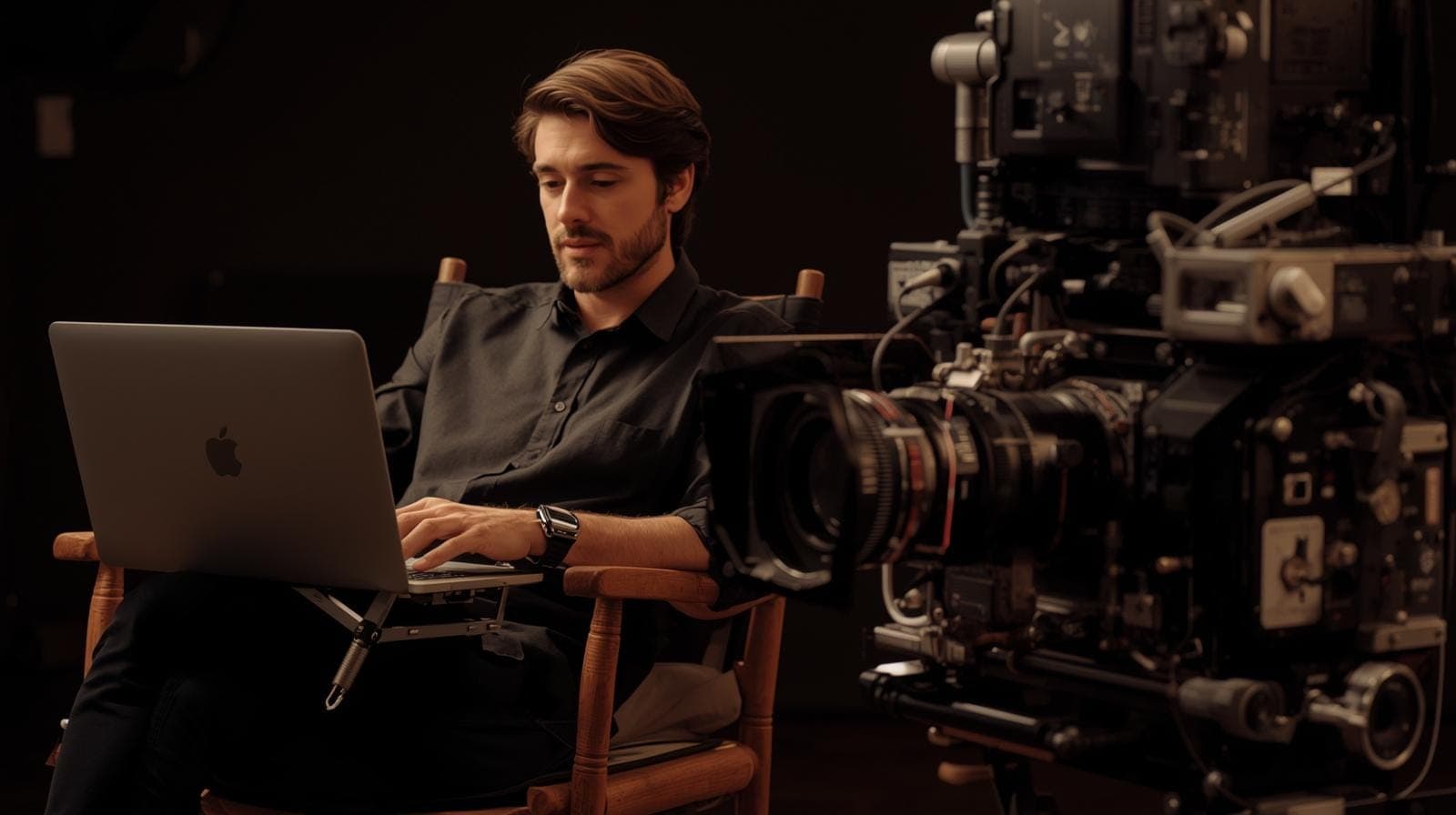
TL;DR Filmmakers in 2026 require laptops that prioritise sustained performance, GPU acceleration, colour-accurate displays and long-term reliability over portability or aesthetics. Film production workflows involve heavy codecs, multi-layer timelines, colour grading and long rendering sessions that expose hardware weaknesses quickly. Budget laptops support learning and basic short films, mid-range systems handle professional 4K projects reliably, flagship laptops enable RAW and cinema-grade workflows, and refurbished workstations offer exceptional value. The best filmmaker laptop is one that remains stable, accurate and dependable throughout the entire production cycle.
Introduction
Filmmaking in 2026 has become deeply intertwined with portable computing. What was once restricted to studio-grade desktops is now expected from laptops that travel between locations, editing rooms, sets and post-production environments. Independent filmmakers, students, documentary creators and small production teams increasingly rely on laptops as their primary creative machines from pre-production through final delivery.
Unlike general video editing, filmmaking workflows extend beyond assembling clips. They include ingesting high-bitrate footage, managing colour science, syncing audio, applying cinematic grading, rendering visual effects and exporting deliverables for festivals, streaming platforms and broadcast. Each stage places sustained and varied demands on hardware, often over long sessions where reliability matters more than peak performance.
A filmmaker’s laptop must therefore be viewed as a production tool rather than a convenience device. The wrong choice can lead to dropped frames, colour inaccuracies, unstable renders and lost time during critical deadlines. This guide explains what filmmakers actually need from laptops in 2026, how production workflows translate into hardware requirements, and how to choose systems that support creative ambition without technical compromise.
How Filmmaking Workflows Differ From General Video Editing
While video editing focuses on assembling content efficiently, filmmaking demands greater precision and endurance. Filmmakers often work with cinema cameras that produce large files using compressed or RAW codecs. These formats preserve image quality but require significantly more processing power to decode and manipulate.
Colour grading plays a much larger role in filmmaking than in casual editing. Filmmakers shape mood, continuity and narrative tone through colour decisions that demand accurate displays and consistent rendering behaviour. A laptop that alters performance mid-session or misrepresents colours undermines creative intent.
Additionally, filmmaking timelines are typically longer and more complex. Feature-length projects, documentaries and narrative shorts involve hundreds of clips, layered sound design, visual effects placeholders and multiple export passes. These workflows stress CPUs, GPUs, memory and storage continuously, making sustained performance and thermal stability critical.
What Filmmakers Need From A Laptop In 2026
Filmmakers need laptops that behave predictably under pressure. Unlike burst-based tasks, film production workloads can run for hours without pause. Exporting a final cut, rendering proxies or applying global colour grades pushes systems to their limits for extended periods.
Stability matters as much as speed. A laptop that crashes during a final render or throttles halfway through colour grading can delay delivery and damage professional credibility. Filmmakers therefore benefit from hardware designed for endurance rather than short benchmarks.
Another critical factor is visual trust. The laptop display must be reliable enough for editing decisions, even if final grading is done externally. Keyboard comfort, port selection and expansion flexibility also matter, as filmmakers often connect cameras, drives, audio interfaces and monitors directly to their laptops.
CPU Performance For Film Production
The processor is central to managing complex timelines, decoding footage and coordinating background processes. Film production software relies heavily on multi-core CPUs during rendering, transcoding and export.
Filmmakers should prioritise processors that maintain performance under sustained load. Many consumer CPUs advertise high boost clocks but quickly throttle when thermal limits are reached. For filmmaking, consistent performance across long sessions is far more valuable than short spikes.
A strong CPU ensures smoother playback during rough cuts, faster proxy generation and shorter final export times. It also improves responsiveness when switching between scenes, scrubbing timelines and adjusting effects.
GPU Acceleration And Cinematic Workflows
GPU acceleration is indispensable for filmmakers in 2026. Modern post-production relies on GPUs for colour grading, real-time playback, effects processing and encoding. Advanced grading tools, stabilisation algorithms and visual effects pipelines all leverage GPU compute.
Filmmakers working with high-resolution footage or RAW formats benefit from stronger GPUs that maintain smooth previews without proxies. GPU memory also matters, as insufficient VRAM can limit project complexity and cause performance drops.
However, balance remains important. A capable GPU paired with a weak CPU or insufficient RAM still results in bottlenecks. Filmmakers should seek systems where GPU performance complements the rest of the hardware.
RAM Requirements For Feature-Length Projects
Memory is one of the most limiting factors in filmmaking laptops. Large projects require significant RAM to cache frames, effects and preview data. Insufficient memory forces the system to rely on slower storage, reducing responsiveness and stability.
In 2026, 32GB RAM is increasingly considered the practical baseline for filmmakers working on serious projects. Feature-length timelines, multi-camera edits and heavy colour grading workflows all benefit from expanded memory capacity.
More RAM allows filmmakers to work fluidly without constantly managing proxies, closing applications or restarting software. It supports creative momentum and reduces interruptions during critical stages of production.
Storage Speed And Media Management
Filmmaking involves massive amounts of data. High-bitrate footage, audio files, cache data and export files place constant pressure on storage systems. Slow storage introduces delays throughout the workflow.
Fast NVMe SSDs are essential for smooth playback, quick imports and reliable exports. Storage capacity is equally important, as filmmakers often need to keep entire projects locally for continuity and backup.
A filmmaking laptop should support large internal storage or flexible expansion options. Running out of space mid-project disrupts workflow and increases the risk of data mismanagement.
Display Accuracy And Visual Confidence
For filmmakers, the display is more than a viewing surface. It is a decision-making tool. Exposure, contrast, colour balance and shadow detail must be judged accurately, especially during rough grading and edit reviews.
While final colour work may be completed on external monitors, the laptop display must still offer consistent brightness, good contrast and reliable colour reproduction. Inaccurate displays lead to poor creative decisions that surface later in post-production. Comfort also matters. Filmmakers often spend long hours reviewing footage and cuts. A comfortable, flicker-free display reduces eye strain and supports sustained focus.
Budget Laptops For Aspiring Filmmakers
Budget laptops are suitable for students, independent filmmakers and early-stage creators working on short films, documentaries or practice projects. These systems handle basic editing, compressed 4K footage and light grading when workflows are managed carefully.
They are best used with proxy workflows and limited effects. Budget laptops allow filmmakers to learn production pipelines and develop storytelling skills without large upfront investment.
ASUS TUF Gaming
ASUS TUF Gaming laptops are popular among aspiring filmmakers due to their durable construction and dedicated GPUs. They handle entry-level filmmaking workloads reliably and offer cooling systems that support longer editing sessions than typical consumer laptops.
Dell G15
The Dell G15 series prioritises thermal stability, which benefits filmmakers working on extended timelines. These laptops deliver predictable performance during exports and are suitable for learning colour grading and basic effects work.
HP Pavilion Gaming
HP Pavilion Gaming laptops offer capable entry-level performance in a relatively understated form. They are suitable for filmmakers who want dedicated graphics support without aggressive gaming aesthetics.
Mid-Range Laptops For Independent Filmmakers
Mid-range laptops form the backbone of independent filmmaking in 2026. These systems handle 4K timelines, moderate effects and extended projects without major compromises. They support smoother playback, faster renders and more stable grading workflows.
Independent filmmakers, documentary creators and freelance editors benefit from this tier due to its balance of performance, reliability and cost.
ASUS Vivobook Pro
ASUS Vivobook Pro laptops are well suited for filmmakers due to their strong GPUs and creator-focused displays. They handle layered timelines smoothly and offer good visual accuracy for rough grading.
HP OMEN
HP OMEN laptops deliver refined cooling and stable performance during long sessions. For filmmakers, this means fewer interruptions during exports and consistent playback when reviewing cuts.
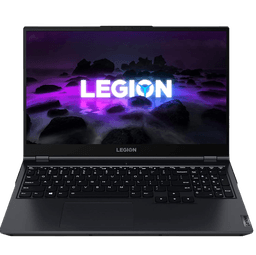
Lenovo Legion Series
Lenovo Legion laptops are known for their balanced thermals and dependable performance. They handle sustained filmmaking workloads well and provide comfortable keyboards for long editing sessions.
Flagship Laptops For Professional Film Production
Flagship laptops target filmmakers working with RAW footage, multi-camera productions and cinematic grading pipelines. These systems prioritise sustained performance, professional displays and workstation-grade reliability.
For filmmakers delivering commercial work or festival-ready films, flagship laptops reduce risk and increase confidence during final stages of production.
ASUS ProArt StudioBook
The ProArt StudioBook series is designed specifically for creative professionals. These laptops handle complex timelines, advanced grading and heavy rendering workloads with stability and accuracy.
Dell Precision
Dell Precision laptops offer workstation-class reliability, making them ideal for long film projects with tight deadlines. They maintain performance under sustained load and support demanding post-production pipelines.
MacBook Pro 16 Inch
The MacBook Pro 16 inch remains a popular choice among filmmakers due to its efficient performance, high-quality display and quiet operation. It supports intensive film workflows with minimal thermal throttling.
Refurbished Workstations For Filmmakers
Refurbished laptops provide filmmakers access to higher performance tiers at reduced cost. Many refurbished systems originate from professional environments and feature strong cooling, powerful CPUs and capable GPUs.
For independent filmmakers, refurbished workstations can outperform new consumer laptops at similar prices. When chosen with verified condition and warranty coverage, they offer excellent long-term value. This approach also supports sustainability by extending the usable life of high-quality hardware.
Refurbo's Top Picks
- MacBook Pro 13" (2018)
- Dell G15 5520
- Apple Macbook Pro A2485
- HP Victus Gaming
- Lenovo Legion 7
- HP Zbook Power G10
Thermal Stability During Long Renders
Film exports, proxy generation and final renders place continuous load on hardware. Laptops with inadequate cooling throttle performance, extend render times and increase the risk of instability. Filmmakers benefit from systems designed to dissipate heat effectively without excessive noise. Thermal stability ensures predictable performance across long sessions and protects hardware longevity.
Portability Versus Production Power
Filmmakers often travel between locations, sets and editing spaces. While portability matters, performance trade-offs must be considered carefully. Ultra-thin laptops often compromise sustained performance. A balanced system that remains portable while offering reliable cooling and power is ideal. Filmmakers should prioritise production capability over minimal weight when selecting laptops.
Planning For Long-Term Filmmaking Growth
As filmmakers progress, their workflows become more demanding. Higher resolutions, advanced grading and effects work place increasing pressure on hardware. Choosing a laptop with headroom reduces the need for frequent upgrades. Longevity depends on cooling design, component quality and expandability. A well-chosen laptop supports creative growth rather than limiting it.
Why Choosing the Right Filmmaking Laptop in 2026 Defines Your Entire Production Workflow
The most important takeaway is simple. In 2026, a filmmaking laptop is not just a device for editing, it is a core production tool that must deliver sustained performance, stability, and visual accuracy across every stage of the creative process.
Filmmaking workflows are fundamentally different from casual video editing because they involve handling high-bitrate footage, complex timelines, layered effects, and long rendering sessions that push hardware continuously. A system that performs well for short bursts but fails under sustained load can disrupt timelines, delay delivery, and compromise creative decisions. This is why filmmakers must prioritise consistency, thermal stability, and balanced hardware over raw benchmark numbers.
Another important factor is how different laptop tiers serve different stages of a filmmaker’s journey. Budget laptops enable learning and experimentation, mid-range systems support serious 4K production, and flagship machines handle RAW workflows and advanced grading. Refurbished workstations also play a critical role by offering higher-tier performance at accessible pricing, allowing creators to scale their capabilities without overspending.
Long-term usability is equally important, as filmmaking demands grow over time with higher resolutions, more complex colour pipelines, and heavier effects. Choosing a laptop with sufficient headroom ensures that it remains relevant as creative needs evolve. This reduces upgrade frequency and supports uninterrupted creative growth.
Ultimately, the best filmmaking laptop is the one that remains invisible during the process. It should not interrupt creativity with lag, crashes, or inconsistencies, but instead allow filmmakers to focus entirely on storytelling, emotion, and visual craft. When chosen correctly, it becomes a reliable partner that supports every stage from concept to final delivery.
Frequently Asked Questions
Q. What type of laptop is best for filmmaking in 2026?
Filmmakers should choose laptops with strong CPUs, capable GPUs, at least 32GB RAM, fast SSD storage, and reliable thermal performance to handle sustained workloads.
Q. Is GPU important for filmmaking laptops?
Yes, GPU acceleration is critical for colour grading, real-time playback, effects processing, and rendering in modern filmmaking workflows.
Q. How much RAM is required for filmmaking?
For serious filmmaking projects in 2026, 32GB RAM is considered a practical baseline to handle complex timelines and multitasking efficiently.
Q. Are budget laptops good for filmmaking?
Budget laptops are suitable for learning and basic projects, but they require proxy workflows and may struggle with heavy timelines or advanced grading.
Q. What makes mid-range laptops ideal for independent filmmakers?
Mid-range systems provide a balance of performance, reliability, and cost, allowing smooth 4K editing, moderate effects work, and stable rendering.
Q. Are refurbished laptops a good option for filmmakers?
Yes, refurbished workstations often provide higher performance at lower cost and can outperform new budget laptops when chosen carefully.
Q. Why is thermal stability important in filmmaking laptops?
Sustained workloads such as rendering and exporting require consistent performance, and poor cooling can lead to throttling and longer render times.
Q. Does display quality matter for filmmakers?
Yes, accurate displays are essential for making correct colour and exposure decisions during editing and grading workflows.
Q. Should filmmakers prioritise portability or performance?
Performance should take priority, as ultra-thin laptops often compromise sustained power, which is critical for filmmaking tasks.
Q. How should filmmakers plan for long-term laptop usage?
They should choose systems with sufficient performance headroom, good cooling, and expandable components to support future workflow demands.
Ready to upgrade your tech?
Browse our collection of quality refurbished products at unbeatable prices.