Desk Essentials That Shape Productivity More Than Motivation
A deep explanation of how desk essentials quietly remove friction improve focus and sustain productivity across long workdays

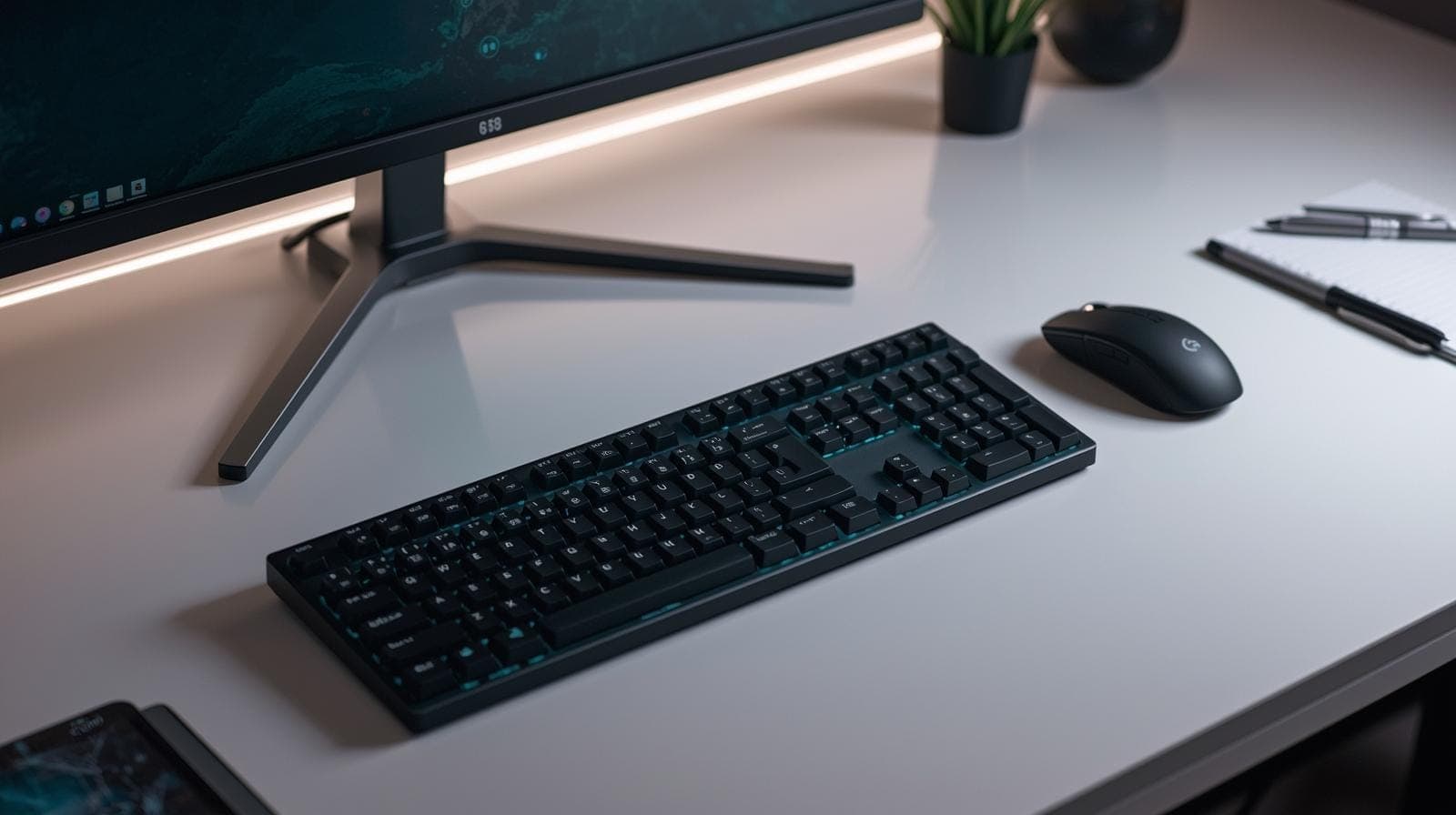
TL;DR Productivity is shaped less by motivation and more by environment, and the desk is where that environment matters most. Desk essentials such as external monitors, proper lighting, quality keyboards and mice, reliable adapters, and organised cable management reduce daily friction that silently drains focus and energy. These tools improve posture, visual comfort, precision, and system stability, allowing work to feel smoother and less mentally taxing. Over time, their impact compounds, supporting longer focus sessions, better health, and consistent output. A well designed desk is not about aesthetics or luxury. It is productivity infrastructure that enables sustained, high quality work every day.
Desk Essentials Matter More Than Most People Realise
Productivity is often framed as a question of discipline, focus, or motivation, but in practice it is deeply influenced by physical environment. The desk is where thinking turns into output, whether that output is code, writing, design, analysis, or decision making. When the desk setup is poorly thought out, every task carries hidden friction. The body compensates for bad posture, the eyes strain under poor lighting, and the mind constantly switches context because tools are not arranged logically. Over time, this friction drains energy far more effectively than a lack of motivation ever could.
Desk essentials matter because they shape how work feels minute by minute. A well designed desk reduces cognitive load by making interactions predictable and comfortable. The user does not think about where to look, how to sit, or how to interact with tools. Instead, attention stays on the task itself. In Indian work environments, where long hours, hybrid work, and multi purpose spaces are common, desk design becomes even more important. The desk often has to support professional work, learning, side projects, and personal tasks without change. Desk essentials are not accessories. They are infrastructure for sustained thinking and consistent output.
The Desk As A System Rather Than A Surface
Most people treat the desk as a flat surface that holds devices. Productive people treat the desk as a system. Every item on the desk either supports focus or steals it. A productive desk system balances visibility, accessibility, and comfort. Tools that are used constantly should be within easy reach. Items that cause distraction should be removed or hidden. Cables, lights, screens, and input devices should work together rather than compete for attention.
When the desk is treated as a system, productivity becomes more predictable. The body knows where to rest. The eyes know where to focus. The hands know where to move without hesitation. This predictability reduces micro decisions, which are surprisingly expensive in mental terms. Each unnecessary adjustment or search interrupts flow. Over a full day, these interruptions add up to lost hours. Desk essentials exist to remove these interruptions before they appear.
External Monitors And The Importance Of Visual Space
One of the most impactful desk essentials is an external monitor. Laptop screens are designed for portability, not for complex thinking or long sessions. They compress information into a small visual area, forcing constant switching between windows. This constant switching breaks concentration and increases mental fatigue. An external monitor expands visual space, allowing the brain to process information more naturally.
Visual space is directly linked to how humans think. When information can be seen at once, relationships become clearer. Writing improves when reference material is visible. Analysis becomes easier when data does not disappear behind layers of windows. For engineers, developers, analysts, designers, and students, this difference is dramatic. The work does not become faster because the screen is bigger. It becomes smoother because the mind no longer has to remember what is hidden.
In the Indian context, external monitors also help create a sense of permanence in workspaces that may otherwise feel temporary. A laptop alone feels transient. A laptop connected to a monitor feels like a workstation. This psychological shift encourages deeper work and longer focus periods, which is critical for productivity in home and hybrid setups.
Why Monitor Size And Resolution Affect Cognitive Load
Monitor size and resolution influence how much information can be comfortably processed without strain. A larger screen with adequate resolution allows text to be read without constant zooming and panning. This matters because reading should be effortless. When the eyes struggle, the brain tires faster. Over time, this leads to shorter focus windows and reduced accuracy.
High resolution displays also reduce visual noise. Text appears cleaner, edges sharper, and interfaces more readable. This reduces subconscious effort spent interpreting visuals. For professionals who read extensively, such as lawyers, researchers, students, and managers, this reduction in visual effort translates directly into improved endurance. Desk essentials are not about speed alone. They are about sustaining attention without fatigue.
Monitor Height And Ergonomics As Productivity Foundations
Ergonomics is often discussed in terms of health, but its productivity impact is just as important. A monitor placed too low forces the neck to bend forward, compressing the spine and restricting breathing. This posture subtly reduces alertness and increases fatigue. A monitor placed too high strains the neck and shoulders, leading to discomfort that distracts the mind.
Proper monitor height allows the head to remain balanced and the gaze to fall naturally. This posture supports longer periods of focused work without discomfort. Over months and years, it also prevents chronic issues that interrupt productivity through pain or forced breaks. In India, where many desks are improvised or shared, monitor stands and adjustable arms are not luxuries. They are essential tools for maintaining consistent work output.
Keyboards As Extensions Of Thought
The keyboard is one of the most underestimated productivity tools. For many professionals, it is the primary interface between thinking and doing. Writing, coding, messaging, searching, and navigating all depend on the keyboard. When the keyboard feels uncomfortable or unreliable, thinking itself slows down. The user hesitates, corrects mistakes, and loses rhythm.
A good keyboard allows fingers to move confidently without conscious effort. Key spacing, travel, and feedback influence typing flow. When typing feels natural, thoughts translate into text without interruption. This matters for writers, developers, students, and anyone whose work involves articulation. Over time, a comfortable keyboard reduces fatigue and increases daily output simply by removing resistance.
In Indian work settings, where long typing sessions are common and external keyboards are often overlooked, this becomes a hidden productivity bottleneck. Many users struggle with laptop keyboards that are shallow, cramped, or poorly laid out. An external keyboard tailored to the user’s hands can transform the work experience without changing any software or workflow.
Why Keyboard Comfort Influences Focus
Discomfort pulls attention away from work. A keyboard that forces awkward wrist angles or requires excessive force creates constant low level distraction. The brain allocates resources to managing discomfort instead of solving problems. This effect is subtle but persistent. Over long sessions, it reduces focus depth and increases errors. Keyboard comfort supports flow. Flow is the state where work feels immersive and time passes quickly. Achieving flow requires minimal interruption, both external and internal. A keyboard that disappears from conscious awareness supports this state. This is why professionals who invest in better keyboards often report not just faster typing, but better concentration.
The Mouse And Continuous Precision
The mouse plays a complementary role to the keyboard. It governs navigation, selection, and precision. A poor mouse introduces friction through inaccurate tracking, uncomfortable grip, or unreliable scrolling. Each correction costs time and breaks rhythm.
A good mouse supports natural hand posture and smooth movement. Precision reduces the need for micro adjustments. Over time, this efficiency compounds. Tasks feel easier not because they are simpler, but because interaction costs less effort. For designers, analysts, editors, and everyday professionals, this difference is significant.
In Indian home setups, where desk size and surface quality vary, mouse quality becomes even more important. A reliable mouse adapts better to different surfaces and reduces frustration. Productivity improves when tools behave predictably regardless of environment.
Ergonomics And Long Term Work Sustainability
Productivity is not about peak output for short periods. It is about sustainable performance over months and years. Ergonomic desk essentials support this sustainability. Chairs, keyboard height, mouse shape, and monitor position all influence how long a person can work comfortably.
Ignoring ergonomics often leads to delayed consequences. Wrist pain, shoulder tension, and back issues develop slowly. When they become severe, productivity drops sharply. Preventing these issues through proper desk setup is far easier than recovering from them. In India, where many professionals work long hours without formal ergonomic support, desk essentials serve as self protection as much as productivity enhancers.
Dongles And Adapters As Stability Enablers
Modern desks rely on connectivity. External monitors, storage devices, input peripherals, and charging systems all depend on adapters and dongles. Poor quality adapters introduce instability that disrupts work unexpectedly. Screens disconnect, data transfers fail, and charging becomes unreliable.
These disruptions are particularly damaging because they break concentration abruptly. The mind shifts from work to troubleshooting, often under time pressure. A reliable adapter removes this source of stress. It allows the desk to function as a stable system rather than a fragile arrangement.
In India, where power fluctuations and varied device standards are common, quality adapters are essential. They protect equipment, ensure consistent performance, and reduce anxiety. Productivity improves when the user trusts the setup completely.
Cable Management And Cognitive Calm
Cable management is often dismissed as aesthetic, but its productivity impact is real. Visual clutter increases cognitive load. Tangled cables create a sense of disorder, even if the user does not consciously register it. This subtle stress reduces focus and increases irritability.
Organised cables create a calmer environment. They reduce accidental disconnections and make the desk easier to maintain. Simple solutions like clips, sleeves, and under desk routing create order without effort. When the desk looks controlled, the mind feels more in control as well.
For Indian home offices that share space with personal living areas, cable management also helps define boundaries. A clean desk signals work mode. This psychological cue supports consistency and discipline naturally.
Lighting As A Core Productivity Factor
Lighting affects how long and how comfortably a person can work. Poor lighting causes eye strain, headaches, and reduced concentration. Over time, it shortens effective work sessions and increases fatigue. Desk lighting exists to create consistent, comfortable illumination regardless of external conditions.
Monitor lights and desk lamps reduce contrast between the screen and surroundings. This makes reading easier and reduces eye effort. Good lighting also improves mood and alertness. In India, where lighting conditions vary widely across homes and seasons, desk lighting provides stability. Stability supports focus. Lighting is not about brightness alone. It is about balance. Even, indirect light reduces glare and creates a neutral environment. This neutrality allows the mind to focus on content rather than compensating for visual discomfort.
Desk Space And The Importance Of Physical Organisation
Desk size and layout influence how work is organised mentally. A cramped desk forces constant rearrangement, which interrupts flow. Adequate desk space allows tools to remain accessible without clutter. This accessibility reduces friction and supports continuity. Desk mats and organisers create defined zones. The keyboard, mouse, notebook, and devices each have a place. This structure mirrors mental organisation. When the environment is structured, thinking becomes clearer. This relationship between physical and cognitive order is well documented and deeply relevant to productivity.
Audio Control And Attention Management
Sound influences focus. Background noise can fragment attention and increase stress. Audio tools such as headphones allow users to control their auditory environment. This control supports deep work and reduces distraction. Clear audio also improves communication during calls and learning sessions. Poor sound quality forces the brain to work harder to interpret speech, increasing fatigue. Good audio reduces this effort, preserving mental energy for actual thinking. In Indian households, where ambient noise is often unavoidable, audio control becomes essential. It allows the desk to function as a focused workspace even in shared environments.
Why Desk Essentials Compound Over Time
The impact of desk essentials is cumulative. Each improvement removes a small obstacle. Together, they transform the work experience. Reduced strain, fewer interruptions, better posture, and calmer environments reinforce each other. Over time, this compounding effect leads to higher sustained productivity without additional effort. This is why desk investments often deliver better returns than productivity apps or techniques. They change the environment rather than relying on willpower. In the long run, environment wins.
The Psychological Importance Of A Well Designed Desk
Beyond efficiency, desk setup affects emotional engagement with work. A clean, comfortable desk invites use. A chaotic desk creates resistance. This emotional response shapes habits. People are more likely to sit down and work when the environment feels supportive. Pride in one’s workspace also reinforces identity. The desk becomes a signal of seriousness and intention. This identity effect supports consistency, which is the foundation of productivity.
Conclusion On Desk Essentials As Productivity Infrastructure
Desk essentials are not about luxury or aesthetics. They are about building an environment that supports thinking, focus, and endurance. External monitors expand visual space. Keyboards and mice translate thought into action smoothly. Adapters provide stability. Lighting protects the eyes. Organisation calms the mind. In a world where work increasingly happens at desks, these essentials form the infrastructure of productivity. They quietly remove friction and allow effort to flow where it matters. Investing in the right desk setup is not indulgence. It is a practical decision that pays back every day in clarity, comfort, and sustained output.
Ready to upgrade your tech?
Browse our collection of quality refurbished products at unbeatable prices.