
Budget Smartphones Complete Guide: Value for Money Phones from ₹5,000 to ₹20,000
TL;DR The best budget smartphones in India in 2026 are no longer just about the lowest price. The real value lies in dependable performance, clean software, 5G readiness, strong battery life, and enough storage to remain smooth for at least two to three years. For most Indian buyers, the smartest value zone sits between ₹12,000 and ₹18,000, where phones now offer 120Hz displays, fast charging, better daylight cameras, and long-term software support without pushing into premium pricing. What Ac


TL;DR The best budget smartphones in India in 2026 are no longer just about the lowest price. The real value lies in dependable performance, clean software, 5G readiness, strong battery life, and enough storage to remain smooth for at least two to three years. For most Indian buyers, the smartest value zone sits between ₹12,000 and ₹18,000, where phones now offer 120Hz displays, fast charging, better daylight cameras, and long-term software support without pushing into premium pricing.
What Actually Makes a Good Budget Smartphone in 2026?
A good budget smartphone in 2026 must first solve real everyday problems rather than simply look impressive on a spec sheet. For Indian users, this means smooth UPI payments, reliable WhatsApp and calling performance, stable network reception, strong battery endurance for full-day use, and enough storage headroom for apps, photos, and videos over multiple years. Raw processor numbers still matter, but optimisation, software cleanliness, and brand support now influence long-term satisfaction far more than isolated benchmark results.
The biggest shift in this segment is that budget phones have become far more polished than they were even two years ago. Many devices below ₹15,000 now include 5G, 90Hz or 120Hz displays, large 5000mAh batteries, stereo speakers, and much stronger cameras in daylight. For buyers upgrading from older phones, this immediately changes how smooth scrolling, app opening, and video playback feel in daily use.
Another important factor is durability over ownership cycles. A budget phone should ideally survive two to three years without becoming frustratingly slow. This makes software optimisation, update policy, RAM management, and thermal stability more important than flashy marketing terms.
Essential Features You Should Prioritise Before Buying
The first thing Indian buyers should prioritise is processor stability. A slightly less powerful chipset with better software tuning often feels faster in real life than an aggressively marketed chip paired with heavy bloatware. Smoothness in WhatsApp, Chrome, YouTube, Instagram, Google Maps, and banking apps matters far more than peak benchmark scores.
RAM and storage are now equally critical. In 2026, 6GB RAM should be considered the safe baseline, while 8GB gives much better multitasking comfort for users who keep multiple apps open. Similarly, 128GB storage has effectively become the standard starting point, because system files, app caches, and media storage now grow much faster than before.
Battery and charging are major decision points for Indian usage habits. A 5000mAh to 6000mAh battery paired with 33W to 67W charging gives the best mix of all-day endurance and practical convenience. Combined with a 120Hz display and strong brightness, this creates a far more premium-feeling experience even in the budget segment.
Budget vs Flagship: Setting the Right Expectations
The gap between budget and flagship smartphones still exists, but it is much smaller in day-to-day use than many buyers assume. For general workloads like messaging, browsing, social media, OTT streaming, navigation, and digital payments, a well-optimised budget phone now feels more than capable. In fact, many Indian users no longer need to spend above ₹20,000 for their real needs.
Where the difference still becomes obvious is in camera consistency, low-light photography, premium materials, vibration motors, long-term performance sustainability, and advanced AI imaging features. Flagships still offer better polish, but budget phones now deliver perhaps 75 to 80 percent of the real-world experience for a fraction of the price.
This is why realistic expectations matter. If your usage revolves around calls, content, moderate gaming, and daily apps, a budget phone can easily feel complete. The trick is to buy for your real use case, not for marketing-driven comparisons.
Best Phones Under ₹15,000: The Sweet Spot for Most Indian Buyers
The ₹15,000 segment remains the strongest value zone in India because it balances affordability with genuinely noticeable upgrades. Buyers here get smoother displays, better processors, 5G support, fast charging, and stronger camera consistency compared to ultra-budget phones.
iQOO Z10x: Best for Performance
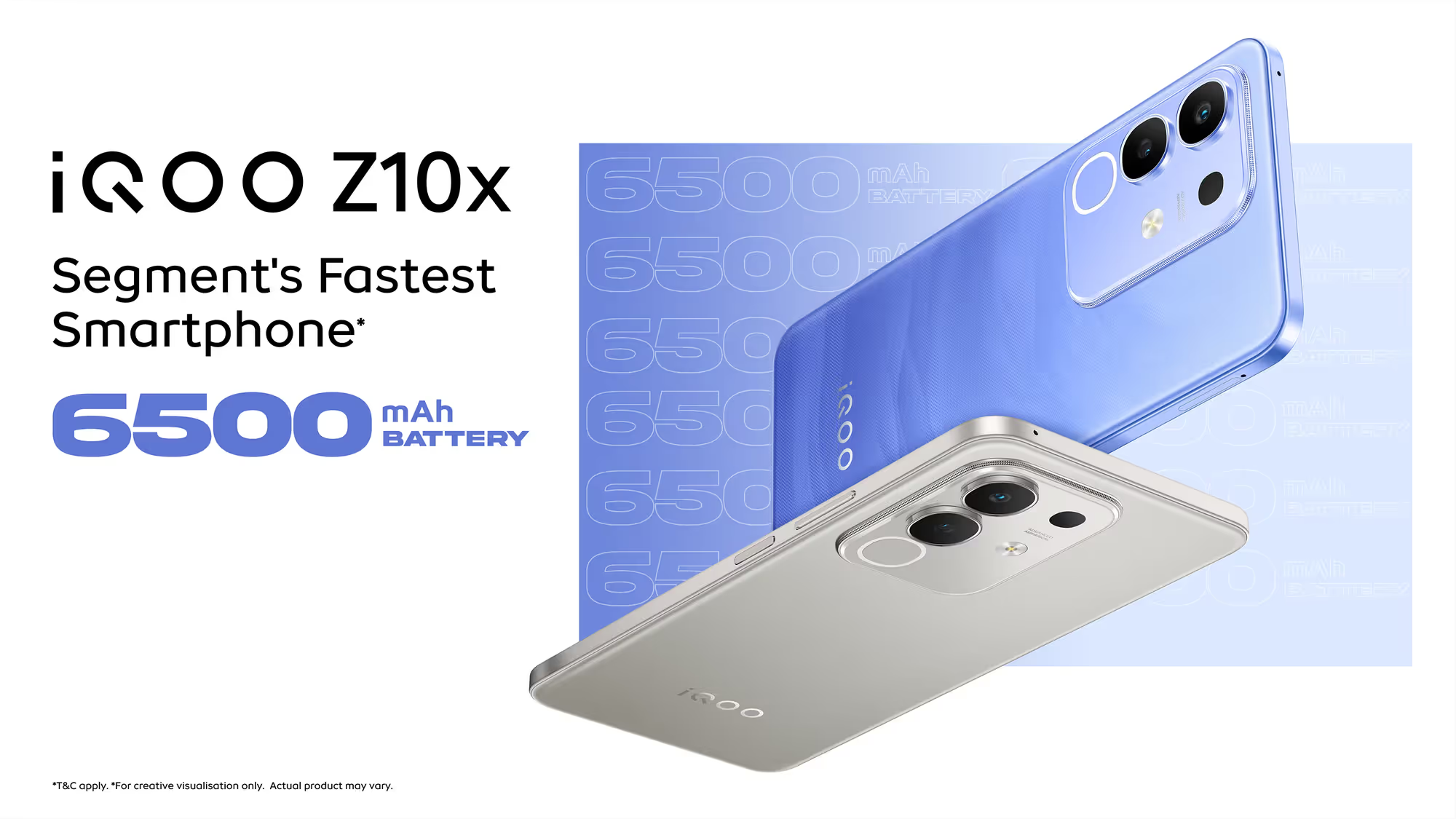
The iQOO Z10x remains the best choice for buyers who prioritise speed and gaming stability. Its processor is tuned for smooth multitasking, sustained app performance, and strong thermal control during longer sessions. Students, gamers, and heavy social media users will appreciate how responsive the device remains even after extended use.
Samsung Galaxy M36 5G: Best Balanced Phone
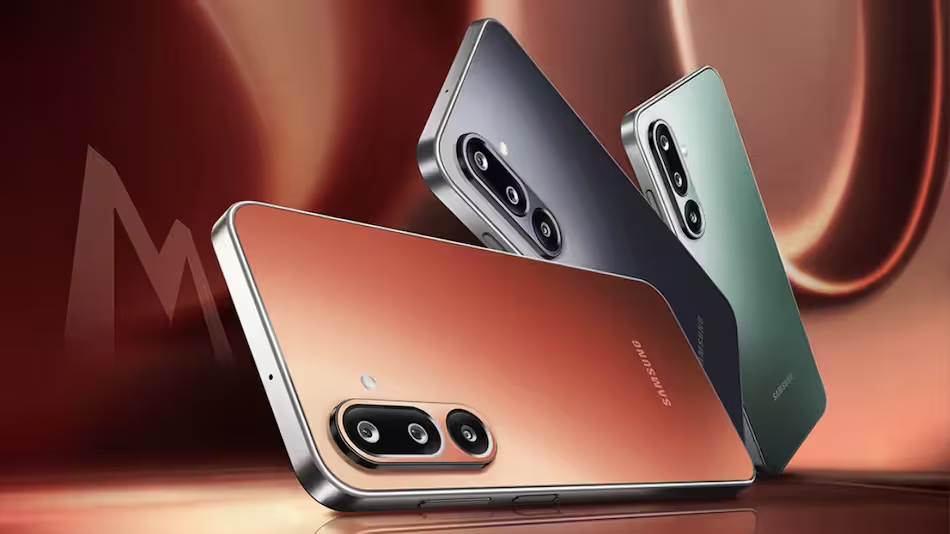
Samsung’s biggest strength here is long-term reliability. The Galaxy M36 5G combines stable One UI software, good battery endurance, bright AMOLED visuals, and dependable daylight cameras into a very safe purchase for mainstream users. Buyers looking for long-term trust, cleaner updates, and service network reliability in India will strongly prefer this.
POCO M7 Pro 5G: Best Value
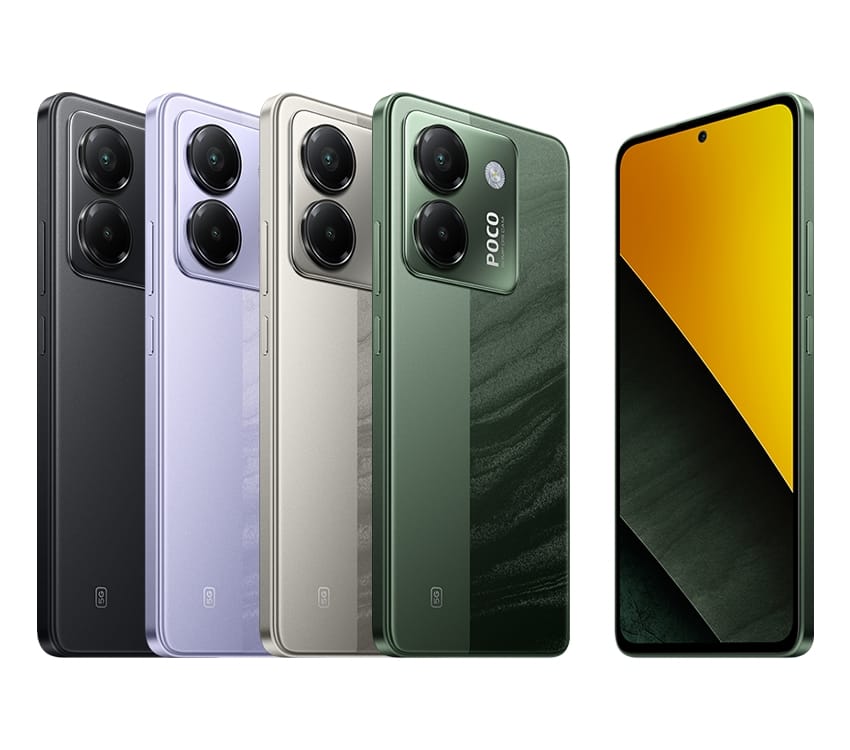
POCO continues to dominate pure value-for-money discussions. The M7 Pro 5G offers excellent gaming capability, fast charging, strong display smoothness, and aggressive pricing that makes it one of the easiest recommendations for students and younger users.
CMF Phone 1: Best Design
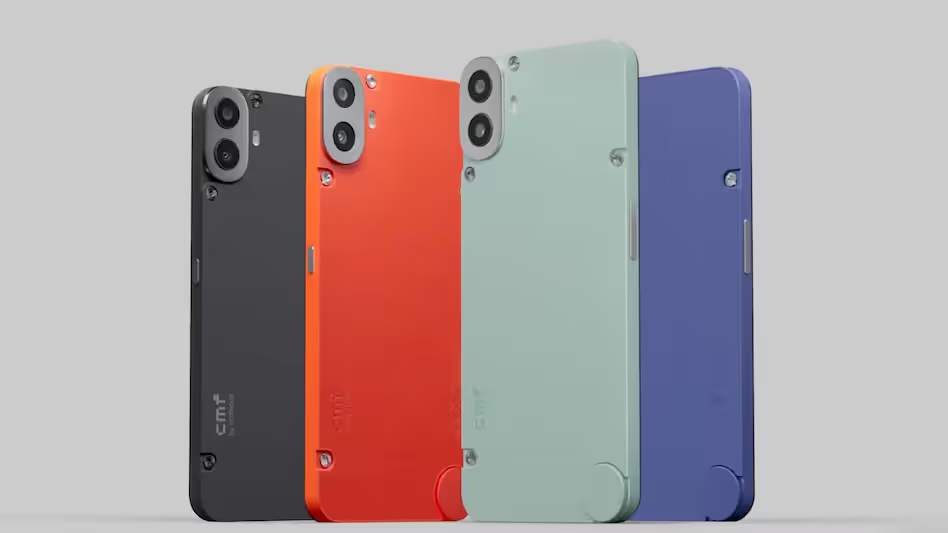
The CMF Phone 1 brings something rare to this segment: personality. Modular back design, a clean software feel, and youthful aesthetics make it stand apart in a market full of repetitive designs. Buyers who want something stylish without sacrificing performance will enjoy this.
Realme 13 5G: Best All-Rounder
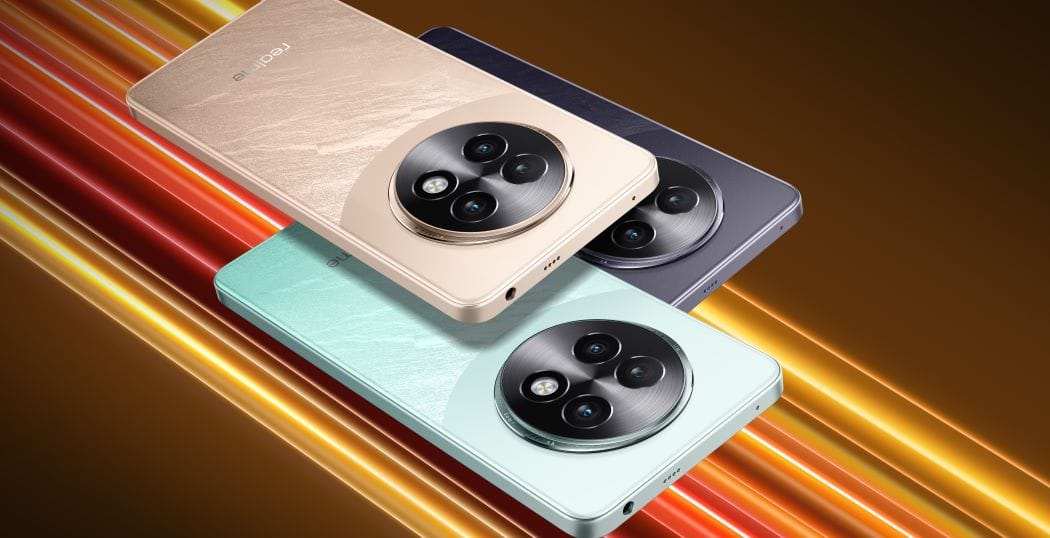
The Realme 13 5G is the safest all-round choice. It does not dominate one category, but it performs reliably across battery life, display smoothness, camera quality, and day-to-day software responsiveness.
Comparison Table: Best Phones Under ₹15,000
| Model | Price | Best For | Battery | Software Experience |
|---|---|---|---|---|
| iQOO Z10x | ₹13,999 | Gaming and performance | Strong | Fast and lightweight |
| Samsung Galaxy M36 5G | ₹14,499 | Balanced daily use | Excellent | Polished One UI |
| POCO M7 Pro 5G | ₹13,499 | Maximum value | Strong | Smooth and tuned |
| CMF Phone 1 | ₹14,999 | Design and style | Good | Minimal and clean |
| Realme 13 5G | ₹13,999 | Overall balance | Good | Responsive |
Best Phones Under ₹20,000: Premium Budget Picks
This is where the experience starts feeling close to flagship territory. Better AMOLED displays, OIS cameras, stronger processors, faster charging, and better software optimisation make this category ideal for users who plan to keep the phone for three years.
OnePlus Nord CE 4
Excellent OxygenOS fluidity, fast charging, and balanced camera performance make this one of the best mainstream choices.
Motorola Edge 50 Neo
Motorola continues to win with clean Android, premium in-hand design, and reliable daily usability.
Realme P3 Pro
This is for performance-first users who want stronger gaming and fluid UI without flagship pricing.
CMF Phone 2 Pro
Excellent daylight photography, clean software, and a unique design language make it attractive for younger buyers.
Nothing Phone 3a Lite
A highly design-led option that appeals to users who want something visually different while still staying practical.
Comparison Table: Best Phones Under ₹20,000
| Model | Price | Key Strength | Display | Camera |
|---|---|---|---|---|
| OnePlus Nord CE 4 | ₹18,999 | Premium smoothness | Excellent | Very good |
| Motorola Edge 50 Neo | ₹18,999 | Design and clean Android | Very good | Good |
| Realme P3 Pro | ₹18,999 | Performance | Smooth AMOLED | Decent |
| CMF Phone 2 Pro | ₹17,999 | Camera | Bright AMOLED | Strong |
| Nothing Phone 3a Lite | ₹19,999 | Unique design | High quality | Moderate |
Where the Smartest Budget Smartphone Value Really Lies in 2026
For most Indian buyers, the real sweet spot is no longer the cheapest possible phone but the one that avoids early replacement. Spending slightly more in the ₹12,000 to ₹18,000 zone gives stronger 5G support, better battery ageing, smoother displays, more stable thermals, and longer software relevance. Over two to three years, this almost always delivers better value than repeatedly replacing lower-end devices.
The smartest way to buy in 2026 is to prioritise long-term comfort. A phone that remains stable with banking apps, OTT streaming, video calls, gaming, and app updates after two years is far more valuable than one that simply offers an attractive launch price. This is why update support, storage, battery optimisation, and software smoothness should always be prioritised.
For students, working professionals, parents, and first-time smartphone buyers in India, today’s budget segment has matured enough to deliver genuinely satisfying long-term ownership.
Frequently Asked Questions
Q. What is the best budget range in India for 2026?
The ₹12,000 to ₹18,000 segment offers the best balance of battery, camera, performance, and software longevity.
Q. Is 5G necessary now?
Yes, in 2026 it should be considered essential for future-ready use.
Q. Is 6GB RAM enough?
Yes, for most users. However, 8GB gives much better long-term smoothness.
Q. How much storage should I choose?
128GB should be the minimum in 2026.
Q. Are budget phones good for gaming?
Yes, moderate gaming is now very comfortable in this segment.
Q. Which brand is safest for long-term software support?
Samsung, Motorola, and OnePlus are currently among the safer choices.
Q. Is AMOLED necessary?
Not necessary, but it noticeably improves viewing quality and brightness.
Q. How long should these phones last?
A good budget smartphone should comfortably last 2 to 3 years.
Q. Should I buy refurbished instead?
Only if the device comes with verified battery health, genuine parts, and warranty support.
Q. What is the most important thing to prioritise?
Software optimisation and long-term smoothness matter more than isolated benchmark scores.
Ready to upgrade your tech?
Browse our collection of quality refurbished products at unbeatable prices.






