
Motorola Moto G73 5G Review: Clean Android Experience With Reliable Everyday Performance
Read our review of the Moto G73 5G: 120 Hz display, Dimensity 930, stereo speakers, clean MyUX, and solid battery life. Discover if it’s the right budget 5G phone under ₹20K for you.

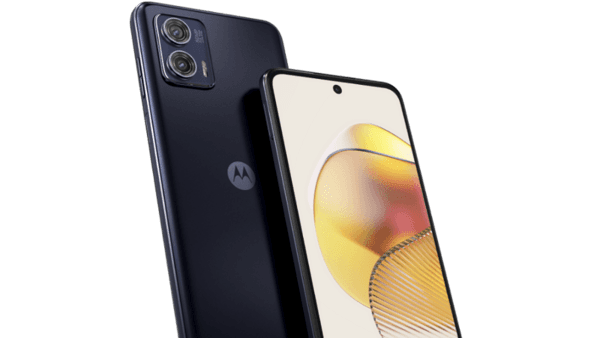
TL;DR The Motorola Moto G73 5G continues to remain one of the most practical budget 5G smartphones for users who prioritize clean Android software, dependable battery life, stereo speakers, lightweight design, and smooth day-to-day performance. Powered by the MediaTek Dimensity 930 processor with a 120Hz display and near-stock Android experience, the Moto G73 handles multitasking, media consumption, social media usage, online classes, and moderate gaming comfortably. While competitors now offer brighter AMOLED displays and more aggressive camera hardware, the Moto G73 still stands out because of its clutter-free software experience, reliable battery endurance, and balanced usability for students, office users, and casual gamers.
Why the Moto G73 5G Still Remains Relevant
The Moto G73 5G continues to remain relevant because Motorola focused heavily on software simplicity, lightweight usability, and dependable daily performance instead of chasing aggressive specifications alone. Many budget smartphones now include ad-heavy software experiences, bloated applications, and inconsistent optimization, while Motorola continues prioritizing a cleaner Android environment. This difference becomes highly noticeable during long-term usage.
Another important factor is the growing demand for balanced budget smartphones because many users no longer prioritize only raw benchmark performance. Battery life, software smoothness, multimedia quality, and comfortable everyday usability now influence purchasing decisions much more heavily. The Moto G73 performs strongly across these practical categories.
The continued popularity of stock Android-like interfaces also helps the Moto G73 remain highly searchable among students, working professionals, and casual users who dislike cluttered Android skins. Motorola’s MyUX interface remains lightweight, responsive, and less intrusive compared to many competing budget smartphone interfaces. This improves long-term ownership comfort significantly.
Motorola Moto G73 5G Specifications
| Specification | Details |
|---|---|
| Processor | MediaTek Dimensity 930 |
| RAM | 8GB LPDDR4X |
| Storage | 128GB / 256GB |
| Expandable Storage | Yes, microSD support |
| Display | 6.5-inch FHD+ IPS LCD |
| Refresh Rate | 120Hz |
| Rear Camera | 50MP + 8MP |
| Front Camera | 16MP |
| Battery | 5000mAh |
| Charging | 30W TurboPower |
| Operating System | Android 13 with MyUX |
| Audio | Stereo Speakers, Dolby Atmos |
| Connectivity | 5G, Wi-Fi 5, Bluetooth 5.3, NFC |
| Build | IP52 Splash Resistance |
| Weight | 181g |
The specifications reflect Motorola’s focus on balanced real-world usability rather than extreme flagship-style positioning. The combination of Dimensity 930 performance, 120Hz refresh rate, stereo speakers, and large battery capacity helps the device remain practical across entertainment and productivity workflows. This creates strong everyday value.
Another important factor is expandability because many modern budget smartphones increasingly remove expandable storage support. The Moto G73 still supports microSD expansion, which remains useful for users storing offline media, large files, and photography content locally. This improves long-term flexibility significantly.
Design and Build Quality
The Moto G73 follows Motorola’s understated design philosophy with a lightweight body, curved edges, and comfortable one-handed usability. At approximately 181 grams, the phone feels noticeably lighter than many modern large-screen smartphones. This improves comfort during prolonged social media usage, reading, browsing, and streaming sessions.
Motorola also focused heavily on practical ergonomics because the softer curved frame design makes the phone easier to grip during daily use. The matte-textured finish helps reduce slipperiness while still maintaining a cleaner appearance. Long sessions of scrolling, gaming, and video playback therefore feel more comfortable.
Another important factor is durability because the IP52 splash resistance adds basic protection against accidental splashes and light exposure to water. While not a fully rugged device, this level of protection remains valuable in the budget segment. Motorola’s bundled protective case also improves day-to-day practicality.
Why Lightweight Phones Still Matter
Many modern smartphones continue becoming heavier because of larger batteries, thicker camera systems, and oversized displays. However, lightweight devices remain much more comfortable during prolonged everyday usage. Users holding phones for several hours daily immediately notice the difference between balanced ergonomics and bulky hardware.
The Moto G73 especially benefits users who spend significant time reading, watching videos, browsing social media, or attending online classes because the lighter chassis reduces fatigue during extended sessions. Comfortable weight distribution matters much more than many buyers initially expect. This improves long-term usability significantly.
Another important factor is portability because lighter phones remain easier to carry in pockets and bags throughout the day. Students, commuters, and office users especially benefit from compact and lightweight daily-use smartphones. Practical handling continues to remain one of the Moto G73’s strongest advantages.
Display Quality and Viewing Experience
The Moto G73 uses a 6.5-inch Full HD+ IPS LCD display with a 120Hz refresh rate, which prioritizes smoothness and responsiveness over AMOLED-style deep contrast. Everyday tasks such as scrolling through Instagram, YouTube, WhatsApp, Chrome, and social media platforms feel noticeably smoother because of the higher refresh rate. This improves overall responsiveness considerably.
Outdoor visibility remains acceptable for regular daily usage, although the LCD panel cannot match the deep blacks and contrast levels offered by modern AMOLED competitors. Video playback still feels comfortable, and the HDR10+ support improves streaming quality during supported content playback. The viewing experience remains balanced overall.
Another important factor is long-session usability because IPS LCD panels often maintain more natural color presentation during prolonged usage. Reading documents, attending classes, and browsing content remain comfortable for extended periods. The Panda Glass protection also provides basic scratch resistance during daily handling.
Why 120Hz Matters More Than Many Budget Buyers Realize
Higher refresh rates improve daily smartphone responsiveness much more than raw benchmark numbers during normal usage. Smooth scrolling, fluid animations, and faster visual transitions create a more premium overall feel during routine interactions. Users generally notice these improvements immediately.
The Moto G73 benefits heavily from this because the 120Hz display helps compensate for the absence of an AMOLED panel. Applications feel more responsive during navigation, messaging, browsing, and multitasking workflows. This contributes significantly to perceived performance quality.
Another important factor is software optimization because Motorola’s cleaner MyUX interface pairs effectively with the higher refresh rate display. Reduced software clutter allows animations and transitions to feel smoother consistently. This creates a polished daily experience despite mid-range hardware.
Performance and Everyday Usage
The MediaTek Dimensity 930 processor delivers dependable day-to-day performance for mainstream users because it handles multitasking, social media usage, streaming, productivity apps, browsing, and moderate gaming smoothly. Combined with 8GB RAM, the phone maintains stable responsiveness during everyday workloads. This keeps the Moto G73 highly practical for most users.
Applications such as Chrome, YouTube, WhatsApp, Instagram, Google Meet, and office productivity tools run comfortably without major lag during normal usage. RAM management also remains relatively efficient because Motorola avoids heavy background processes and excessive pre-installed applications. This improves multitasking consistency significantly.
Another important factor is software cleanliness because Motorola’s MyUX interface remains close to stock Android with minimal visual clutter. Users who dislike advertisements, unnecessary applications, and aggressive notifications often prefer Motorola specifically for this cleaner experience. Long-term usability therefore feels smoother and less frustrating.
Gaming Performance
The Moto G73 is not designed as a dedicated gaming smartphone, but it still performs comfortably for casual and moderate gaming workloads. Popular titles such as BGMI, COD Mobile, Free Fire, Asphalt, and similar multiplayer games run reliably at medium graphics settings with relatively stable frame rates. Casual gamers should remain satisfied with overall performance.
Extended gaming sessions may produce moderate heating because the Dimensity 930 is still a mid-range chipset handling sustained workloads inside a slim chassis. However, the device generally maintains acceptable thermal behavior during normal gaming sessions. Performance remains stable for mainstream gaming usage.
Another important factor is the stereo speaker setup because gaming immersion improves noticeably compared to many budget phones that still rely on single-speaker configurations. Dolby Atmos support further enhances directional sound quality during gaming and multimedia playback. This improves overall entertainment experience significantly.
Why Clean Software Improves Performance Perception
Many budget smartphones rely heavily on aggressive animations, advertisements, and background services that gradually reduce responsiveness during long-term usage. Motorola avoids much of this unnecessary clutter by keeping MyUX relatively lightweight and close to stock Android. This creates smoother real-world performance perception.
Applications launch quickly, navigation feels responsive, and multitasking remains more stable because fewer background services consume system resources constantly. Even when hardware specifications appear similar on paper, cleaner software dramatically affects usability. The Moto G73 benefits heavily from this balance.
Another important factor is reduced distraction because users encounter fewer advertisements, duplicate applications, and intrusive notifications during normal workflows. This improves comfort and overall ownership satisfaction significantly. Software simplicity remains one of Motorola’s strongest advantages.
Camera Performance
The Moto G73 uses a 50MP primary camera paired with an 8MP ultrawide sensor that also handles macro and depth functionality. Daylight photography remains the strongest area because images generally appear sharp, balanced, and social-media-ready under proper lighting conditions. Natural color tuning also helps maintain realistic photo presentation.
Portrait shots perform reasonably well during good lighting, with acceptable edge detection and balanced background separation. Selfie performance remains suitable for Instagram stories, video calls, and casual social media usage. Everyday photography therefore feels dependable for mainstream users.
Low-light performance, however, remains one of the phone’s weaker areas because the absence of Optical Image Stabilization affects nighttime image sharpness and video stability. Noise and softer details become noticeable under poor lighting conditions. This remains a compromise compared to newer competitors.
Another important factor is video recording because the Moto G73 supports 1080p 60fps recording with electronic stabilization. Video quality remains acceptable for casual recording and social media content creation. However, users focused heavily on advanced mobile videography may prefer stronger camera-centric alternatives.
Battery Life and Charging
Battery life remains one of the strongest reasons users continue considering the Moto G73 because the 5000mAh battery comfortably delivers all-day endurance during normal workloads. Streaming, social media usage, GPS navigation, messaging, and online meetings remain manageable without constant charging anxiety. This improves reliability significantly.
The Dimensity 930 chipset also contributes positively to battery efficiency because the processor balances performance and power consumption effectively during everyday tasks. Standby battery drain remains relatively controlled compared to many competing budget smartphones. Long-term usability therefore feels dependable.
Another important factor is charging convenience because the 30W TurboPower charging helps recover battery reasonably quickly during short charging sessions. Users can generally reach around 50 percent battery within approximately thirty minutes under standard conditions. This improves daily workflow flexibility substantially.
Audio Experience and Multimedia Usage
The stereo speaker setup remains one of the Moto G73’s standout features because audio quality feels noticeably fuller and louder compared to single-speaker competitors in the same segment. Streaming movies, gaming, YouTube playback, and casual music listening all benefit significantly from stereo separation. Multimedia consumption therefore feels more immersive.
Dolby Atmos support further improves clarity while using earphones or wireless earbuds, especially during streaming and gaming sessions. The retained 3.5mm headphone jack also remains highly practical for budget users who still prefer wired audio accessories. This adds flexibility many competitors increasingly remove.
Another important factor is balanced multimedia usability because the combination of stereo speakers, lightweight design, long battery life, and smooth 120Hz display creates a strong entertainment-focused daily experience. Casual users especially benefit from this balance. Multimedia remains one of the Moto G73’s strongest categories.
Software Updates and Long-Term Concerns
Motorola’s software update strategy remains one of the weaker areas of the Moto G73 because the device receives only one major Android version upgrade alongside limited long-term update support compared to several competitors. Users prioritizing multi-year Android version support may therefore feel somewhat disappointed.
Some users also reported performance inconsistencies after Android updates, including lag, battery drain, Chrome rendering glitches, fingerprint inconsistencies, and occasional frame drops. While these issues do not affect every user equally, they still influence long-term reliability perception. Motorola’s slower update optimization remains a concern.
Another important factor is software responsiveness because cleaner Android experiences still require timely optimization to maintain stability over several years. Motorola performs strongly in software simplicity but less consistently in long-term update refinement. This remains one of the biggest compromises of the device.
Why the Moto G73 Still Delivers One of the Cleanest Budget Android Experiences
The most important takeaway is simple, the Motorola Moto G73 continues to remain highly practical because it prioritizes clean software, dependable battery life, smooth everyday usability, and strong multimedia experience instead of focusing only on aggressive specifications. The combination of the Dimensity 930 processor, stereo speakers, lightweight design, 120Hz display, and near-stock Android experience creates a balanced smartphone that feels comfortable during long-term daily usage. This balance remains highly attractive for students, office users, and casual multimedia consumers.
Another important factor is Motorola’s software philosophy because MyUX avoids much of the advertisement-heavy clutter and excessive background behavior commonly found in many competing budget smartphones. The cleaner interface improves responsiveness, multitasking consistency, and overall ownership comfort significantly. Combined with reliable battery endurance and practical audio features, the Moto G73 still provides strong value for users prioritizing simplicity and stability over flashy specifications.
At the same time, buyers must understand the compromises because the IPS LCD panel cannot match modern AMOLED competitors, low-light photography remains average, and Motorola’s software update commitment continues to lag behind several rivals. Users prioritizing advanced cameras, brighter AMOLED displays, or longer Android support may prefer alternative devices. However, for users seeking one of the cleanest and most balanced budget Android experiences available, the Moto G73 still remains a dependable and highly usable 5G smartphone.
Frequently Asked Questions
Q. Is the Motorola Moto G73 5G still worth buying today?
Yes, the Moto G73 remains highly worthwhile for users who prioritize clean Android software, reliable battery life, stereo speakers, and balanced day-to-day performance. The lightweight design and smooth 120Hz experience also improve usability significantly. It remains especially practical for students and office users.
Q. Does the Moto G73 support 5G networks in India?
Yes, the Moto G73 supports multiple 5G bands compatible with major Indian telecom providers. Users can comfortably access modern 5G connectivity depending on regional network availability. Call quality and connectivity stability remain dependable overall.
Q. Is the Moto G73 good for gaming?
The Moto G73 handles casual and moderate gaming comfortably with stable performance in titles such as BGMI, COD Mobile, and Free Fire at medium settings. Extended gaming sessions may produce moderate heating. Casual gamers should still find the experience smooth overall.
Q. Does the Moto G73 use an AMOLED display?
No, the phone uses a 120Hz IPS LCD display instead of AMOLED technology. While scrolling feels smooth because of the higher refresh rate, contrast and deep black levels are weaker than AMOLED competitors. Outdoor visibility remains acceptable for normal usage.
Q. How good is the battery life on the Moto G73?
Battery life is one of the strongest aspects of the device because the 5000mAh battery comfortably supports all-day usage during streaming, browsing, messaging, and social media workflows. The Dimensity 930 chipset also helps improve power efficiency. Standby battery performance remains reliable.
Q. What are the biggest weaknesses of the Moto G73?
The biggest weaknesses include average low-light camera performance, slower long-term software update support, occasional update-related optimization issues, and the absence of an AMOLED display. Users prioritizing camera quality and long software support may prefer newer competitors.
Ready to upgrade your tech?
Browse our collection of quality refurbished products at unbeatable prices.






