iPhone SE 4 Review: A Classic Reimagined
The iPhone SE 4 rumour suggests Apple may finally bring a modern budget iPhone with an iPhone 13-style design, OLED display, Face ID, USB-C, and A15 Bionic performance. If true, it could become the best value iPhone for users wanting long-term software support and premium daily usability.

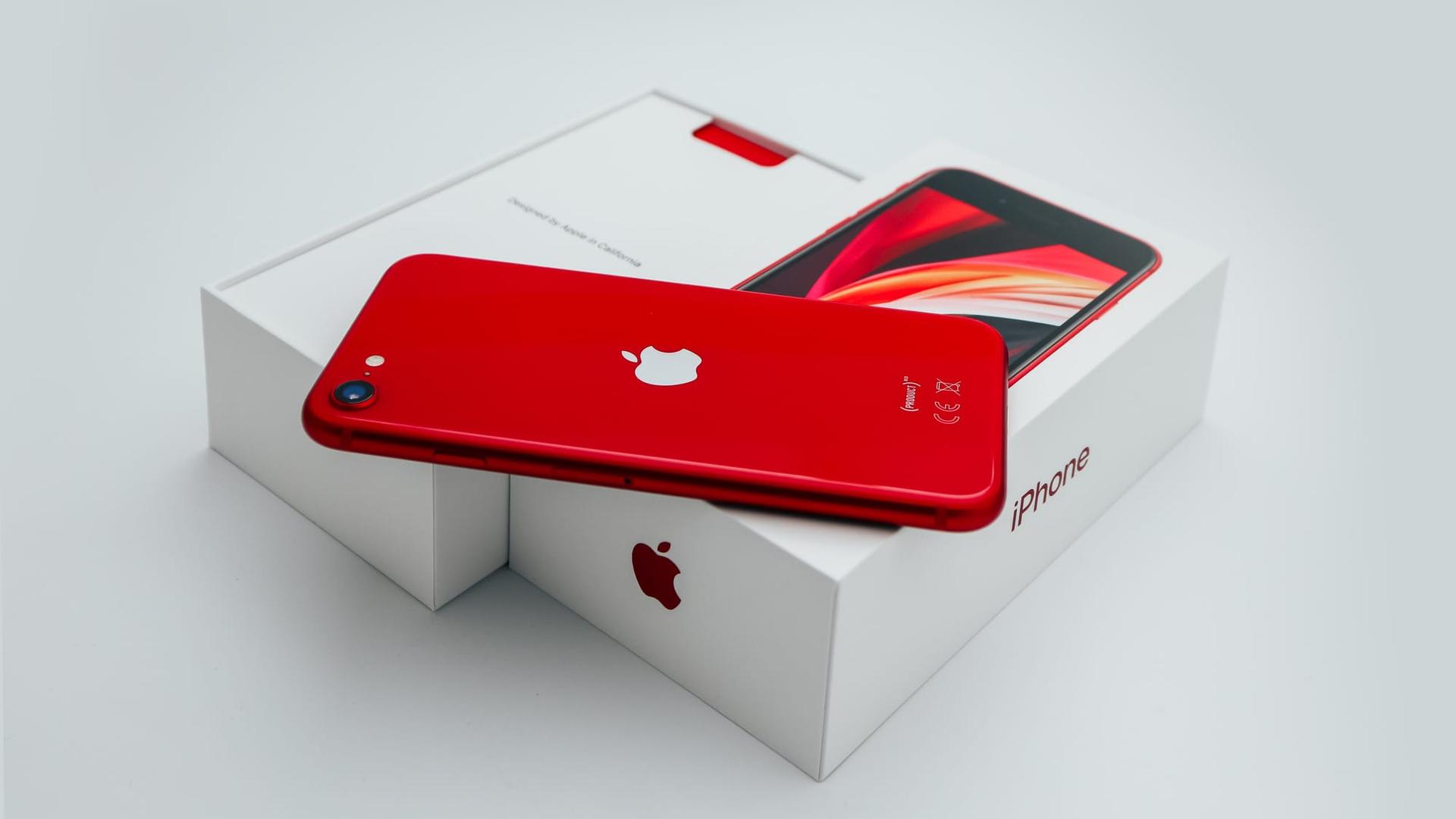
TL;DR The iPhone SE 4 is shaping up to be one of the most exciting Apple rumours of 2025, with expectations pointing towards an iPhone 13-style redesign, a 6.1-inch OLED display, Face ID, USB-C, and the A15 Bionic chip. If these leaks hold true, it could become the most value-driven modern iPhone for users who want Apple’s ecosystem, long-term software support, and strong daily performance without stepping into flagship pricing.
Why the iPhone SE 4 Rumour Is Creating So Much Interest
The iPhone SE 4 rumour is generating unusual levels of excitement because it directly addresses the biggest weakness of the SE lineup: the ageing design language. For years, Apple’s budget iPhone has continued using the older iPhone 8-style chassis with thick bezels and a physical home button, which increasingly feels disconnected from the rest of Apple’s product lineup. The expectation of a move towards an iPhone 13-style body with Face ID and a full-screen OLED panel immediately makes this rumour far more significant than a routine specification refresh.
Another reason the rumour feels highly believable is Apple’s broader ecosystem direction. The company is already moving towards USB-C standardisation, wider OLED adoption, and a more unified industrial design language across devices. Because of that, the idea of the SE lineup finally inheriting a modern full-screen design, USB-C, and Face ID feels like a natural progression rather than wishful speculation.
More importantly, the rumour aligns strongly with real buyer demand. Many users upgrading from the iPhone 8, SE 2020, XR, or older Android devices are clearly looking for a more affordable entry point into Apple’s ecosystem without sacrificing design modernity. This makes the iPhone SE 4 rumour especially compelling in the current market.
Expected iPhone SE 4 Specifications Based on Current Leaks
| Feature | Rumoured Details |
|---|---|
| Display | 6.1-inch OLED, 60Hz |
| Design | iPhone 13-style flat-edge design |
| Processor | Apple A15 Bionic |
| RAM | 4GB |
| Storage | 128GB / 256GB |
| Rear Camera | Single 12MP |
| Front Camera | 12MP TrueDepth |
| Charging | 20W wired, Qi wireless |
| Ports | USB-C |
| Security | Face ID |
| Software | iOS 18 expected |
| Connectivity | 5G, Wi-Fi 6 |
| Water Resistance | IP67 |
The Biggest Expected Upgrade Is the Design
The strongest part of the iPhone SE 4 rumour cycle is clearly the redesign. Multiple leaks suggest that Apple may finally move away from the legacy home-button chassis and instead adopt a body much closer to the iPhone 13. This would mean flat aluminium edges, slimmer bezels, a notch-based Face ID setup, and a much larger edge-to-edge display.
For users, this would be the most meaningful upgrade in the history of the SE lineup. A larger OLED display does more than simply improve visuals because it also changes everyday usability, from typing comfort and video streaming to browsing and gaming. The shift from a smaller LCD panel to a 6.1-inch OLED would instantly make the device feel far more modern and premium.
The rumoured addition of USB-C also makes the redesign more practical. With Apple gradually moving more of its ecosystem towards USB-C, it becomes increasingly logical for the next affordable iPhone to follow the same direction.
Why the A15 Bionic Still Makes Perfect Sense
The A15 Bionic remains one of the most believable parts of the iPhone SE 4 rumour because it perfectly matches Apple’s established hardware strategy. Apple often reuses older flagship processors in more affordable devices, allowing it to deliver strong real-world performance while keeping pricing under control. In this context, the A15 feels like the most logical and commercially realistic choice.
Even today, the A15 still offers excellent performance for the vast majority of users. App launches, multitasking, camera processing, gaming, and software longevity all remain strong on this chip. For buyers considering an affordable iPhone, this level of speed would still feel premium in everyday use.
The rumoured processor choice also reinforces the phone’s expected long-term value. Instead of chasing benchmark numbers, the A15 offers the kind of balanced power that could comfortably support several years of iOS updates and regular usage.
Camera Expectations: Simplicity With Apple Processing
The iPhone SE 4 is widely expected to continue with a single rear camera setup, which remains perfectly in line with the SE series identity. Rather than focusing on multiple sensors, Apple is likely to prioritise computational photography features such as Smart HDR, Deep Fusion, and strong 4K video optimisation. For most everyday users, this approach delivers far more practical value than simply adding extra lenses.
A single well-optimised 12MP camera would still be highly capable for daylight shots, social media, portraits, video calls, and everyday video recording. Apple’s processing pipeline has historically allowed single-camera devices to outperform many multi-camera Android phones in realistic point-and-shoot scenarios. This makes the rumoured setup highly believable and very aligned with the target audience.
The front-facing TrueDepth camera is equally important because it ties directly into the expected Face ID redesign. This would improve selfie quality, video calls, and unlock convenience while making the affordable iPhone feel much closer to Apple’s mainstream lineup.
Battery, Software, and Long-Term Value Expectations
Battery rumours currently suggest a capacity in the 2,800 to 3,000mAh range, which would be quite reasonable for a compact 6.1-inch iPhone running Apple’s tightly optimised software. Combined with the A15 Bionic, expectations point towards dependable all-day usage for light to moderate users. For the expected target audience, this level of battery performance would be more than sufficient.
Software longevity remains one of the biggest reasons the rumour has gained so much attention. If the device launches with iOS 18 and the A15 chip, it would likely receive at least five years of updates, making it one of the safest long-term smartphone investments in its expected price range. This is especially valuable for students, casual users, and older iPhone owners who typically keep their devices for many years.
The broader appeal here is not just hardware, but peace of mind. Buyers are expecting this device to become the dependable daily iPhone that stays smooth, secure, and relevant for years.
Why This Rumour Matters So Much
The popularity of the iPhone SE 4 rumour says a lot about what the market actually wants from Apple’s affordable lineup. Users clearly want a modern iPhone with Face ID, OLED, USB-C, strong battery life, and long-term software support without stepping into flagship-level pricing. The rumour feels compelling because it represents a very real gap in Apple’s current portfolio.
In many ways, this rumour is less about one product and more about buyer expectations. It highlights the growing demand for a budget iPhone that no longer feels visually or functionally tied to 2017-era hardware. That is why every new leak around the SE 4 continues to generate strong interest.
If Apple follows through on even most of these expectations, the iPhone SE 4 could easily become the most value-focused modern iPhone in the lineup.
Frequently Asked Questions
Q. Is the iPhone SE 4 expected to launch in 2025?
Current leaks strongly suggest a 2025 launch window, although Apple has not officially confirmed anything yet.
Q. Why are people expecting an iPhone 13-style design?
Multiple leaks point towards Apple retiring the older iPhone 8-based chassis and moving the SE series to a flat-edge full-screen design with Face ID.
Q. Is the A15 Bionic still good enough in 2025?
Yes, absolutely. The A15 still delivers excellent performance for daily apps, gaming, photography, and long-term software support.
Q. Will one rear camera still be enough?
For most users, yes. Apple’s strong image processing often allows a single sensor to deliver highly reliable real-world photography.
Q. Why is this rumour getting so much attention?
Because it combines exactly what buyers want: modern design, OLED, Face ID, USB-C, and long-term iOS support at a more affordable price point.
Ready to upgrade your tech?
Browse our collection of quality refurbished products at unbeatable prices.